Who Cuts and Maintains a Volunteer Club Trail
It’s a truly exhilarating feeling to be out on your ATV or UTV, exploring the vast network of trails that wind through New Hampshire’s stunning landscapes. We love the freedom, the fresh air, and the sheer joy of tearing through the woods or cruising along scenic routes. But have you ever paused to think about what makes those trails possible? It's not magic, and it's certainly not always easy. Many riders might imagine a state crew with heavy machinery keeps everything perfectly groomed, but the reality is far more grassroots and, frankly, inspiring. This guide is going to pull back the curtain on the incredible, often unseen, effort that goes into maintaining New Hampshire's volunteer club trails, revealing the dedicated individuals and the hard work that keeps our ride alive.
The Unsung Heroes: New Hampshire's OHRV Volunteer Clubs
When you’re out on the trails in New Hampshire, you’re riding on the passion and sweat of countless volunteers. These aren't paid professionals; they are fellow riders, community members, and outdoor enthusiasts who dedicate their precious free time to ensuring the trails remain open, safe, and enjoyable for everyone. It's a massive undertaking that often goes unnoticed, but without these clubs, our expansive trail system simply wouldn't exist as we know it.
The Vital Role of Local Clubs
Think of New Hampshire's OHRV clubs as the backbone of the entire trail network. The state, through the Bureau of Trails under New Hampshire Fish and Game, provides crucial support and oversight, but it's the local clubs who are truly the boots on the ground. They're the ones out there with chainsaws, shovels, and rakes, making sure that a fallen tree from a recent storm gets cleared, or that a wash-out from heavy rains gets repaired.
These clubs also play an absolutely critical role in securing and maintaining landowner permissions. Much of the expansive trail system traverses private property, and without the generosity of those landowners, our riding options would be severely limited. Clubs build relationships with these landowners, address their concerns, and often use formal agreements to protect both parties. Resources like LawDepot can be invaluable here, offering templates for land use agreements or liability waivers that help clubs and landowners formalize their arrangements without incurring extensive legal fees. This diligent, respectful approach to land access is fundamental to keeping thousands of miles of trails open. They act as stewards, educators, and advocates, constantly working to ensure sustainable trail access and a positive public image for OHRV riders.
The Dedication of Volunteer Members
So, who are these amazing volunteers? They are your neighbors, your friends, and often, just regular folks like you who simply love to ride. You'll find retirees with years of outdoor experience, young families teaching their kids the value of community service, and enthusiastic riders who want to give back to the sport they enjoy. Their motivation isn't monetary; it's a deep-seated love for the sport, a commitment to their community, and a shared desire to preserve and expand access to New Hampshire's incredible natural beauty.
The time commitment involved can be substantial. Club members often spend countless weekends and evenings clearing trails, attending meetings, or organizing events. Imagine giving up a beautiful Saturday when you could be riding, to instead be knee-deep in mud fixing a culvert, or spending hours in a chilly garage maintaining club equipment. This isn't glamorous work, but it's essential, and it's powered entirely by the dedication and passion of these volunteers. Many also take the initiative to get specialized training, like chainsaw safety courses, to perform their duties safely and effectively. It’s a true testament to their spirit that they show up, again and again, to keep our trails in top shape.
What Trail Maintenance Really Involves
Trail maintenance isn't just about picking up a stray branch; it's a complex, ongoing process that requires a diverse set of skills, tools, and a whole lot of elbow grease. It's a never-ending cycle of addressing damage, improving conditions, and preparing for the next season. The scope of work might surprise you, extending far beyond what you might see during a casual ride.
Clearing the Way: Brushing and Chainsaw Work
One of the most immediate and visible tasks that clubs undertake is keeping the trails clear. As anyone who rides regularly knows, Mother Nature can be unpredictable. Heavy winds can bring down massive trees overnight, blocking entire sections of trail. Overgrown vegetation, especially during the peak growing season, can quickly narrow trails, snag riders, and obscure views, creating safety hazards.
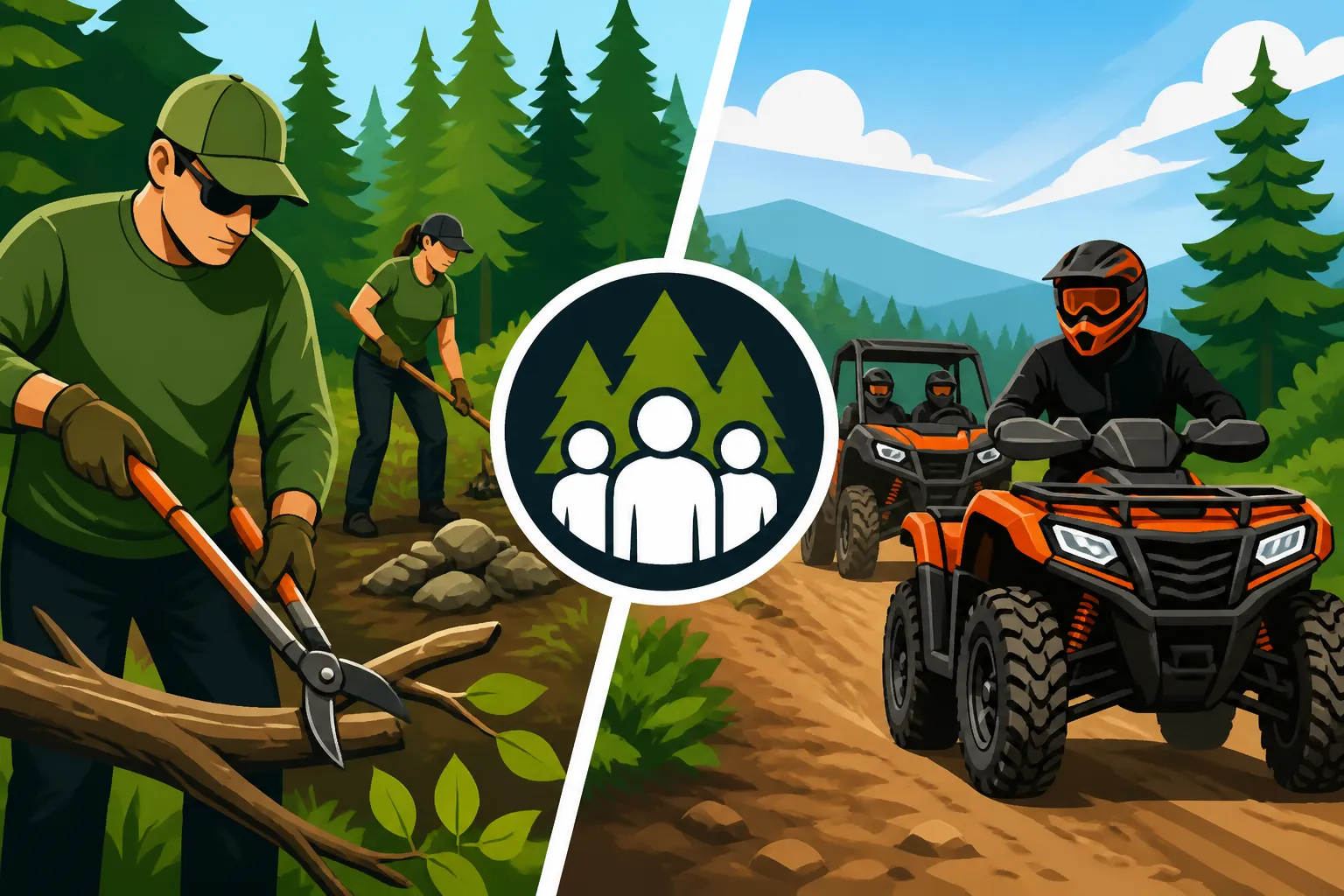
This is where the brushing and chainsaw work comes in. Volunteers, often with proper chainsaw certification for safety, head out with saws, loppers, and brush cutters to systematically clear obstacles. This isn't just about cutting things back; it’s about strategic removal to maintain trail width, clear sightlines, and ensure a smooth, safe passage for all machine types. This is a continuous job, particularly after spring mud season, summer growth spurts, or any significant weather event. Without this consistent effort, many trails would quickly become impassable thickets, making your ride considerably less enjoyable, and even dangerous.
Fixing the Flow: Drainage, Culverts, and Bridges
Perhaps less glamorous but equally, if not more, important is the work that goes into managing water on the trails. Poor drainage can lead to severe erosion, creating massive ruts, dangerous washouts, and infamous mudholes that can trap machines or become environmental nightmares. Volunteer clubs spend a lot of time and effort preventing these issues.
This involves installing and repairing culverts – those large pipes that allow water to flow under the trail – and creating water bars, which are raised structures that divert water off the trail surface. They also construct and maintain small bridges and boardwalks over wetlands or streams. This work requires a surprising amount of engineering knowledge and physical labor. Understanding how water flows, selecting the right materials, and properly installing structures are crucial to creating durable trails that stand up to the elements and heavy use. This kind of infrastructure work not only improves the riding experience but also protects the surrounding environment from erosion and sediment runoff, which is a huge win for everyone. You might pass over a perfectly built culvert or bridge and never give it a second thought, but know that a team of dedicated volunteers likely spent days or weeks planning, building, and installing it. [Bridges Built With Registration Money]
Keeping it Clear: Signage and Debris Removal
Beyond the heavy-duty tasks, there’s the ongoing job of keeping the trails user-friendly and safe. This includes ensuring that trails are clearly marked with appropriate signage. Faded, damaged, or missing signs can lead to confusion, riders getting lost, or even accidentally venturing onto private property where OHRVs aren't permitted. Volunteers regularly inspect and replace these signs, ensuring that directional markers, caution signs, and trail intersection indicators are all visible and accurate.
Then there's the less exciting, but vital, task of general debris removal. This isn’t just about fallen trees; it’s about picking up trash, removing smaller branches that could trip up a dirt bike, or clearing away rocks that have rolled into the trail path. Keeping trailheads tidy, picking up litter, and generally ensuring the entire corridor is clean and inviting are all part of the continuous effort. It might seem minor, but a well-maintained trail, free of litter, enhances the experience for everyone and reflects positively on the OHRV community.
Funding the Sweat Equity: Where the Money Comes From
All this incredible volunteer effort, while priceless, still requires resources. Equipment needs to be purchased and maintained, materials for bridges and culverts cost money, and even basic supplies add up. So, how do these volunteer clubs manage to fund their essential work? It's a combination of state support, rider contributions, and local community efforts.
The Power of Registration Fees: State Grants
One of the most significant sources of funding for OHRV trail maintenance comes directly from your registration fees. When you register your ATV or UTV in New Hampshire, a portion of that fee goes into a dedicated fund managed by the Bureau of Trails within the New Hampshire Fish and Game Department. This fund is specifically earmarked for trail development, maintenance, and educational programs. [Where New Hampshire OHRV Fees Go]
Volunteer clubs can then apply for grants from this fund to help cover the costs of larger projects. These grants are absolutely crucial for purchasing expensive materials like culverts, lumber for bridges, new signage, or specialized trail maintenance equipment. The Bureau of Trails works closely with clubs, providing technical assistance and ensuring that grant money is used effectively to benefit the entire trail system. A key aspect of these grants is often a "matching" requirement, where the volunteer hours contributed by club members can count as the club's matching share, effectively turning sweat equity into tangible project funding. This partnership is a testament to [New Hampshire Grants for Club Trail Work] and how the system is designed to directly support those who do the work.
Membership Dues and Club Fundraising
While state grants are vital, they don't cover everything. That's where club membership dues and various fundraising efforts come into play. When you join an OHRV club, your annual membership fee provides direct financial support to that club. This money often covers operational costs, like insurance for trail work, fuel for equipment, or smaller tools and supplies that might not qualify for a state grant. This is why [New Hampshire Club Membership Cost] is so important – it’s a direct investment in the trails you love to ride.
Beyond dues, clubs are incredibly creative when it comes to fundraising. You'll see them hosting poker runs, raffles, bake sales, or selling club merchandise. These events not only raise much-needed funds but also foster a strong sense of community among riders. Every dollar raised at these local events goes directly back into the trails, supplementing the state grants and ensuring clubs have the flexibility to address immediate needs or undertake smaller projects quickly. It truly shows that the OHRV community is willing to support itself.
In-Kind Donations and Partnerships
Sometimes, funding comes in forms other than cash. "In-kind" donations are non-monetary contributions that are just as valuable. This could be a local hardware store donating materials for a bridge, a construction company lending heavy equipment for a weekend, or even a local restaurant providing food for a volunteer trail work day. These types of partnerships are vital, reducing the financial burden on clubs and fostering strong community ties.
Landowners, too, sometimes provide in-kind assistance, perhaps allowing clubs to stage equipment on their property or even offering a helping hand with local trail knowledge. Clubs also partner with other outdoor recreation groups, sharing resources or collaborating on projects that benefit multiple user groups. These collaborative efforts highlight the cooperative spirit that thrives in New Hampshire's outdoor recreation scene. If a club needed to draft a formal agreement for such a partnership, a resource like LawDepot could assist in creating the necessary documents to ensure all parties are clear on their roles and responsibilities.
| Task Category | Description | Primary Executors | Supporting Resources |
|---|---|---|---|
| Clearing & Brushing | Removing fallen trees, branches, and overgrown vegetation. | Volunteer Club Members | Club equipment, Chainsaw certs, State grants |
| Drainage & Erosion | Installing culverts, creating water bars, repairing washouts. | Volunteer Club Members (skilled) | State grants (for materials), Club funds |
| Bridge & Structure | Building or repairing small bridges, boardwalks, and stream crossings. | Volunteer Club Members (skilled) | State grants (for materials), Professional guidance |
| Signage & Marking | Installing, repairing, and updating trail signs and route markers. | Volunteer Club Members | State grants (for signs), Club funds |
| Litter & Debris | Removing trash, fallen branches, and other obstacles from the trail. | Volunteer Club Members, Casual Riders | Club-organized cleanups |
| Landowner Relations | Maintaining communication and formal agreements with private landowners. | Club Leadership/Designated Members | LawDepot for templates, Legal counsel (if needed) |
How You Can Contribute to Trail Preservation
After learning about the monumental effort that goes into maintaining New Hampshire’s OHRV trails, you might be wondering how you can do your part. The good news is, there are many ways to contribute, whether you have a lot of time to spare or just a little. Every bit of support helps keep our trails open and thriving for generations of riders to come.
Becoming a Club Member
This is perhaps the easiest and most impactful way to support the trail system. By joining a local OHRV club, you’re not only becoming part of a community, but you’re also directly contributing to the financial health of the trails. Your membership dues, as we discussed, help fund vital maintenance, equipment, and operational costs that state grants might not cover.
Beyond the satisfaction of supporting the trails, there are often tangible benefits to membership, such as a discounted registration rate for your OHRV. [Why Club Membership Saves $30 in New Hampshire] This alone can often offset the cost of annual dues, making it a smart investment for any frequent rider. Clubs also offer a fantastic way to meet fellow enthusiasts, discover new riding areas, and participate in organized rides and events. You can find local clubs through the New Hampshire Off-Highway Vehicle Association (NHOHVA) website and discover one that aligns with your riding area or interests.
Volunteering Your Time and Skills
If you have the time and desire, directly volunteering your time with a club is an incredibly rewarding experience. Trail work isn't just about heavy lifting, either. While there’s certainly a need for folks who can wield a chainsaw, swing a shovel, or operate equipment, there are countless other ways to help. Clubs need administrative support, people to help with grant writing, event planning, social media management, fundraising coordination, and even just preparing meals for trail crews.
Many clubs organize dedicated trail work days, often announced on their websites or social media channels. These are fantastic opportunities to get your hands dirty, learn some new skills, and bond with fellow riders. Don't worry if you don't have experience with trail building; most clubs are happy to train new volunteers, and there are always tasks for all skill levels. From picking up litter to flagging trails or even just making sandwiches, every contribution makes a real difference. Imagine the pride of riding a trail knowing you personally helped make it better!
Supporting Club Fundraising Efforts
Even if you can't commit to regular volunteering, you can still be a huge help by supporting club fundraising efforts. Attend their poker runs, buy raffle tickets, or purchase club merchandise like hats or t-shirts. These funds are vital for clubs to cover their day-to-day expenses and undertake smaller, but equally important, maintenance projects. By simply participating in these events, you're directly contributing to the sustainability of the trails.
Spreading awareness about the incredible work these volunteer clubs do is also a powerful form of support. Talk to your friends, share information on social media, and encourage other riders to get involved. The more people who understand and appreciate the effort behind New Hampshire's OHRV trails, the stronger our community becomes and the more resources we can collectively bring to bear. And if you’re a landowner who might consider offering temporary access for an event or a trail reroute, formalizing that permission with a written agreement, perhaps using a template from LawDepot, can protect both you and the riding club, ensuring clear understanding and safety.
So, the next time you hit a beautifully maintained trail, take a moment to appreciate the volunteers who made it possible. Their dedication is the true engine that drives New Hampshire's legendary ATV and UTV experience.
Disclaimer
This article is for general informational purposes only and does not constitute professional advice. Laws, prices and regulations vary by location and change over time. Consult a qualified professional for guidance on your specific situation.