What a Club Does With Your Dues
It's a question many off-highway recreational vehicle (OHRV) enthusiasts in New Hampshire ponder: you join a club, you pay your annual dues, and you might even get a sweet discount on your state registration. But what really happens with that money once it leaves your wallet and lands in the club's coffers? It's a fair question, especially when you're committed to supporting the sport and want to understand how your contribution fuels the trails you love. This guide will peel back the curtain and show you the tangible, and sometimes invisible, ways your club dues make a real difference across the Granite State.
The Foundation: Maintaining and Expanding Our Trail Network
When you hit the trails in New Hampshire, whether it's the vast expanse of Ride the Wilds or a local hidden gem, you're riding on the diligent work of OHRV clubs. These clubs are the backbone of our trail system, and your membership dues are absolutely critical to keeping those trails open, safe, and enjoyable. It's not just about cutting back a few branches; it's a massive, ongoing effort.
Keeping Trails Open and Safe for Everyone
Think about the trails after a long, wet spring or a harsh winter. Washouts, downed trees, damaged culverts, and eroded sections become commonplace. This is where a significant portion of your club dues goes. Clubs invest in heavy equipment like excavators, bulldozers, and trail groomers – or at least pay for their fuel, maintenance, and skilled operators. Imagine the cost of renting an excavator for a week to fix a major washout; those expenses add up quickly. Dues help cover these operational costs, ensuring that when you plan your next ride, the trails are actually passable and safe.
Beyond the big machinery, there's the constant need for smaller, but no less important, repairs. Bridges need planks replaced, signs need to be re-posted, and sometimes entire sections of trail need to be rerouted due to environmental concerns or landowner requests. Volunteers dedicate countless hours to this work, but materials like lumber, gravel, nuts, bolts, and reflective signage all have a price tag. Your dues act as the budget for these essential supplies, empowering those tireless volunteers to get the job done right. It's a direct investment in the ground beneath your tires.
Developing New Trails and Expanding Access
While maintaining existing trails is crucial, clubs are also constantly looking to expand the network, opening up new riding opportunities. This isn't a simple task of just cutting a path through the woods. Developing new trails involves extensive planning, negotiation, and often legal processes. Clubs must identify potential corridors, assess environmental impacts, and, most importantly, secure agreements with landowners. This can be a lengthy and sometimes costly endeavor.
Your dues contribute to the resources needed for this expansion. This might include paying for surveys, environmental impact assessments, or even legal counsel to draft comprehensive land-use agreements. Sometimes, clubs work with public entities or large private timber companies to lease or secure easements for new trail sections. These agreements require careful drafting and legal review, and tools like LawDepot can be helpful in generating preliminary documents or understanding the framework for such agreements, though professional legal advice is always recommended for binding contracts. Every new mile of trail that opens up represents years of effort, and your membership dues provide the financial stability for clubs to pursue these ambitious projects. [New Hampshire Trail Grants From Registration] also play a big role here, but local club funds are often needed to match or supplement those grants.
Behind the Scenes: Administration, Advocacy, and Education
The visible work on the trails is just one piece of the puzzle. There's a whole world of essential activity that happens off the trail, often in meeting rooms, online, or in legislative chambers, all funded by your membership dues.
Essential Administrative Overheads
Running a non-profit OHRV club, no matter its size, comes with significant administrative costs. Just like any organization, clubs need to maintain a mailing list, operate a website, manage membership records, and handle correspondence. There are expenses for things like insurance – liability insurance is absolutely critical for clubs that maintain trails, especially those on private land, protecting both the club and its landowners. Electricity for a clubhouse, printing costs for newsletters and maps, and even the basic office supplies needed to keep things organized all come out of the dues.
Many clubs are legally structured as non-profit organizations, requiring annual filings and adherence to specific regulations. Services for these filings, or for creating standard operating documents like bylaws, can also be a hidden cost. While clubs rely heavily on volunteers, there are sometimes expenses related to training for those volunteers, or even small stipends for key roles, ensuring continuity and expertise. LawDepot could be a resource for clubs to quickly create standard internal documents, like meeting minutes templates or volunteer agreements, helping to streamline administrative tasks and keep costs down.
Advocating for Rider Rights and Trail Access
One of the most vital, yet often unseen, roles of OHRV clubs is advocacy. These clubs are the collective voice of riders, representing your interests at town meetings, before state legislative bodies, and with agencies like New Hampshire Fish and Game. Without these dedicated advocates, access to trails could easily diminish, and unfavorable regulations could be passed without rider input. Your dues empower clubs to actively participate in these discussions.
This advocacy work can involve everything from attending public hearings to crafting detailed proposals for new legislation or trail corridors. Clubs often collaborate with the New Hampshire OHRV Association (NHOHVA), contributing to a unified front for rider interests across the state. This might mean funding travel for club representatives to attend state-level meetings, or contributing to legal funds for challenges that impact OHRV access. The goal is to safeguard existing riding opportunities and push for new ones, ensuring the future of the sport in New Hampshire. Without club support, individual voices would be easily lost in the shuffle.
Promoting Safety and Responsible Riding
New Hampshire OHRV clubs are deeply committed to promoting safe and responsible riding practices. Your dues contribute to various educational initiatives aimed at riders of all ages and experience levels. This includes funding for official OHRV safety courses, which are mandatory for younger riders and highly recommended for everyone. Clubs often host these courses, providing the venue and helping to coordinate instructors. You can read more about it here: [New Hampshire Safety Education Requirements].
Beyond formal courses, clubs develop and distribute educational materials on rider etiquette, environmental awareness, and the importance of respecting private property. They promote the "Stay on the Trail" message, discourage littering, and educate riders on the impact of off-trail riding. Many clubs also lead by example, organizing clean-up days and encouraging good stewardship of the land. Your membership helps fund these programs, ensuring that the next generation of riders understands the importance of preserving the trails for everyone. This table shows a breakdown of typical club expenditures:
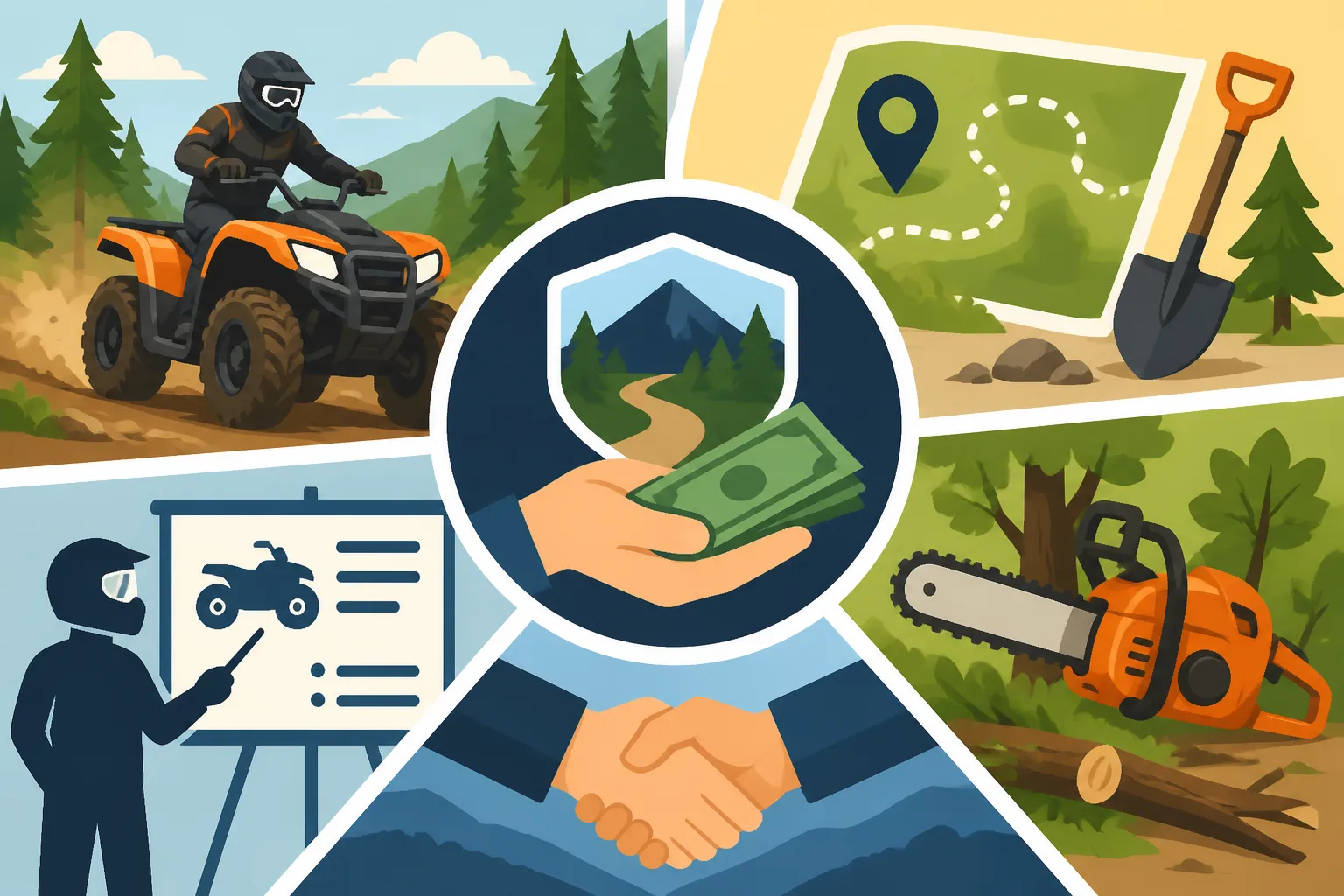
| Category | Description | Impact of Dues Contribution |
|---|---|---|
| Trail Maintenance | Equipment, materials (gravel, lumber), culvert repair, signage, bridge work. | Directly keeps trails safe, open, and rideable. |
| Trail Development | Landowner negotiations, surveys, legal fees, environmental assessments. | Expands the overall trail network and riding opportunities. |
| Administration | Insurance, website, communications, legal filings, office supplies. | Ensures the club can operate effectively and legally. |
| Advocacy | Lobbying, public hearings, representation at state/local levels. | Protects rider rights and fights for continued trail access. |
| Education | Safety courses, rider etiquette materials, environmental awareness. | Promotes safe riding and responsible stewardship. |
| Community Events | Group rides, charity events, social gatherings. | Fosters camaraderie and supports local economies. |
Beyond the Trails: Community Engagement and Local Impact
While the direct benefits to trails are paramount, OHRV clubs also play a significant role in fostering community spirit and positively impacting the local economies of New Hampshire's trail towns.
Building a Strong Rider Community
Club dues help create a vibrant and welcoming community for OHRV enthusiasts. Many clubs organize regular group rides, potlucks, and social events, providing opportunities for members to connect, share experiences, and build friendships. These gatherings are crucial for new riders looking to learn the ropes and for seasoned veterans to stay involved. [New Hampshire Trails That Link Towns] often means clubs work together to host multi-club events, enhancing the overall experience for everyone.
These social activities, while seemingly simple, require coordination and resources – from securing meeting places to organizing refreshments. Your dues contribute to creating these spaces for camaraderie, making the OHRV experience more than just riding; it becomes a shared passion with a supportive network. When a club brings riders together, it strengthens the sport as a whole and ensures new members feel welcome and integrated.
Supporting Local Economies and Partnerships
OHRV clubs often work hand-in-hand with local businesses and communities, creating a positive economic ripple effect. By promoting responsible tourism and advocating for accessible trails, clubs encourage riders to visit towns, stay in local lodging, eat at restaurants, and buy supplies. In many northern New Hampshire towns, OHRV tourism is a vital part of the economy, and clubs are central to sustaining it.
Your dues indirectly support these partnerships by enabling the club to maintain trails that bring visitors to these towns. They also allow clubs to engage in community outreach, participate in local parades, or contribute to other town initiatives. It’s a symbiotic relationship: towns benefit from the influx of riders, and riders benefit from welcoming communities that cater to their needs. This collaboration is part of the reason why riding in New Hampshire feels so unique and supported. [What a Club Does to Keep a Landowner Onside] is a perfect example of how vital community relations are.
Disclaimer
This article is for general informational purposes only and does not constitute professional advice. Laws, prices and regulations vary by location and change over time. Consult a qualified professional for guidance on your specific situation.