Why Two Seasons Share One Corridor
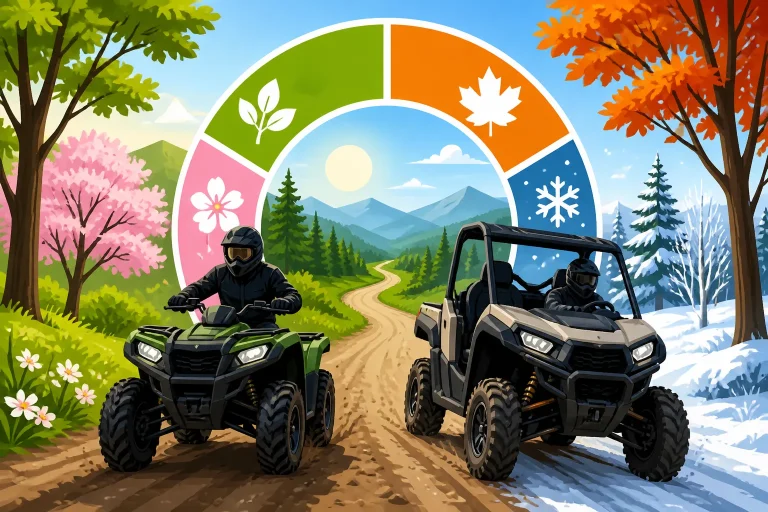
New Hampshire corridors may serve ATVs and UTVs in one season and snowmobiles in another; check current trail status before riding.
Your sticker stops at the state line.
Non-resident permits, what they cost and how long they last, and which states honor each other’s — or, increasingly, none at all.
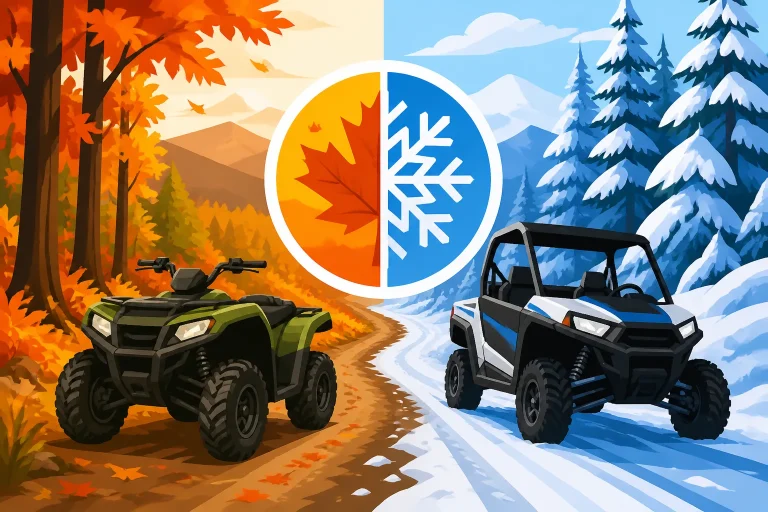
New Hampshire corridors may serve ATVs and UTVs in one season and snowmobiles in another; check current trail status before riding.
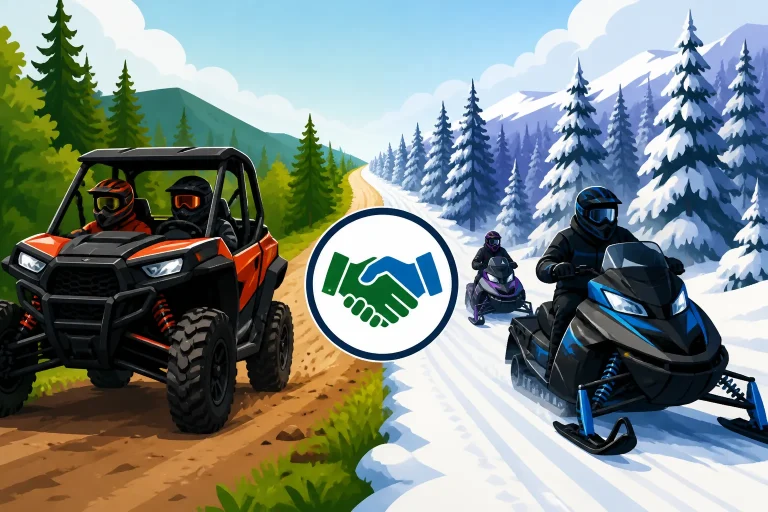
A trail shown for both ATVs and snowmobiles can look like an invitation to ride whenever you like. In New Hampshire, shared corridors usually mean the same route or land is used in different seasons—not that every machine has access at all times. Here’s how to check which season is open, what permission and registration…

New Hampshire ATV and UTV clubs may groom corridors in winter and open routes in summer, but access depends on trail status and registration.
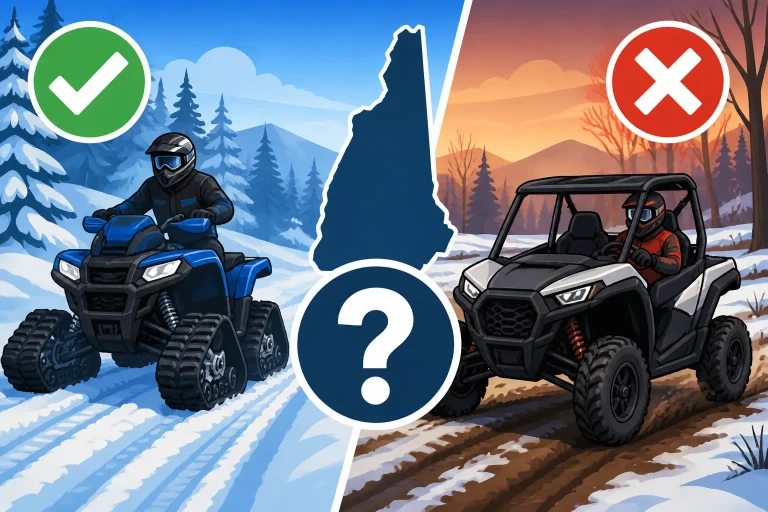
Whether an ATV or UTV with tracks can use a New Hampshire club trail in winter depends on club permission, trail status, registration and conditions.
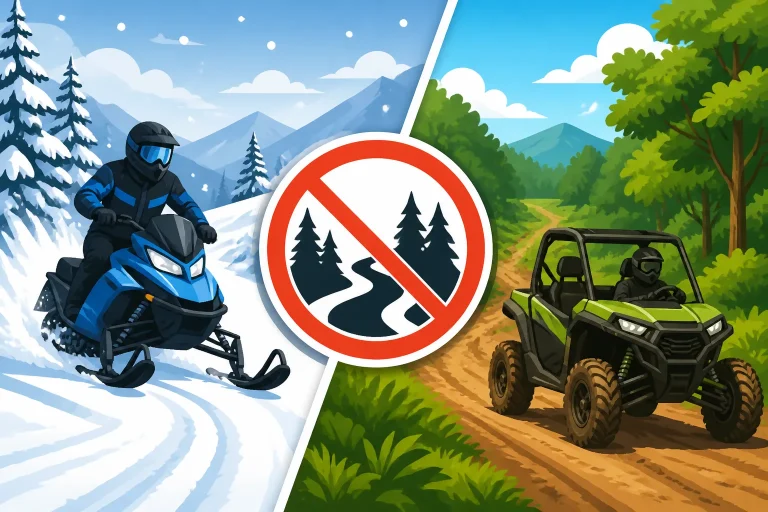
New Hampshire snowmobile corridors do not automatically open to ATVs and UTVs in summer; confirm trail access, conditions, and closures before riding.

New Hampshire trails may carry quads in summer and sleds in winter, but seasonal access and current club conditions decide where you can ride.
The Sugar River Rail Trail offers a year-round southern New Hampshire OHRV ride, but confirm the open segment, registration, and conditions before heading out.

Crossing the Line Into Vermont requires more than a New Hampshire registration: confirm Vermont rules, trail permission, route access, and machine limits.
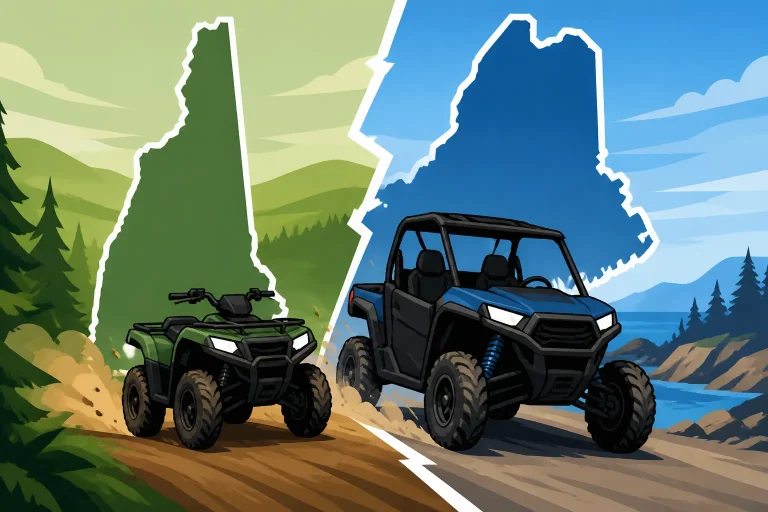
Crossing into Maine on an ATV or UTV requires checking Maine registration, trail access, and road rules; a New Hampshire decal may not be enough.
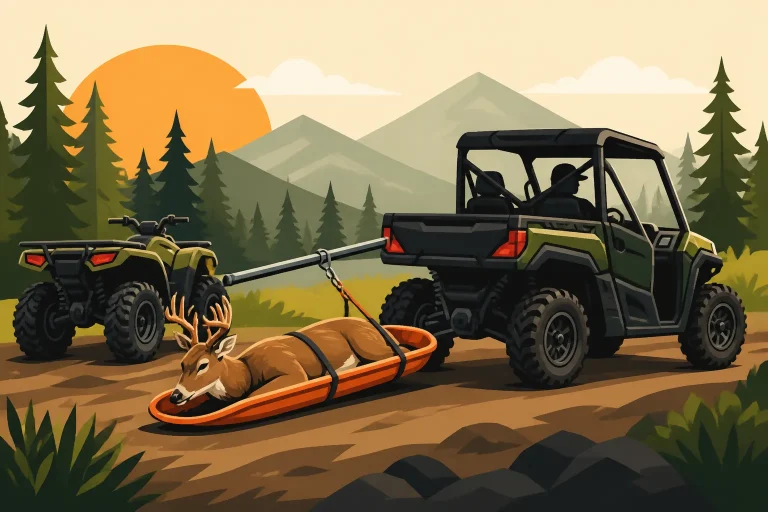
New Hampshire deer recovery by ATV or UTV depends on hunting rules, land access and safe loading; registration does not permit off-trail travel.