Riding Route 16 Through Town
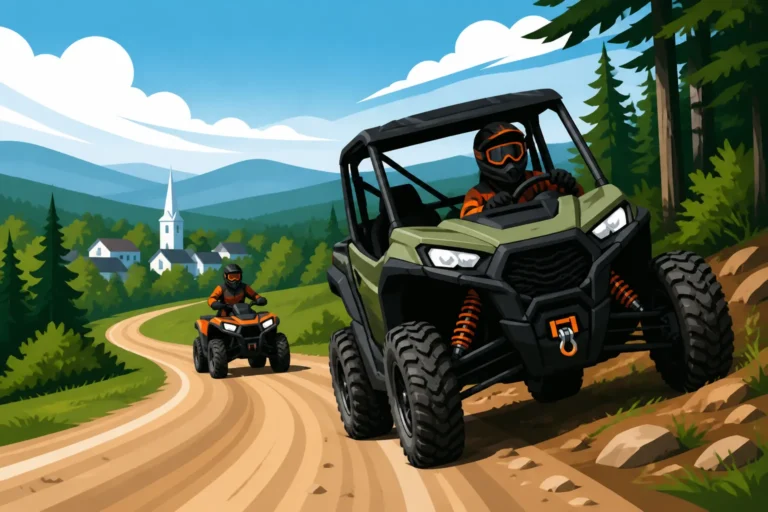
Oh, the dream of hitting the open road on your ATV or UTV, cruising right through a charming New Hampshire town on a beautiful sunny day! It’s a vision many of us have, especially when our favorite trails lead straight into a vibrant village. But the reality can often be a confusing maze of "can I or can't I?" when it comes to riding your machine on public streets. This guide is here to untangle that knot, specifically addressing the ins and outs of legally and safely riding your off-highway recreational vehicle on designated roads like Route 16 in towns that welcome us with open arms.
Understanding New Hampshire's Default Stance on OHRVs and Public Roads
It's tempting to think that because you can register your OHRV, you can just hop on any road you please. However, New Hampshire has a very clear, albeit sometimes frustrating, baseline rule: all public roads are considered closed to OHRVs by default. This means that unless a town or city has taken specific, legal steps to open certain roads or sections of roads for OHRV use, you cannot ride your machine there. It's not about what's not explicitly forbidden; it's about what is explicitly permitted. This can be a real head-scratcher for new riders or those visiting from states with different regulations.
Why Most Roads Are Off-Limits Unless Posted Otherwise
The "closed by default" rule exists primarily for safety and to manage potential conflicts between OHRV riders and other road users, including cars, bicycles, and pedestrians. Imagine the chaos if thousands of OHRVs suddenly appeared on every local street without any regulation! The state wants to ensure that when OHRVs are allowed on roads, it's a deliberate decision made with public safety and community impact in mind. This means towns must proactively decide to integrate OHRV use into their existing infrastructure.
This default closure often leads to frustration for riders who see a short stretch of pavement separating them from a vast trail system or a convenient stop for gas and food. You might be just a few hundred yards from a destination, but if that road isn't designated for OHRVs, it's a no-go. The key takeaway here is that you can't assume a road is open just because it looks like a good connector. Always assume it's closed unless you have confirmation it's been designated otherwise. It’s a bit of a hurdle, but it's designed to keep everyone safe and keep our access to trails sustainable in the long run. [When New Hampshire Registration Applies] means you need that registration to even think about leaving your private property, let alone hitting a public road.
The Local Process for Opening a Town Road
So, how does a town go about changing its roads from "closed by default" to "open for OHRVs"? It's a structured, legal process that requires local municipal action. First and foremost, the town's legislative body—usually the Selectboard in most New Hampshire towns—must hold public hearings to discuss the proposal. These hearings are crucial because they give local residents, landowners, and business owners a chance to voice their opinions, concerns, and support. It's where the community hashes out the pros and cons of inviting OHRVs onto their streets.
Before these hearings, the town is legally required to provide specific notice to abutters—that is, property owners whose land directly borders the roads proposed for OHRV use. This notice typically needs to be sent via verified mail and allows these residents ample time to prepare and participate in the discussion. This is a big deal, as it directly impacts their property and daily lives. After gathering feedback, the Selectboard then votes on an ordinance or regulation to officially designate specific roads or sections of roads for OHRV use. This designation usually comes with specific conditions, such as speed limits, hours of operation, and equipment requirements. It's a testament to local democracy and often a long, involved process. [A New Hampshire Selectboard Vote to Open a Street] is the very heart of how these decisions get made, and it takes a lot of community involvement.
Navigating Route 16 Through OHRV-Friendly Towns Like Gorham
While many towns have kept their roads closed to OHRVs, some, particularly in the northern reaches of the state, have embraced the economic and recreational opportunities that OHRV tourism brings. Gorham, New Hampshire, is a fantastic example of a town that has successfully opened portions of its main routes, including segments of Route 16, to OHRV traffic. It's become a hub for riders, allowing seamless connections between vast trail networks and vital town services.
The Gorham Model: A Gateway to the Trails
Gorham is often cited as a shining example of how a town can integrate OHRV use into its infrastructure to create a vibrant trail-friendly community. By strategically opening up sections of state routes like Route 16 and Route 2, Gorham has essentially created a "trail town" where riders can arrive, park their rigs, and then ride their OHRVs directly from their lodging to local restaurants, gas stations, and, most importantly, directly onto the extensive trail systems. This accessibility makes it incredibly convenient for riders, reducing the need to trailer their machines constantly.
The foresight of towns like Gorham has transformed the riding experience in the North Country. What used to be a fragmented system of trails has become a interconnected network, famously known as [Ride the Wilds in Coos County]. This network allows riders to cover hundreds of miles, passing through multiple towns, all because communities like Gorham understood the value of embracing the sport. It's truly a game-changer for anyone looking for an immersive and convenient OHRV adventure. Being able to ride Route 16 through town in Gorham means you’re not just passing through; you’re an active part of the community.
Specific Rules and Etiquette for Riding Designated Town Roads
When you're riding your OHRV on a designated road like Route 16 in Gorham, it's absolutely crucial to remember that you are sharing the road with conventional vehicles. This isn't a trail; it's a public highway, and different rules apply. First and foremost, speed limits are strictly enforced. In Gorham, you'll typically find a 25 mph limit on designated OHRV sections of main roads like Route 16, and often a reduced 10 mph limit when entering or exiting trail systems, or near congested areas. [Gorham's 25 mph Trail Limit] is there for a reason, and it keeps everyone safe.
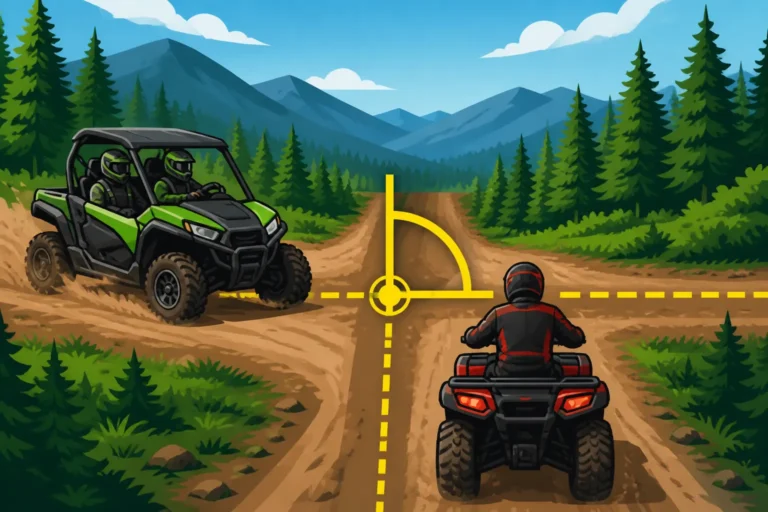
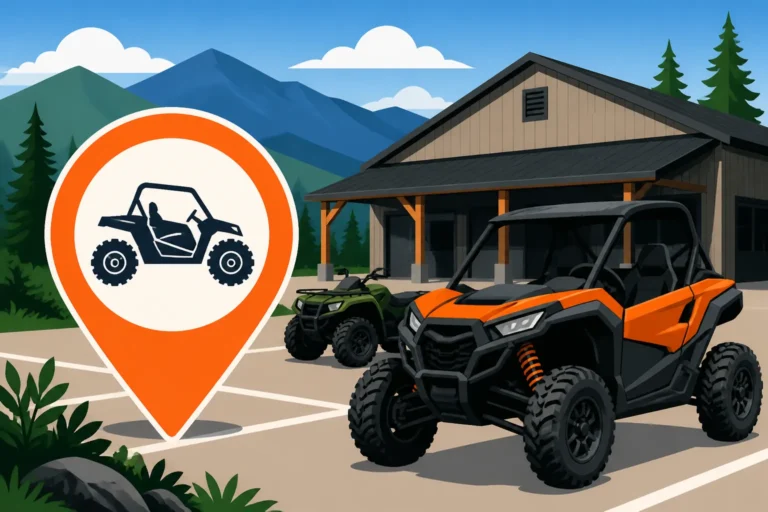
Riders are expected to yield to all conventional vehicles and should always keep to the extreme right side of the paved portion of the road. This helps ensure smooth traffic flow and minimizes any potential hazards. [Why New Hampshire Riders Keep to the Extreme Right] isn't just a suggestion; it's a rule that helps maintain harmony on shared routes. When it comes to parking, avoid blocking traffic or private driveways. Towns like Gorham have designated OHRV parking areas, such as the one near the Eastern Depot, which are ideal for staging or taking a break. [Parking at the Eastern Depot in Gorham] is specifically set up for us. Be mindful of operating hours too; some towns, like Berlin, have curfews for OHRV operation on public roads, such as their 10 PM closing. [Berlin's Ten O'Clock Closing] is an important detail to remember if your ride extends into the evening.
Your machine must also be properly equipped. This means having working headlights, taillights, brake lights, and at least one rearview mirror mounted on the left side of your machine, facing forward. If you're looking to upgrade your mirrors for better visibility and durability, companies like SuperATV offer a wide range of robust options designed for off-road conditions that will serve you well on pavement too. These equipment rules are not optional; they're critical for your safety and the safety of others.
Essential Requirements and Considerations for Road-Legal OHRV Operation
Riding your OHRV on a public road, even a designated one, comes with a set of responsibilities and requirements that go beyond just having a cool machine. It's not just about what the town allows, but what the state mandates for anyone operating an OHRV on public property. Understanding these rules is vital to avoiding fines and ensuring a smooth, enjoyable ride.
Registration, Age, and Safety Certificates
First and foremost, your OHRV must be properly registered with the State of New Hampshire. There are no exceptions for riding on public roads, even if it's just a short connection between two trails. Your current registration certificate and the two decals issued by the state must be prominently displayed on your machine. [New Hampshire OHRV Decals and the Certificate] are your golden ticket. Without them, you're not legal.
Age restrictions are also a big one. To operate an OHRV on a public road, the operator must generally be at least 12 years old and hold a valid OHRV safety certificate. However, for those 12 and 13 years old, they must be accompanied by a licensed adult who is at least 25 years old. Riders aged 14 and 15 can operate alone on designated trails, but when it comes to public roads, additional rules apply. Anyone 16 or older who possesses a valid driver's license (from any state) is generally exempt from the safety certificate requirement, as the driver's license is considered sufficient proof of operating knowledge. However, if you're 16 or older and don't have a driver's license, you still need that OHRV safety certificate. It's a bit complex, but knowing these rules is key to keeping everyone safe and legal. [New Hampshire OHRV Registration Age Requirement] is something every rider needs to be aware of, especially if riding with younger family members. [New Hampshire's Certificate Rule at Age 12] lays out the groundwork for young riders.
Required Equipment and Safe Riding Practices
Beyond registration and age, your OHRV needs to be equipped to handle road travel safely and legally. As mentioned, working headlights, taillights, and brake lights are non-negotiable, especially if there's any chance you'll be riding near dusk or after dark. A functional horn is also required for signaling other vehicles or pedestrians. One of the most critical, yet often overlooked, pieces of equipment is a rearview mirror. New Hampshire law specifically requires at least one mirror mounted on the left side of your machine, positioned to give you a clear view of traffic behind you. High-quality mirrors, perhaps even some sturdy options from SuperATV built to withstand trail abuse, are a wise investment for both on-road and off-road safety. [A Rear-View Mirror for New Hampshire Road Riding] is more than just a convenience; it's a legal necessity.
Noise levels are also a serious consideration. New Hampshire has a strict OHRV decibel limit, typically 96 dB, which is enforced on both trails and roads. Aftermarket exhausts that make your machine excessively loud can quickly put you in violation, drawing unwanted attention from law enforcement and potentially causing nuisance to residents. [New Hampshire's OHRV Decibel Limit] is a rule designed for community harmony. Eye protection is required for all riders, and helmets are mandatory for anyone under 18 years of age. While adults over 18 are generally exempt from wearing a helmet on OHRVs in New Hampshire, it is always a smart safety choice, especially when operating on paved surfaces where impacts can be more severe. Finally, while New Hampshire does not legally require OHRV insurance, it is highly, highly recommended. Accidents can happen, and having liability coverage can protect you from significant financial burdens. [Why New Hampshire Requires No OHRV Insurance] doesn't mean it's a good idea to go without it.
Planning Your Street-Legal OHRV Adventure
The allure of riding an OHRV through a New Hampshire town, perhaps stopping for a quick bite or some supplies before heading back to the trails, is undeniable. But as we've discussed, it's not as simple as pointing your machine down the main street. Careful planning is essential to ensure your adventure is both legal and enjoyable.
Checking Trail Status and Town Ordinances
Before you even load your machine onto the trailer, the most crucial step is to verify the current status of the trails and, more importantly for road riding, the specific ordinances of the towns you plan to visit. While places like Gorham are known for their OHRV-friendly roads, regulations can change, and not all sections of every road are always open. Always check the town's official website, contact the town clerk, or consult local OHRV clubs for the most up-to-date information. Many clubs maintain detailed maps and trail condition reports that will highlight which roads are designated as connectors.
For wider trail networks, especially in the North Country, the "Ride the Wilds" system provides excellent online resources. These platforms often indicate which town roads are open and which serve as critical links between different trail systems. Don't rely on outdated maps or hearsay; a quick phone call to the [New Hampshire OHRV Registration Help Line] or a visit to a town's website can save you a lot of hassle and potential fines. Being prepared means knowing exactly where you can and cannot go.
Here's a quick comparison of general OHRV road rules vs. specifically designated town roads:
| Feature | General New Hampshire Roads (Default) | Designated Town Roads (e.g., Gorham's Route 16) |
|---|---|---|
| Legality of Riding | Closed to OHRVs unless explicitly opened | Open to OHRVs by local ordinance |
| Registration Required | Yes, if leaving private property | Yes, always |
| Speed Limit | N/A (not permitted) | Specific town-enforced limits (e.g., 25 mph) |
| Lane Position | N/A (not permitted) | Extreme right of paved surface |
| Yield to Traffic | N/A (not permitted) | Always yield to conventional vehicles |
| Rearview Mirror | Required if riding public land | Required |
| Headlights/Taillights | Required if riding public land | Required (especially after dark) |
| Safety Certificate | Required for most, unless driver's licensed | Required for most, unless driver's licensed |
| Helmets (Under 18) | Required | Required |
| Insurance | Not legally required, but highly recommended | Not legally required, but highly recommended |
| Curfews | N/A (not permitted) | Potentially (check local ordinances) |
Being a Responsible Ambassador for the Sport
When you ride your OHRV on public roads, especially through a town, you become an ambassador for the entire OHRV community. Your actions directly impact how residents and local officials view our sport. Respectful and responsible riding is paramount to maintaining the access we currently enjoy and potentially expanding it in the future. This means strictly adhering to posted speed limits, slowing down around homes and businesses, and being mindful of noise levels. Excessive throttle or loud aftermarket exhausts can quickly sour public opinion.
Always yield to pedestrians, stop for crosswalks, and wave to locals. A friendly demeanor goes a long way in building positive relationships. Remember that the privilege of riding on these roads can be revoked if too many riders fail to follow the rules. By demonstrating responsible behavior, you help ensure that future generations can also experience the unique joy of exploring New Hampshire's scenic trails and charming towns on their OHRVs. Our ability to connect trails through villages like those on [Riding Route 16 Through Town] depends on everyone doing their part.
Disclaimer
This article is for general informational purposes only and does not constitute professional advice. Laws, prices and regulations vary by location and change over time. Consult a qualified professional for guidance on your specific situation.