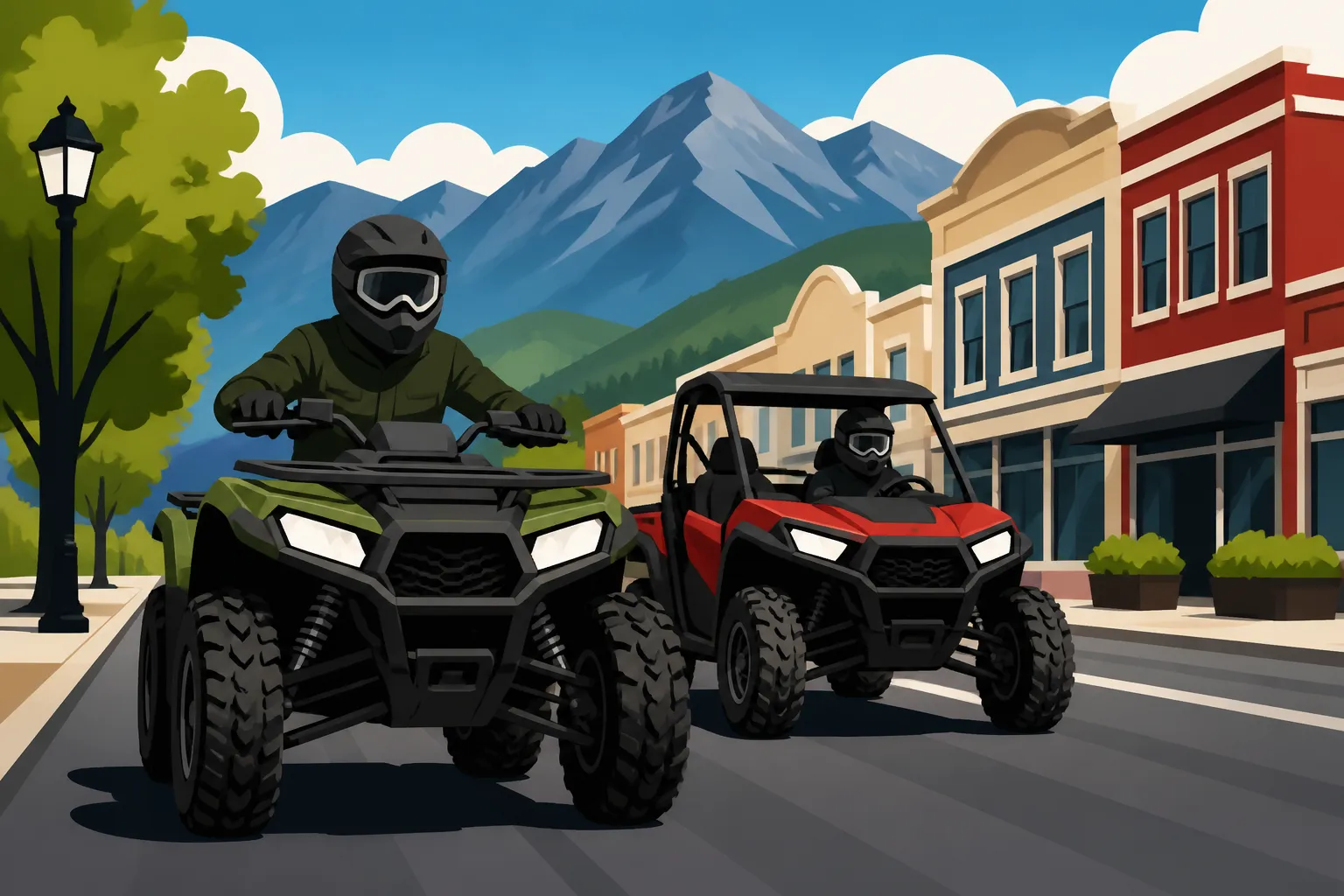
Riding Main Street in Gorham
It can be incredibly frustrating to hit a beautiful ATV or UTV trail, only to find yourself forced to trailer your machine into town just to grab a bite to eat or fill up your tank. So many states treat off-highway vehicles as strictly for the dirt, keeping them off public roads entirely. Thankfully, in New Hampshire, some towns understand the value of allowing riders to seamlessly connect their trail adventures with local amenities. Gorham is a shining example of this, offering OHRV riders the unique opportunity to ride right down Main Street. This guide will walk you through exactly what you need to know to enjoy Gorham's open streets safely and legally.
The Unique Appeal of Gorham's Open Streets for OHRVs
Gorham, New Hampshire, has truly embraced the OHRV community, creating a vibrant hub for riders exploring the stunning North Country. It's not every day you can roll off a rugged trail and moments later be cruising past shops and restaurants, still on your machine. This commitment to integrating OHRV access makes Gorham a premier destination, and understanding why it works so well is key to appreciating the experience.
Why Gorham Stands Out in New Hampshire
You'll find that many towns in New Hampshire have a very strict "no OHRVs on public roads" policy. It's the default, and it often means riders have to park their trailers outside of town and then shuttle in by car, which just breaks the flow of a great day out. Gorham, however, has gone through the process to open certain roads to OHRVs, particularly its bustling Main Street. This wasn't a snap decision; it involved careful planning, town votes, and a recognition of the economic benefits OHRV tourism brings. Other towns like Berlin and Colebrook also offer varying degrees of access, but Gorham has really perfected the art of the "trail-to-town" connection. This forward-thinking approach means you can spend more time riding and less time fussing with logistics. It supports local businesses, creates a welcoming atmosphere for riders, and truly enhances the overall experience in a way that’s hard to find elsewhere. It’s part of what makes the North Country such a phenomenal place to ride.
What "Open Streets" Actually Means for Riders
When we talk about Gorham having "open streets" for OHRVs, it doesn't mean a free-for-all. It signifies that specific, designated roads within the town are legally accessible to registered off-highway vehicles, including Main Street and sections of Routes 2 and 16. These aren't just dirt roads; these are paved, public ways shared with cars, trucks, and pedestrians. This is a crucial distinction that comes with its own set of responsibilities. You're not on a private trail anymore; you're in a busy town, and your actions reflect on the entire OHRV community. The town has a specific ordinance that outlines which roads are open, during what hours, and under what conditions. Typically, these open roads are clearly marked with signs indicating OHRV access. For riders, it means the freedom to legally travel from the trail system directly to local businesses for gas, food, or supplies, which is an incredible convenience. You can literally ride your side-by-side or ATV to a restaurant, park it, and grab a burger. It's about connectivity and convenience, but always within defined legal boundaries. Always check the current local ordinances and signage when you visit, as rules can sometimes change, although Gorham has a long-standing tradition of welcoming riders. If you're looking for other places, you'll want to read about [New Hampshire Towns That Allow OHRVs on Roads].
Navigating Main Street: Rules and Regulations You Need to Know
Riding your OHRV on Main Street in Gorham is a fantastic privilege, but it comes with a firm responsibility to understand and abide by all the rules. It's not like riding on a remote forest trail; you're sharing the road with cars, trucks, and pedestrians, and a different set of laws applies. Ignoring these rules not only risks a ticket but can also jeopardize the future of OHRV access in town.
Speed Limits and Safe Riding Practices
One of the most immediate changes you'll notice when transitioning from trail to town road is the speed limit. On most club trails in the North Country, you might find a general speed limit of 25 mph, but on Gorham's Main Street, the posted limits are typically much lower, often around 25 mph or even 10 mph in specific congested areas or near trail entrances. It's critical to treat these limits with the utmost respect. You need to reduce your speed significantly, especially when approaching intersections, crosswalks, or areas with high pedestrian traffic. Unlike a trail where you might have a wide-open view, urban environments have blind spots, parked cars, and people stepping out unexpectedly.
Think about it: an OHRV, especially a side-by-side, can be pretty wide and heavy. Stopping quickly and safely requires more distance than you might think, particularly on pavement. Always maintain a safe following distance from vehicles in front of you. Be mindful of residential areas where children might be playing near the road. The goal isn't just to avoid a ticket, but to ensure the safety of everyone around you and to present OHRVs in a positive light to the local community. An example of strict adherence is when you're entering or exiting a trail system that connects directly to a town road; you'll often see signs indicating a 10 mph limit. This sudden drop in speed is for a reason: to allow you to safely transition from off-road conditions to public road conditions and to be fully aware of your surroundings. Remember, maintaining a sensible speed is paramount when [Riding a Town Road to Reach a Club Trail].
Essential Equipment for Street-Legal Riding
Riding on Gorham's Main Street means your OHRV needs to meet specific equipment requirements that go beyond what's needed for purely off-road use. This is where your machine needs to be truly "street legal" in the New Hampshire sense. You're no longer just concerned with a spark arrester; now you need proper lighting, mirrors, and often, turn signals.
Here's a breakdown of what you'll typically need:
- Headlights and Taillights: These are absolutely non-negotiable, especially if you plan to ride anywhere near dusk, dawn, or simply on a cloudy day. They must be operational and clearly visible. Many aftermarket parts, like those from SuperATV, offer robust and bright lighting solutions that are perfect for meeting these requirements.
- Brake Lights: Just like a car, your OHRV needs a working brake light that illuminates when you apply the brakes. This is critical for communicating your intentions to vehicles behind you.
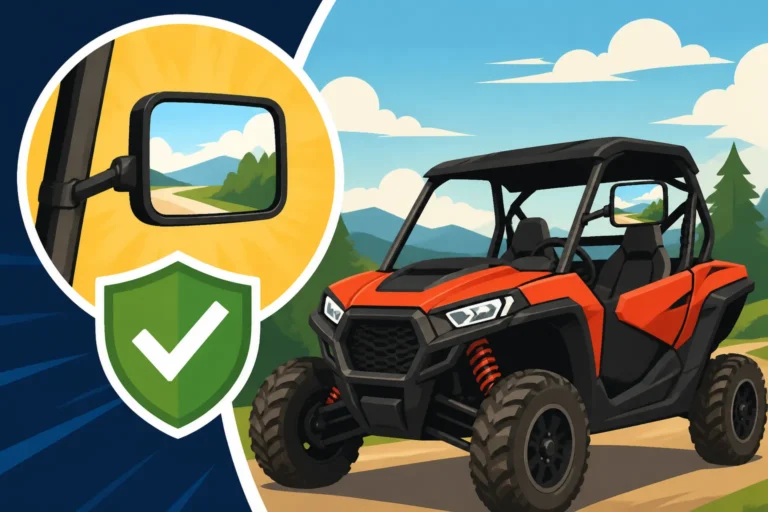
- Rear-View Mirror: At least one rear-view mirror is typically required, allowing you to see traffic approaching from behind. Many riders opt for two mirrors for better visibility, particularly on wider side-by-sides. If your machine didn't come with one, don't worry, there are plenty of easy-to-install options available.
- Spark Arrester: While not strictly for "street legal" status, a properly functioning spark arrester is always required on New Hampshire OHRVs to prevent forest fires, so make sure yours is in good shape.
- Muffler/Sound Limit: Your machine must have an adequate muffler to keep noise levels within the legal limits. Excessive noise is a quick way to draw negative attention and potentially get pulled over.
- Registration and Decals: Your OHRV must be currently registered in New Hampshire, with the proper decals displayed. An unregistered machine on a public road is a definite no-go. For more on what's required, check out [New Hampshire OHRV Decal Placement].
Failing to have the proper equipment isn't just about a potential fine; it's about safety. Without proper lighting, you're a hazard at night. Without a mirror, you can't safely change lanes or merge. Make sure your machine is ready for the road before you hit Main Street. You can find more specific details about these requirements in [New Hampshire Equipment Rules for Road Riding].
The Importance of Yielding and Road Etiquette
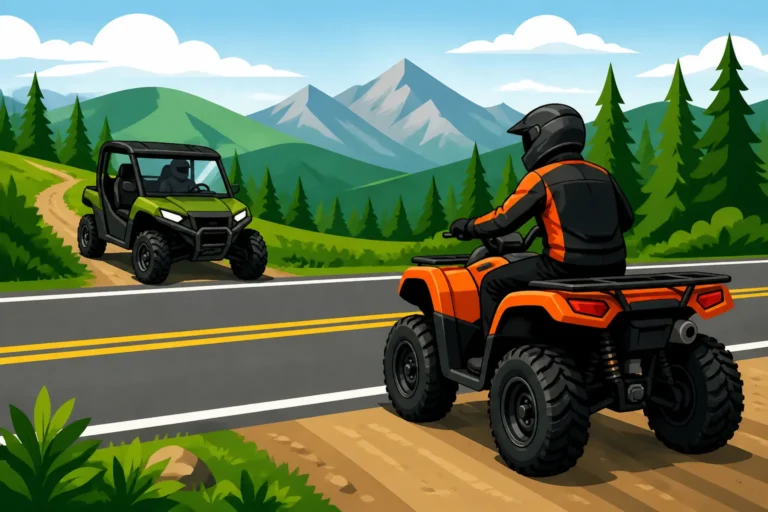
When you're riding your OHRV on Gorham's Main Street, you are absolutely sharing the road with conventional motor vehicles. This isn't a segregated trail; it's a bustling public street. Therefore, exercising proper road etiquette and yielding to other traffic is not just polite, it's a legal requirement and crucial for safety.
- Yield to Cars: Always assume cars have the right-of-way unless otherwise specified by traffic signs or signals. This means pulling over to the right to allow cars to pass you, especially if you're moving slower than the flow of traffic. An OHRV can be a bit of a novelty on a main street for some drivers, and it’s always best to be courteous and predictable. Think about it as if you were riding a bicycle, perhaps a high-performance e-bike, down a busy street. You wouldn't expect cars to yield to you automatically. You'd move to the far right and let faster traffic go by. This is exactly the mindset you need with your OHRV. Read more about [Riding the Far Right of a Town Road].
- Stop at Stop Signs and Traffic Lights: This seems obvious, but sometimes riders get into a "trail mentality" where stop signs are more of a suggestion. Not on Main Street. Treat every stop sign and traffic light as if you were in a car. Come to a complete stop, look both ways, and proceed only when it's safe.
- Use Turn Signals: If your machine has turn signals (which it should for street legal riding), use them! Clearly indicating your intentions to turn or change lanes helps other drivers anticipate your movements and prevents accidents. If your machine doesn't have them, consider aftermarket options from brands like SuperATV that integrate seamlessly.
- Pedestrian Awareness: Gorham is a walkable town. You'll encounter people crossing the street, walking on sidewalks, and entering/exiting businesses. Be extra vigilant for pedestrians, especially children or those who might not expect an OHRV to be on the road. Always yield to pedestrians in crosswalks.
- Be Predictable: Avoid sudden movements, erratic lane changes, or swerving. Drive in a straight line, signal your turns, and generally make your intentions clear to other road users. Being predictable is one of the best ways to ensure safety on shared roads.
- Road Crossings: When you're crossing a major highway like Route 2 or Route 16, even if it's within town limits, you need to exercise extreme caution. These are high-speed roads, and you must adhere to specific rules, often involving stopping completely and crossing at a ninety-degree angle only when safe. You can find more details on [New Hampshire Rules for Crossing a Highway].
Remember, every OHRV rider on Main Street is an ambassador for the entire community. Ride courteously, safely, and legally to help keep these streets open for everyone to enjoy.
Planning Your Gorham Ride: From Trailhead to Town
One of the greatest benefits of Gorham's open street policy is the seamless integration of its trail system with the town center. This allows for incredibly convenient multi-part adventures, letting you explore the natural beauty of the White Mountains and then easily access the comforts and services of a welcoming town. Proper planning ensures a smooth transition and a stress-free experience.
Connecting to Main Street from Local Trails
Gorham is ideally situated within the vast Ride the Wilds trail network, which means you have hundreds of miles of trails to explore. The beauty of Gorham is how these trails often lead directly to the town's designated OHRV-friendly roads, including Main Street. You'll typically find clearly marked access points where the trails meet the pavement.
For instance, many popular trails, like sections of the Success Trail or the Gorham club trails, will have designated connectors that allow you to exit the off-road environment and enter the town's OHRV-permitted road system. These connections are designed to be intuitive, but it's always a good idea to have a current trail map—either a physical one or a GPS app—to guide you. Knowing which specific trails link up to the town's open roads will save you a lot of guesswork and ensure you stay on legal routes. For example, some trails might exit onto a Class VI road that eventually leads to Main Street. Ensure you understand the specific limitations and conditions of these roads, as not all segments will be open to OHRVs. Keep an eye out for signage that designates where OHRVs are allowed and where they are not. When planning your route, consider how much time you want to spend on the trails versus in town. You might plan a morning ride, then come into Gorham for lunch, refuel, and head back out for an afternoon loop. This flexibility is what makes Gorham so appealing to riders.
Parking, Fuel, and Food in Town
Once you've made it onto Main Street, you'll find Gorham is well-equipped to cater to OHRV riders. The town understands that riders need places to park, fuel up, and grab a bite to eat.
- Parking: While you can't just park anywhere, Gorham has designated OHRV parking areas. A prime example is the parking available at the Eastern Depot in Gorham, which often serves as a central hub for riders. Some businesses also have OHRV-friendly parking spaces. Always look for signage indicating where OHRVs are permitted to park. Don't park on private property unless you have explicit permission, and avoid blocking entrances, fire lanes, or pedestrian walkways. It's about respecting the town and its residents.
- Fuel: There are several gas stations conveniently located right on or just off Main Street, making it incredibly easy to top off your tank without having to trailer your machine. This is a huge advantage, especially on longer rides where range anxiety can be a real issue. Just pull up to the pump like any other vehicle.
- Food and Amenities: Gorham boasts a variety of restaurants, diners, and cafes, many of which are accustomed to OHRV riders. You'll find everything from quick grab-and-go options to sit-down meals. Many places will have outdoor seating or parking that makes it easy for riders. There are also stores for supplies, pharmacies, and other amenities you might need during your trip. The goal is to make it as convenient as possible for riders to support local businesses. This symbiotic relationship is a big reason why the town embraced OHRV access in the first place. You can literally ride right up to a local eatery, tie on the feed bag, and then be back on the trails within minutes.
When mapping out your day, factor in time for these stops. Knowing where you can park, fuel, and eat takes the stress out of the ride and lets you focus on enjoying the beautiful scenery and welcoming atmosphere.
Common Pitfalls and How to Avoid Them on Gorham's Roads
While Gorham offers incredible freedom for OHRV riders, there are common mistakes that can quickly turn a great day into a frustrating one. Understanding these pitfalls and how to avoid them is just as important as knowing the rules themselves. Being prepared and respectful goes a long way in ensuring a positive experience for both riders and the Gorham community.
Understanding Time Restrictions and Curfews
It's tempting to think that since Main Street is open, you can ride your OHRV there at any time of day or night. However, this is usually not the case. Many towns with OHRV access on public roads, including Gorham, implement specific time restrictions or curfews. For instance, you might find that OHRV access on town roads is only permitted between certain hours, such as sunrise to sunset, or from 7 AM to 10 PM. Berlin, another OHRV-friendly town nearby, is well-known for its [Berlin's Ten O'Clock Closing] policy.
These curfews are put in place for various reasons, including noise control, public safety during low visibility, and to minimize disturbance to residents. Riding outside of these designated hours can result in a fine and create a negative perception of OHRV riders in the community, potentially leading to stricter rules in the future. Always check the local ordinances for Gorham before you plan any early morning or late-night excursions on the town roads. The New Hampshire Bureau of Trails website or a quick call to the Gorham town office or police department can provide the most current information. Don't assume; always verify. An easy way to think about it is that if you wouldn't be comfortable with a loud motorcycle idling outside your bedroom window at 3 AM, the town probably doesn't want an OHRV doing it either.
Decal and Registration Enforcement
This might sound like a broken record, but it bears repeating: your OHRV must be properly registered in New Hampshire, and your decals must be current and correctly displayed. This is not just a "good idea" for riding on trails; it's an absolute necessity for riding on public roads in Gorham. Law enforcement officers, whether local Gorham police or Fish and Game officials, have the authority to stop and ticket OHRV operators on town roads just as they would any other vehicle.
An unregistered machine, or one with expired or improperly displayed decals, is a red flag. The penalties for riding an unregistered OHRV can be significant, including substantial fines. This is especially true on paved roads where the visibility of your decals is even more critical. Make sure your current New Hampshire OHRV decal is affixed to your machine in the designated spot, typically on the front fender or windshield, and that your registration certificate is with you (or easily accessible) when you ride. Sometimes, riders forget that even if they're just making a short run into town, the rules still apply. It's not worth the risk. Always ensure your registration is up to date, and you understand the [New Hampshire OHRV Registration Cost] and process. Don't give an officer a reason to pull you over.
The Consequences of Deviating from Designated Routes
Gorham's "open streets" policy is specific: only certain roads are designated for OHRV use. This means you cannot just wander off Main Street onto any other town road that looks appealing. The town has gone through a rigorous process to open specific routes, and deviating from these can land you in serious trouble.
- Stay on Marked Roads: Stick to the clearly marked OHRV routes. These are often indicated by signs with the OHRV symbol. If a road doesn't have such a sign, assume it's not open to OHRVs. This applies to side streets, residential roads, and any other routes not explicitly designated.
- No Sidewalks or Parking Lots (Unless Designated): Generally, OHRVs are not allowed on sidewalks or in private parking lots unless there's a specific, posted designation allowing it (for example, a business might have a special OHRV parking area). Treat sidewalks as pedestrian-only zones.
- Private Property: Absolutely never ride on private property without explicit permission from the landowner. This is a trespass violation and can have severe consequences, including legal action.
The reason for these strict boundaries is simple: maintaining safety and minimizing conflicts between OHRV riders, residents, and other road users. When riders go off-route, it can create safety hazards, cause damage, and generate complaints from residents, which ultimately threatens the privilege of OHRV access for everyone. Be a responsible rider. Respect the designated routes, and remember that [New Hampshire Fines for an Unregistered OHRV] or riding on closed roads can be quite hefty. By understanding and avoiding these common pitfalls, you help preserve the incredible riding opportunities that Gorham offers and ensure that Main Street remains a welcoming place for OHRV enthusiasts for years to come.
Disclaimer
This article is for general informational purposes only and does not constitute professional advice. Laws, prices and regulations vary by location and change over time. Consult a qualified professional for guidance on your specific situation.