Riding a Rail Trail in the South
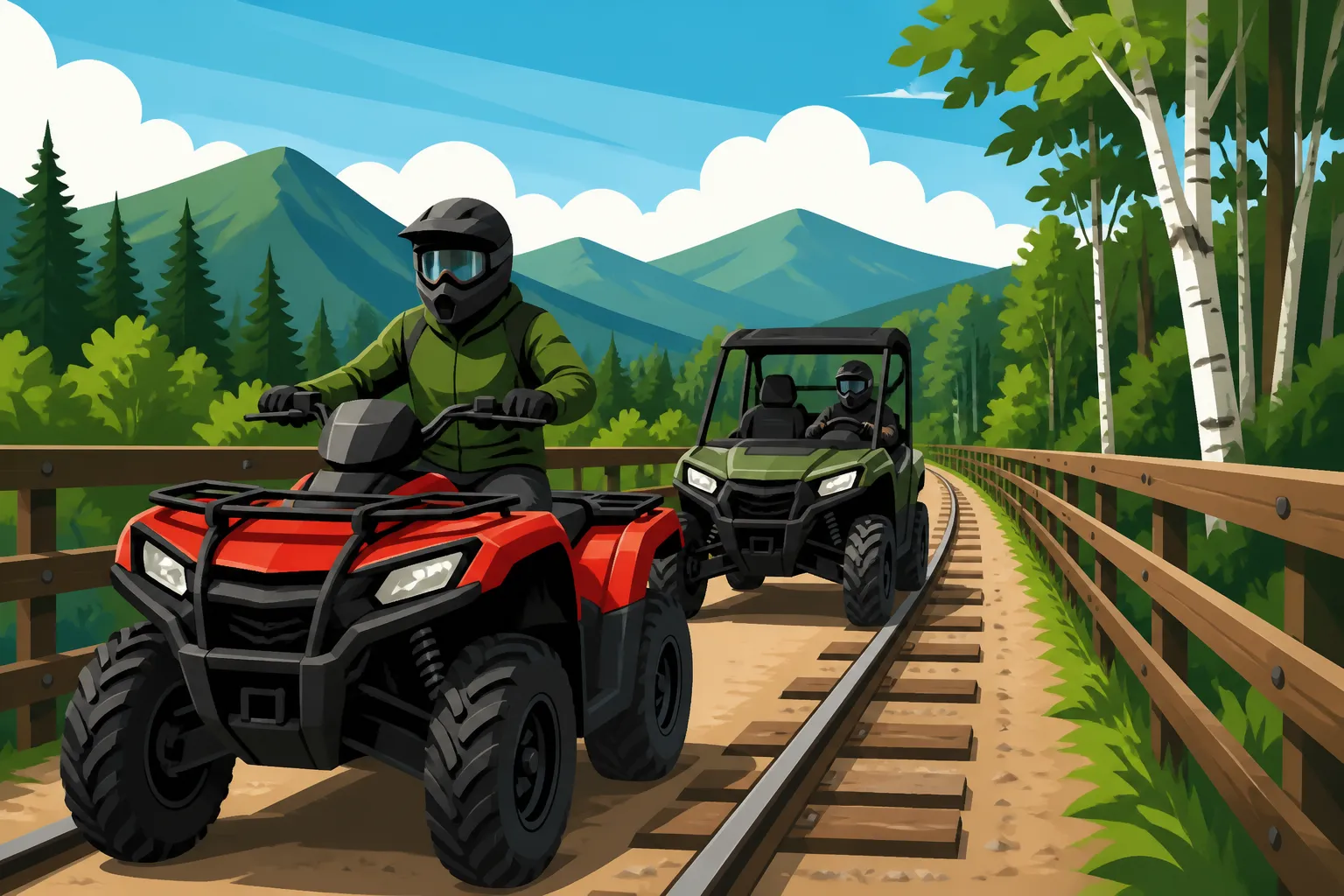
Riding an ATV or UTV in New Hampshire usually brings to mind the expansive, rugged trails of the North Country, places like Ride the Wilds or Jericho Mountain. But for many riders closer to the state's southern border, or those looking for a different kind of scenic adventure, the question often arises: what about the rail trails down south? It can be incredibly frustrating when you're itching to ride, but all the advice seems focused on destinations hours away, leaving you wondering if your machine is welcome closer to home. This guide will walk you through the ins and outs of navigating and enjoying New Hampshire's southern rail trails with your OHRV, exploring which ones are open, the rules you need to follow, and how to make the most of your ride.
The Unique Charm of Southern New Hampshire Rail Trails for OHRVs
There's a distinct vibe to riding in Southern New Hampshire, especially on its rail trails. It’s a completely different experience than tackling the rocky climbs and dense forests of Coos County. If you're used to the challenging terrain further north, you might find the rail trails a welcome change of pace, offering smoother, often flatter routes that connect charming towns and provide a glimpse into the region's history. But this unique charm comes with its own set of considerations, especially concerning machine size and shared-use etiquette.
Why Southern Rail Trails Offer a Different Ride
Southern New Hampshire's landscape changes significantly from its northern counterparts. Here, you're more likely to encounter rolling hills, open farmland, and smaller, more populated towns, all interwoven with a network of historical rail corridors that have been converted into multi-use trails. These trails are often a fantastic option for families, new riders, or anyone simply looking for a less technical, more relaxed ride. They tend to be wider and less steep than many mountain trails, making for a comfortable cruising experience where you can really take in the scenery. Imagine an autumn ride where the leaves explode with color, all from the comfort of your side-by-side, without constantly worrying about navigating challenging obstacles.
These trails also boast a rich history. As you ride, you're traveling along routes that once carried trains laden with timber, granite, or passengers, connecting communities that might now feel quite separate. This historical context adds a layer of depth to your ride, making it more than just a trip from point A to point B. Many of these trails seamlessly integrate into the fabric of local towns, offering easy access to amenities, which is a big plus that we'll dive into later.
Navigating the Hurdles: Width, Use, and Local Rules
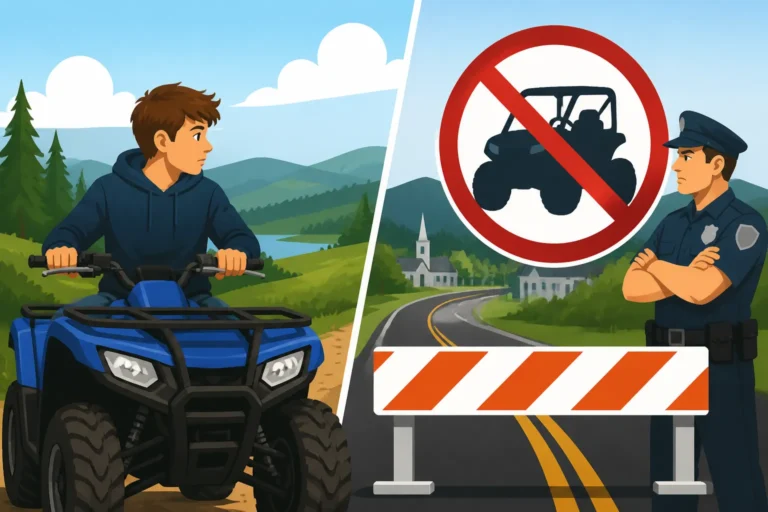
While the southern rail trails offer a great opportunity for OHRV enthusiasts, they also present specific challenges that riders need to be aware of. The biggest hurdle, by far, for many UTV owners, especially those with wider machines, is the strict width limitation often enforced on these trails. Many rail trails, particularly in the more developed parts of the state, maintain a 50-inch width limit. This can be incredibly frustrating if you've invested in a modern side-by-side that easily exceeds this measurement. You might even have aftermarket accessories from companies like SuperATV that enhance your machine's capabilities, but if they push you over the width limit, you're out of luck on these specific trails.
Beyond width, there are often specific operating hours, seasonal closures, and shared-use rules that differ from the more remote trails up north. You'll be sharing these corridors with hikers, cyclists, equestrians, and sometimes even snowmobilers in the winter, so understanding and respecting these diverse user groups is absolutely critical for maintaining access. It's not uncommon for sections of rail trails to close temporarily for maintenance or due to environmental concerns, especially during mud season in spring. Always check trail conditions before you head out; a quick online search or a call to a local club can save you a wasted trip and help avoid potential fines.
Spotlight on Southern New Hampshire's OHRV-Friendly Rail Trails
When it comes to specific rail trails in Southern New Hampshire that welcome OHRVs, you'll find a few key players. It's crucial to remember that not every rail trail in the state is open to motorized vehicles, and those that are often have very specific rules. Doing your homework before you load up your machine is non-negotiable.
The Rockingham Rail Trail and Beyond
One of the most notable OHRV-friendly rail trails in the southern part of the state is the [The Rockingham Rail Trail in New Hampshire]. This trail offers a fantastic opportunity to ride through several towns, stretching from Manchester eastward. It's a true multi-use path, so you'll definitely encounter other users, but it provides miles of relatively flat, accessible riding. The scenery changes as you go, from more wooded sections to stretches that pass through small-town centers. Keep an eye out for places where you can easily pull off and grab a bite to eat or refuel in one of the towns it passes through.
Another excellent option is [The Sugar River Rail Trail in New Hampshire]. Located further west in Sullivan County, this trail offers a similarly pleasant experience, connecting communities like Newport and Claremont. It's known for its scenic views, especially along the river, and often provides a slightly more secluded feel than some of the trails closer to more populated areas. These rail trails are invaluable because they offer organized, legal riding opportunities in a part of the state where traditional, rugged OHRV trails are less common. They provide a vital link for local riders and those visiting who want to explore a different side of New Hampshire.
Decoding the Rules: Width, Speed, and Shared Spaces
Understanding the specific rules for riding on these rail trails is paramount. As mentioned, the width limit is probably the most restrictive for many modern side-by-sides. While some trails might accommodate up to 65 inches, many southern rail trails strictly adhere to a 50-inch maximum. This means if your UTV is wider than this, even by a few inches, you cannot legally ride it on that trail. This is not a suggestion; it's a rule enforced by conservation officers, and violations can lead to significant fines. It's worth measuring your machine, bumper to bumper, and tire edge to tire edge, before you even think about trailering south.
Speed limits on rail trails are also critical. Because these are shared-use paths, and often pass through residential areas or town centers, the speed limits are generally much lower than on dedicated, remote OHRV trails. Expect limits of 10-25 mph, and sometimes even slower in congested areas. Always be prepared to yield to pedestrians, cyclists, and equestrians. They have the right-of-way, and a courteous wave goes a long way in fostering good relations between user groups. Remember, these trails are often [New Hampshire Trails With a 50-Inch Limit], and sometimes [New Hampshire Trails That Exclude Trail Bikes] in certain sections, so check local signage and trail maps carefully.
Here's a quick overview of common rail trail considerations:
| Feature/Rule | Common on Southern NH Rail Trails | Impact for Riders |
|---|---|---|
| Width Limit | Often 50 inches, sometimes up to 65 inches on specific trails. | Critical for UTV owners; measure your machine carefully. |
| Speed Limit | Typically 10-25 mph, lower in developed or high-traffic areas. | Emphasizes a leisurely, scenic ride; be prepared to go slow. |
| Shared Use | Multi-use with hikers, cyclists, equestrians. | Yield to all other users; maintain respectful distance and speed. |
| Operating Hours | Generally dawn to dusk, but specific local ordinances may apply, especially near towns. | Plan your ride to avoid being on the trail after dark or before sunrise. |
| Registration | Required for all OHRVs, resident and nonresident. | Mandatory; [Registering an OHRV in New Hampshire] is your ticket to ride. |
| Safety Cert. | Required for riders under 18 (unless they have a driver's license). | Important for younger riders; plan for [New Hampshire Safety Education Requirements]. |
| Trail Etiquette | Stay on marked trails, no littering, respect private property. | Essential for preserving access and maintaining good relations with landowners. |
Practical Tips for Your Southern Rail Trail Adventure
Embarking on a rail trail adventure in Southern New Hampshire requires a bit of preparation, but the payoff of a unique and enjoyable ride is well worth it. From ensuring your machine is ready to ride to understanding the unspoken rules of the trail, a little foresight can prevent headaches and enhance your experience.
Your Pre-Ride Checklist and Essential Gear
Before you even hitch up the trailer, give your OHRV a thorough once-over. Check your tire pressure – many rail trails are smoother, so you might adjust your pressure slightly for comfort, but always stay within manufacturer recommendations. Top off your fluids, inspect your brakes, and make sure all lights are functioning, especially if you anticipate riding near dawn or dusk. Always carry your current registration and certificate with you; getting stopped without your [New Hampshire OHRV Registration Paperwork] can quickly turn a fun ride into a frustrating one.
For your personal gear, remember these trails are often accessible, but that doesn't mean you should skimp on safety. While New Hampshire doesn't require helmets for adults over 18, it's always a smart idea, especially on shared trails where unexpected encounters can occur. Eye protection is a must, even if your machine has a windshield. Carry water, a basic first-aid kit, and a small tool kit for minor repairs. A map (digital or paper) of the specific rail trail and surrounding area is invaluable, as cell service can still be spotty in some wooded sections. Consider accessories from brands like SuperATV that could enhance your comfort and storage, such as a secure cargo box for your essentials or a sturdy set of mirrors for better visibility on shared paths.
Respecting the Trail, the Land, and Your Fellow Users
This point cannot be stressed enough: the future of OHRV access on rail trails, especially in more populated southern areas, hinges entirely on respectful riding. Speeding, excessive noise, or riding off-trail can quickly lead to trail closures and resentment from other users and landowners. Adhere strictly to posted speed limits, especially when passing pedestrians or cyclists. Give them a wide berth, slow down, and offer a friendly greeting. Remember that for many, these trails are their local walking or biking paths, and our OHRVs are guests.
Always stay on marked trails. [New Hampshire Rules for Riding Off a Marked Trail] are clear: it's trespassing, and it damages the environment and landowner relations. If a section is closed, whether for mud season, maintenance, or hunting, respect that closure. Parking areas and staging points should be kept clean, and all trash should be carried out with you. The continued success of OHRV use on these shared corridors depends on every rider acting as a responsible ambassador for the sport.
Connecting to Local Amenities and Wider Networks
One of the often-understated benefits of riding Southern New Hampshire rail trails is their connection to local communities. Unlike vast, remote trail systems, these corridors often lead directly into, or run alongside, charming New England towns. This means easy access to gas stations, convenience stores, restaurants, and even local shops. Imagine riding for a few hours, then pulling right into a town for lunch, or topping off your fuel tank before heading back out.
This accessibility makes planning your ride much easier and more enjoyable. You don't always need to pack a massive cooler or worry about carrying extra fuel if you know there's a convenient stop along the route. Some towns even have designated OHRV parking areas or allow OHRV access on specific roads to connect to amenities. Always check local town ordinances, as [New Hampshire Towns That Allow OHRVs on Roads] are still relatively rare, but where they do exist, they significantly enhance the riding experience.
Registration, Safety, and the Future of Southern NH OHRV Riding
Just like anywhere else in the state, enjoying New Hampshire's southern rail trails on your OHRV means adhering to all state laws regarding registration and safety. These aren't just bureaucratic hurdles; they are fundamental to maintaining access and ensuring a safe, sustainable riding environment for everyone.
Why Your Registration Is Non-Negotiable
Every OHRV operated on public or private land (other than your own property) in New Hampshire must be currently registered. This is not just a suggestion; it's the law. Whether you're a resident or a visitor, your machine needs to be properly registered. The process for [Registering an OHRV in New Hampshire] is straightforward, and the fees collected go directly back into the trail system through the New Hampshire Bureau of Trails, funding maintenance, signage, and new trail development. When you see a well-maintained rail trail, know that your registration dollars played a part in making that possible.
Riding an unregistered machine is a sure way to incur [New Hampshire Fines for an Unregistered OHRV] and can even result in your machine being impounded. It's a risk not worth taking, especially when you're riding in more populated areas where law enforcement patrols are more common. Make sure your decals are correctly placed and visible, as they are your proof of registration.
Prioritizing Safety: Certificates, Helmets, and Awareness
Safety should always be your top priority, no matter where you ride. For riders under the age of 18, [New Hampshire Safety Education Requirements] mandate an OHRV safety certificate unless they hold a valid driver's license. Even if you're an adult and legally don't need a helmet, it's always recommended, especially when sharing trails with other users and dealing with varying surfaces. Eye protection is absolutely essential.
Beyond legal requirements, practicing common sense safety is crucial. Always ride within your skill level and the capabilities of your machine. Keep a safe distance from other OHRVs and trail users. Be extra cautious at intersections, driveways, and anywhere the trail might cross a road. Many rail trails cross or run adjacent to roads, so understanding [New Hampshire Rules for Crossing a Highway] or minor roads is vital to avoid accidents. Communicate with your riding group, let someone know your planned route and expected return time, and carry a fully charged phone.
The Bigger Picture: Sustaining Access in the South
The ability to ride OHRVs on Southern New Hampshire's rail trails is a privilege, one that has often been hard-won through the efforts of local clubs and advocates. Unlike the vast, undeveloped tracts of the North Country, land in the south is more fragmented, more populated, and often more contentious when it comes to shared-use recreational activities. This means that every single rider's actions have a direct impact on the future of OHRV access.
By being exemplary stewards of the trails, respecting all rules and fellow users, and supporting local OHRV clubs (many of whom volunteer countless hours to maintain these trails), we help ensure these unique riding opportunities remain open. The future of [New Hampshire OHRV Permits Explained] and access in the southern part of the state truly lies in the hands of the riding community. Let's make sure we preserve it for generations to come.
Disclaimer
This article is for general informational purposes only and does not constitute professional advice. Laws, prices and regulations vary by location and change over time. Consult a qualified professional for guidance on your specific situation.