New Hampshire Rules for an Unlicensed Adult Rider
It's a common misconception that you need a driver's license to hop on your ATV or UTV and hit the trails in New Hampshire. Many adults, perhaps those who don't drive cars or simply haven't gotten around to getting a license, feel left out of the exciting world of off-highway recreational vehicles (OHRVs). But I'm here to tell you that in the Granite State, being an unlicensed adult doesn't automatically sideline you from enjoying the vast network of trails. This guide will clarify exactly what New Hampshire requires for adult riders who don't hold a driver's license, ensuring you can ride legally and confidently.
Can an Unlicensed Adult Really Ride an OHRV in New Hampshire?
Absolutely, yes! This is often the first question on many people's minds, and it's a valid one. After all, most states link vehicle operation directly to a driver's license. New Hampshire, however, takes a slightly different approach when it comes to OHRVs like ATVs and UTVs. You might be surprised to learn that a valid motor vehicle driver's license isn't universally required for OHRV operation on designated trails or roads open to OHRVs. This distinction is crucial for many adults who are eager to experience the thrill of the ride but may not have a traditional driver's license.
Dispelling the Myth of a Driver's License Requirement
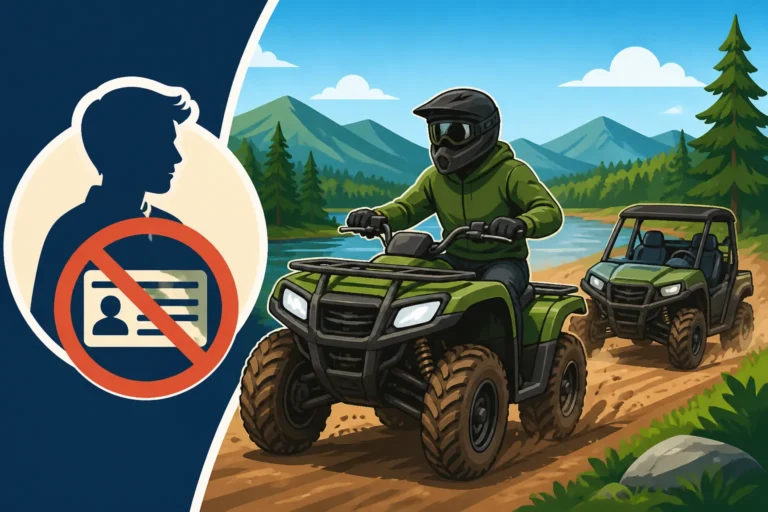
Let's clear the air right away: you do not need a standard driver's license to ride an OHRV on New Hampshire's public trails. This is a huge relief for many and opens up the sport to a wider audience. The law understands that operating an ATV or UTV off-road or on designated OHRV routes is a different skill set than driving a car on paved roads. Because of this, the state focuses more on specific OHRV safety education rather than general road driving proficiency. So, if you've been holding back, thinking your lack of a car license was a barrier, you can set that worry aside. The emphasis is squarely on safe and responsible OHRV operation, not on your ability to parallel park.
The "Why" Behind New Hampshire's Approach
New Hampshire's forward-thinking approach is rooted in promoting access to its incredible natural resources and supporting its thriving recreational economy. By not strictly requiring a driver's license, the state encourages participation in OHRV recreation, which in turn helps fund trail maintenance and development through registration fees. It also acknowledges that many people use OHRVs for purposes other than street travel, such as accessing remote property, hunting, or simply enjoying the outdoors. The focus is on ensuring riders understand the unique challenges and responsibilities of OHRV operation. This means demonstrating competence and awareness specific to the machine and the environment it's used in, rather than general road rules. It’s a pragmatic solution that keeps trails accessible while still prioritizing safety through other means.
Understanding Who is Considered an "Adult" for OHRV Purposes
When we talk about an "unlicensed adult rider" in New Hampshire, we're specifically referring to anyone 18 years of age or older who does not possess a valid motor vehicle driver's license. The age of 18 is a key threshold in New Hampshire OHRV law. Below this age, different rules apply regarding supervision and safety certificates, as detailed in [New Hampshire's Certificate Rule at Age 12]. For an adult, the regulations simplify quite a bit, though a critical requirement still stands, which we'll dive into next. This adult designation ensures that riders are legally capable of entering into agreements, understanding waivers, and generally being held responsible for their actions on the trail, even if they don't have a driver's license.
The New Hampshire OHRV Safety Certificate: A Must-Have for Unlicensed Adults
While a driver's license isn't necessary, there is a critical piece of documentation you absolutely must obtain if you're an adult riding an OHRV in New Hampshire without a valid driver's license: the OHRV Safety Certificate. This isn't a suggestion; it's a legal requirement designed to ensure everyone on the trails has a foundational understanding of safe operation and state regulations. Think of it as your official "license" to ride OHRVs, specifically tailored to the unique environment of off-road recreation. It's the state's way of verifying that you've received the necessary education to operate these machines safely.
What the Safety Certificate Entails
The New Hampshire OHRV Safety Certificate is proof that you've completed a state-approved safety education course. This course covers a comprehensive range of topics essential for safe OHRV operation, including:
- Machine Controls and Operation: Understanding how your ATV or UTV works, from throttle control to braking and steering.
- Riding Techniques: Proper body positioning, handling various terrain, and navigating obstacles safely.
- Trail Etiquette: Rules of the trail, respecting other riders, and minimizing environmental impact.
- New Hampshire Laws and Regulations: What's permitted, what's prohibited, speed limits, age restrictions for passengers, and more. This is crucial for avoiding violations and fines.
- Emergency Procedures: What to do in case of an accident, breakdown, or medical emergency.
The goal is to equip you with the knowledge to ride defensively and responsibly, protecting yourself, your passengers, and others on the trail. It's not just about passing a test; it's about internalizing best practices that can prevent accidents and ensure everyone has a positive experience. The good news is that [One Certificate for OHRV and Snowmobile] often means your hard work pays off for multiple recreational activities!
How to Obtain Your New Hampshire OHRV Safety Certificate
Getting your safety certificate is a straightforward process, and New Hampshire offers a couple of convenient options to fit your schedule and learning style.
1. Online Course: This is a popular choice for many adult learners. You can complete the course at your own pace from the comfort of your home. These courses are typically interactive and conclude with an exam. While there's a fee associated with them, as highlighted in [The Online OHRV Safety Course Costs $34.95], the flexibility often makes it worth it. Just make sure the online provider is approved by the New Hampshire Fish and Game Department.
2. Classroom Course: For those who prefer a more traditional learning environment, classroom courses are also available. These are often offered free of charge and provide an opportunity for hands-on learning and direct interaction with instructors. You can find information about these options in resources like [The Free Classroom Course in New Hampshire]. These courses are excellent for asking questions and clarifying any ambiguities you might have.
Once you successfully complete either course, you'll receive your official New Hampshire OHRV Safety Certificate, which you must carry with you whenever you're operating an OHRV. This is your proof of compliance with [New Hampshire Safety Education Requirements]. It’s important to note that while a driver's license can substitute for the safety certificate requirement for those who have one (as explained in [Why a Driver's License Substitutes in New Hampshire]), if you don't have that license, the certificate is your indispensable alternative.
The Practical Benefits Beyond Just Compliance
Obtaining your OHRV Safety Certificate isn't just about checking a box for legal compliance; it genuinely makes you a safer and more confident rider. The knowledge you gain can prevent accidents, help you navigate challenging terrain, and ensure you're aware of crucial regulations, saving you from potential fines. For example, understanding how to properly execute a hill climb or descent, or how to cross a stream safely, can be the difference between a great day and a costly mishap. The course teaches you how to maintain control of your machine, even when conditions are less than ideal. This foundational knowledge also extends to understanding important equipment like proper tire pressure, or even where to find reliable aftermarket parts from companies like SuperATV that might enhance safety or performance without violating regulations.
Navigating the Trails and Roads: Specific Rules for Unlicensed Adults
Once you have your OHRV Safety Certificate and a properly registered machine (remembering that you'll need to [Registering an OHRV in New Hampshire] regardless of your license status), you're ready to explore. However, riding comes with a specific set of rules, especially concerning where you can operate and what equipment you need. These rules are in place to ensure rider safety, protect the environment, and foster respectful coexistence with other trail users and landowners.
Trail Riding: Freedom Within Limits
New Hampshire boasts an incredible network of OHRV trails, particularly in the northern part of the state. As an unlicensed adult with a safety certificate, you have access to these trails, but always remember that "freedom" comes with "limits."
- Stay on Marked Trails: This is paramount. Riding off-trail can damage fragile ecosystems, disturb wildlife, and often constitutes trespassing. Respecting private land is crucial, and you should always adhere to [New Hampshire Rules for Riding Private Land], securing written permission if you ever intend to ride on unposted private property.
- Speed Limits and Conditions: Always observe posted speed limits and adjust your speed to conditions. Blind corners, mud, water crossings, and other riders all require caution. Just because the trail is open doesn't mean you should push your limits.
- Environmental Responsibility: Pack out what you pack in, avoid riding through sensitive areas, and be mindful of noise. Companies like SuperATV offer quality exhaust systems that comply with [New Hampshire OHRV Decibel Limit], ensuring your ride is enjoyable without disturbing others.
- Opening and Closing Dates: New Hampshire trails have specific opening and closing dates, often tied to mud season in spring and hunting season or winter snowmobile season in fall/winter. Always check trail status before you head out.
The trail system is a privilege, maintained by dedicated clubs and funded in part by your registration fees. Responsible riding helps ensure these trails remain open for everyone to enjoy for years to come.
Road Crossings and Designated OHRV Roads
This is where the nuances between driving a car and riding an OHRV become most apparent for unlicensed adults. While you don't need a driver's license for trail riding, operating on or crossing public roads has distinct requirements.
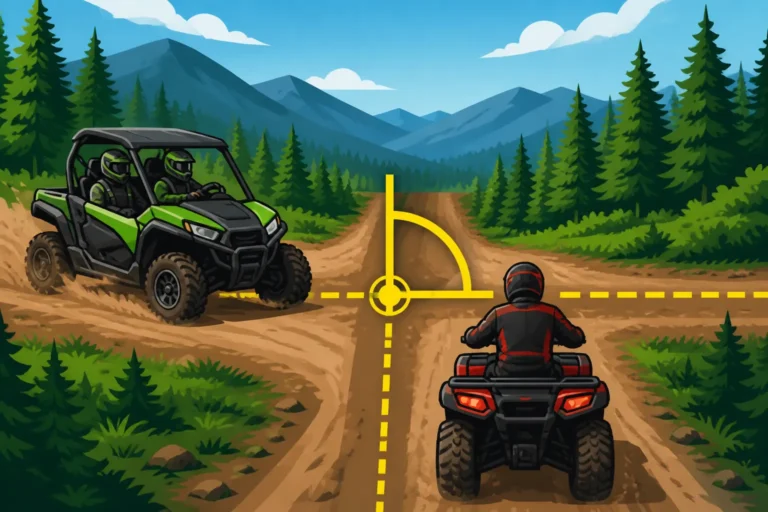
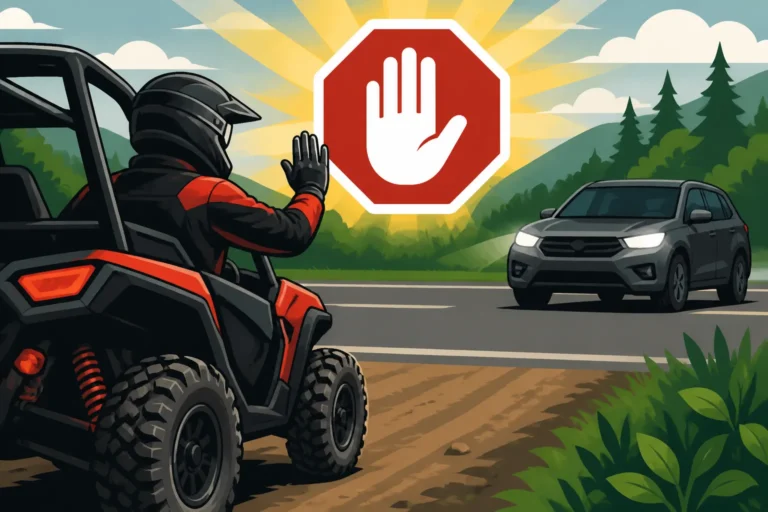
- Road Crossings: You will encounter situations where trails cross public roads. In New Hampshire, there are strict rules for these crossings. You must come to a complete stop, yield to all vehicular traffic, and cross at a 90-degree angle to the road. This isn't just a suggestion; it's a critical safety measure. [New Hampshire Rules for Crossing a Highway] lays out these requirements in detail. Treat every road crossing with the utmost seriousness.
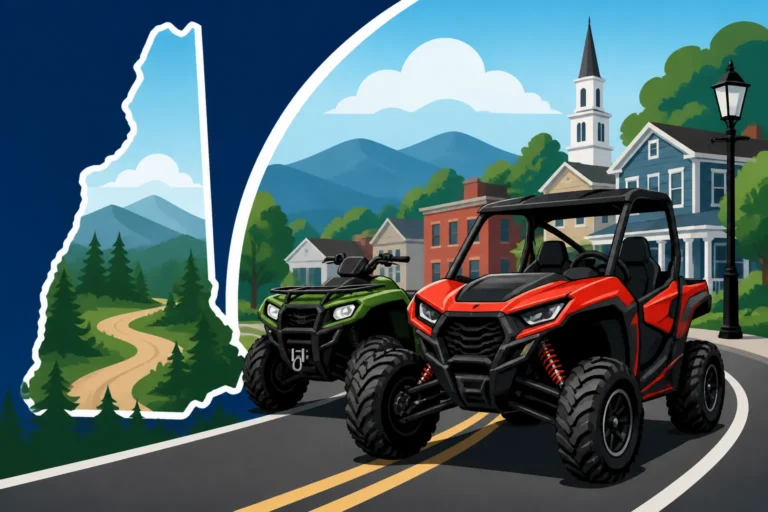
- Designated OHRV Roads: Some towns and municipalities in New Hampshire have opened certain public roads (typically Class VI, V, or occasionally IV highways) to OHRV traffic. When riding on these designated roads, even as an unlicensed adult, you must adhere to specific rules that often mirror those of conventional vehicles, such as staying to the far right, yielding to other traffic, and obeying speed limits. While a driver's license isn't required to be on these roads if designated, the general safety rules are paramount.
- Equipment for Road Riding: If you plan to use designated OHRV roads or perform road crossings, your machine must meet certain equipment standards. This includes working headlights, taillights, brake lights, and a rearview mirror. For example, SuperATV offers robust mirror kits and lighting solutions that can help your machine meet [New Hampshire Equipment Rules for Road Riding]. Always ensure your machine is properly equipped for any road interaction, no matter how brief.
Crucial Equipment and Adherence to Sound Limits
Beyond your safety certificate, having the right gear and ensuring your machine meets state standards is non-negotiable. This applies to all riders, licensed or not, and is especially critical for safety.
- Helmets: While adults 18 and over are generally exempt from helmet requirements on private land or designated trails in New Hampshire, it is always, always recommended. However, [Helmet Rules for New Hampshire Riders] do apply to all riders under 18. If you're riding with a younger passenger, they absolutely must wear a helmet. Many riders choose to wear helmets for their own protection, especially when tackling challenging terrain or riding at higher speeds.
- Eye Protection: Goggles or a face shield are essential to protect your eyes from dust, debris, insects, and branches. A windshield on your UTV can offer some protection, but dedicated eye protection is always a good idea.
- Proper Footwear and Clothing: Sturdy boots, long pants, and long-sleeved shirts can protect you from scrapes, burns, and impacts.
- Spark Arrestor: All OHRVs operating in New Hampshire must be equipped with a U.S. Forest Service-approved spark arrester. This is a vital piece of safety equipment that prevents hot carbon particles from escaping the exhaust and potentially starting a wildfire.
- Sound Limits: New Hampshire has strict sound limits for OHRVs. Your machine must not exceed 96 decibels. Aftermarket exhaust systems must comply with this limit. Loud machines can disturb wildlife, residents, and other trail users, leading to complaints and potential trail closures.
Table: Key Requirements for Unlicensed Adult OHRV Riders in New Hampshire
| Requirement | Description | Why it's Important |
|---|---|---|
| OHRV Safety Certificate | Mandatory for adults 18+ without a valid driver's license. | Ensures foundational knowledge of safe operation & state laws. |
| OHRV Registration | All OHRVs operating off private property must be registered. | Funds trail maintenance; legal right to ride public trails. |
| Helmet | Recommended for all adults; mandatory for riders under 18. | Crucial head protection in case of an accident. |
| Eye Protection | Mandatory (unless machine has a windshield) | Protects eyes from debris, dust, and elements. |
| Spark Arrestor | Mandatory for all OHRVs. | Prevents wildfires from exhaust sparks. |
| Sound Limit Compliance | OHRV must not exceed 96 decibels. | Reduces noise pollution, respects environment and other users. |
| Required Equipment | Headlights, taillights, brake lights, rearview mirror (for road use/crossing) | Essential for visibility and safety during road interactions. |
| Trail Etiquette | Stay on marked trails, yield to others, respect landowners. | Preserves trails, fosters positive relationships with communities. |
Riding with Companions and Staying Safe: Best Practices for Unlicensed Adults
While New Hampshire law doesn't explicitly state that an unlicensed adult needs a licensed companion to ride (that rule typically applies to minors, as referenced in [New Hampshire Rules for an Unlicensed Adult Rider]), riding with others, especially if you're new to the sport, is always a wise decision. Beyond legalities, safety and preparedness are paramount for every ride.
The Value of an Experienced Riding Partner
Even with your safety certificate in hand, there's no substitute for practical experience. Riding with an experienced OHRV enthusiast can provide invaluable on-the-spot learning. They can offer guidance on:
- Reading the Terrain: How to approach rocky sections, deep mud, or steep inclines and descents.
- Trail Navigation: Understanding trail markers, using maps or GPS devices (many riders use mounts for these from companies like SuperATV), and avoiding getting lost in unfamiliar territory.
- Troubleshooting: What to do if your machine breaks down, how to perform minor field repairs, or what to carry in a basic toolkit.
- Emergency Response: Having someone else there in case of an injury or a mechanical failure provides an immediate support system and often a quicker way to get help.
An experienced companion can also help you understand the flow of specific trail systems, like the vast Ride the Wilds network, making your initial rides much more enjoyable and less stressful. They can point out areas of interest, local hazards, and even the best places to grab lunch in a trailside town.
Understanding Liability and Responsibility
As an adult rider, even without a driver's license, you are fully responsible for your actions and any damage or injury you might cause. This includes adhering to all OHRV laws, respecting private property, and operating your machine safely. While New Hampshire does not require OHRV insurance, it is highly, highly recommended. An accident can lead to significant financial liability for medical expenses, property damage, or legal fees. A quick check with your insurance provider about personal liability coverage or specific OHRV policies is a prudent step before hitting the trails. Just because the state doesn't mandate it doesn't mean it's not a smart choice for peace of mind.
Pre-Ride Checks and Preparedness
Every successful and safe ride begins long before you even turn the key. A thorough pre-ride inspection and proper preparation are essential, regardless of your experience level.
- Machine Inspection (T-CLOC): Before each ride, check your:
- Tires: Pressure, tread, and condition.
- Controls: Throttle, brakes, steering, and clutch (if applicable) are functioning correctly.
- Lights & Electrics: Headlights, taillights, brake lights, and battery charge.
- Oil & Fluids: Engine oil, coolant, brake fluid levels.
- Chain/Drive Shaft: Proper tension and lubrication (if applicable).
- Also check your frame, suspension, and any accessories like winches from SuperATV to ensure they are secure.
- Fuel Up: Always start with a full tank of fuel. Plan your route and know where potential fuel stops are, especially on longer loops.
- Emergency Kit: Carry a small first-aid kit, basic tools, a tire repair kit, a small air pump, a tow strap, and a fully charged cell phone. Be aware that cell service can be spotty in some remote areas of New Hampshire.
- Navigation: Bring a map of the trail system you're riding, or use a reliable GPS device. Knowing your route and having a backup plan if you get turned around is crucial.
- Weather Awareness: Check the forecast before you go. Conditions can change rapidly in New Hampshire, especially in the mountains. Dress in layers and be prepared for rain, sun, or sudden drops in temperature.
By diligently following these guidelines, even as an unlicensed adult, you can confidently and responsibly enjoy the amazing OHRV opportunities New Hampshire has to offer. The state's laws are designed to welcome all riders who are committed to safety and respect for the trails and environment.
Disclaimer
This article is for general informational purposes only and does not constitute professional advice. Laws, prices and regulations vary by location and change over time. Consult a qualified professional for guidance on your specific situation.