Where New Hampshire OHRV Fees Go
It's a common question that crosses every rider's mind as they hand over their hard-earned cash at the registration counter: where exactly does all this money go? You work hard for it, and you want to know it's being put to good use, especially when it comes to keeping our beloved New Hampshire trails open and well-maintained. This guide is here to pull back the curtain and explain precisely how those New Hampshire OHRV registration fees are allocated, ensuring you understand the vital role your contribution plays in the future of riding in the Granite State.
The Big Picture: Understanding Your OHRV Fee Contribution
When you register your ATV, UTV, or dirt bike in New Hampshire, you're not just buying a sticker; you're investing in an entire ecosystem that supports the sport we all love. It's easy to look at the total and wonder about the breakdown, and the truth is, it's a multi-faceted system designed to keep our trails thriving, safe, and accessible. It's much more than just a bureaucratic line item; it's the financial lifeblood of the trail network.
The "Why" Behind the Fee Structure
Every state has its own way of funding its recreational programs, and New Hampshire's system for Off-Highway Recreational Vehicles (OHRVs) is built around a user-pays, user-benefits model. The fees collected directly from riders are channeled back into the services and infrastructure that make riding possible here. This approach ensures that the people who enjoy the trails are the ones contributing to their upkeep and expansion. Without these fees, the extensive network of trails we cherish simply wouldn't exist in its current form, leaving us with far fewer places to explore.
Moreover, these fees represent a commitment to preserving the unique riding experience New Hampshire offers. They demonstrate a collective dedication from the riding community to maintain access, promote responsible use, and ensure the longevity of the sport for generations to come. It’s a collective effort, and your registration fee is your part in that larger picture, keeping the wheels turning (or tracks spinning!) on our favorite routes.
The Different Components of the Registration Costs
It might seem like a single fee, but your OHRV registration cost is actually comprised of several distinct allocations, each serving a specific purpose. You'll notice different rates for residents, non-residents, club members, and even specific types of machines like snowmobiles, which typically have a slightly higher fee due to different maintenance needs and longer seasons. [New Hampshire OHRV Registration Cost] delves deeper into these specific figures. A small portion even goes towards administrative costs to process your registration and issue the decals, ensuring the system runs smoothly.
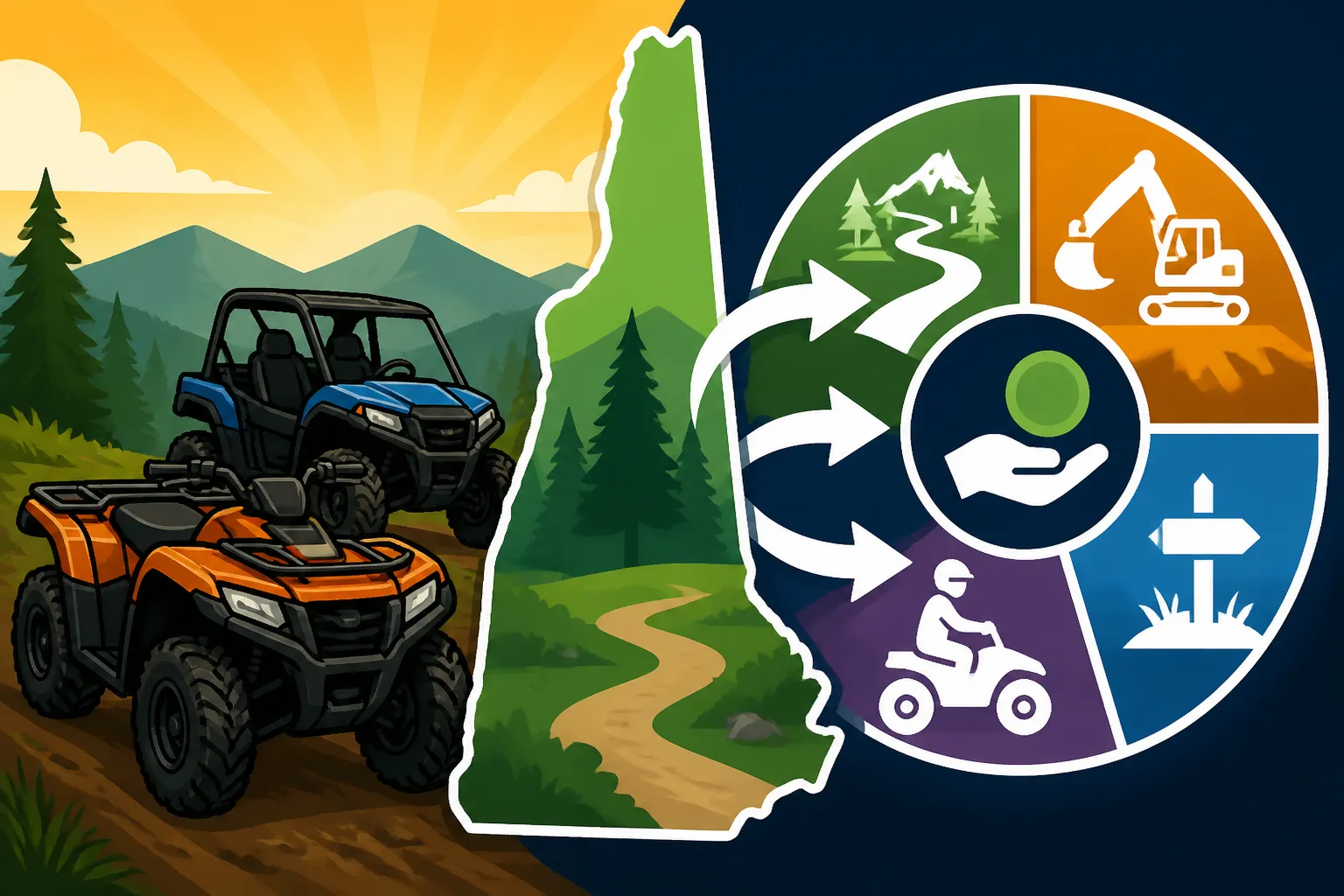
For instance, there’s a base fee for the registration itself, which covers the primary administrative and operational costs. Then, a portion is often earmarked specifically for the Bureau of Trails to fund their grant programs. You might also find a small sum dedicated to the Off-Highway Recreational Vehicle Fund, which is a broader pool of money used for various OHRV-related initiatives, from safety education to equipment purchases for trail maintenance crews. Understanding these layers helps demystify the total amount you pay and highlights the various critical functions it supports.
Fueling the Trails: The Bureau of Trails and Grant Programs
One of the most significant beneficiaries of your OHRV registration fees is the New Hampshire Bureau of Trails, a division of the Department of Natural and Cultural Resources. This agency is the backbone of the state's recreational trail system, working tirelessly to support and expand opportunities for riders across New Hampshire. Their role is absolutely critical in translating your registration dollars into tangible trail improvements.
Grant Programs for Trail Work and Infrastructure
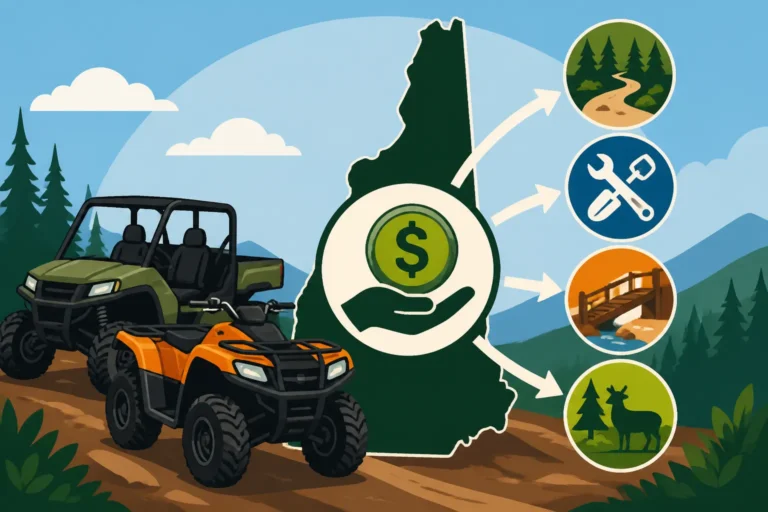
The Bureau of Trails administers grant programs that are directly funded by your registration fees. These grants are the financial engine for clubs and municipalities to undertake massive projects that would otherwise be impossible. We're talking about everything from routine brushing and clearing to major overhauls after a harsh winter or a particularly wet spring. When you see a newly graded section of trail or a sturdy new bridge spanning a stream, there's a good chance it was made possible, at least in part, by these grants.
These funds are crucial because maintaining hundreds of miles of diverse trails isn't cheap or easy. It requires heavy equipment, materials, and skilled labor, even when volunteers contribute thousands of hours. Clubs apply for these grants with detailed proposals, outlining the work needed and the expected costs. The Bureau reviews these applications, prioritizing projects that offer the most benefit to the riding community and align with state trail development plans. Without this direct funding mechanism, many of our favorite trails would quickly fall into disrepair, becoming unsafe or even impassable. [New Hampshire Trail Grants From Registration] provides more detail on how this process works.
Building Bridges, Adding Signage, and Enhancing Safety
Beyond routine maintenance, these grants also cover significant infrastructure improvements. Think about the countless bridges that allow us to cross rivers and wetlands, keeping our boots dry and our machines moving safely. These aren't just thrown together; they're engineered structures that require considerable investment. [Bridges Built With Registration Money] are often a direct result of these grant programs, ensuring sustainable and safe crossings for all riders.
Similarly, proper signage is vital for navigation, safety, and informing riders about rules and regulations. Whether it's a clear arrow pointing the way, a warning sign for a sharp turn, or information about trail closures, these signs are essential. [Signs Paid for by Registrations] are another key output of the fee money, making the trails more user-friendly and preventing accidents or trespassing. These infrastructure projects aren't just about convenience; they're fundamental to the overall safety and enjoyment of the trail system, ensuring that riders can confidently explore without getting lost or inadvertently entering restricted areas.
The Power of the Clubs: Trail Maintenance and Advocacy
While the Bureau of Trails provides the overarching framework and significant funding, the actual boots-on-the-ground work, the daily grind of keeping trails rideable, largely falls to the dedicated network of local OHRV clubs. These volunteer-driven organizations are indispensable, and a portion of your registration fees directly supports their efforts, often through matching grants and indirect funding.
Volunteer Efforts and How Clubs Secure Matching Funds
New Hampshire is incredibly fortunate to have a vibrant community of OHRV clubs whose members volunteer thousands of hours each year. These are the folks out there with chainsaws clearing fallen trees, shovels digging out culverts, and heavy equipment grading sections of trail. [Who Cuts and Maintains a Volunteer Club Trail] is a testament to the passion and dedication of these individuals. While their labor is free, the equipment, fuel, and materials they use are not. Your registration fees, via the grant system, often act as matching funds, amplifying the impact of every volunteer hour.
For example, a club might invest a certain amount of their own raised funds or volunteer hours into a project, and the state grant program, fueled by your registration fees, will match or supplement that investment. This incentive model encourages local engagement and ensures that state resources are leveraged efficiently. It fosters a strong partnership between the state and local clubs, maximizing the impact of every dollar and every hour spent on the trails.
How Clubs Apply for and Utilize Grants
OHRV clubs play a critical role in identifying trail needs and securing funding. They are on the ground, intimately familiar with the condition of their local trail networks. When a section needs major repair, a bridge needs rebuilding, or new signage is required, the clubs are usually the first to know. [How a Club Wins Trail Grant Money] involves a rigorous application process, where clubs submit detailed proposals to the Bureau of Trails. These proposals outline the scope of work, estimated costs, and how the project benefits the riding community.
Once approved, clubs use these grants to purchase materials, rent specialized equipment, or even hire contractors for jobs that are beyond volunteer capabilities. The grants are vital, but it's important to remember that club membership dues also contribute significantly to their operational budgets, allowing them to cover insurance, club events, and other expenses not covered by state grants. The combination of state grant money, often facilitated by your registration fees, and local club dues creates a robust funding model that sustains the entire trail system. You can see how [What a Club Does With Your Dues] ties into the larger funding picture.
Safety First: Education, Enforcement, and Preparedness
Beyond just putting dirt under your tires, a significant portion of your OHRV registration fees is dedicated to ensuring the safety of all riders and protecting the natural resources we enjoy. This includes funding for educational programs that teach safe riding practices and enforcement efforts by state agencies to uphold OHRV laws and regulations.
Funding Safety Education Programs
New Hampshire takes rider safety very seriously, especially for younger or less experienced operators. A portion of your registration fees directly supports the state's OHRV safety education programs. These courses, often offered free of charge in classrooms or available online for a fee, teach crucial skills and knowledge, from proper machine handling to understanding trail etiquette and state laws. [New Hampshire Safety Education Requirements] are in place to ensure riders are prepared and responsible.
These programs are vital for preventing accidents, reducing conflicts on shared trails, and fostering a culture of responsible riding. The funding helps cover instructor training, development of course materials, and the logistics of delivering these essential lessons across the state. It’s an investment in every rider’s well-being and in the reputation of the OHRV community as a whole, demonstrating a commitment to safety that benefits everyone on the trail.
Supporting Enforcement and Patrols
Another critical allocation of your registration fees goes towards supporting the New Hampshire Fish and Game Department and other law enforcement agencies that patrol our OHRV trails. Their presence isn't just about handing out tickets; it's about ensuring safety, assisting riders in distress, and enforcing the rules that keep our trails open and enjoyable for everyone. These officers are often the first responders in remote areas, and their work is invaluable.
This funding helps cover the costs of vehicles, equipment, and personnel needed for effective trail patrol. It enables officers to conduct safety checks, respond to emergencies, and educate riders on the spot about regulations like speed limits, helmet requirements, or environmental protection. Knowing that there's a dedicated force looking out for our safety and the integrity of the trails provides peace of mind and reinforces the importance of following the rules. It's a key component in maintaining order and ensuring that riding remains a privilege, not a free-for-all.
Beyond the Trails: Administrative Support and Future Planning
While much of the fee money directly impacts the trails, a necessary portion is also allocated to administrative overhead and broader planning initiatives. These less visible but equally crucial aspects ensure the entire system operates efficiently and plans for the future of OHRV riding in the state.
Administration and Operational Overhead
Running any large-scale program, including the state's OHRV registration and trail system, comes with administrative costs. Your fees help cover the expenses associated with processing registrations, printing and distributing decals, managing the grant programs, and maintaining the necessary state offices and personnel. This includes everything from the salaries of the dedicated staff who manage these programs to the utilities for their offices.
While no one loves "overhead," it's the grease that keeps the machinery running. It ensures that your registration is accurately recorded, that decals are sent out promptly, and that the grant application and disbursement process is fair and transparent. Without this foundational administrative support, the entire system would grind to a halt, making it impossible to effectively channel funds to where they're needed most on the trails. It's a behind-the-scenes necessity that enables all the more visible benefits.
Research, Planning, and Future Development
A portion of the fees also contributes to research and long-term planning efforts. This might involve studies on trail impact, mapping new potential corridors, or developing strategies for sustainable trail growth. For example, understanding environmental impacts helps guide trail construction and maintenance in a way that protects sensitive ecosystems. This forward-thinking approach ensures that the OHRV trail system doesn't just survive but continues to evolve and expand responsibly.
These funds might also be used to explore innovative solutions for trail challenges, such as new construction materials or techniques, or to develop programs that attract new riders while ensuring the satisfaction of seasoned enthusiasts. It's about looking ahead, anticipating future needs, and proactively shaping the future of OHRV recreation in New Hampshire. When clubs need to formalize agreements for new trail sections, resources like LawDepot can be invaluable for generating the necessary legal documents, ensuring proper land use agreements are in place for sustainable expansion.
Making Your Contribution Count: The Direct Impact on Your Ride
It's easy to feel like your registration fee is just another tax, but understanding its direct impact on your riding experience can shift that perspective entirely. Every time you hit a well-maintained trail, cross a sturdy bridge, or see clear signage, you're witnessing your contribution in action.
The Direct Benefit to Your Riding Experience
Think about the sheer mileage and variety of trails available to us in New Hampshire. The quality of these trails, from smooth rail trails to challenging mountain climbs, is a direct reflection of the investment made through registration fees. [How New Hampshire Registration Money Funds Trails] directly contributes to creating and maintaining these diverse experiences. Without consistent funding, trails would become overgrown, bridges would fail, and key sections could be closed permanently due to lack of upkeep.
Your registration ensures that when you hook up your trailer and head north, you're greeted with a network that's been cared for, where hazards have been addressed, and where the routes are clearly marked. It's the difference between a frustrating, potentially dangerous ride and an exhilarating, worry-free adventure. That feeling of hitting a perfectly groomed section or navigating a challenging but well-marked technical route? That's your fee at work.
The Broader Community and Economic Benefits
Beyond your personal ride, these fees also contribute to the broader economic health of the many rural communities that host our OHRV trails. Riders bring tourism dollars to towns like Gorham, Pittsburg, and Berlin, supporting local businesses, restaurants, and lodging establishments. The continued viability of the trail system, supported by your fees, is a key driver for this vital economic activity. [Registering an OHRV in New Hampshire] is not just about a single ride; it’s about a vibrant recreational economy.
Furthermore, by funding trail maintenance and safety initiatives, your fees help preserve the natural beauty of New Hampshire, ensuring that these areas remain pristine and accessible for everyone, not just OHRV riders. It's a testament to the fact that responsible recreation can coexist with environmental stewardship, creating benefits that extend far beyond the trails themselves. When clubs secure rights to new sections of trail, sometimes they use platforms like LawDepot to formalize the necessary written permission from landowners, protecting both the land and access for riders. This structured approach helps ensure long-term, sustainable trail access.
Ultimately, your OHRV registration fee in New Hampshire is a powerful tool. It's not just a permit; it's a contribution to a collective effort that maintains and expands a world-class trail system, ensures rider safety, and supports local economies. It directly underwrites the adventures you seek and the memories you create on the incredible trails of the Granite State. Remember, [The New Hampshire Club Registration Rate] offers a significant discount, further linking your contribution to the community that makes it all possible. And if you're ever visiting, consider the [New Hampshire Ten-Day Registration] for a shorter trip!
Disclaimer
This article is for general informational purposes only and does not constitute professional advice. Laws, prices and regulations vary by location and change over time. Consult a qualified professional for guidance on your specific situation.