New Hampshire Registration for a Side-by-Side
It can feel a little confusing trying to figure out the ins and outs of registering your side-by-side here in New Hampshire. With these machines getting bigger and more popular, many folks wonder if the rules are different than for a standard ATV. This guide is here to clear up that confusion, walking you through everything you need to know to get your UTV registered and ready to hit our incredible trails.
Understanding Side-by-Sides in New Hampshire OHRV Law
When you first start looking into OHRV laws in New Hampshire, you might see terms like "ATV," "UTV," "OHRV," and "trail bike" thrown around. It's easy to get a little lost in the jargon, but for registration purposes, the state keeps things pretty straightforward. Your side-by-side, regardless of its seating capacity or how many wheels it powers, falls under the broad category of Off-Highway Recreational Vehicle, or OHRV. This means that while it's a different type of machine than a traditional quad, the fundamental registration requirements are largely the same.
The beauty of this is that you don't need to hunt for a separate "side-by-side registration" form or a unique set of fees. The system is designed to encompass all motorized vehicles that are specifically designed for off-highway use, including your trusty UTV. This streamlined approach makes it simpler for enthusiasts like us to understand our obligations and get out on the trails faster.
What Defines a Side-by-Side as an OHRV
In New Hampshire, an Off-Highway Recreational Vehicle (OHRV) is legally defined as any mechanically propelled vehicle that's specifically designed for off-highway operation. This broad definition is quite inclusive, covering everything from ATVs and trail bikes to the increasingly popular side-by-sides, also known as UTVs (Utility Terrain Vehicles). The key is its intended use – if it's built for tearing up trails, exploring the woods, or tackling rugged terrain, it's an OHRV in the eyes of the law.
Side-by-sides are generally characterized by their steering wheel, foot pedals, and seating arrangement where operator and passenger sit side-by-side, much like in a car, rather than straddling a seat as on an ATV. They often have roll cages and seatbelts for enhanced safety, and many come with cargo beds, making them incredibly versatile for both recreation and utility tasks. The New Hampshire Fish and Game Department doesn't draw a hard line on specific features like width or weight for the basic OHRV classification itself, though certain trails might have width restrictions you'll need to be aware of. What matters most is that it's an off-highway machine.
Common Misconceptions About UTVs and Registration
One of the most common misconceptions about side-by-sides is that their larger size or utility features might require a different, more complex registration process than a standard ATV. Many new UTV owners worry that because their machine feels more substantial or has more seating, it will be treated differently. Rest assured, this isn't the case for the initial registration. As discussed, your side-by-side is simply an OHRV, and the process to register it is the same as for any other OHRV.
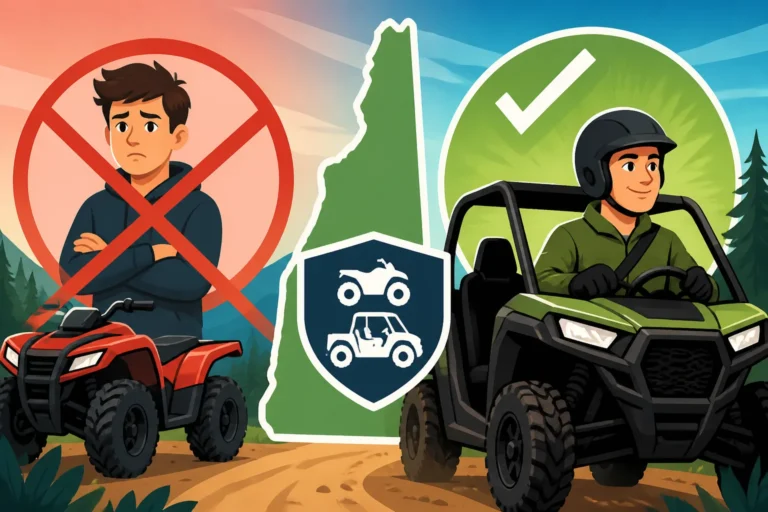
Another frequent thought is that because some UTVs are so robust, they might be considered "street legal" by default, or that registration might somehow bypass the need for an OHRV safety certificate if you're under a certain age. This is also incorrect. While some New Hampshire towns have opened certain roads to OHRVs, these are specific designations and do not make your UTV street-legal everywhere. The safety certificate and age requirements apply equally to all OHRV operators, whether on a dirt bike, an ATV, or a side-by-side. The state wants to ensure all riders are prepared and understand the rules, regardless of the machine they choose to ride. You'll find more details on these age and safety requirements in [New Hampshire's Age and Supervision Rules].
The Standard New Hampshire OHRV Registration Process for UTVs
So, you've got your side-by-side, and you're itching to get it registered and explore the incredible trails New Hampshire has to offer. The process for registering a UTV is wonderfully similar to registering any other OHRV, which means if you've registered an ATV before, you'll feel right at home. The goal is to prove ownership, pay the appropriate fees, and get your decals and certificate so you can ride legally and responsibly. It’s all about ensuring everyone contributes to maintaining our amazing trail system.
It’s worth noting that New Hampshire operates on a May 1st to April 30th registration year, so no matter when you register during that window, your registration will expire on April 30th of the following year. This is important to remember, especially if you’re purchasing a machine mid-season, as the fee remains the same. The sooner you get it done, the more riding time you get for your dollar!
Required Documentation for Registration
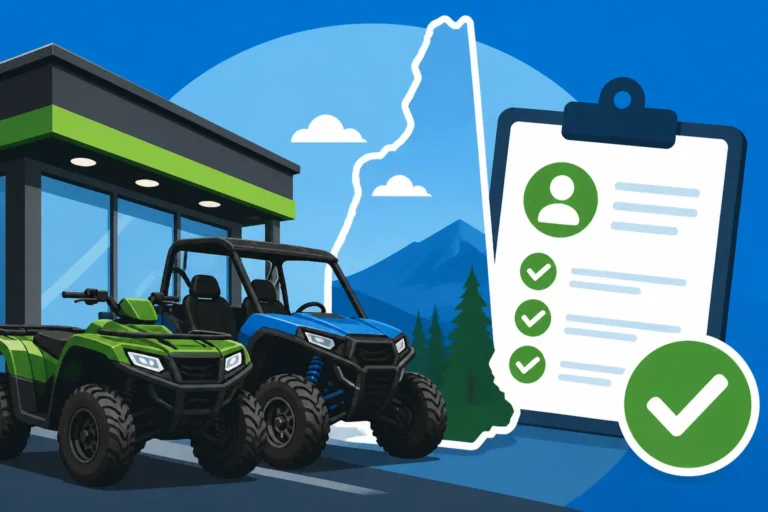
To register your side-by-side, you'll need to gather a few essential documents. The most crucial piece of information you’ll need is proof of ownership. If you purchased your UTV from a licensed New Hampshire dealer, they will typically provide you with a Manufacturer’s Statement of Origin (MSO) or a dealer invoice/bill of sale. This document verifies that you are the rightful owner and helps establish the machine's history. For private sales, a properly executed bill of sale is absolutely vital. This document should include the seller's name and address, your name and address, the date of sale, the purchase price, and a detailed description of the side-by-side, including its make, model, year, and most importantly, the Vehicle Identification Number (VIN). A good bill of sale protects both buyer and seller, and resources like LawDepot can provide templates if you're handling a private sale.
You'll also need a valid form of identification, typically a driver's license. If you're a New Hampshire resident, proof of residency will be required, which your driver's license usually covers. Nonresidents will also need their driver's license for identification purposes. While New Hampshire does not issue titles for OHRVs, as detailed in [Why New Hampshire Issues No OHRV Title], it's still essential to have a clear chain of ownership, especially for used machines. This is why a well-documented bill of sale is so critical, helping to prevent issues down the line.
Where to Complete Your Registration
Once you have all your paperwork in order, you have a few convenient options for registering your side-by-side. The most common method is visiting an authorized OHRV registration agent. These are often powersports dealerships, sporting goods stores, or even town clerks in various communities across the state. These agents are equipped to process your application, verify your documents, and issue your registration certificate and decals on the spot. This instant gratification means you can often ride the same day you register, which is a huge plus!
Another increasingly popular option is online registration through the New Hampshire Fish and Game Department's website. This method is incredibly convenient, allowing you to complete the process from the comfort of your home. You'll upload your documents, pay your fees, and then receive your certificate and decals in the mail within a reasonable timeframe. This can be a great choice if you're not in a rush or if you live far from a physical agent. Regardless of where you choose to register, make sure you have everything prepared to avoid any delays. For a more comprehensive overview, check out [Where to Register an OHRV in New Hampshire].
Specific Considerations for Side-by-Side Registration Costs
When it comes to the cost of registering your side-by-side in New Hampshire, it’s important to understand that the fee structure is largely consistent across all OHRVs. However, there are a couple of key factors that can significantly impact the final price: whether you're a New Hampshire resident or a nonresident, and perhaps most importantly, whether or not you're a member of an approved OHRV club. These elements can make a considerable difference in your wallet, and understanding them upfront can save you a good chunk of change. It's always a good idea to factor these costs into your overall budget when planning your UTV adventures.
The money collected from OHRV registrations plays a vital role in maintaining and expanding New Hampshire's extensive trail system. These funds contribute to trail grants, allowing local clubs to perform maintenance, build bridges, install signage, and keep our riding areas in top condition. So, while you're paying to ride, you're also directly investing in the future of the sport here in the Granite State.
Resident vs. Nonresident Rates for UTVs
New Hampshire differentiates registration fees based on your residency status. For New Hampshire residents, the standard OHRV registration fee is one amount, and for nonresidents, it's typically a bit higher. This difference is common in many states and reflects the idea that residents contribute to the state's infrastructure and taxes in other ways throughout the year. For a side-by-side, these rates apply just as they would for an ATV or trail bike. It's not about the type of machine, but about where you call home.
If you're a resident, you'll pay a certain base rate, while our visiting friends from neighboring states like Massachusetts or Maine will pay a nonresident rate. This system ensures that the costs associated with maintaining our beautiful trails are shared equitably. It's always best to check the current rates directly from the New Hampshire Fish and Game Department's website or an authorized agent, as these figures can be subject to change. However, the structure of resident versus nonresident pricing generally remains constant. You can find more details in [Resident and Nonresident OHRV Fees in New Hampshire].
The Power of Club Membership for Savings
This is where the real opportunity for savings comes in, especially for side-by-side owners. New Hampshire offers a significant discount on OHRV registration fees if you are a member of an approved New Hampshire OHRV club. This applies to both residents and nonresidents, making club membership incredibly appealing for everyone. The discount is substantial enough that, for most riders, the cost of an annual club membership easily pays for itself, often saving you money even after paying your club dues. Many riders realize these savings quickly, particularly if they are registering multiple machines.
For example, a resident might see their registration fee drop by a notable amount, and nonresidents will also enjoy a similar reduction from their higher base rate. This incentive is a brilliant way the state encourages participation in local clubs, which are the backbone of our trail system. These volunteer clubs are responsible for much of the on-the-ground work, from clearing fallen trees to grading trails and ensuring signage is intact. By joining a club, you're not only saving money but also directly supporting the trail network you love to ride. Consider joining a club before you register your side-by-side to take full advantage of [New Hampshire's Club Member Discount].
| Factor | Resident Standard Rate | Resident Club Member Rate | Nonresident Standard Rate | Nonresident Club Member Rate |
|---|---|---|---|---|
| New Hampshire Side-by-Side Registration Cost | (See official NH Fish & Game) | (See official NH Fish & Game) | (See official NH Fish & Game) | (See official NH Fish & Game) |
| Benefit | Standard Access | Discounted rate, trail support | Standard Access | Discounted rate, trail support |
| Example Scenario | Occasional rider | Frequent rider, supports trails | Visitor for extended trips | Frequent visitor, supports trails |
Note: Specific fees are not included here as they can change. Please check the official New Hampshire Fish and Game website or an authorized agent for current figures.
Essential Paperwork and Practicalities for Your Side-by-Side
Beyond simply paying the fees and getting your name on the list, there are some really practical elements to registering and operating your side-by-side in New Hampshire that are crucial for a smooth experience. It's not just about having the right documents to hand over at the registration counter; it's about what you need to keep with you on the trail, how to display your registration, and understanding the state's unique approach to vehicle ownership documentation. Overlooking these details can lead to unnecessary headaches or even fines, and nobody wants that when they're trying to enjoy a day of riding.
The state's goal is always safety and clear identification, both for your benefit and for that of trail wardens and fellow riders. So, let’s make sure you're fully equipped with the knowledge to handle the practicalities once your side-by-side is officially registered and ready to roll.
Bill of Sale and Proof of Ownership
As mentioned earlier, the bill of sale is your primary proof of ownership for a side-by-side in New Hampshire, especially if you buy it from a private seller. Since the state does not issue separate titles for OHRVs, this document effectively serves as your ownership record. It’s absolutely critical that this bill of sale is accurate, complete, and includes all the necessary details like the full names and addresses of both buyer and seller, the date of sale, the purchase price, and a detailed description of the machine, including its VIN. Without a clear and undisputed bill of sale, you could face difficulties proving you own the UTV, which would make registration impossible. This is one of those times when having your ducks in a row can save you a lot of grief.
If you’re buying from a dealer, they will typically provide you with a detailed invoice or a Manufacturer’s Statement of Origin (MSO), which serves the same purpose. Always keep this original document in a safe place, as it may be required for future transactions, insurance claims, or if you ever need to replace your registration certificate. While you won't carry the original MSO or bill of sale on the trails, it’s the foundational document that proves your legal right to register and operate the machine. If you're looking for a reliable way to create a bill of sale for a private transaction, consider using a service like LawDepot to ensure all legal bases are covered. For more insight into what's needed, refer to [New Hampshire ATV Bill of Sale Requirements].
Decal Placement and Carrying Your Certificate
Once your side-by-side is registered, you'll receive a registration certificate and two decals. The certificate is a small, paper document that confirms your machine is registered, lists your name, the machine's details, and the expiration date. It's crucial that you carry this certificate with you whenever you're operating your side-by-side off-highway. An enforcement officer might ask to see it, and not having it can lead to a fine, even if your machine is properly registered. Many riders keep it in a waterproof bag or a secure compartment on their UTV to ensure it stays safe and accessible.
The two decals are just as important. These stickers display your registration number and the expiration year. They must be affixed to your side-by-side in a clearly visible location. Specifically, New Hampshire law requires one decal to be placed on each side of the machine, near the front, in an easily seen area. For side-by-sides, this often means on the front fenders or on the side of the cab, away from obstructions like cargo racks or mud flaps. Proper placement ensures that trail wardens can easily verify your registration without having to stop you. Misplaced or missing decals can also result in a citation. Make sure they are securely attached and visible to avoid any issues. For further guidance, see [New Hampshire OHRV Decal Placement].
Navigating Special Circumstances with Side-by-Sides
The journey of OHRV ownership, particularly with side-by-sides, isn't always a straight line from dealer to trail. Sometimes, you're buying a used machine from a private party, or you're dealing with the unique situation of New Hampshire not issuing titles for these vehicles. These scenarios can introduce specific questions and challenges that new and even experienced riders might not anticipate. But don't worry, these aren't insurmountable hurdles. With a little knowledge and preparation, you can navigate these special circumstances smoothly and ensure your UTV is legally recognized and ready for action.
Understanding how to approach these situations means you'll be less likely to run into unexpected problems down the road. It’s all about being proactive and knowing what to expect when things aren’t perfectly straightforward.
Registering a Used or Privately Purchased UTV
Purchasing a used side-by-side from a private seller is a common and often cost-effective way to get into the sport. However, it comes with its own set of responsibilities, especially regarding registration. The most critical step here is ensuring you have a complete and accurate bill of sale. Without an official title, the bill of sale is your golden ticket to proving ownership. It’s not just a casual receipt; it's a legal document. Always ensure it includes the VIN, make, model, year, purchase price, date, and signatures of both the buyer and seller. You can find forms online, and some services like LawDepot offer templates to create professional and legally sound documents.
When you go to register a used machine, you'll present this bill of sale as your proof of ownership. The state wants to see a clear chain of custody. If the previous owner lost their registration certificate, they should provide you with a new, updated bill of sale showing their sale to you. If there's any ambiguity in the ownership history, it could complicate your registration process. Before you hand over any money, always verify the VIN on the machine matches the VIN on the bill of sale and consider asking the seller for a copy of their last registration to confirm their ownership. This due diligence can save you from a major headache later on. For more information, check out [Registering a Used ATV in New Hampshire].
Addressing the Lack of a Title in New Hampshire
One aspect that often surprises new side-by-side owners, especially those from states that title OHRVs, is that New Hampshire does not issue titles for ATVs, UTVs, or other OHRVs. This isn't an oversight; it's simply how the state's system works. Instead of a title, the registration certificate and, crucially, a clear bill of sale, serve as the primary documentation of ownership. This can feel a little unnerving if you're accustomed to a more formal titling process, but it's entirely normal for New Hampshire.
The implication of no title means that your bill of sale becomes paramount. It's not just a formality; it's the core document that establishes your legal claim to the machine. Without a title, lenders may also handle OHRV loans differently, often using the VIN and a lien notation on the registration certificate if applicable, but usually relying on promissory notes. When buying or selling, always emphasize the importance of a detailed, signed bill of sale. It protects everyone involved and ensures that even without a traditional title, the ownership of your side-by-side is transparent and verifiable. Remember, in New Hampshire, your registration certificate and bill of sale are your proof. This is further clarified in [Why New Hampshire Issues No OHRV Title].
Beyond Registration: What Else to Know for Side-by-Side Riders
Getting your side-by-side registered is a huge step, but it's just the beginning of enjoying our incredible New Hampshire trails. Beyond the paperwork, there are crucial rules and considerations that every UTV operator needs to be aware of to ensure a safe, enjoyable, and legal riding experience. Side-by-sides, with their larger footprint and often higher seating capacity, sometimes have specific nuances when it comes to trail access and operator requirements. Ignoring these can lead to fines, trail closures, or even accidents, which is the last thing any of us want.
Let's dive into some of the most important aspects that extend beyond the initial registration, covering everything from the physical dimensions of your machine to who can legally operate it and under what conditions. Being a responsible rider means knowing the whole picture, not just the registration status.
Width Limits and Trail Access
This is a really important one for side-by-side owners! While your UTV might be legally registered as an OHRV, that doesn't automatically mean it can access every trail in New Hampshire. Many trails, particularly some of the older, narrower ones or sections of multi-use rail trails, have specific width restrictions. Historically, many trails were designed with traditional ATVs in mind, which are generally narrower. With the increasing popularity of wider side-by-sides, trail systems and clubs have had to adapt, but some restrictions still exist.
You'll often see signs at trailheads indicating a maximum width, commonly 50 inches. This means if your side-by-side is wider than that, you simply cannot ride on that particular trail. Attempting to do so can result in fines, trail damage, and frustration for other riders and landowners. Some areas, like the Ride the Wilds network in Coos County, are renowned for being UTV-friendly, with many trails accommodating wider machines, often up to 65 inches. Always check the trail maps and conditions provided by the local clubs or the NH Fish and Game Department before you head out. Knowing your machine's exact width and planning your routes accordingly will prevent disappointment and ensure you're always riding legally. Check out [New Hampshire Trails for a Wide Machine] for more.
Safety Certificates and Age Requirements
Operating a side-by-side in New Hampshire isn't just about having a registered machine; it's also about having a qualified operator. New Hampshire has specific age requirements and mandates for OHRV safety education that apply equally to all OHRV types, including your UTV. These rules are in place to ensure that riders have a basic understanding of safe operation, trail etiquette, and the laws governing OHRV use.
If you are 12 years of age or older and operating an OHRV off your own property, you generally need to have an OHRV safety certificate. This certificate can be obtained by completing a New Hampshire Fish and Game-approved safety course. There are both online and in-person classroom options available. However, there's a key exemption: if you hold a valid motor vehicle driver's license (from any state), you are exempt from the OHRV safety certificate requirement. This means most adults who drive cars don't need a separate OHRV certificate. For minors, though, the certificate is almost always required, and there are additional supervision rules for riders under 18, particularly for those under 16. It's vital to know these rules before anyone, especially a younger family member, takes the wheel of your side-by-side. Get the full details in [New Hampshire Safety Education Requirements] and [New Hampshire's Age and Supervision Rules].
Disclaimer
This article is for general informational purposes only and does not constitute professional advice. Laws, prices and regulations vary by location and change over time. Consult a qualified professional for guidance on your specific situation.