Replacing a New Hampshire OHRV Decal
There's nothing quite like the feeling of hitting the trails on your ATV or UTV in New Hampshire, exploring the beautiful landscapes the Granite State has to offer. But that feeling can quickly turn to frustration if you discover your OHRV decal has gone missing, been damaged, or just plain worn out. That little sticker might seem insignificant, but it's your visual proof of registration, and riding without it can lead to unnecessary hassles. This guide is here to walk you through exactly how to replace a New Hampshire OHRV decal, helping you get back on the trails with confidence and without a hitch.
Why Your OHRV Decal is So Important in New Hampshire
It might seem like a small piece of sticky paper, but your New Hampshire OHRV decal is far more critical than you might imagine. It’s not just a decoration; it's a vital component of your machine's legal operation on public trails and approved roads throughout the state. Understanding its importance can help you appreciate why getting a replacement promptly is so crucial.
The Visual Proof of Registration
Think of your OHRV decal as a mini billboard for your registration. When a conservation officer, trail monitor, or even another rider spots your machine, that decal immediately tells them that your ATV or UTV is legally registered to ride in New Hampshire. It shows that you've completed the necessary steps, paid your [New Hampshire OHRV Registration Cost], and are contributing to the system that maintains our fantastic trail network. Without it, there's no immediate, visible confirmation that your machine is compliant, regardless of whether you have your [New Hampshire's Printed Certificate and Two Decals] tucked away in your wallet. It's the first thing officials look for, and its absence can raise questions and lead to delays.
The Risk of Riding Without a Decal
Riding without a valid, visible OHRV decal is essentially riding as if your machine isn't registered. Even if you've got your physical certificate of registration on you, the missing decal is a red flag. Picture this: you're out on a gorgeous trail near Berlin, perhaps exploring Jericho Mountain State Park, and a Fish and Game officer performs a routine check. If your decals aren't properly displayed, or worse, they're completely gone, you could face delays while the officer verifies your registration through their system. In some cases, depending on the circumstances and the officer's discretion, you could even be subject to a citation or [New Hampshire Fines for an Unregistered OHRV]. It's a situation no one wants to be in, especially when a simple replacement can prevent it entirely. It’s always best to ensure your machine is fully compliant to avoid any interruption to your trail time.
Common Reasons a Decal Might Need Replacing
Life on the trails is tough, and your OHRV takes a beating. It’s no surprise that those little decals, designed to withstand the elements, sometimes give up the ghost. From the sun’s relentless rays to an unexpected branch on a tight trail, there are many reasons why you might find yourself needing a fresh set of stickers. Knowing these common culprits can also help you take preventative measures.
Wear and Tear from the Elements
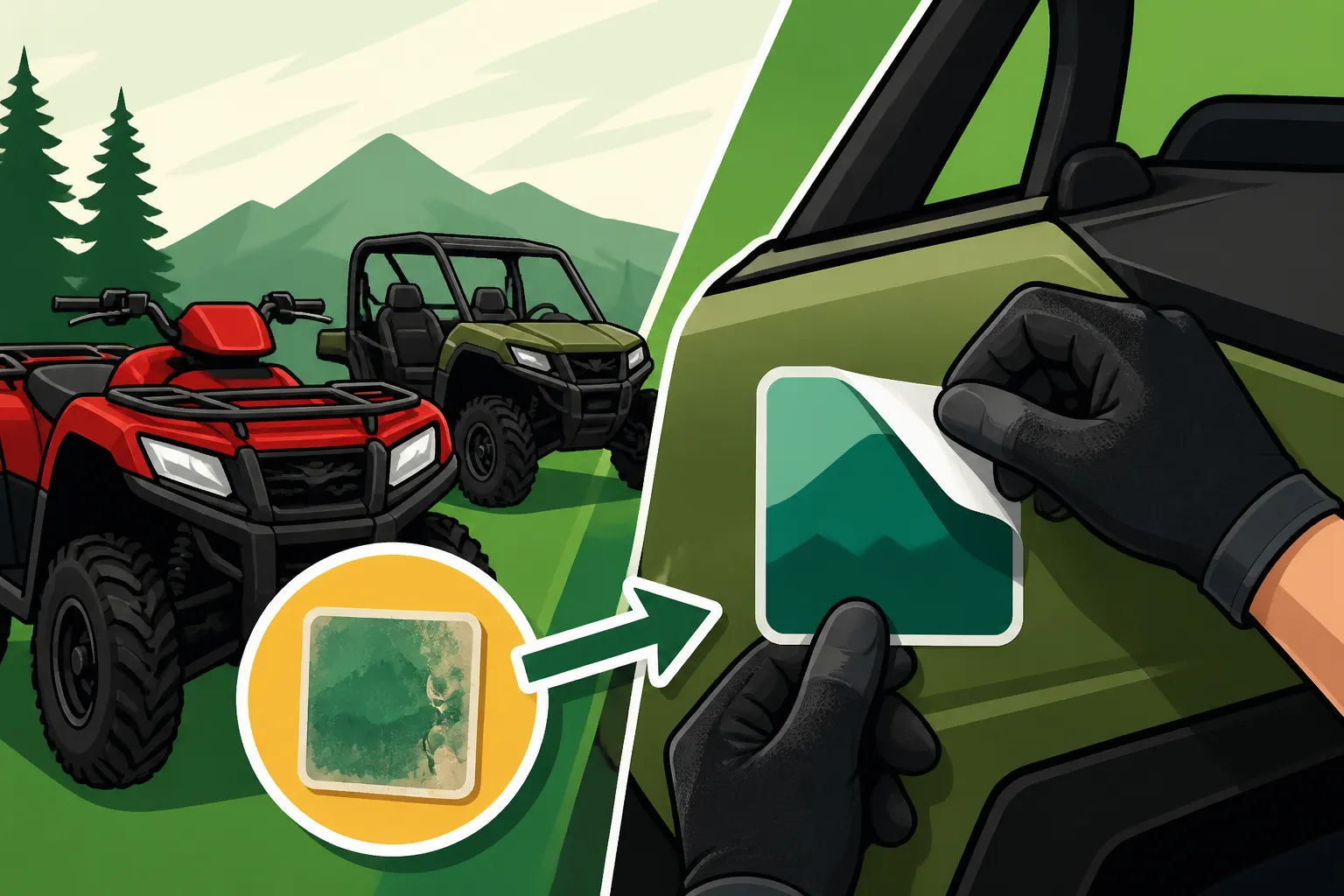
New Hampshire weather is truly a force to be reckoned with, and it's particularly harsh on anything exposed year-round, like your OHRV decals. Imagine your machine parked outside through a sweltering summer, baking under the sun, followed by a freezing winter with snow, ice, and road salt. Over time, the adhesive can degrade, causing the decal to peel around the edges. The sun's UV rays can fade the vibrant colors, making the numbers and letters hard to read, which defeats the purpose of the decal as clear visual identification. Or maybe you've been doing a lot of mud bogging, and the constant spraying of gritty water has eroded the decal's surface. These aren't just cosmetic issues; a faded or peeling decal can make it difficult for law enforcement to confirm your registration quickly, leading to those inconvenient roadside stops we all want to avoid. That's why keeping an eye on their condition is part of being a responsible rider.
Lost or Stolen Decals
Sometimes, a decal doesn't just wear out; it disappears entirely. It could be something as simple as a powerful car wash jet catching a loose edge and ripping it clean off, or a tree branch snagging it during a particularly gnarly section of trail. We’ve all been there, pushing through some dense woods, and heard a few scrapes and bumps, only to discover later that a decal was sacrificed to the trail gods. Unfortunately, there are also rare but frustrating instances where decals are stolen. This is less common than simple loss due to wear, but it's a real possibility, especially if your machine is parked in an unsecured location. If you return to your OHRV and find the decals missing, it's essential to treat it just like any other lost or damaged decal and initiate the replacement process right away to ensure you remain compliant for your next ride. In such cases, having clear documentation of your original purchase, perhaps even a bill of sale prepared with a service like LawDepot, can be helpful if you need to prove your ownership.
Damage During a Transfer or Sale
Selling your OHRV, or buying a used one, can sometimes present unexpected decal challenges. When you're [Selling an OHRV in New Hampshire], or even [Buying a Used ATV in New Hampshire], the process often involves cleaning the machine, perhaps even some minor repairs, and moving it from one location to another. During this period, decals can be inadvertently scratched, torn, or peeled off. Maybe the previous owner tried to remove an old, faded decal, and in the process, damaged the current one. Or perhaps a new owner wants to give their "new-to-them" machine a deep clean before hitting the trails and accidentally ruins the existing decal. If the decal is damaged beyond legibility during a transfer, it’s the responsibility of the current owner to secure a replacement. It’s a small detail that can easily be overlooked in the excitement of a new purchase or sale, but one that definitely needs attention before the machine hits public land.
The Step-by-Step Process for Replacing Your Decal
So, your decal is gone or unreadable. Don't panic! Replacing it in New Hampshire is a straightforward process, though it does require a few specific steps. Knowing what to do in advance can save you time and ensure you're not held up from enjoying the trails any longer than necessary.
Gathering Your Information
Before you even think about heading to a registration agent, you'll need to collect some essential pieces of information. The key here is to have everything on hand to make the process as smooth as possible. You'll definitely need your current OHRV registration certificate. This document contains all the critical details about your machine and your registration, including the registration number, expiration date, and your personal information. If you've also lost your original certificate, you'll need to replace that too, usually at the same time or as part of the same process. It's like needing your driver's license to get a new car registration; the underlying paperwork is paramount. Make sure you also have your personal identification, such as a driver's license or state ID, as the agent will need to verify who you are. Having these items organized beforehand will prevent any back-and-forth trips. For additional peace of mind, especially if dealing with a lost original registration, having a copy of your bill of sale (which you might have created using a tool like LawDepot) could be a helpful supporting document, even if not strictly required.
Where to Request a Replacement
Once you have your information ready, you have a few convenient options for where to request replacement decals in New Hampshire. The most common and often quickest method is to visit an authorized OHRV registration agent. These are typically local town clerks or powersports dealerships that are licensed to process registrations. You can often get your replacement decals on the spot. Another option is to contact the New Hampshire Fish and Game Department directly. While you might not get them instantly, they can guide you through the process and mail them to you. Remember, these decals are tied directly to your current registration, so you're not getting a new registration, just new physical stickers. The goal is to make it easy for you to maintain compliance. Many riders prefer visiting their local town clerk’s office since it’s often a quick stop, especially if you know the staff and they’re familiar with the [New Hampshire OHRV Registration Application] process.
Here's a quick look at common places to get your decals replaced:
| Location | Typical Turnaround | Required Documents (Common) | Pros | Cons |
|---|---|---|---|---|
| Town Clerk's Office | Immediate | Registration Certificate, Photo ID | Convenient, often local, quick service | Limited hours, not all towns are agents |
| Powersports Dealer | Immediate | Registration Certificate, Photo ID | Often open longer, knowledgeable staff | Can be busy, may require a drive |
| NH Fish and Game Dept. | Mail (several days) | Registration Certificate, Photo ID | Direct, official channel, good for questions | Not immediate, requires mailing/waiting |
Understanding the Associated Costs
While the primary OHRV registration fee covers the initial decals, obtaining replacements usually comes with a small administrative cost. This fee covers the production and processing of the new decals and helps offset the administrative effort involved in managing these requests. It's not usually a significant expense, but it's important to be aware of it so you're not surprised when you go to pick up your new stickers. Remember, this isn't a new full registration fee; it's just for the physical replacement of the lost or damaged decals. It's a minor investment to ensure your machine remains legally identifiable on the trails and to avoid potential issues with law enforcement. Be sure to ask about the exact fee when you inquire about the replacement process, as it can vary slightly depending on where you obtain them. This cost is separate from the standard [Replacing Lost New Hampshire Decals] fee, which itself is usually a small charge.
Preventing Future Decal Issues
Nobody wants to deal with replacing OHRV decals repeatedly. It's an inconvenience and an extra cost. Thankfully, there are several simple steps you can take to make your decals last longer and ensure you always have the necessary proof of registration, even if a decal does go missing again.
Proper Placement and Care
The longevity of your decals starts with how and where they are placed. When you first receive your [New Hampshire OHRV Decals and the Certificate], take the time to clean the surface of your OHRV thoroughly where the decals will go. Ensure it’s free of dirt, grease, and moisture. A clean, dry surface allows the adhesive to bond properly. Once applied, pressing firmly and smoothly will help prevent air bubbles and weak spots where peeling might start.
Consider the location: avoid placing decals on highly abrasive areas or parts of the machine that get excessive heat or direct exhaust. While manufacturers design them to be durable, no decal is invincible. Regularly inspect your decals for any signs of peeling or fading. If you spot a small corner lifting, sometimes a dab of clear, strong adhesive (specifically designed for outdoor use and plastics) can help prevent further damage. When washing your OHRV, be mindful of direct, high-pressure sprayers, especially around the edges of the decals. A little extra care can make a huge difference in how long your decals last through the seasons in New Hampshire's rugged environment.
Digital Records as a Backup
Even with the best care, sometimes a decal just gives up the ghost. That's where digital backups come in handy. After you register your OHRV and receive your decals and certificate, take clear photos of both the physical certificate and your machine with the decals properly affixed. Store these photos on your phone, in a cloud service, or email them to yourself. This way, if you ever lose your physical certificate or need to prove that you had valid decals before they went missing, you have immediate visual proof.
While these digital records won't replace a missing physical decal or certificate in the eyes of the law, they can be incredibly helpful for your own peace of mind and as supporting evidence should any questions arise from an officer. It’s also a good practice to keep a digital copy of your bill of sale, especially for used machines. Services like LawDepot can help you generate comprehensive legal documents for vehicle sales, and having these readily accessible in a digital format can be a lifesaver when you need to prove ownership or original registration details for things like decal replacement. Think of it as an extra layer of security, ensuring you're always prepared, no matter what the trails throw your way.
Disclaimer
This article is for general informational purposes only and does not constitute professional advice. Laws, prices and regulations vary by location and change over time. Consult a qualified professional for guidance on your specific situation.