New Hampshire Rules for Riding in Winter
For those of us who love the thrill of off-road adventure, the arrival of winter in New Hampshire can feel a bit like hitting a pause button. The crisp air, the promise of snow, and the transformation of our beloved trails often bring with them a hefty dose of confusion about what's actually allowed when it comes to riding ATVs and UTVs. It's incredibly frustrating to have your machine prepped and ready, only to be unsure if you're even permitted to hit the trails, or if you're suddenly sharing the same routes with a completely different kind of machine. This guide aims to clear up that confusion, diving deep into New Hampshire's specific rules and considerations for enjoying your OHRV safely and legally during the colder months.
The Shifting Landscape of Winter Riding in New Hampshire
Winter in the Granite State transforms everything, and our trail systems are no exception. The ground hardens, snow blankets the landscape, and suddenly, the trails we enjoyed all summer and fall take on a completely new character. Understanding these changes is crucial for any OHRV enthusiast who hopes to extend their riding season.
Snowmobile Trails and OHRV Access
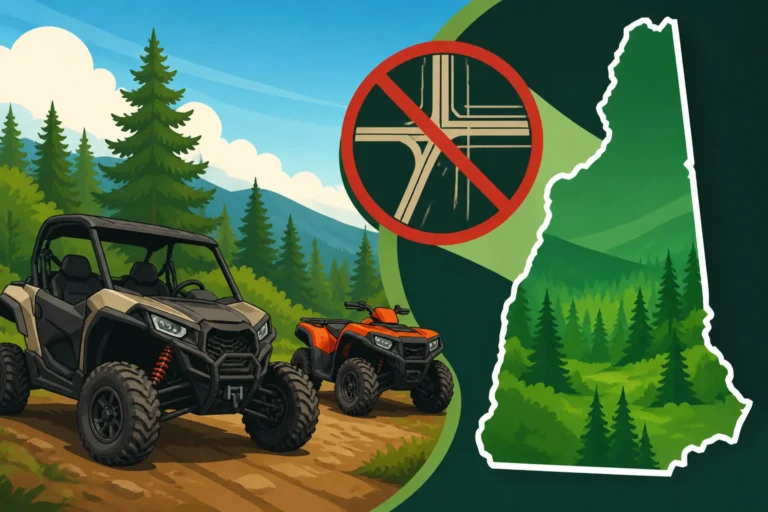
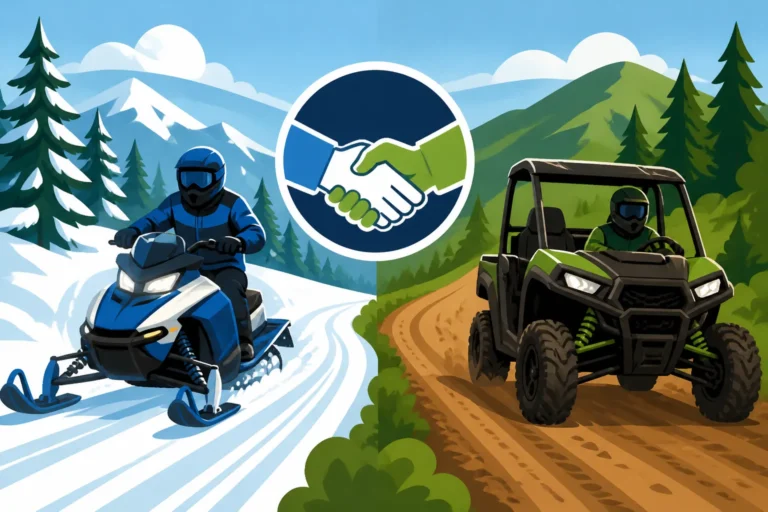
When the snow starts to fly and accumulate, a significant portion of New Hampshire's extensive trail network transitions from wheeled OHRV use to snowmobile-specific corridors. This can be a major point of confusion for ATV and UTV riders. Historically, these trails were primarily maintained by snowmobile clubs, and they still largely cater to the unique needs of snowmobiles, which operate differently on snow than a wheeled machine.
Imagine hitting a freshly groomed snowmobile trail with your ATV. While it might seem like a smooth ride, the reality is that the weight and tire action of a wheeled OHRV can quickly chew up and damage the carefully prepared snow base that snowmobilers rely on. This isn't just an etiquette issue; it's about preserving the trail for its intended winter use. Many of these trails are leased from private landowners specifically for snowmobiling during the winter months, and allowing wheeled vehicles could jeopardize those agreements. Clubs often put in countless volunteer hours and significant funds into grooming these trails, and seeing that effort undone by an incompatible machine can be disheartening, to say the least.
However, not all trails immediately become exclusive snowmobile territory. Some multi-use corridors, particularly certain rail trails or designated sections, might explicitly permit wheeled OHRVs even with snow on the ground, provided conditions are suitable and clearly marked. It's absolutely vital to check the specific trail signage and the status provided by the local clubs or the New Hampshire Bureau of Trails. What might be allowed in one town or on one section of trail could be strictly forbidden just a few miles down the road. Never assume; always verify. If you're planning a trip, be sure to check the specific opening and closing dates for various trails and systems. You'll often find that information readily available through the local clubs or the Bureau of Trails website. You can also look for information regarding [New Hampshire Trails Open in Winter] for specific guidance.
Frozen Lakes and Ponds: A Unique Winter Opportunity
For many, the idea of riding an OHRV across a vast, frozen lake sounds like an exhilarating winter dream. And indeed, New Hampshire does allow for riding on frozen bodies of water, offering a unique and expansive riding experience that's impossible during the warmer months. Imagine the wide-open spaces, the serene quiet broken only by the hum of your engine, and the stunning winter vistas. It's an incredible way to experience the state's natural beauty.
However, this unique opportunity comes with significant risks and responsibilities. The most critical factor, by far, is ice thickness. Just because a lake looks frozen doesn't mean it's safe. Ice can vary dramatically in thickness, even across a single body of water, due to currents, springs, and snow cover. A seemingly solid surface can hide dangerously thin spots. The general rule of thumb often cited for ATVs is a minimum of 5-7 inches of clear, solid ice, but even then, caution is paramount. This isn't a recommendation to be taken lightly; falling through ice is an extremely dangerous, life-threatening situation. Always check local conditions, consult with residents, or look for official advisories. Never ride alone, and always carry appropriate safety gear, including ice picks and a throw rope.
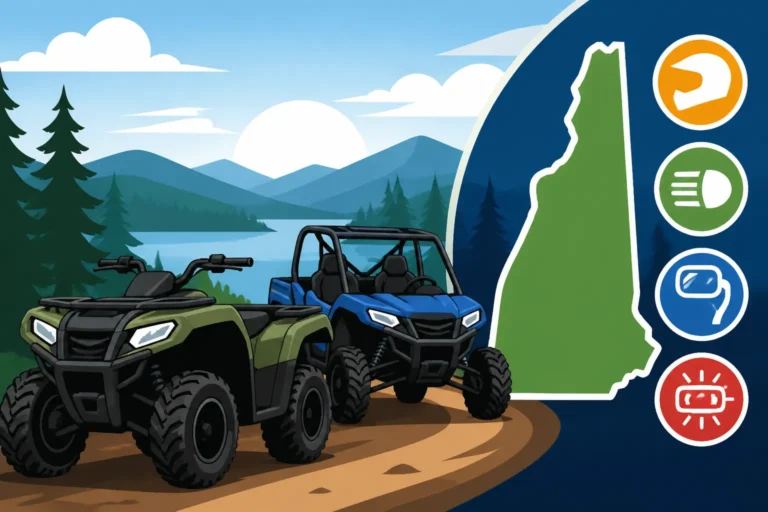
It's also important to remember that all the usual registration and safety requirements still apply when riding on frozen lakes and ponds. Your machine must be properly registered with the state, and if you're under the age of 18, you'll still need to meet New Hampshire's safety certificate requirements. Don't think for a moment that because you're on a frozen lake, the rules disappear. The New Hampshire Fish and Game Department regularly patrols these areas, and an unregistered machine or an underage rider without proper certification will still face penalties. For more details on this, be sure to check out [Riding a Frozen Lake in New Hampshire].
Navigating Seasonal Closures and Trail Status
One of the biggest headaches for OHRV riders wanting to enjoy the winter landscape is figuring out what's open and what's not. The seasonal nature of our trails means that accessibility is constantly in flux, and making assumptions can lead to fines, trail damage, or even dangerous situations.
When Trails Close for the Winter Transition
Most wheeled OHRV trails in New Hampshire have a very clear closing date, typically around October 31st, though some club trails might close earlier, like October 12th, to accommodate hunting seasons or to begin preparing for snowmobile operations. This isn't an arbitrary date; it marks a critical transition period. As the ground freezes and thawing cycles begin, trails become incredibly vulnerable to damage from wheeled vehicles. Tires can churn up mud, damage the trail base, and create ruts that make future maintenance much more difficult and costly. This is similar to the reasoning behind [New Hampshire's Mud Season Ban] in the spring, where protecting the trails from damage is paramount.
Once a trail officially closes for wheeled OHRV use, it typically remains closed until the spring thaw and the official opening day, which is usually sometime in May. During this period, many of these trails become dedicated snowmobile corridors. Riding a wheeled OHRV on a snowmobile trail after the official closing date for ATVs/UTVs is generally prohibited. This is to prevent conflicts with snowmobilers, protect the snow base they rely on, and adhere to landowner agreements that are often specific to snowmobiles in winter. It's a matter of respect for other trail users and for the volunteers who work tirelessly to maintain these multi-use pathways. Ignoring these closures not only risks a fine but also jeopardizes the future of shared trail access. You might want to refer to [New Hampshire Trail Closing Dates] for more specific information about these seasonal changes.
Monitoring Trail Conditions and Club Announcements
With trails opening, closing, and transitioning, how's a rider supposed to keep track? The absolute best sources of up-to-date information are the local OHRV and snowmobile clubs, as well as the New Hampshire Bureau of Trails. These organizations are on the ground, working with landowners, maintaining the trails, and managing the intricate network. They are the authorities on what's open, what's closed, and what the current conditions are like.
Many clubs maintain active websites and social media pages where they post daily or weekly updates on trail status, unexpected closures due to weather or logging, and general riding conditions. It's not uncommon to see a "trail status board" on their websites, similar to ski resorts, indicating which sections are open, closed, or have specific advisories. The Bureau of Trails also provides overarching information and links to individual club resources. Before you even hitch up your trailer, make it a habit to check these resources. A quick five-minute check can save you hours of wasted driving and the disappointment of finding your intended trail closed.
Don't rely on word-of-mouth or outdated information. Trail conditions, especially in winter, can change rapidly. A warm spell followed by a cold snap can dramatically alter ice thickness, or a sudden heavy snowfall can close a trail until it can be groomed for snowmobiles. Always look for the most current information. Planning a ride without checking the current trail status is like heading out on a hike without checking the weather forecast – it's just asking for trouble. For a deeper dive into this, consult [New Hampshire Trail Status Before You Ride].
Essential Gear and Safety Considerations for Winter Riding
Riding an OHRV in winter isn't just about knowing where you can go; it's also about preparing yourself and your machine for the unique challenges of cold weather. The risks are amplified by freezing temperatures, potential for ice, and the sheer remoteness of many winter trails.
Dressing for Success in Cold Weather
Hypothermia and frostbite are serious concerns when riding in cold, potentially wet conditions. Layering is your best friend. Think of it like this: a base layer to wick away moisture (avoid cotton!), an insulating mid-layer (fleece or down), and a waterproof, windproof outer shell. This allows you to adjust your clothing as your activity level changes or as the temperature fluctuates throughout the day.
Don't forget extremities! Your hands and feet are often the first to get cold. Invest in high-quality, insulated, and waterproof gloves or mittens. Many riders swear by heated grips or handlebar muffs, which can make a huge difference in hand comfort and dexterity. For your feet, insulated, waterproof boots are non-negotiable, and consider good quality wool or synthetic socks. A warm hat or balaclava under your helmet will prevent significant heat loss from your head. Remember, even if your machine has a windshield or a full cab, you're still exposed to wind chill when you stop or open windows, so dress appropriately for the coldest part of your ride.
Machine Preparation for Cold Temperatures
Just like you need to bundle up, your ATV or UTV needs some winter prep too. Cold temperatures put extra strain on batteries, fluids, and moving parts.
- Battery: Ensure your battery is fully charged and in good condition. Cold weather dramatically reduces battery efficiency. A battery tender can be a wise investment if your machine sits for extended periods.
- Fluids: Check all fluid levels (oil, coolant, brake fluid) and ensure they are rated for cold temperatures. Some riders opt for thinner weight oils in extreme cold to aid starting.
- Tires: While snow may not be as abrasive as dirt, tire pressure can fluctuate with temperature. Also, consider the type of tread you have; some patterns are better suited for snow and ice than others.
- Winch: If you don't have one, winter riding is a compelling reason to install a winch. Getting stuck in deep snow or mud in freezing temperatures is no fun, and a winch can be a lifesaver. Companies like SuperATV offer a wide range of durable winches and other accessories specifically designed for ATVs and UTVs that can come in handy for winter recovery or even snow removal.
- Track Systems: While a significant investment, track systems convert your wheeled OHRV into a highly capable snow machine, allowing you to float over deep snow and access terrain that would be impossible on tires. They effectively transform your ATV or UTV into a hybrid snowmobile, opening up many more winter riding opportunities on designated trails.
- Enclosed Cabs/Plows: For UTV owners, an enclosed cab with a heater can transform winter riding into a much more comfortable experience. And if you have a property to clear, a plow attachment turns your OHRV into a versatile winter workhorse.
Emergency Preparedness and Navigation
The remote nature of many New Hampshire trails means that help can be a long way off, especially in winter. Being prepared for emergencies is paramount.
Always carry a well-stocked first-aid kit that includes items for cold-related injuries. A small survival kit with fire-starting materials, a space blanket, and emergency food can be invaluable. Tools to make minor repairs (tire repair kit, basic wrenches, duct tape) are also essential. Cell service can be spotty or nonexistent in many parts of the White Mountains and northern New Hampshire, so don't rely solely on your phone for navigation or emergencies. A dedicated GPS unit loaded with trail maps, or a satellite communication device (like an inReach or Zoleo) for emergency messaging, is highly recommended.
Perhaps the most important safety rule for winter riding: never ride alone. Always go out with at least one other person, ideally with two machines, so if one breaks down, you have a way to get help. And before you even leave home, tell someone your riding plan: where you're going, your intended route, and when you expect to return. This simple step can make all the difference if something goes wrong and you become overdue.
Legal and Ethical Riding Practices in Winter
The rules and courtesies that govern OHRV riding don't disappear when the snow falls; if anything, they become even more critical due to the increased vulnerability of trails and the presence of other winter recreational users.
Respecting Landowner Permissions and Private Property
New Hampshire's extensive trail network largely exists because of the generosity of private landowners who grant permission for trails to cross their property. This permission is often contingent on riders adhering to specific rules, and these rules are still very much in effect during the winter. A frozen landscape does not negate "No Trespassing" signs. It's a fundamental principle: if the land isn't explicitly marked as an open trail, or if you don't have direct, written permission, do not ride there.
Winter riding can sometimes lead to conflicts with other groups, especially snowmobilers who consider certain trails their primary domain, or cross-country skiers and snowshoers who use unmarked woods for recreation. Be aware of your surroundings, yield to other users, and minimize your impact. Respecting posted signs, staying on marked trails, and understanding that landowner permissions are a privilege, not a right, is crucial for maintaining good relationships and keeping our trails open for future generations. For more information, refer to [New Hampshire Landowner Permission Rules].
Understanding Registration and Age Requirements
It's a common misconception that because you're riding in a different season, or perhaps on a frozen lake, that the standard rules don't apply. That's simply not true. Your ATV or UTV still needs to be properly registered with the state of New Hampshire, just as it would in any other season. [Registering an OHRV in New Hampshire] is a year-round requirement if you plan to leave your own property. The registration year in New Hampshire runs from May 1st to April 30th, so a valid registration decal from the previous spring will still be good throughout the winter months, right up until the end of April.
Furthermore, all the age requirements and safety education rules remain in force. Riders under the age of 18 typically need to have completed a state-approved OHRV safety course and carry their certificate, or possess a valid driver's license. There are specific supervision rules for younger riders as well. These rules are in place for safety, regardless of whether there's snow on the ground or not. Ignorance of the law is not an excuse, and New Hampshire Fish and Game officers patrol year-round, issuing citations for violations. You can find detailed information on these requirements in [New Hampshire Safety Education Requirements] and [New Hampshire's Age and Supervision Rules].
Environmental Impact and Trail Preservation
While winter riding on sufficiently frozen ground or deep snow can sometimes have less direct impact on soil erosion than riding on wet dirt trails in warmer months, it's still critical to be mindful of your environmental footprint. The reason for spring "mud season" bans is precisely to protect trails during their most vulnerable period. In winter, even with snow, riding off designated trails can damage vegetation, disturb wildlife, or compact snow in a way that harms underlying plants when it melts.
Always stay on marked trails. This helps protect sensitive ecosystems, prevents trespass onto private land, and minimizes disturbance to wildlife seeking refuge during the colder months. Be particularly aware of areas where trails might cross wetlands or streams; even if frozen, these areas are ecologically delicate. Your responsible riding helps ensure that the beautiful natural resources of New Hampshire remain pristine for everyone to enjoy, whether on an OHRV, snowshoe, or cross-country ski.
Disclaimer
This article is for general informational purposes only and does not constitute professional advice. Laws, prices and regulations vary by location and change over time. Consult a qualified professional for guidance on your specific situation.