Bridges Built With Registration Money
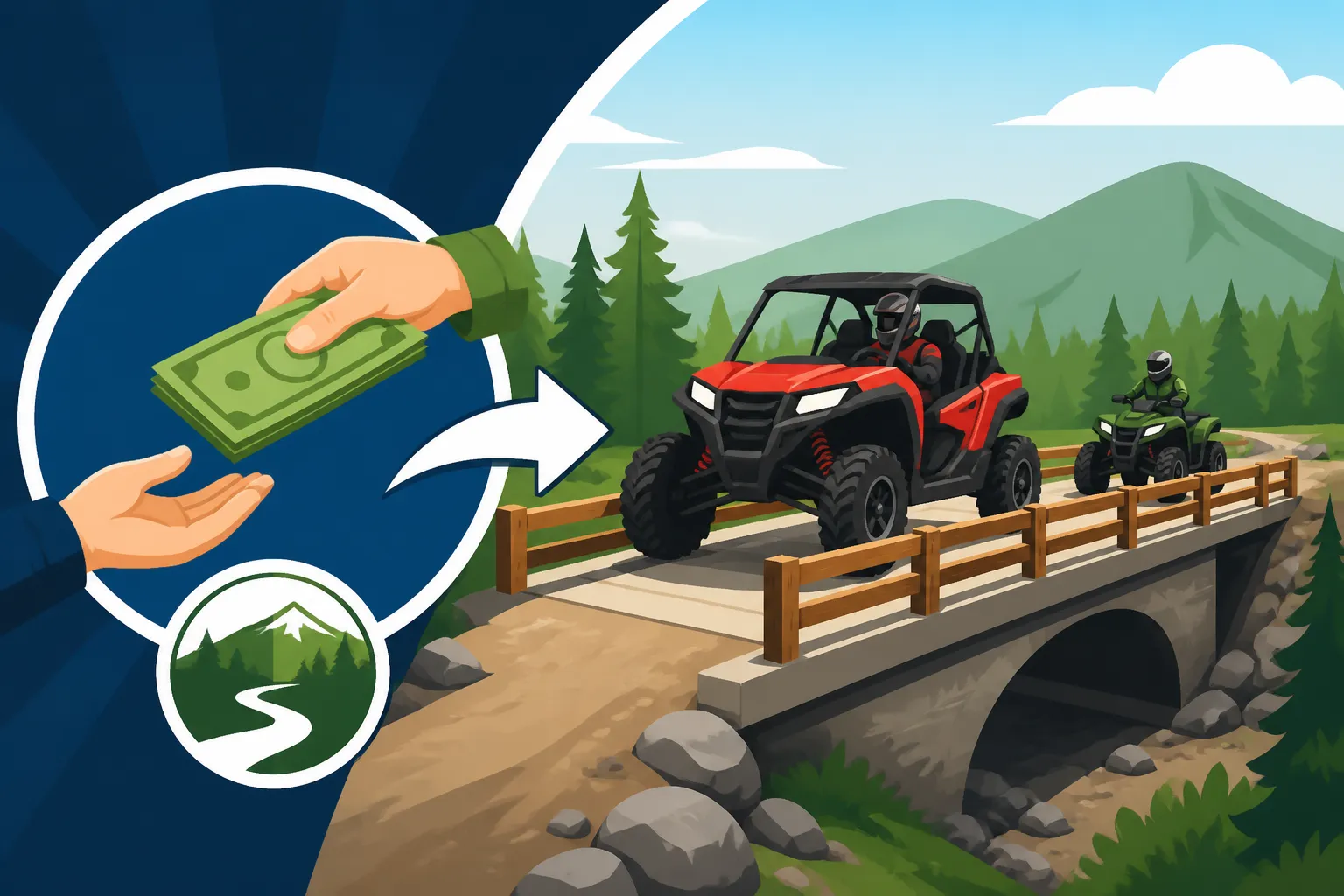
It's easy to feel like your OHRV registration fee just vanishes into thin air, another unavoidable expense that doesn't seem to have a clear benefit beyond getting a decal on your machine. But here in the Granite State, every dollar you spend registering your ATV or UTV plays a crucial, tangible role in building and maintaining the incredible trail system we all love, including those essential bridges that connect our adventures across New Hampshire. This guide will walk you through exactly where that money goes and how it directly impacts your riding experience.
The Journey of Your Registration Dollar: Where the Money Goes
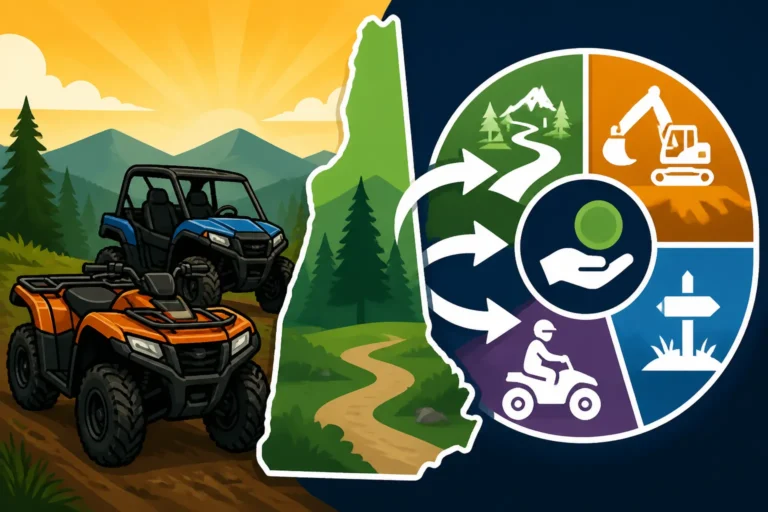
When you hand over your hard-earned cash to register your Off-Highway Recreational Vehicle (OHRV) in New Hampshire, it doesn't just disappear into a general state fund. Instead, those fees are earmarked for a very specific and vital purpose: supporting the OHRV trail system. The process is designed to ensure that the money generated by riders directly benefits the trails and infrastructure that riders use. It’s a self-sustaining model that relies on the participation of every OHRV owner.
Think about the last time you were out on the trails, enjoying a smooth section or crossing a well-maintained bridge over a stream. Those experiences aren't accidental; they're the direct result of the registration system at work. The New Hampshire Fish and Game Department, specifically its Bureau of Trails, is the primary steward of these funds, acting as the central hub for collection and distribution. They oversee the grant programs that funnel money back to the local clubs who do the actual work on the ground. It's a testament to the power of community and a dedicated funding mechanism.
So, when you're asking [Where New Hampshire OHRV Fees Go], know that your dollars are directly invested back into the sport you love. It’s not just a fee; it’s an investment in future rides and adventures.
The New Hampshire Fish and Game Department's Role
The New Hampshire Fish and Game Department is the central agency responsible for collecting OHRV registration fees. These fees are then specifically allocated to the Bureau of Trails, a division within Fish and Game. This bureau is tasked with administering the state's recreational trail programs, which includes managing grants for trail development, maintenance, and enhancement across various user groups, OHRV riders being a significant one. They are the gatekeepers of the funds, ensuring compliance and proper allocation.
The department's role extends beyond just collecting money. They work closely with local OHRV clubs, providing guidance, oversight, and support. This collaborative approach is crucial because while the state provides the funding framework, it's the local clubs that possess the intimate knowledge of their trail networks, the specific needs, and the volunteer power to execute projects. The state sets the standards, and the clubs bring the boots-on-the-ground effort.
This partnership ensures accountability and efficiency. When a club applies for a grant, it's not just a handshake deal; there's a formal application process, project proposals, and often reporting requirements to ensure the funds are used as intended. It's a transparent system designed to maximize the impact of every dollar.
How Clubs Apply for and Receive Grants
Local OHRV clubs are the unsung heroes of New Hampshire's trail system. These volunteer-driven organizations are the ones who apply for grants from the New Hampshire Fish and Game Department's Bureau of Trails. They identify needs on their local trails, from repairing a washout to constructing a new bridge, and then submit detailed proposals outlining the scope of work, materials needed, and projected costs. These grants are often crucial for initiatives like [New Hampshire Trail Grants From Registration].
Once a grant is approved, the club receives the funds, usually on a reimbursement basis, meaning they often have to expend their own resources first and then get paid back. This incentivizes careful planning and project management. The work is then carried out by dedicated club volunteers, sometimes supplemented by hired contractors for specialized tasks like heavy equipment operation for bridge construction or extensive trail grading. Many clubs use formal agreements, often drafted with the help of platforms like LawDepot, to outline responsibilities with contractors or landowners, ensuring clarity and legal soundness for their projects.
The grants aren't just for big, flashy projects. They cover a wide range of needs, including purchasing lumber for bridge decks, gravel for trail surfacing, signage materials, and even equipment maintenance. Without this grant system, most clubs would struggle to maintain the vast and intricate networks of trails that crisscross our beautiful state.
More Than Just Bridges: The Broader Impact on Trail Infrastructure
While "bridges built with registration money" is a powerful image that encapsulates the direct benefit of your fees, the impact extends far beyond just these vital crossing structures. The funds contribute to a holistic approach to trail infrastructure, ensuring that the entire riding experience is safe, enjoyable, and sustainable for generations to come. From the moment you pull onto a staging area to the time you finish your ride, countless elements of the trail system have been touched by registration dollars.
Consider the trail conditions after a heavy rain or a long winter. Without proper drainage, grading, and routine maintenance, our trails would quickly become impassable quagmires, leading to erosion and environmental damage. The registration fees enable clubs to address these issues proactively, preserving the natural beauty of the landscape while ensuring safe passage for riders. It’s an ongoing, year-round effort that requires significant resources.
This comprehensive investment means that riders can enjoy a consistent and high-quality trail experience, whether they're exploring the vast [Ride the Wilds in Coos County] or enjoying a scenic rail trail further south. Every aspect, from the ground beneath your tires to the signs guiding your way, benefits from this funding mechanism.
Maintaining and Improving Trail Systems
A significant portion of OHRV registration money goes directly into the day-to-day and seasonal maintenance of the trail systems. This isn't glamorous work, but it's absolutely essential. We're talking about clearing downed trees after a storm, grading rough sections to smooth out ruts and bumps, and ensuring proper water drainage to prevent erosion. Think about the countless hours volunteers put in with chainsaws, shovels, and heavy equipment – all supported by these funds.
Improving the trail system also includes projects like adding culverts under low-lying areas to prevent flooding, reinforcing embankments, and widening sections where necessary for safety. These improvements enhance the longevity of the trails and improve the overall riding experience. Sometimes, it even involves purchasing and placing loads of gravel to firm up soft spots or to create durable surfaces on frequently used sections. It's about making the trails not just passable, but truly enjoyable and safe.
Without this consistent investment in maintenance and improvement, our trails would quickly deteriorate, leading to closures and a diminished riding experience. The fees ensure that clubs have the resources to keep these trails in top condition, making New Hampshire a premier destination for OHRV enthusiasts.
Signs, Kiosks, and Trail Safety Initiatives
Beyond the physical trail surface, registration funds also pay for critical elements like signage and informational kiosks. Imagine riding a complex network of trails without clear directional signs – it would be confusing, frustrating, and potentially dangerous. The funds ensure that clubs can install and maintain clear, durable signs at intersections, marking trail numbers, directions to towns, and points of interest. These are the unsung heroes of navigation, preventing riders from getting lost and enhancing their confidence on unfamiliar terrain.
Informational kiosks, often found at major trailheads and staging areas, are another vital component funded by registration money. These kiosks provide riders with essential information, including trail maps, rules and regulations, emergency contact numbers, and sometimes even local business listings. They act as central communication hubs, helping riders plan their routes and understand the local guidelines. When preparing for group rides or planning multi-day adventures, riders often rely on these detailed maps and instructions. Many clubs rely on resources to help create waiver forms for organized rides or events, and a service like LawDepot can be invaluable for drafting these kinds of documents.
Furthermore, a portion of the funds goes towards trail safety initiatives, including educational programs and the work of New Hampshire Fish and Game wardens who patrol the trails. This ensures that everyone can enjoy the trails responsibly and safely, knowing that there's an infrastructure in place to support them and enforce the rules.
The Vital Role of Volunteer Clubs in New Hampshire's OHRV Network
While the state provides the framework and the funding mechanism, it is the network of dedicated volunteer OHRV clubs that truly brings the New Hampshire trail system to life. These clubs are the backbone of our riding community, pouring countless hours of labor, passion, and local expertise into building, maintaining, and advocating for the trails we all cherish. Without them, the system as we know it simply wouldn't exist.
Every time you hit a well-groomed trail, cross a sturdy bridge, or follow a clearly marked path, you are experiencing the direct result of a volunteer club's hard work. They are the ones with boots on the ground, tools in hand, facing the mud, the mosquitoes, and the unpredictable New England weather. Their commitment goes beyond just physical labor; they also engage in crucial administrative tasks, organize events, and foster a strong sense of community among riders.
Understanding their role helps paint a clearer picture of [How New Hampshire Registration Money Funds Trails] and why joining a club is so beneficial. It's a symbiotic relationship where state funding empowers local action, leading to an incredible resource for everyone.
The Partnership Between the State and Local Clubs
The relationship between the New Hampshire Fish and Game Department and the local OHRV clubs is a prime example of a successful public-private partnership. The state, through its Bureau of Trails, provides the funding structure and regulatory oversight, while the clubs provide the local knowledge, volunteer labor, and direct management of specific trail sections. This division of labor is incredibly efficient and effective.
Clubs often lease land or gain permission from private landowners to establish trails, which is a monumental task involving trust-building and ongoing communication. They are the local experts, knowing the terrain, the landowners, and the specific needs of their areas. This grassroots approach ensures that trail development and maintenance are tailored to local conditions, rather than a top-down, one-size-fits-all model. For instance, a club in Pittsburg knows the unique challenges of deep snow and remote trails, while a club further south might focus more on managing multi-use rail trails.
This partnership is essential for sustaining a vast and diverse trail network across the state. The state cannot physically maintain every mile of trail, and clubs cannot fund major infrastructure projects on their own. Together, they create a robust and resilient system that benefits all OHRV enthusiasts.
How Your Club Dues Support the Cause
Beyond the state registration fees, joining a local OHRV club is another powerful way to directly support the trails. In New Hampshire, club membership often comes with a significant benefit: a reduced rate on your annual OHRV registration, like [New Hampshire's Club Member Discount]. This isn't just a perk; it's an incentive to support the very organizations that are doing the groundwork.
Your club dues, while separate from the state registration fee, contribute to the club's operational costs. This can include insurance, administrative expenses, tools and equipment purchases, and matching funds for state grants. Many grants require clubs to contribute a certain percentage of the project cost, and your dues help meet that requirement. Clubs might also use dues to cover costs not eligible for state grants, such as hosting safety clinics or community events.
For example, clubs frequently hold events like poker runs or benefit rides to raise additional funds. The administrative side of running a club, including drafting waivers for events or volunteer agreements, can be streamlined using tools like LawDepot, freeing up valuable volunteer time to focus on the trails themselves. By being a member, you're not just getting a discount; you're becoming an active participant in the stewardship of our OHRV trails, helping to ensure they remain open and well-maintained.
Ensuring the Future of New Hampshire's OHRV Trails
The vibrancy and longevity of New Hampshire's OHRV trail system depend heavily on the continued support and responsible participation of its riders. It's a shared responsibility, where every registered machine and every club membership contributes to a collective effort. Understanding this connection is key to appreciating why registration is so much more than just a bureaucratic requirement – it's an investment in your passion and the future of outdoor recreation in the state.
Imagine a future where trails are overgrown, bridges are crumbling, and signage is non-existent. That's the stark reality if the funding mechanisms and volunteer efforts were to disappear. But by actively engaging with the system, whether through registration, club membership, or even volunteering, we ensure that the scenic beauty and thrilling adventures remain accessible for all. It's about preserving a cherished way of life and a vital part of New Hampshire's identity.
Let's look at how your direct actions solidify this future, making sure that future generations can enjoy the same incredible riding experiences we do today.
The Importance of Registering Your Machine
Registering your OHRV in New Hampshire isn't just about avoiding a fine; it's the fundamental cornerstone of the entire trail funding system. When you pay your registration fee, you're directly contributing to the pool of money that builds those bridges, maintains those trails, and ensures the safety and accessibility of our riding areas. Think of it as your annual contribution to a collective pot that funds the very infrastructure you enjoy.
Beyond the financial contribution, registration also signifies your commitment to responsible riding. It ensures that your machine is recognized within the state's system, and it implies an understanding of the rules and regulations that govern OHRV use. This collective compliance helps create a safer and more orderly environment for everyone on the trails. Without widespread registration, the entire funding model would collapse, leaving clubs without the resources they need to operate.
For those wondering [New Hampshire OHRV Registration Cost], it's important to view it not as a burden, but as an essential part of being a responsible and contributing member of the New Hampshire OHRV community. It's a small price to pay for access to hundreds of miles of diverse and well-maintained trails.
How LawDepot Can Help with Related Paperwork
While the state handles the official registration process, there are many other legal and administrative aspects of OHRV ownership and club management where resources like LawDepot can be incredibly helpful. For individuals, if you're buying or selling a used ATV or UTV, having a professionally drafted Bill of Sale is crucial. It protects both the buyer and the seller, clearly outlining the terms of the transaction, sale price, and condition of the machine. LawDepot provides customizable templates for documents like these, ensuring all the necessary legal language is included. This is particularly useful given that [New Hampshire Issues No OHRV Title].
For the many volunteer clubs that form the backbone of our trail system, the administrative load can be heavy. Clubs need to manage membership agreements, create liability waivers for events, or even draft simple contracts for services. Using a platform like LawDepot can streamline these processes, providing access to legally sound documents without requiring extensive legal fees. This allows club volunteers to spend less time on paperwork and more time on the trails.
Whether you're an individual rider ensuring a smooth transaction when you buy a [Used ATV in New Hampshire] or a club volunteer needing to formalize agreements, having access to reliable legal document templates can make a big difference in protecting your interests and keeping things running smoothly.
Here's a quick look at how your registration fees contribute to the health of New Hampshire's OHRV trails:
| Funding Category | Direct Impact on Riders & Trails |
|---|---|
| Trail Grants | Funds actual construction, repair, and maintenance of trails and bridges. |
| Club Support | Helps volunteer clubs cover operational costs, insurance, and equipment. |
| Signage & Kiosks | Ensures clear navigation, safety information, and maps are available. |
| Equipment & Materials | Pays for lumber, gravel, culverts, and heavy machinery use. |
| Safety & Enforcement | Supports warden patrols, safety education, and responsible riding campaigns. |
| Environmental Mgmt. | Aids in erosion control, wetland crossings, and sustainable trail design. |
This article is for general informational purposes only and does not constitute professional advice. Laws, prices and regulations vary by location and change over time. Consult a qualified professional for guidance on your specific situation.