What a Closed Sign on a Bridge Means
There's nothing quite like the freedom of exploring New Hampshire's vast network of OHRV trails, but that sense of adventure can quickly turn to frustration when you round a corner and are met with an unexpected "Closed" sign on a bridge. It's a common scenario, and it leaves many riders wondering what exactly that sign signifies and, more importantly, what they should do next. This guide is here to shed light on why these signs appear, the crucial reasons behind them, and how you can navigate these trail interruptions safely and responsibly.
The Immediate Impact of a Closed Bridge Sign
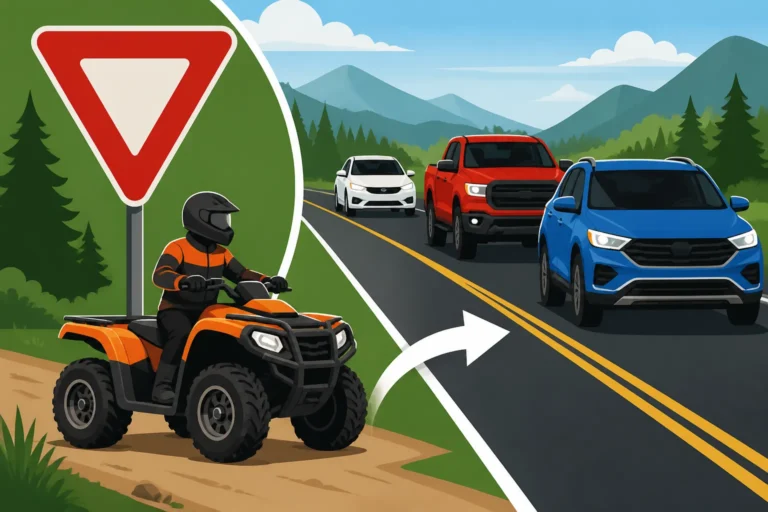
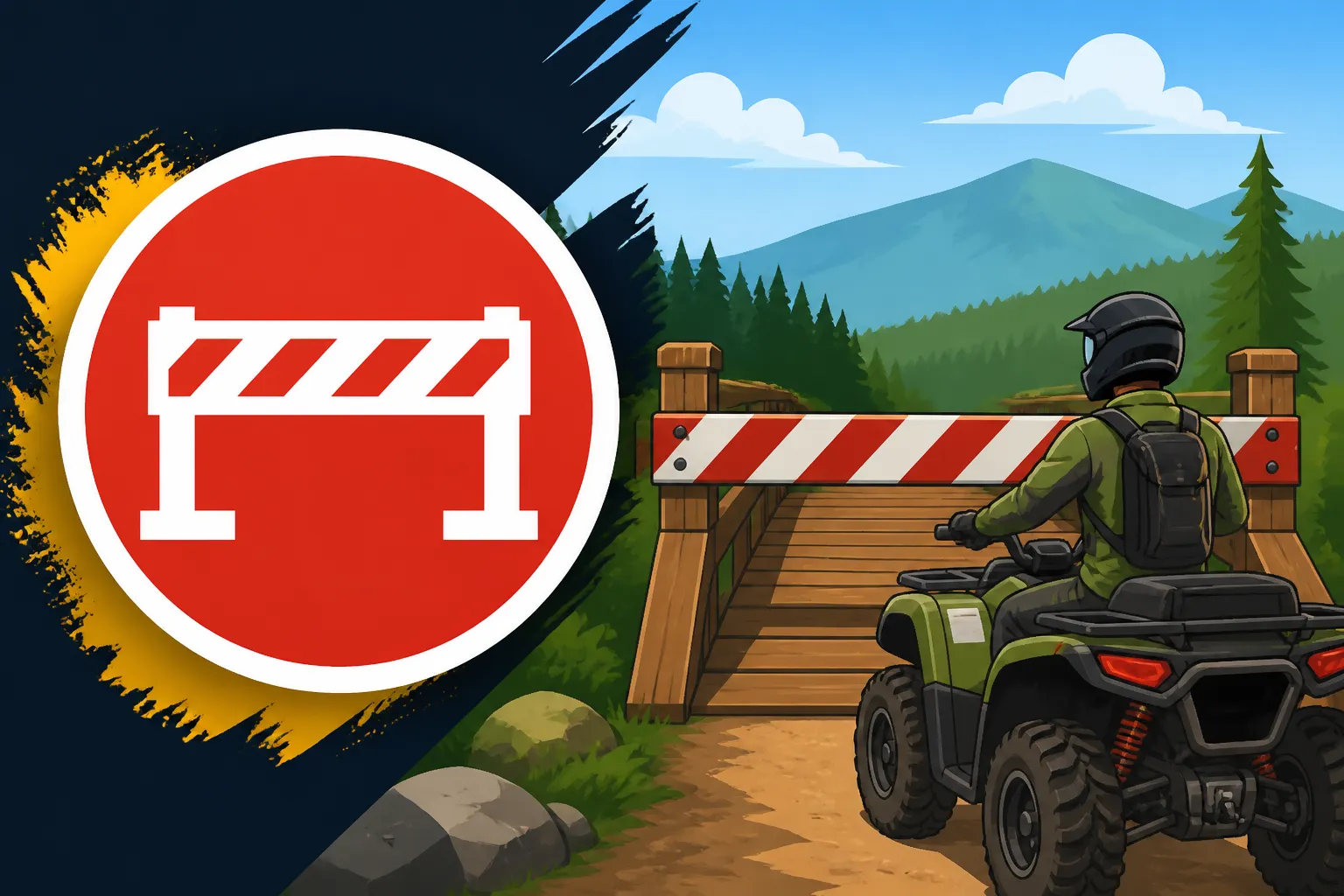
Picture this: you're out on a beautiful day, the engine is purring, and you're making good time toward your planned lunch spot or scenic overlook. Then, boom – a bright orange or red sign, often accompanied by ropes, gates, or even strategically placed rocks, declares the bridge ahead "CLOSED." It can feel like a real punch to the gut, especially if you've been looking forward to that specific section of trail. But let's be crystal clear: when you see that sign, it's not a suggestion; it's a firm directive.
Ignoring a "Closed" sign on a bridge isn't just a minor inconvenience; it carries significant risks. First and foremost, there's your safety. These signs are almost always posted because crossing the bridge is unsafe. This could mean anything from structural instability that could lead to a collapse under your machine's weight to ongoing maintenance that makes the area hazardous with heavy equipment or exposed construction. The last thing any of us wants is to end a fun ride with an accident, a broken machine, or worse, a serious injury.
Beyond the immediate physical dangers, there are very real legal consequences. Riding past a clearly marked "Closed" sign can be considered trespassing, especially if the bridge or the land it sits on is private property, even if it's part of a public trail system by agreement. You could face hefty fines for riding on a closed trail or bridge. Conservation officers and local law enforcement take these closures seriously, understanding the danger they present and the potential liability. Imagine getting a ticket for [New Hampshire Fines for an OHRV Violation] when all you wanted was to enjoy a peaceful ride. It’s definitely not the kind of souvenir you want to take home from the trail.
Furthermore, ignoring these signs can jeopardize the future of trail access for everyone. The trail systems we all enjoy are often a delicate balance of landowner permissions, club volunteer efforts, and state regulations. When riders disregard closures, it erodes trust with landowners and can lead to entire sections of trail being permanently shut down. One person's impatience can ruin access for hundreds of riders down the line. It's a stark reminder that our actions on the trail have broader implications.
Understanding Why Bridges Close to OHRV Traffic
It's natural to feel frustrated when a bridge is closed, especially when you can't immediately see the "problem." However, there's always a reason, and often, it's a complex mix of factors ranging from immediate safety hazards to long-term maintenance strategies. Understanding these reasons can help foster a more patient and responsible riding community.
Structural Integrity and Safety Concerns
The most common and critical reason a bridge is closed is a concern for its structural integrity. Bridges, like any other piece of infrastructure, are subject to wear and tear. Constant exposure to the elements—harsh New Hampshire winters, torrential spring rains, and scorching summer sun—takes its toll. Wood can rot, metal can rust, and foundations can shift. OHRVs, particularly larger side-by-sides, can be quite heavy, and if a bridge's capacity has been compromised, it simply cannot safely bear the load.
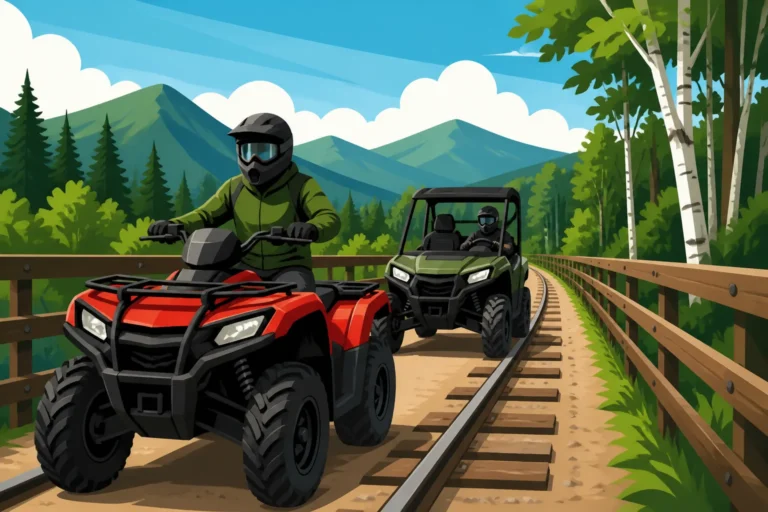
Consider a bridge that crosses a small stream. After a particularly heavy rain event, the water flow might have undercut one of the bridge's abutments, making it unstable, even if the bridge deck itself looks fine. Or perhaps freezing and thawing cycles have caused timbers to warp and crack. Many of the bridges on New Hampshire's OHRV trails are older, sometimes repurposed railroad trestles or logging bridges, which means their design might not be as robust as modern structures, and their age makes them more susceptible to deterioration. A closed sign here means an engineer or a knowledgeable trail maintainer has assessed the structure and deemed it too risky to cross. It’s for your own good, preventing potential collapses or accidents that could be catastrophic. These closures ensure that [Bridges Open to New Hampshire Machines] in the long run remain safe.
Maintenance and Construction Projects
Another frequent reason for bridge closures is ongoing maintenance or construction. Our trail clubs, often powered by dedicated volunteers, work tirelessly to keep the trails, including bridges, in top condition. This work might involve anything from replacing a few rotted deck boards to completely rebuilding a bridge from scratch. These projects take time, specialized equipment, and often require the bridge to be completely clear of traffic for safety reasons.
Imagine a crew of volunteers from a local club, perhaps using some heavy-duty tools and materials, working to shore up a bridge. They might be replacing a worn-out wooden deck with more durable composite materials, or installing new railings. Even if you don't see workers actively on the bridge at the moment you arrive, the closure might be in effect because the work isn't finished, materials are stored nearby, or certain sections are still unstable. Sometimes, a bridge might be completely removed for replacement, creating a significant gap in the trail. This is vital work that keeps our trails rideable and safe, and it's a testament to the dedication of the New Hampshire OHRV community. You'll often find that parts from companies like SuperATV are popular choices for clubs looking for durable, aftermarket solutions when repairing or upgrading trail infrastructure, given their reputation for ruggedness.
Landowner Agreements and Seasonal Factors
Sometimes, bridge closures aren't about structural failure but rather about agreements with landowners or specific seasonal conditions. Many OHRV trails in New Hampshire cross private land, made possible by agreements between landowners and trail clubs. These agreements can be incredibly valuable, opening up miles of scenic riding, but they often come with specific conditions. A landowner might, for example, temporarily withdraw permission to cross a specific bridge due to logging operations in the area, a sensitive wildlife nesting season, or simply personal preference. A "Closed" sign in this context means that the club is honoring that agreement, and riding past it would constitute trespassing and could jeopardize future access for everyone. It's crucial to respect these landowner wishes, as maintaining good relationships is key to the longevity of our trail network. Violating these rules is a direct breach of [New Hampshire Landowner Permission Rules].
Additionally, certain seasonal factors can necessitate bridge closures. While not as common for bridges specifically as for general trails, extreme conditions like severe flooding might make a bridge impassable or even submerged, even if structurally sound. Or, in some rare cases, specific bridges might be closed during hunting season to avoid conflicts or provide safe passage for game. Although less direct, [New Hampshire's Mud Season Ban] often closes entire sections of trail, and bridges within those sections would naturally be closed as well.
What to Do When You Encounter a Closed Bridge
Okay, so you've pulled up to a closed bridge, and now you know why it might be closed. The next question is, what's your best course of action? The answer might seem simple, but it requires discipline and a commitment to safe, responsible riding.
Respect the Sign and Turn Around
This is the golden rule: Always respect a "Closed" sign. No matter how frustrating it is, how perfect the weather, or how eager you are to complete your planned route, do not attempt to cross a closed bridge. This isn't the time for "just looking," "testing the waters," or trying to squeeze your machine past a barrier. The reasons for the closure, whether obvious or not, are critical. Trying to circumvent the closure by riding around the sign, off the designated trail, or through adjacent private property is not only dangerous but also likely illegal. You could be charged with [New Hampshire Trespass Rules for Riders], facing fines and potentially even legal action from landowners.
Think about the bigger picture. If you get stuck, injure yourself, or cause further damage to an already compromised bridge, you're creating a bigger problem for everyone. Emergency services might have difficulty reaching you, and repairs could be further delayed. It’s always better to err on the side of caution, turn your machine around, and find an alternative.
Check for Alternate Routes and Trail Updates
Once you've accepted the bridge is closed, your next step is to figure out your options. Do you have a paper map or a GPS app that shows alternate routes? Sometimes, clubs will establish temporary detours around a closed bridge, especially if the closure is expected to be long-term. Look for signs indicating a bypass, though these aren't always possible due to terrain or land ownership.
A much better approach is to check for trail updates before you even head out. Many OHRV clubs in New Hampshire maintain active websites and social media pages where they post real-time updates on trail conditions, including bridge closures. The New Hampshire Fish and Game Department also often has information. Taking a few minutes to check [New Hampshire Trail Status Before You Ride] or consult [New Hampshire Trail Maps From a Club] can save you hours of frustration on the trail. If you see a major bridge closure on your intended route, you can plan an entirely different ride or choose a different area. While robust parts from SuperATV can enhance your machine's capability on rough trails, they can't make a closed bridge passable. Having reliable navigation, however, can help you find an alternative path without getting lost.
Report the Closure and Plan Ahead
If you encounter a "Closed" sign that seems out of place – maybe it's fallen over, looks very old, or the bridge appears perfectly fine (though appearance can be deceiving) – consider reporting it. The best people to contact are the local OHRV club responsible for that section of trail or the [New Hampshire Fish and Game and OHRVs] Department. They can verify the status, replace damaged signs, or investigate if there's a new issue. Providing accurate information helps maintain the trail system for everyone.
Finally, always plan ahead. When mapping out your rides, especially longer ones, try to identify potential alternative routes or bail-out points. Inform someone of your intended route and estimated return time. Pack essential tools, a first-aid kit, and enough supplies in case you need to reroute or if your ride takes longer than expected due to an unexpected closure. A little foresight can turn a frustrating bridge closure into a minor detour rather than a ruined day. Remember, ignoring these closures can lead to [New Hampshire Fines for a Trail Violation], impacting your wallet and the reputation of the OHRV community.
The Role of Clubs and Trail Maintenance in Bridge Closures
When you see a "Closed" sign on a bridge, it’s a direct consequence of the immense, often unseen, effort that goes into maintaining our expansive trail system. Understanding the vital role of OHRV clubs and how trail maintenance is funded can help foster a deeper appreciation for these necessary closures.
The Backbone of the Trail System
The vast majority of OHRV trails and their accompanying bridges in New Hampshire are maintained by volunteer OHRV clubs. These dedicated groups are the true backbone of the trail system, pouring countless hours into clearing brush, repairing treadways, and, yes, maintaining bridges. Without their tireless efforts, much of the riding access we enjoy simply wouldn't exist. When a bridge closes for maintenance, it's typically because a club has identified a problem and is actively working to fix it. This isn't a paid crew doing a job; it's often your fellow riders, donating their weekends and their sweat to keep the trails open and safe for everyone. They manage everything from minor repairs to significant structural overhauls.
These clubs rely on the support of their members and the wider riding community. Membership dues and volunteer hours are critical resources. When you see a bridge closed for repairs, it's a visible sign of this ongoing commitment. The durability of trail components is key, and clubs often look for robust solutions. For example, some might consider using heavy-duty hardware or structural components, perhaps even designed for extreme conditions, from companies like SuperATV, to ensure that their repairs last longer and can withstand the rigors of OHRV traffic and weather.
Funding and Resources for Bridge Repair
Bridge repairs, especially significant ones, can be incredibly expensive. Materials like steel, specialized timber, or concrete can cost thousands of dollars, and sometimes professional contractors are needed for complex engineering challenges or heavy equipment operation. This is where your registration fees play a crucial role. A portion of every OHRV registration fee in New Hampshire goes into a dedicated fund that clubs can apply for as trail grants. These [New Hampshire Trail Grants From Registration] are essential for funding major projects, including bridge construction and rehabilitation.
However, applying for grants, getting permits, securing materials, and mobilizing volunteers or contractors takes time. A bridge might be identified as needing repair in the spring, but the actual work might not commence until summer or fall due to planning and funding cycles. During this interim, or when work is actively underway, the bridge must remain closed for safety. It’s a complex process that requires patience and understanding from riders. Knowing that your registration money helps fund these vital repairs can make those "Closed" signs a little less frustrating.
Communication and Rider Responsibility
OHRV clubs work diligently to communicate trail and bridge closures through multiple channels, including signage, their websites, social media, and sometimes even local news outlets. Riders have a responsibility to seek out and heed this information. Before heading out, make it a habit to check the latest trail conditions. If a bridge on your planned route is closed, adjust your plans accordingly. This might mean finding an alternative trail, shortening your ride, or even postponing it.
Ignoring these closures not only puts you and your machine at risk but also damages the relationship between clubs, landowners, and the wider community. Every instance of someone disregarding a "Closed" sign makes it harder for clubs to secure and maintain permissions, ultimately threatening the existence of the trails we love. Being a responsible rider means being informed, being respectful of closures, and understanding that the "Closed" sign is a necessary part of the ongoing effort to preserve and improve the fantastic OHRV opportunities New Hampshire offers. It helps ensure that everyone, including the clubs, can keep [What a Club Does to Keep a Landowner Onside].
| Reason for Bridge Closure | Typical Cause | Action Required by Rider | Potential Consequences of Ignoring |
|---|---|---|---|
| Structural Damage | Deterioration, flood damage, heavy use | DO NOT CROSS. Turn around, find an alternate route. | Injury, machine damage, further bridge damage, legal liability. |
| Active Maintenance | Repairs, upgrades, new construction | DO NOT CROSS. Respect work zones, seek detours. | Interference with work, safety hazard, legal issues. |
| Landowner Request | Private property concerns, specific conditions | DO NOT CROSS. Respect private agreements, find other trails. | Trespassing fines, loss of future trail access for community. |
| Seasonal Conditions | Severe flooding, extreme ice, wildlife needs | DO NOT CROSS. Assess overall trail conditions, reroute. | Safety risk, environmental damage. |
Disclaimer
This article is for general informational purposes only and does not constitute professional advice. Laws, prices and regulations vary by location and change over time. Consult a qualified professional for guidance on your specific situation.