Why a Helmet Stops Being Required at Eighteen
There's often a bit of confusion swirling around the helmet laws for OHRV riders in New Hampshire, especially when it comes to the age at which things change. Many folks hit that magic age of 18 and wonder if they can finally ditch the helmet. This guide is here to untangle the specifics of New Hampshire's OHRV helmet law, explaining why the requirement shifts at 18 and what other crucial safety considerations you should keep in mind, regardless of your age.
The Specifics of New Hampshire's OHRV Helmet Law for Adults
Riding an Off-Highway Recreational Vehicle (OHRV) in New Hampshire is an incredible experience, offering access to some of the most scenic trails in the Northeast. However, it's paramount to understand the rules of the trail, especially when it comes to safety gear like helmets. The Granite State has clear regulations, and they primarily hinge on the age of the rider.
The Legal Age for Helmet Exemption
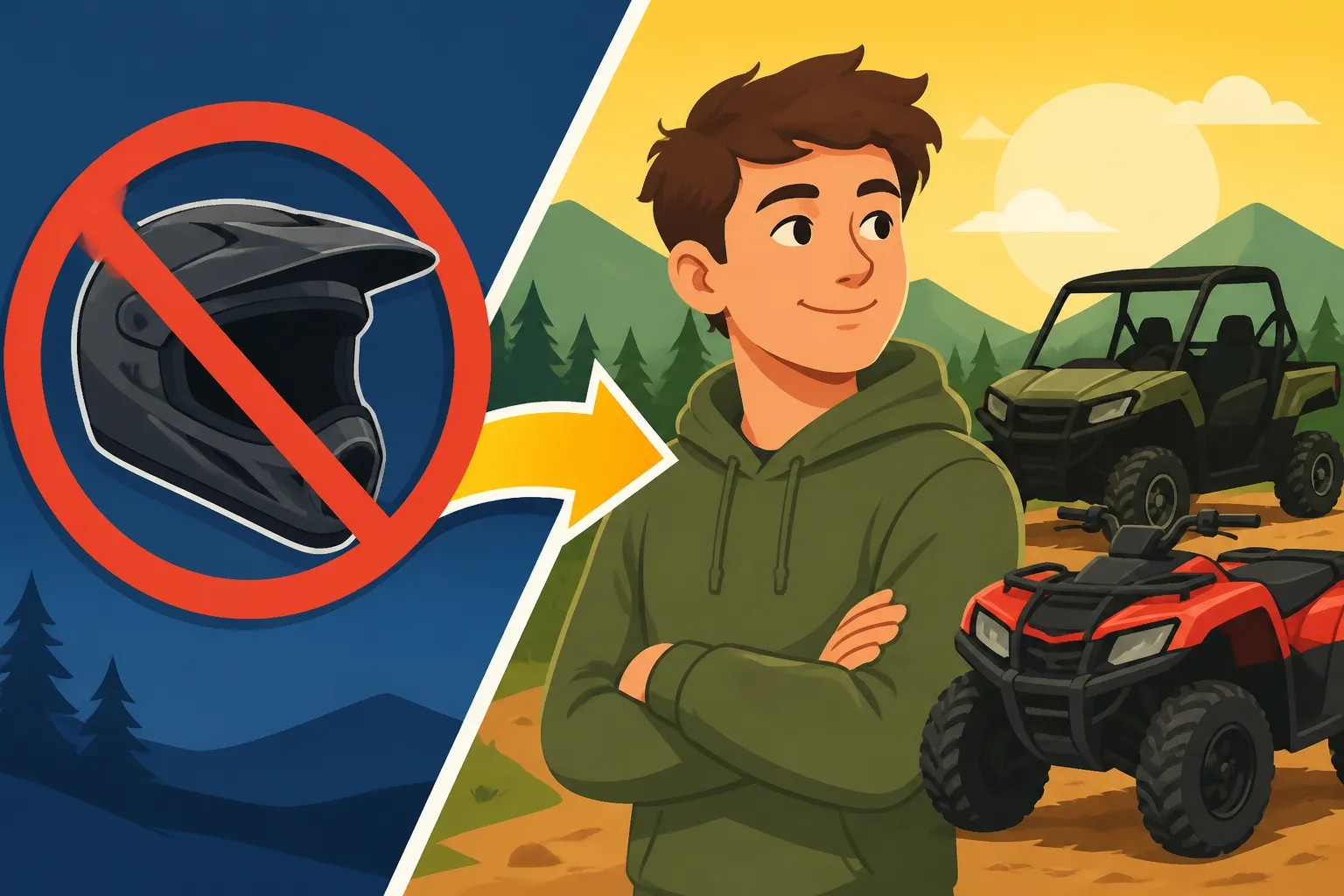
Let's cut right to the chase: in New Hampshire, once an OHRV operator turns 18 years old, they are no longer legally required to wear a helmet while riding their machine. This is a significant distinction from the rules for younger riders, which we'll delve into shortly. The state essentially recognizes individuals aged 18 and over as adults capable of making their own decisions regarding personal safety while operating an OHRV. This aligns with many other legal thresholds for adulthood, such as voting, signing contracts, and purchasing certain items.
However, it’s important to understand that "not legally required" does not mean "recommended" or "safe." While the law grants you the option to ride without a helmet at 18, the inherent risks of OHRV riding don't magically disappear on your birthday. The law provides a minimum standard, not a complete safety guide. Many seasoned riders, even those well over 18, continue to wear helmets for the peace of mind and protection they offer, especially when tackling challenging terrain or riding at higher speeds. They know that an unexpected tip-over or an encounter with a low-hanging branch can happen in an instant, and a helmet is the best defense against severe head injury.
When a Helmet Is Still Required, Regardless of Age
While the 18-year-old operator gets a legal pass, the helmet law doesn't vanish entirely from your ride. There are crucial situations where a helmet remains a strict legal requirement, no matter if you're the driver or a passenger, and regardless of your own age. Failing to adhere to these rules can lead to fines and, more importantly, put lives at risk.
Firstly, if you are operating an OHRV and have any passenger under the age of 18, that passenger must wear a helmet. It doesn't matter if you, the adult operator, are helmet-free; the minor passenger needs that protection. This rule applies uniformly across all OHRVs, from ATVs to side-by-sides. Similarly, if there's a rider under 18 operating their own machine, they are also legally required to wear a helmet. New Hampshire's laws are very clear on [New Hampshire Helmet Rules for Riders Under 18]. This highlights the state's priority in protecting its younger, less experienced riders, acknowledging their increased vulnerability and the need for parental or guardian oversight.
Secondly, remember that a [New Hampshire Helmet Law for Passengers] is always in effect for those under 18. This means even if you're an adult riding a UTV, and your 16-year-old child is buckled in beside you, they need a helmet. This is not just a suggestion; it's a non-negotiable legal requirement. So, while you might enjoy the open air, always ensure any younger riders or passengers in your group are properly geared up with an approved helmet. Safety on the trails is a shared responsibility, and protecting minors is at the top of that list.
Understanding the "Why" Behind the Eighteen-Year-Old Threshold
The specific age-based helmet law in New Hampshire isn't arbitrary; it reflects a broader legal framework regarding adult responsibility and a rider's presumed ability to assess and manage personal risk. It’s a point that often sparks conversation, but there's a logic to it, even if some riders choose to prioritize additional safety regardless.
Adult Responsibility and Legal Capacity
In New Hampshire, as in many states, turning 18 marks a significant legal milestone. At this age, individuals are generally considered adults, endowed with the full rights and responsibilities that come with that status. This includes the ability to vote, enter into contracts, purchase tobacco products, and, crucially for OHRV enthusiasts, make personal safety choices in certain contexts without being legally mandated to wear a helmet. The assumption is that an 18-year-old adult possesses the judgment and understanding of risk to decide whether or not to wear a helmet while operating an OHRV.
This legal shift aligns with the state's approach to other modes of transportation. For instance, while motorcyclists in New Hampshire are generally not required to wear helmets if they are over 18, occupants of cars (who are also adults) are not legally compelled to wear head protection, although seat belts are mandatory. The OHRV helmet law for adults mirrors this philosophy, placing the onus of head injury prevention on the individual once they reach legal adulthood. It’s a recognition that the state can only legislate a certain level of safety, and beyond that, personal accountability comes into play. Riders often weigh comfort against risk, and the law at 18 gives them that choice.
Eye Protection: The Unsung Hero of Safety
While the helmet requirement might disappear for adults over 18, there's another piece of safety gear that remains vitally important, and often legally mandated: eye protection. This is a critical detail that sometimes gets overlooked when riders are focused solely on helmet laws. New Hampshire law states that all OHRV operators and passengers must wear eye protection unless the machine is equipped with a windshield or screen that effectively protects the eyes.
Think about it: even on a seemingly calm day, riding an OHRV kicks up dust, mud, and small stones. Tree branches can whip back unexpectedly, and insects can become high-speed projectiles. An impact to the eye at speed can not only cause immediate injury but can also lead to a momentary loss of vision, which is incredibly dangerous when you're operating machinery. High-quality goggles or glasses designed for riding are essential for maintaining clear vision and protecting your eyes from these hazards. Even if you've kitted out your UTV with robust aftermarket accessories like those from SuperATV, which might include strong doors or brush guards, eye protection for every rider remains non-negotiable unless that effective windshield is present.
Even for machines with a windshield, it's worth considering the angles and potential for debris to still get past. A well-designed full-face helmet often incorporates a visor that provides excellent eye protection, making it a dual-purpose piece of gear. For those opting for an open-face helmet or no helmet at all, dedicated riding goggles are absolutely essential. This isn't just about avoiding a ticket; it's about protecting one of your most vital senses and ensuring you can see the trail clearly and react safely to changing conditions. The [New Hampshire Eye Protection Requirement] is a reminder that some safety measures are universal.
Beyond the Law: Prioritizing Your Personal Safety
While New Hampshire's law offers a certain degree of freedom to adult OHRV operators regarding helmet use, it's crucial to understand that legal allowances do not equate to a recommendation for reduced safety. The wilderness of New Hampshire, with its diverse terrain and unpredictable conditions, presents inherent risks that no rider, regardless of age or experience, should underestimate.
The Risks of Riding Without a Helmet
Riding an OHRV, whether it's an ATV or a UTV, carries intrinsic risks, and head injury is among the most severe. Even on seemingly easy trails or at moderate speeds, accidents can happen in a split second. A sudden loss of traction, an unexpected obstacle, or even another rider's mistake can lead to a rollover or an ejection from the machine. The ground, rocks, trees, and even the machine itself can inflict severe head trauma. A helmet acts as a critical buffer, absorbing impact energy and distributing forces to protect the skull and, more importantly, the brain.
Consider this scenario: you're cruising along a familiar trail, perhaps distracted for a moment, and hit a loose patch of gravel. The front end washes out, and you're thrown sideways. Without a helmet, your head could strike the ground, a rock, or the roll bar of your UTV. The consequences of such an impact can range from concussions and skull fractures to traumatic brain injuries that can have lifelong effects. While the law might grant you the choice at 18, the laws of physics do not change. Every emergency responder and medical professional will tell you that a helmet dramatically increases your chances of surviving and recovering from a serious OHRV accident. It's a small investment for potentially life-saving protection.
Choosing the Right Protective Gear
Even if you choose not to wear a helmet as an adult, or if you're looking for gear for younger riders who must wear one, selecting the right protective equipment is vital. A good helmet isn't just a legal checkbox; it's an essential piece of safety equipment. When choosing a helmet, look for one that meets recognized safety standards such as DOT, Snell, or ECE. These certifications mean the helmet has been rigorously tested to provide a certain level of impact protection.
For OHRV riding, a full-face helmet offers the most comprehensive protection, covering the entire head and face, including the chin bar. Open-face helmets provide good head protection but leave the face exposed, necessitating separate eye protection. There are also modular helmets that offer a compromise, with a chin bar that can flip up. Beyond the helmet, consider other protective gear:
- Riding Jacket: Offers abrasion resistance and often includes armor for shoulders, elbows, and back.
- Gloves: Protect hands from scrapes, blisters, and impacts.
- Riding Pants: Provide better protection than jeans against abrasion and impacts.
- Over-the-Ankle Boots: Offer support and protection for your feet and ankles, especially important in rollovers or when putting a foot down unexpectedly.
Companies like SuperATV offer a wide range of aftermarket accessories, from winch systems to robust bumpers, that enhance the utility and sometimes the passive safety of your machine. However, personal protective gear remains critical. Investing in high-quality gear for yourself and your family is a testament to prioritizing safety over perceived convenience. It ensures that every ride is as safe as possible, allowing you to fully enjoy the thrill of New Hampshire's expansive trail network.
Here's a quick comparison of common helmet types and their benefits:
| Helmet Type | Coverage | Primary Benefits | Considerations |
|---|---|---|---|
| Full-Face | Head, face, jaw | Maximum protection, integrated visor, debris shield | Can feel restrictive, less airflow |
| Open-Face (3/4) | Head, ears | Good airflow, wider field of vision | Face and jaw exposed, requires separate eye protection |
| Modular/Flip-Up | Varies (full-face when closed) | Versatility, can lift chin bar for communication | Heavier, more complex, potential points of failure |
| Motocross/Off-Road | Head, forehead, often with peak | Excellent ventilation, wide eyeport for goggles, peak to block sun/roost | Designed for goggles, peak can catch wind at speed |
Navigating New Hampshire's Diverse OHRV Trails and Regulations
New Hampshire offers an incredible variety of OHRV experiences, from the expansive Ride the Wilds network in the North Country to picturesque rail trails further south. Each trail system, and even different sections of the same trail, can present unique challenges and, sometimes, specific rules beyond state law. Understanding these nuances is key to a safe and enjoyable adventure.
Trail Conditions and Specific Rules
The Granite State's OHRV trails are as diverse as its landscape. You might be navigating rocky, technical terrain in Jericho Mountain State Park one day, and cruising a relatively flat, smooth rail trail the next. These varying conditions directly impact the risk level of your ride. A fall on a paved rail trail is different from a fall on jagged rocks or down a steep embankment. This is where personal judgment, even when the law allows for a helmet-free ride, truly comes into play. Many riders, knowing the unpredictable nature of off-road conditions, choose to wear a helmet consistently, understanding that terrain can change rapidly, and obstacles can appear out of nowhere.
Furthermore, while state law sets the baseline, certain private landowners, OHRV clubs, or organized events may impose stricter safety rules. For instance, a specific club might require all riders, regardless of age, to wear a helmet to access their trails. Similarly, an organized poker run or a competitive event will almost certainly mandate helmets for all participants. Always check with the specific trail system, club, or event organizer for any additional requirements before you ride. It’s not uncommon for clubs that receive state grants or work with land managers to have robust safety protocols, and respecting these rules helps ensure continued trail access for everyone. [New Hampshire Landowner Permission Rules] often come with unwritten, or sometimes written, expectations of safe riding practices.
Passengers and Youth Riders: A Clear Distinction
This point bears repeating because it's so critical and often a source of confusion: New Hampshire law makes a very clear distinction regarding helmets for minor riders and passengers. While an adult operator aged 18 or older might legally ride without a helmet, any rider or passenger under the age of 18 must wear an approved helmet. There are no exceptions to this rule. This means if you have your child, grandchild, niece, or nephew riding with you, whether they are operating their own machine or sitting beside you in a side-by-side, they need to be helmeted.
This rule is designed to protect our most vulnerable riders. Children and teenagers are still developing physically and cognitively, making them more susceptible to serious injury in an accident. Their reaction times might be slower, their judgment less developed, and their bodies less capable of absorbing impact. The helmet requirement for minors is a foundational aspect of [New Hampshire Age Rules for OHRV Riders] and is strictly enforced to ensure their safety. As the adult in charge, it is your responsibility to ensure that all minors under your supervision are not only wearing helmets but also have proper training, adequate supervision, and are riding machines appropriate for their size and skill level. Ignoring this crucial law not only risks a fine but also puts a young person's life in unnecessary danger. Always prioritize their safety above all else when hitting the beautiful trails of New Hampshire.
Disclaimer
This article is for general informational purposes only and does not constitute professional advice. Laws, prices and regulations vary by location and change over time. Consult a qualified professional for guidance on your specific situation.