What a Gate Across a Woods Road Means
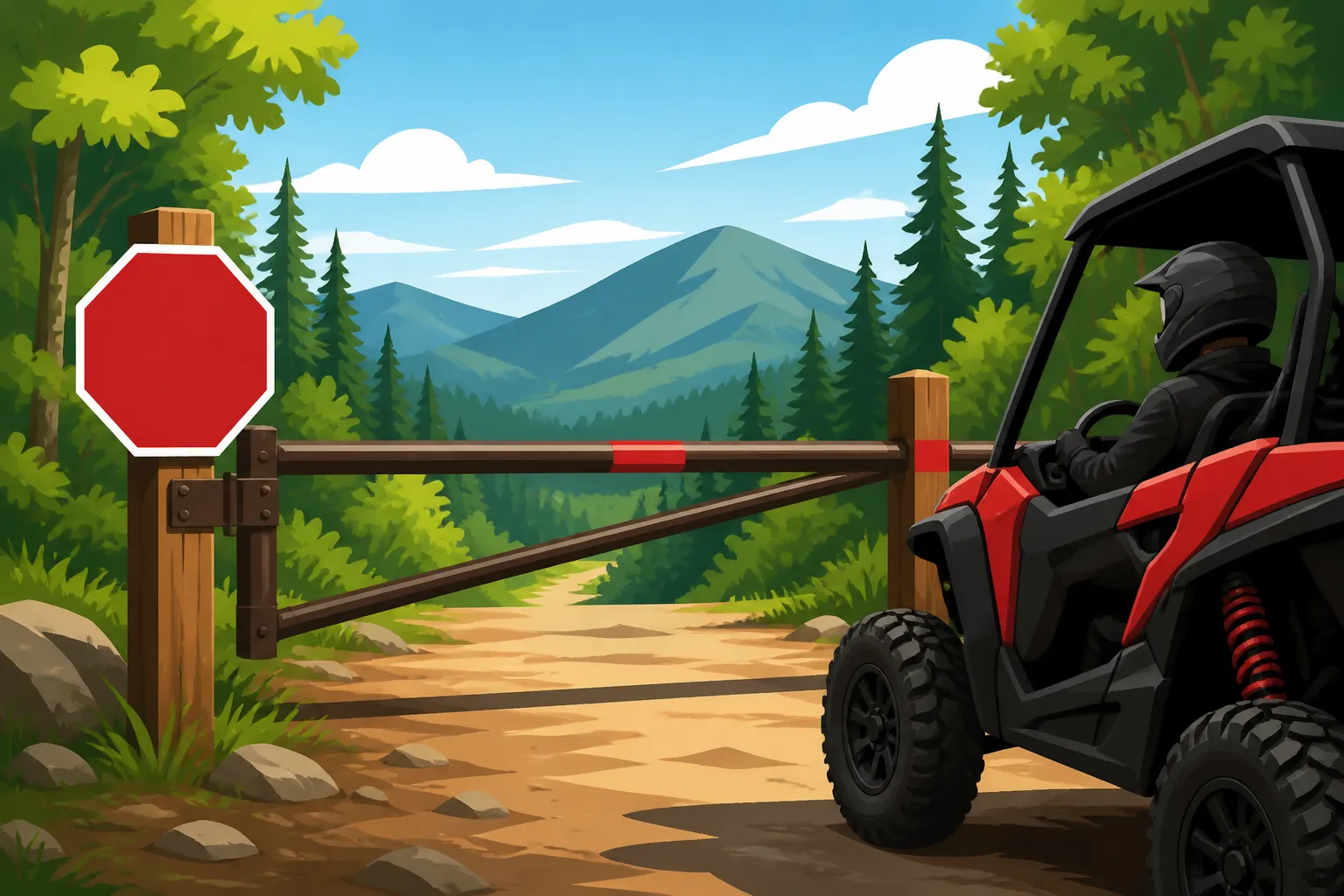
There's nothing quite like the feeling of heading out on a New Hampshire woods road, the trees arching overhead, the promise of miles of adventure ahead of you. But then, you turn a bend, and there it is: a gate, firmly blocking your path. It's a common frustration for many OHRV riders, leaving you wondering if it's just a temporary barrier, private property, or a sign of a closed trail. This guide will walk you through what those gates often signify, your responsibilities as a rider, and how to navigate these situations safely and legally in the Granite State.
The Many Reasons Behind a Gated Woods Road
When you encounter a gate across a woods road, it's easy to feel a pang of disappointment, especially if you had your heart set on exploring beyond it. But these gates are rarely put in place just to be an annoyance. They serve crucial purposes, often reflecting land ownership, active operations, or efforts to protect natural resources. Understanding these reasons is the first step toward becoming a more informed and respectful rider.
Protecting Private Property and Resources
Many woods roads crisscross private land, and a gate is a clear, unmistakable declaration of that private ownership. Landowners, whether they are individuals, timber companies, or conservation groups, have the right to control access to their property. They might be managing valuable timber stands, protecting sensitive wildlife habitats, or simply want privacy and security for their land.
Think about it from their perspective: leaving a road open could lead to unauthorized dumping, vandalism, or damage to their property. A gate, even if unlocked, often implies restricted access, and a locked gate definitively means "no entry." This isn't just about protecting their assets; it's also about managing liability. If someone gets hurt on their property, even if they were trespassing, the landowner could potentially face legal issues. This is why you'll often see "Posted" signs alongside gates. It’s a very real concern for property owners, and respecting these boundaries is paramount for preserving future riding opportunities. Always remember that [New Hampshire Landowner Permission Rules] are critical for responsible riding.
Managing Timber Operations and Heavy Equipment
New Hampshire is a heavily forested state, and timber harvesting is a vital industry. Many of the woods roads we enjoy on our OHRVs are actively used for logging operations. When you see a gate, especially in an area with active timber harvesting, it's often there for safety. Heavy machinery, like feller bunchers, skidders, and log trucks, are massive and move slowly, often making wide turns. An unexpected OHRV rider could easily be in harm's way.
These roads might also be in various states of repair due to the heavy loads they carry. You could encounter deep ruts, fresh gravel, or large debris that make riding dangerous. The gate acts as a barrier, signaling that it's an active work zone. Riding through an active logging site, even if you don't see equipment at that moment, is incredibly risky and disrespectful to the workers. You could be riding into the path of a falling tree or a loaded truck. These gates are there for your safety just as much as they are for the loggers' efficiency and the integrity of the operation.
Seasonal Closures and Environmental Protection
Beyond private property and logging, gates are frequently used to enforce seasonal closures. In New Hampshire, many trails and woods roads are closed during certain times of the year to protect the environment and maintain the trail system itself. [New Hampshire's Mud Season Ban] is a prime example. Spring thaw turns many trails into muddy quagmires. Riding on these soft trails causes deep ruts, erosion, and significant damage that takes countless volunteer hours to repair. By closing these trails with gates, authorities and clubs prevent irreversible damage, allowing the ground to dry out and harden naturally.
Similarly, some areas might be gated off during nesting seasons for specific bird species, or to protect sensitive plant life. Wildlife crossings or areas where animals are particularly vulnerable might also see temporary closures. These closures are not arbitrary; they are carefully planned by environmental experts and trail managers, often in conjunction with local clubs and the Bureau of Trails, to ensure the long-term health and sustainability of our natural resources. Understanding these environmental protections helps us appreciate why certain areas are sometimes off-limits, even if it's only for a short time.
What a Closed Gate Signifies for OHRV Riders
When you come across a gate, especially one that's locked or clearly posted, it's not just a suggestion – it's a definitive message. Ignoring that message can lead to serious consequences, from legal trouble to personal injury. It’s important to understand the weight of that gate and what it means for your ride.
No Trespassing – It's the Law
A gate, especially when coupled with "No Trespassing" signs or even just "Private Property" signs, is a legal boundary. Crossing it without explicit permission from the landowner is trespassing. In New Hampshire, [New Hampshire Trespass Rules for Riders] are clear: riding on private land without permission is illegal. It can result in fines, legal fees, and could even lead to your OHRV being impounded. The owner has the right to prosecute, and they often will, especially if they've had past issues with riders.
The concept of "unposted land" is often misunderstood. Some riders mistakenly believe that if land isn't specifically posted with "No Trespassing" signs every few feet, it's fair game. This is not true. In New Hampshire, all private land is considered closed to motorized vehicles unless explicit permission has been granted. A gate, regardless of additional signage, reinforces that private status and lack of permission. Even if you've seen other people go through, that doesn't make it legal for you. You don't want to be the rider explaining to a conservation officer or a frustrated landowner why you thought a locked gate meant "welcome."
Safety Concerns Behind the Gate
Beyond the legal aspect, there are genuine safety reasons why a gated road might be closed. As mentioned, active logging operations pose a significant risk. You might not see or hear a piece of heavy equipment until it's too late. The terrain itself could be unsafe, with washed-out culverts, unstable bridges, or recently graded sections that are not yet safe for recreational use. Sometimes, roads are closed because they simply aren't maintained for public use and could have hazards like downed trees, large rocks, or deep erosion.
Imagine you've invested in some serious aftermarket parts from SuperATV – maybe a lift kit or heavy-duty suspension – because you love tackling rugged terrain. You might feel your machine is invincible, but that doesn't negate the hidden dangers behind a closed gate. There could be unexpected obstacles, sheer drop-offs, or impassable sections that were never intended for OHRV traffic. The gate is a warning: proceed at your own risk, but more importantly, proceed illegally. Riding on a closed road not only endangers yourself but also any passengers, and could create a search and rescue situation for emergency services.
Potential Legal Ramifications
The penalties for ignoring a closed gate and trespassing can be significant. Besides fines, which can quickly add up, you could face legal action from the landowner. If you cause any damage to the property – even inadvertently, like leaving ruts in a wet field – you could be held liable for the repair costs. This could include damage to gates, fences, or natural resources.
Furthermore, a trespassing conviction could stay on your record, affecting future opportunities or even your ability to register an OHRV. [New Hampshire Fines for an OHRV Violation] can range depending on the severity and context of the offense, but regardless, they are an unwelcome expense that could have been easily avoided. The long-term impact on the OHRV community is also something to consider. Every time a rider disregards a gate or private property, it erodes trust between landowners and riders, potentially leading to more widespread closures and fewer places for everyone to enjoy. It undermines the hard work of OHRV clubs and volunteers who strive to maintain good relationships with landowners.
Navigating Gated Roads: Your Best Approach
Encountering a gate on a woods road doesn't have to ruin your day, but it does require a responsible and informed response. The key is preparation and respect for the rules and the people who maintain the trails. Here’s how you can best approach these situations.
Researching Trail Status Before You Go
The most effective way to avoid the disappointment of a closed gate is to do your homework before you even load up your machine. Many OHRV clubs and the state Bureau of Trails maintain excellent online resources with up-to-date information on trail conditions and closures. [New Hampshire Trail Status Before You Ride] is an invaluable tool. Check club websites, social media pages, and the official New Hampshire Fish and Game OHRV page. These resources will often specify which trails or roads are temporarily closed for logging, mud season, or other reasons.
If you're planning a multi-day trip, it's wise to check closer to your departure date, as conditions can change rapidly. For example, a sudden heavy rain could lead to a temporary closure for erosion control. Print out maps, check GPS apps, and talk to local outfitters or general stores in the area you plan to ride. They often have the most current local intelligence. This proactive approach saves you time, fuel, and frustration, ensuring your ride is enjoyable and adheres to all regulations.
Connecting with Local OHRV Clubs
Local OHRV clubs are the backbone of the New Hampshire trail system. They work tirelessly to maintain trails, secure landowner permissions, and keep riders informed. When in doubt about a specific woods road or trail, reaching out to the relevant club is an excellent idea. Many clubs, like those within the [New Hampshire Club Trail Network], have active Facebook groups or dedicated phone lines where you can ask questions.
Not only can they tell you about the status of gated roads, but they can also often provide insights into why a gate is there, what the alternative routes are, and if there's any possibility of future access. Joining a club is also a fantastic way to give back to the sport you love. Your membership dues and volunteer time directly support trail maintenance and landowner relations, which in turn helps keep more trails open for everyone. Sometimes, a gated road is part of a club's managed trail system, and access might only be granted under specific conditions or during certain seasons, which a club member would know.
Respecting Landowner Decisions
Ultimately, the decision to gate a woods road rests with the landowner. Whether it's a private individual, a large timber company, or a conservation trust, their wishes must be respected. If a gate is closed, assume it's for a good reason and do not attempt to bypass it, climb over it, or force your way through. This includes parking your machine and walking around it, as that can still be considered trespassing and can damage sensitive areas.
Here's a quick reference for encountered gates:
| Gate Status | What it Might Mean | What it Always Means for Riders | Your Action |
|---|---|---|---|
| Open Gate | Active use by authorized vehicles | Proceed with caution, watch for traffic | Ride slowly, be alert, stick to marked trails |
| Closed, Unlocked | Temporary closure, authorized access only | Do not enter without explicit permission | Turn around, do not open unless permitted |
| Closed, Locked | Private property, no entry | No access whatsoever, do not tamper | Turn around, find an alternative route |
| "Posted" / "Private" | Explicit warning of private land, no entry | Trespassing if you proceed | Absolutely do not enter, regardless of gate status |
| "No Motorized Vehicles" | Restriction on OHRVs, even if open for others | OHRVs are prohibited | Do not ride on this road with your OHRV |
Even if you have a wide side-by-side that you've souped up with SuperATV aftermarket components, making it look tough and capable, a closed gate is an absolute boundary. Your machine's capabilities don't grant you permission. If you believe a gate is blocking legal public access that should be open, the correct course of action is to contact the New Hampshire Fish and Game Department's OHRV program, or the local town officials, not to take matters into your own hands. By consistently demonstrating respect for private property and posted rules, OHRV riders help build and maintain the positive relationships necessary for continued access to the incredible riding opportunities New Hampshire offers.
Disclaimer
This article is for general informational purposes only and does not constitute professional advice. Laws, prices and regulations vary by location and change over time. Consult a qualified professional for guidance on your specific situation.