Registering a Minor’s Machine in New Hampshire
It can be incredibly exciting for a young person to get their first off-highway recreational vehicle (OHRV), whether it's an ATV, UTV, or dirt bike. They've saved up, dreamed of hitting the trails, and now they've got the machine. But then comes the paperwork, and a common question that pops up is, "How exactly do I register an OHRV in New Hampshire if the owner is under 18?" This guide will clear up the confusion, explaining the unique requirements for getting a minor's machine legally registered and ready for adventure in the Granite State.
The Legal Age of Ownership and Registration in New Hampshire
Navigating the rules for OHRV registration when a minor is involved can feel a bit like a maze. It’s not as straightforward as just putting a teenager’s name on the dotted line. New Hampshire, like many states, has specific legal frameworks in place that dictate who can officially register a vehicle, and these are rooted in broader legal principles concerning minors and contracts.
Why Age 18 Matters for OHRV Registration
In New Hampshire, the law is pretty clear: you must be at least 18 years old to legally register an OHRV in your own name. This isn't just a random number; it's a legal cornerstone tied to the age of majority, which means the age at which a person is considered an adult in the eyes of the law. At 18, individuals can enter into binding contracts, assume legal responsibilities, and be held fully accountable for their actions. An OHRV registration is, in essence, a contract with the state, acknowledging responsibility for the machine's operation, maintenance, and adherence to all regulations.
Imagine a 16-year-old, Alex, who has diligently saved every penny from mowing lawns and working odd jobs to buy his dream ATV. He feels a deep sense of ownership and pride in his accomplishment. When he goes to register it, he’s naturally frustrated to learn he can’t put his own name on the registration certificate. It can feel like the system is telling him it's not truly "his" machine, even though he paid for it. This isn't to diminish his ownership, but rather to ensure there's a legally accountable adult who can be the primary contact and responsible party for the state.
This age requirement serves a vital purpose: it guarantees that a legally competent adult is always responsible for the OHRV. This adult will be the one receiving official notices, being contacted regarding renewals, and, crucially, accepting the legal liabilities that come with owning and operating a motorized vehicle. It's a protective measure, not just for the general public and the environment, but also indirectly for the minor, by placing the ultimate legal burden on someone who can legally bear it. [Why New Hampshire Registrants Must Be Eighteen] is a common point of confusion for many families.
Understanding the Registrant Versus the Rider
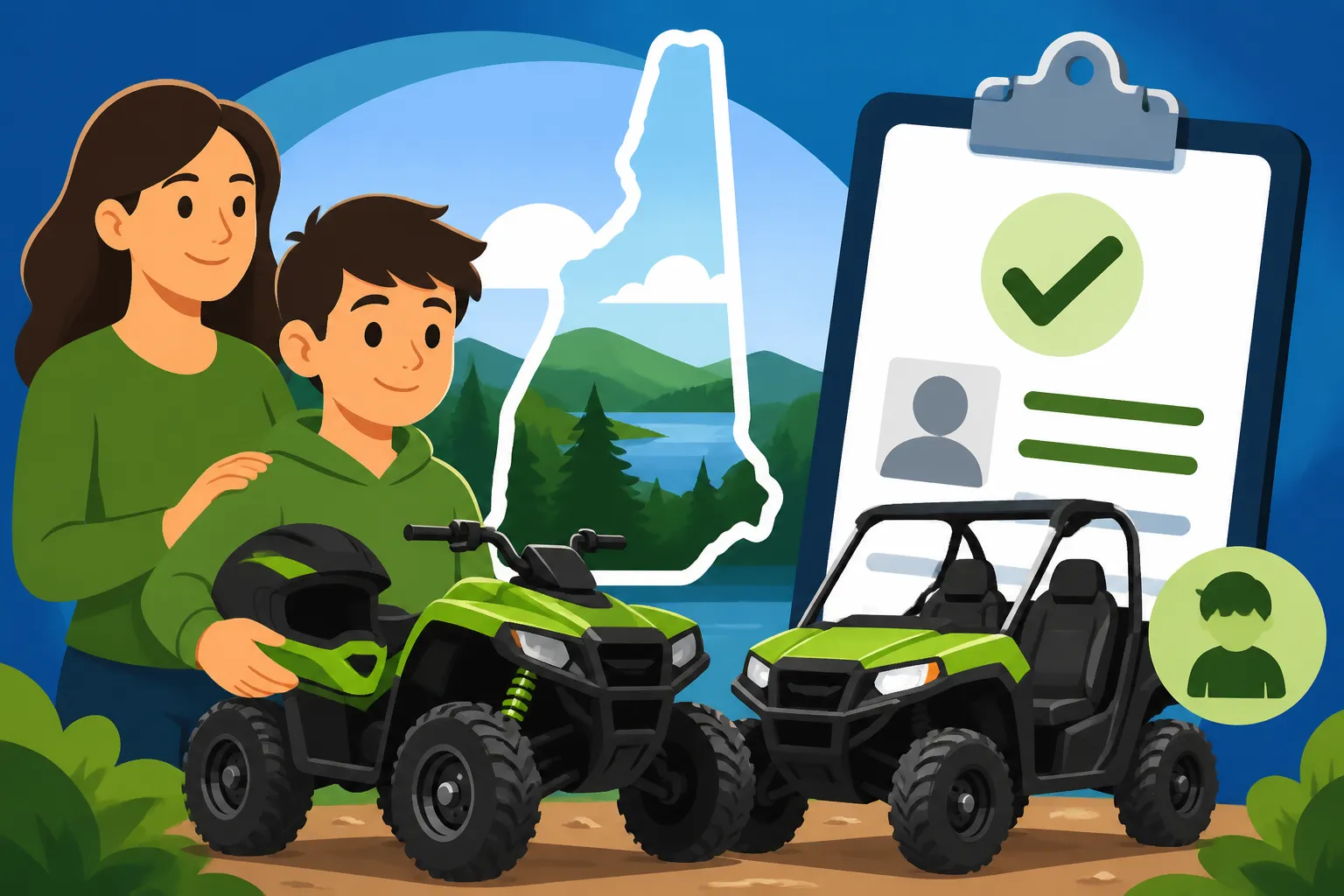
One of the most important distinctions to grasp in this scenario is the difference between the "registrant" and the "rider." While only an adult can be the legal registrant of an OHRV in New Hampshire, a minor can absolutely be the primary operator or rider of that machine. This separation is key to allowing young enthusiasts to enjoy the sport legally, even if they can't hold the registration certificate themselves.
Think of it much like a parent registering a car that their 16-year-old will primarily drive. The parent’s name is on the title and registration, making them the legal owner and responsible party, but the teenager is the one behind the wheel most of the time. The same principle applies to OHRVs. The adult registrant takes on the responsibility for the machine's legality and compliance, while the minor can still gain valuable riding experience and enjoy the trails.
The registration certificate will clearly display the adult's name as the owner/registrant, but the physical registration decals will be affixed to the OHRV itself. This makes the machine legally registered, permitting anyone who is eligible to ride it, including the minor. This distinction allows families to manage ownership and responsibility practically, ensuring that the necessary adult accountability is met while still fostering a love for OHRV riding in younger generations. It’s a pragmatic approach that balances legal requirements with the desire for minors to participate.
How a Minor Can "Own" a Machine (with an Adult Registrant)
Given that a minor cannot officially register an OHRV in their own name, families often wonder how to proceed when the machine is truly for the younger family member. The solution involves an adult stepping in to assume the formal role of registrant, while still acknowledging the minor's connection to the machine.
The Adult as the Official Registrant
Since New Hampshire law requires the registrant to be 18 or older, a responsible adult—most often a parent, legal guardian, or sometimes another trusted family member—must officially register the OHRV. This adult's name will appear on all the official paperwork, including the registration certificate and any renewal notices. They become the legal point of contact with the state regarding that specific OHRV. This doesn't mean the adult has to be an avid rider themselves, or even ride the machine at all; it simply means they are the legally accountable party.
For example, let's say a 15-year-old, Maya, received a new side-by-side as a birthday gift from her grandparents. Even though the machine is intended solely for Maya's use, one of her parents would need to complete the registration paperwork, listing themselves as the registrant. The previous bill of sale, often provided by the dealer or private seller, would then be used by the parent to prove their "ownership" for registration purposes. This step ensures that the state has a legally recognized adult to hold responsible for the OHRV’s registration status.
It's absolutely crucial for the adult taking on this role to understand the full scope of their responsibilities. Registering an OHRV in your name means you are legally linked to that machine. Should there be any fines for infractions, or liability issues arising from the machine's use, the state will look to the registered owner first. It's not just a formality; it's a significant legal commitment that should be taken seriously. This layer of adult oversight is fundamental to New Hampshire's approach to OHRV regulation, especially when minors are involved. [New Hampshire OHRV Decals and the Certificate] will be issued in the adult's name.
Financial Responsibility and Proof of Ownership for a Minor
Even with an adult as the official registrant, it's very common for minors to contribute financially to their OHRV purchase, or even pay for the entire machine themselves. While this doesn't change who appears on the state registration, families can certainly document this internal arrangement. For instance, a parent might create a simple, informal agreement stating that the minor paid for the OHRV, and the parent is registering it on their behalf for legal purposes. This kind of document doesn't alter the state's registration records, but it can provide clarity and acknowledge the minor's investment within the family. Services like LawDepot can be helpful for finding templates for these kinds of personal agreements or bills of sale that can be adapted.
When purchasing an OHRV, especially from a private seller, it's wise to ensure that the bill of sale clearly lists the adult registrant's name as the buyer. Even if the minor handed over the cash, having the adult's name on this crucial document streamlines the registration process. If the minor's name is on the bill of sale, the adult will still need to register it in their own name, potentially requiring additional explanation or an affidavit to clarify the "chain of ownership" if it ever becomes an issue. It’s always best to keep the official purchasing documents aligned with who will be the legal registrant. [New Hampshire ATV Bill of Sale Requirements] are specific, and getting them right from the start avoids future headaches.
For those buying from a New Hampshire powersports dealer, the process is often much smoother. Dealers are experienced in handling OHRV sales and subsequent registrations, including situations where an adult is registering a machine primarily for a minor. They will guide the adult registrant through the purchase agreement and ensure all necessary paperwork is correctly completed with the adult's information, making sure everything is aligned for immediate registration. This can significantly reduce the potential for errors or omissions, especially for families new to OHRV ownership.
The Registration Process for a Minor's Machine
Once the adult registrant is identified and the understanding of their role is clear, the actual process of registering the OHRV follows a standard procedure in New Hampshire. The main difference is simply whose name appears on the forms and who provides the identification.
Required Documentation When the Registrant is an Adult
When an adult is registering an OHRV that will primarily be used by a minor, the required documentation is fundamentally the same as if the adult were registering the machine for their own use. You'll need to gather a few key pieces of paperwork to ensure a smooth process. First and foremost is proof of ownership. For a new machine, this will typically be a Manufacturer's Statement of Origin (MSO) or Certificate of Origin (MCO). For a used machine, you'll need the previous owner's signed registration certificate or a clear, legally sound bill of sale. Without verifiable proof that the adult registrant legally acquired the machine, you won't be able to register it.
Next, you'll need to complete [The New Hampshire OHRV Registration Application] form. This form asks for details about the OHRV, such as its make, model, year, and Vehicle Identification Number (VIN), as well as the personal information of the adult registrant. It’s crucial that all information on this form matches the identification of the adult who will be the official registrant. Double-check all spellings and numbers to avoid any delays. The adult registrant will also need to present a valid form of personal identification, such as a driver's license, at the time of registration.
Finally, you’ll need to be prepared to pay the applicable [New Hampshire OHRV Registration Cost]. The exact fee can vary based on the type of machine (ATV, UTV, dirt bike, snowmobile), whether it’s a resident or nonresident registration, and if you're a member of an approved OHRV club (which can offer a discount!). It's always a good idea to check the current rates before you go to avoid any surprises. Remember that an initial registration, especially for a new machine or a transfer of ownership, often needs to be done in person.
Where to Complete the Registration
New Hampshire offers several convenient avenues for completing your OHRV registration, making it fairly accessible regardless of where you live in the state. Understanding your options can save you time and hassle, especially if you're trying to get a minor's machine registered quickly so they can hit the trails.
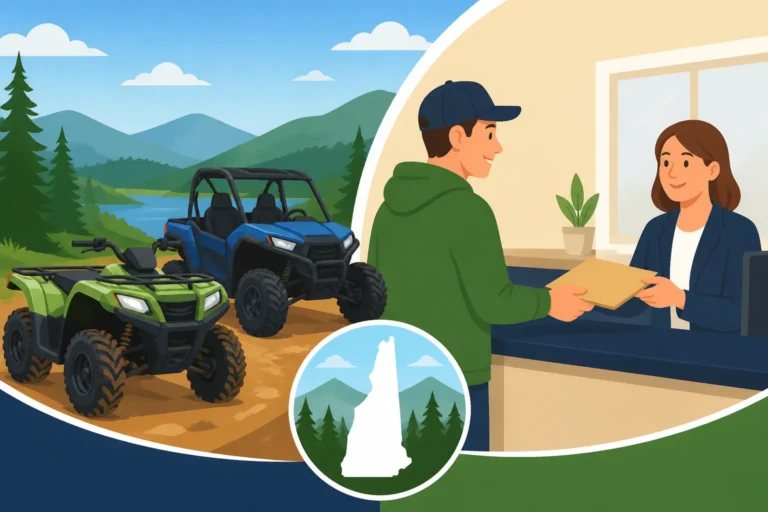
One of the most common places to register is at a local Fish and Game Department office. These offices are equipped to handle all OHRV registrations and can answer any specific questions you might have about the process, including those pertaining to minors. However, for many residents, the easiest option is often to visit a designated [Registering at a New Hampshire Town Clerk] agent. Many town or city clerks' offices throughout New Hampshire are authorized to process OHRV registrations. This is incredibly convenient for local residents, as it allows you to handle the paperwork close to home. It's always a good practice to call your town clerk's office ahead of time to confirm their OHRV registration hours and requirements.
Another excellent option, particularly if you're purchasing a brand new OHRV, is to have the powersports dealer handle the registration paperwork right there at the point of sale. Many dealers in New Hampshire are authorized agents and can submit all the necessary forms on your behalf. This is a huge time-saver and ensures that you can leave the dealership with your minor's new machine fully registered and ready for legal operation, assuming all other rider requirements (like safety certificates for the minor) are met. They are accustomed to these transactions and can walk the adult registrant through everything seamlessly.
Important Considerations Beyond Registration
While getting the OHRV registered in an adult's name is a critical step, it's just one piece of the puzzle when a minor is involved. There are other crucial rules and considerations that revolve around the minor operating the machine, ensuring their safety and protecting the adult registrant from potential legal troubles.
Safety Certificates and Age Restrictions for Riders
Registering the machine is about the vehicle itself, but the act of riding it on trails is governed by rules about the operator. In New Hampshire, there are specific age requirements and mandatory safety education requirements for anyone operating an OHRV on public land or designated OHRV trails, regardless of who registered the machine. This is especially pertinent for minor riders. For instance, any child [New Hampshire's Certificate Rule at Age 12] must complete an approved OHRV safety course to ride legally. This certificate is proof they've learned about safe operating practices, trail etiquette, and state laws.
It’s not enough for the adult to register the machine; the minor rider must also be legally qualified to operate it. For example, a 13-year-old on an ATV needs not only a safety certificate but also must be supervised by an adult who is at least 25 years old and holds a valid driver's license. As riders get older, the supervision rules may relax somewhat, but the safety certificate requirement remains a fundamental component for anyone under 18. This layered approach ensures that while the machine is legally registered by an adult, the young person behind the handlebars is also knowledgeable and competent. [New Hampshire Age Rules for OHRV Riders] and [New Hampshire Supervision Rules for Minors] are non-negotiable.
Parents and adult registrants must thoroughly understand these rider rules. Simply having a registered OHRV does not grant a minor carte blanche to ride anywhere. Ignoring these safety regulations can lead to significant fines for the adult registrant and, far more importantly, puts the young rider and others at serious risk. Always ensure your minor rider completes their [New Hampshire ATV Safety Course Cost] and carries their safety certificate with them whenever they are out on the trails.
Liability and Insurance Considerations
New Hampshire stands out in that it does not legally mandate OHRV insurance. While this might sound appealing at first glance, it is absolutely, unequivocally recommended, especially when a minor will be operating the machine. Because an adult is the legal registrant, they are also likely to be the primary party held liable in the event of an accident or incident involving the OHRV. This means that personal liability protection is not just a good idea; it's a financial necessity. [Does New Hampshire Require OHRV Insurance?] The short answer is no, but the smart answer is yes.
Consider a scenario: a minor, riding an OHRV registered in their parent's name, accidentally veers off a trail and collides with another OHRV, causing damage and injury. Without insurance, the parent (as the registrant) could be personally responsible for hefty repair costs, medical bills for the injured party, and even substantial legal fees if a lawsuit ensues. An OHRV insurance policy, specifically designed for off-road vehicles, can provide crucial coverage for property damage, bodily injury to others, and often medical payments for injuries sustained by the rider or passengers, offering immense peace of mind to the adult registrant.
It’s highly advisable to have a detailed conversation with your existing insurance provider or seek out specialized OHRV insurance carriers. While some homeowner's policies might offer extremely limited coverage for OHRVs used on your own property, a dedicated OHRV policy offers comprehensive protection that extends to public trails and various scenarios. Given the inherent risks associated with off-road riding, particularly with younger, less experienced operators, securing appropriate insurance coverage is a proactive step that can prevent devastating financial consequences down the road. It's a small investment for substantial protection.
Summary of OHRV Registration and Riding Requirements for Minors
To help clarify the various requirements, here's a quick overview of what adults and minors need to keep in mind when dealing with OHRVs in New Hampshire:
| Requirement | Adult Registrant (18+) | Minor Rider (Under 18) |
|---|---|---|
| Legal Registration | REQUIRED (Name on certificate) | NOT PERMITTED (Cannot register in own name) |
| Proof of Ownership | Required for registration (Bill of sale, MSO) | Not required for registration, but can finance |
| Safety Certificate | Not required if 18+ with valid driver's license | REQUIRED for public trail use (Age 12+) |
| Supervision on Trails | Not required for self | REQUIRED by 25+ licensed adult (Ages 12-15) |
| Legal Liability | Primary responsibility as registrant | Secondary responsibility, often falls to registrant |
| Insurance (Recommended) | Highly recommended for liability protection | Highly recommended, covers registrant/family |
| Valid ID | REQUIRED for registration | Not required for registration |
Disclaimer
This article is for general informational purposes only and does not constitute professional advice. Laws, prices and regulations vary by location and change over time. Consult a qualified professional for guidance on your specific situation.