A New Hampshire Selectboard Vote to Open a Road
Navigating the beautiful trails and back roads of New Hampshire on your ATV or UTV is an experience like no other, but it can be incredibly frustrating to encounter roadblocks – sometimes literally – when trying to connect trails or access amenities in town. Many riders find themselves wondering why certain town roads are off-limits to their machines, creating disconnected routes and forcing them to trailer their OHRVs even for short distances. This comprehensive guide will walk you through the often-complex process that a New Hampshire selectboard undertakes to open a town road to OHRV traffic, explaining the legal framework, community involvement, and practical considerations involved.
Understanding the Landscape of OHRV Road Access in New Hampshire
It's easy to assume that if a road is open to cars, it should be open to ATVs and UTVs, especially in a state so dedicated to outdoor recreation. However, that's rarely the case by default, and it leads to a lot of confusion and frustration for riders just trying to enjoy the trails.
Why New Hampshire Roads Are Closed by Default
In New Hampshire, the default stance for most public roads is that OHRVs are not permitted to operate on them. This isn't out of spite for riders, but rather a long-standing legal framework designed around conventional motor vehicles. Unless a specific road or section of road has been formally designated and opened by the local governing body, or falls under very specific exceptions like crossing a highway at a ninety-degree angle, you simply can't ride your OHRV on it. This can be a real headache when you're trying to string together a multi-town ride, or even just get from your rental cabin to the nearest gas station. [Why New Hampshire Roads Are Closed by Default] is a critical piece of information every rider needs to understand to avoid fines and ensure safe riding. The idea is to keep everyone safe and manage traffic flow, but for riders, it often feels like a barrier to access.
The Growing Demand for Linked Trail Networks
Despite the default closures, there's a huge and ever-growing demand from riders to create more interconnected trail networks. Imagine being able to ride from your lodging directly to a trailhead, or from one trail system right into a town for lunch and fuel, without having to load your machine onto a trailer. This dream is what drives many local clubs and individual riders to advocate for opening town roads. Communities that embrace this often see a significant boost in tourism and local business, as riders bring their dollars to gas stations, restaurants, and shops. The economic benefits for towns willing to open [New Hampshire Towns That Allow OHRVs on Roads] can be substantial, transforming them into vibrant "trail towns." This push for connectivity isn't just about convenience; it's about enhancing the overall riding experience and fostering economic growth in often rural areas.
The Role of the Selectboard in Road Designation
When it comes to opening town roads for OHRV use, the local selectboard holds a significant amount of power and responsibility. They are the gatekeepers, and understanding their role is key to understanding the entire process.
The Authority of a New Hampshire Selectboard
In New Hampshire, each town's selectboard, which typically consists of three or five elected officials, is vested with the authority to manage local affairs, including the designation of town roads. This means they have the power to decide which specific roads, or portions thereof, can be opened for OHRV use. This authority is not taken lightly; it comes with the responsibility to weigh the benefits for riders and local businesses against the concerns of residents, safety, and potential environmental impacts. Their decisions are binding locally and must adhere to state statutes regarding OHRV operation. Essentially, they interpret state law and apply it to their unique local circumstances.
Local Control vs. State Regulations
While the state of New Hampshire sets the overall framework for OHRV operation, including registration requirements and safety rules, it largely leaves the decision of opening town roads to the municipalities. This balance allows for local control, meaning a town knows its roads, its traffic patterns, and its community best. However, this also means that what's allowed in one town might be strictly forbidden just across the town line. A selectboard can designate a road for OHRV use, but riders still must adhere to all state regulations concerning speed limits, equipment, and rider age. For example, while a town might open a road, you'll still need to ensure your machine meets [New Hampshire Equipment Rules for Road Riding], such as having proper lighting if riding after dark. This blend of state oversight and local autonomy means riders need to be constantly aware of the specific rules in each town they ride through.
Initiating the Conversation: Who Drives the Change?
So, how does a road designation even get started? It rarely happens spontaneously. Typically, the impetus comes from local OHRV clubs, passionate individual riders, or businesses that see the economic potential. They often approach the selectboard with a proposal, outlining which roads they believe should be opened, why it would benefit the community, and how they plan to address potential concerns. Sometimes, it might even be a group of residents who want to enhance access to local trails or businesses. The key is to present a well-thought-out plan, demonstrating that the request is reasonable and has community support. Without someone initiating this conversation, the selectboard is unlikely to take action on their own.
The Process: From Petition to Public Hearing
Opening a town road to OHRV traffic isn't as simple as making a request; it involves a formal, multi-step process designed to ensure transparency and gather public input. This systematic approach is in place to protect all stakeholders and ensure decisions are made thoughtfully.
The Initial Request and Research Phase
Once a proposal is presented to the selectboard, their work truly begins. This initial phase involves a good deal of research and discussion. The selectboard, or a designated town official, will typically investigate the proposed roads, considering factors like road class (Class V and VI highways are common candidates), existing traffic volume, safety concerns, and potential impacts on adjacent properties. They might consult with town police, fire departments, or the New Hampshire Fish and Game Department to get expert opinions. This is also where local OHRV clubs often play a vital role, providing maps, trail connections, and even offering to help with signage or maintenance. The goal is to gather all necessary information to make an informed decision before proceeding to the public.
Public Notice Requirements: Fourteen Days' Notice Before a New Hampshire Hearing
Transparency is paramount when a selectboard considers opening a road to OHRVs. State law mandates a clear and specific process for public notification to ensure everyone has an opportunity to be heard. Before any public hearing can take place, the town must provide [Fourteen Days' Notice Before a New Hampshire Hearing]. This isn't just a suggestion; it's a legal requirement. This notice typically includes details about the proposed roads, the date, time, and location of the hearing, and information on how residents can submit their feedback. This notice is usually posted in official town locations, published in local newspapers, and sometimes even shared through town-wide email lists or websites. Without proper notice, any decision made by the selectboard could be challenged and potentially overturned, highlighting the importance of following this step precisely.
Verified Mail to the Abutters
Beyond general public notice, a particularly crucial step is directly informing those who will be most affected: the abutters. Abutters are property owners whose land directly borders the road segment proposed for OHRV use. New Hampshire law often requires [Letters Sent to Every Abutter] by verified mail, such as certified mail, with a return receipt requested. This ensures that these property owners not only receive the notice but that the town has proof they received it. This direct communication is vital because abutters often have unique concerns about noise, privacy, property values, and safety that need to be heard and addressed. Ignoring this step can lead to significant community backlash and legal challenges, underscoring the town's commitment to involving all directly impacted parties in the decision-making process.
Navigating the Public Hearing and Abutter Notifications
The public hearing is where the rubber truly meets the road, so to speak. It's the community's chance to voice their opinions, ask questions, and for the selectboard to demonstrate they've considered all angles.
What to Expect at a Public Hearing
A public hearing can be a lively affair, bringing together OHRV enthusiasts, concerned residents, local business owners, and town officials. Typically, the selectboard will open the hearing by presenting the proposal, explaining the rationale, and outlining the roads under consideration. Then, the floor is usually opened for public comment. This is your chance, whether you're a rider or a resident, to speak directly to the selectboard. Riders might share how opening a road would improve their access to [Riding a Town Road to Reach a Club Trail] or boost local tourism. Residents, on the other hand, might express concerns about increased noise, dust, safety for children and pets, or potential impacts on the quiet enjoyment of their property. It's a forum for dialogue, and the selectboard's role is to listen to all perspectives before making a decision. Preparing your points concisely and respectfully can make a big difference in how your input is received.
Addressing Community Concerns and Safety
One of the selectboard's primary responsibilities during and after the public hearing is to thoughtfully address the concerns raised by the community. Safety is almost always at the top of this list. Residents often worry about increased traffic, higher speeds, and the potential for accidents. The selectboard might discuss proposed speed limits for OHRVs on town roads (often much lower than car limits, like [Riding Through Town at Walking Pace]), signage plans, or enforcement strategies. They might also consider road design elements; for example, if a road has blind curves or narrow shoulders, it might not be a suitable candidate. Sometimes, a compromise is reached, such as opening only certain segments of a road, or restricting OHRV access to specific hours. For riders, ensuring your machine is properly equipped, perhaps with durable aftermarket parts from companies like SuperATV to enhance visibility or safety features, can demonstrate a commitment to responsible riding that can ease community concerns.
The Decision-Making Process of the Selectboard
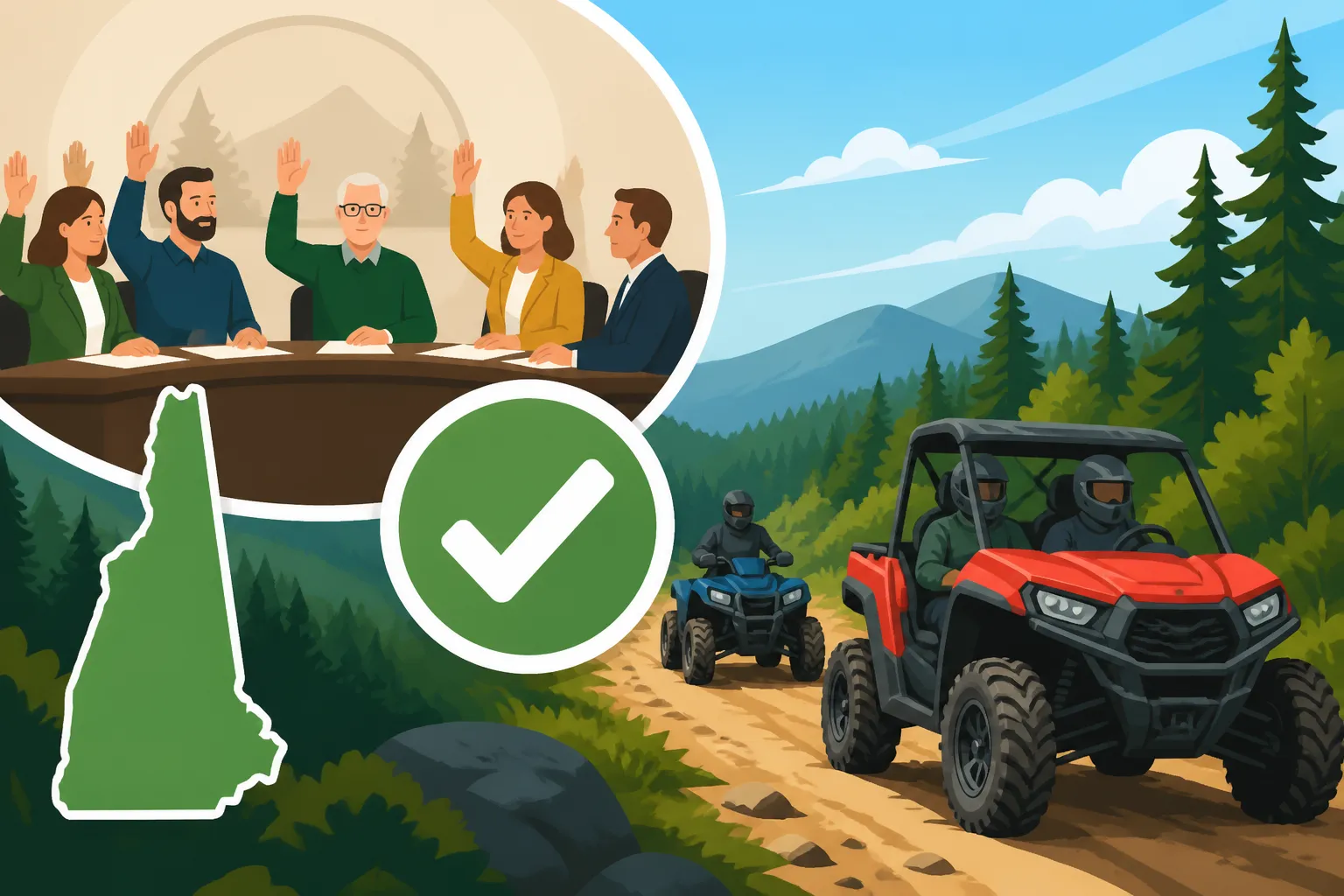
Following the public hearing, the selectboard will deliberate, taking into account all the testimony, research, and data gathered. This isn't always an easy decision, as they're often balancing competing interests. They might vote immediately, or they might take the matter under advisement for a subsequent meeting. The decision to open a road often requires a majority vote of the selectboard members. If the vote passes, the road or roads are officially designated for OHRV use. If it fails, the proponents might need to re-evaluate their proposal, address outstanding issues, and potentially resubmit it at a later date. This process highlights the democratic nature of local governance, ensuring that important decisions about public infrastructure reflect community values and needs.
What Happens After the Vote: Designating and Managing OHRV Roads
A successful vote isn't the end of the journey; it's just the beginning. Once a road is opened, there's an ongoing commitment to formalize the designation, manage its use, and ensure continued safety and compliance.
Formalizing the Road Designation
After the selectboard approves the opening of a road, the decision must be formally recorded and communicated. This usually involves amending town ordinances or official road lists to reflect the new designation. Signage is also a critical step. Clearly marked signs indicating that OHRVs are permitted, along with any specific rules like speed limits or hours of operation, must be installed at all entry points to the designated road segments. This ensures that both OHRV riders and conventional vehicle operators are aware of the change. Without clear signage, confusion and potential violations could quickly arise. Additionally, the town might coordinate with local OHRV clubs to update trail maps, ensuring riders have the most current information on where they can legally ride.
Ongoing Management and Enforcement
Opening roads to OHRVs requires ongoing management and enforcement to ensure compliance and address any emerging issues. Local law enforcement, often the town police department or county sheriff's office, will be responsible for patrolling these newly opened sections and enforcing OHRV laws. This includes speed limits, noise ordinances, and rules about [Crossing a Road on an OHRV in New Hampshire] safely. Clubs often play a role here too, encouraging responsible riding and sometimes even assisting with volunteer patrol efforts. Should issues arise, such as excessive noise complaints or unsafe riding practices, the selectboard may need to revisit the designation, potentially adjusting rules or even revoking access if problems persist. This continuous oversight is crucial for maintaining a positive relationship between riders and the community.
Why a Town Must Renew Its OHRV Designation
It might seem counterintuitive, but in many cases, a town's decision to open a road for OHRV use isn't permanent. [Why a Town Must Renew Its OHRV Designation] is a question that often surprises riders, but it's a built-in mechanism for accountability and flexibility. This renewal process, often annual or biennial, provides a regular opportunity for the selectboard to reassess the impact of OHRV use on the designated roads. It allows them to consider any new feedback from residents, review accident statistics, or respond to changes in state law or local conditions. If the designation were permanent, it would be much harder for a town to adapt to unforeseen problems or community sentiment. This review period ensures that OHRV access remains beneficial and safe for the entire community.
Challenges and Considerations for OHRV Road Openings
While opening town roads to OHRVs offers significant benefits, it's not without its challenges. Selectboards face a complex task of balancing various interests and planning for potential obstacles.
Balancing Rider Access with Resident Concerns
One of the biggest hurdles for any selectboard is finding the sweet spot between providing valuable OHRV access and addressing the legitimate concerns of residents. Riders want seamless connections; residents want peace, quiet, and safety. Noise is a frequent complaint, prompting discussions about decibel limits and enforcement. Dust from unpaved roads, particularly in dry conditions, can also be a significant issue for nearby homes. Safety, especially concerning children and pets in residential areas, is always a primary concern. The selectboard must carefully consider these factors and often implement mitigation strategies, such as strict speed limits, designated crossing points, and clear signage. Community input, whether positive or negative, is paramount, and the selectboard's ability to demonstrate that they've listened and responded effectively is key to successful implementation.
Infrastructure and Safety Upgrades
Opening roads to OHRVs can also necessitate infrastructure and safety upgrades. While many OHRVs are durable, especially those equipped with heavy-duty components from brands like SuperATV, the sheer volume of additional traffic, even low-speed OHRV traffic, can impact road surfaces, particularly on gravel or unpaved roads. Towns might need to invest in more frequent grading, dust control measures, or improved drainage. Safety enhancements, such as better signage at intersections, clearer sight lines, or even designated parking areas in trail towns, might also be required. These improvements come with costs, and towns need to consider how these expenses will be covered, perhaps through state grants, local OHRV club contributions, or dedicated local funds. This planning ensures that the roads can safely accommodate both OHRVs and conventional vehicles.
The Economic Impact on Local Communities
While often cited as a primary benefit, the economic impact of opening roads to OHRVs is a critical consideration for selectboards. Increased tourism from OHRV riders can lead to a boost for local businesses, from gas stations and convenience stores to restaurants and lodging establishments. This can be particularly vital for small, rural towns in New Hampshire. However, calculating the actual economic benefit and weighing it against potential costs (like road maintenance or increased enforcement) can be complex. Selectboards often look for data from other towns that have successfully opened roads to OHRVs to project the likely impact on their own communities. Creating a welcome environment for riders, perhaps by designating convenient parking or clearly marking routes to local services, can maximize these economic advantages and help the town become a destination for OHRV tourism.
Here is a quick overview of the key considerations for towns evaluating OHRV road access:
| Consideration | Potential Benefit | Potential Challenge | Mitigating Strategy |
|---|---|---|---|
| Community Support | Increased recreational opportunities, local pride | Resident opposition (noise, dust, safety) | Public hearings, direct abutter communication, clear rules |
| Economic Impact | Boost for local businesses (fuel, food, lodging) | Costs for road maintenance, enforcement | Seek grants, club contributions, track economic metrics |
| Safety | Improved connectivity, reduced illegal road riding | Increased traffic, potential accidents | Low speed limits, clear signage, enforcement, rider education |
| Infrastructure | Enhanced trail networks | Road degradation (dust, potholes) | Regular maintenance, dust control, PACT funds |
| Legal Compliance | Adherence to state OHRV laws and local ordinances | Risk of legal challenges if process is flawed | Strict adherence to notice requirements, proper voting |
The process of a New Hampshire selectboard voting to open a road to OHRVs is a detailed journey, involving legal mandates, community engagement, and careful consideration of both benefits and challenges. It’s a testament to the local control that New Hampshire towns cherish, and a crucial step in expanding the fantastic riding opportunities across the state. For riders, understanding this process helps foster responsible advocacy and realistic expectations, paving the way for more interconnected trails and a richer OHRV experience in the Granite State.
Disclaimer
This article is for general informational purposes only and does not constitute professional advice. Laws, prices and regulations vary by location and change over time. Consult a qualified professional for guidance on your specific situation.