Riding a Town Road to Reach a Club Trail
It can be incredibly frustrating to see a beautiful trail system beckoning just across town, but then find yourself wondering how on earth you're supposed to get there legally on your ATV or UTV. New Hampshire's vast network of OHRV trails, particularly in the North Country, often connects towns, and navigating those stretches of pavement can feel like a minefield of regulations. This guide is here to unravel the complexities of legally riding your off-highway recreational vehicle on designated town roads to bridge those gaps and reach the next exciting club trail, ensuring you stay compliant and safe.
Understanding New Hampshire's Road Rules for OHRVs
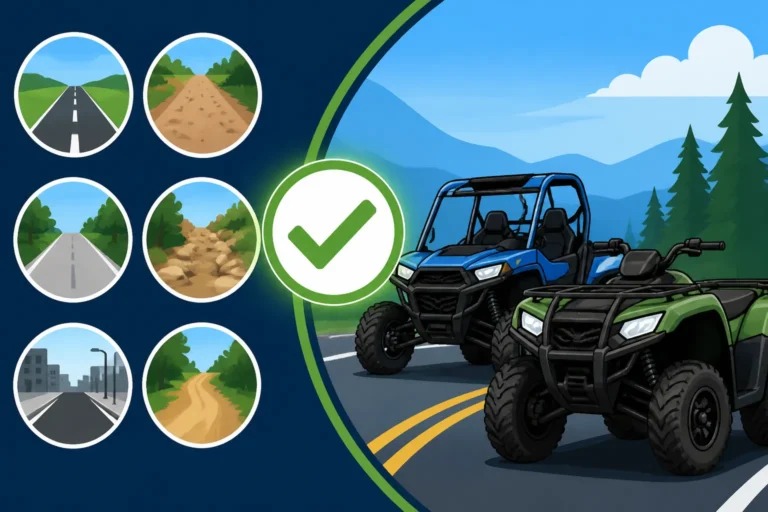
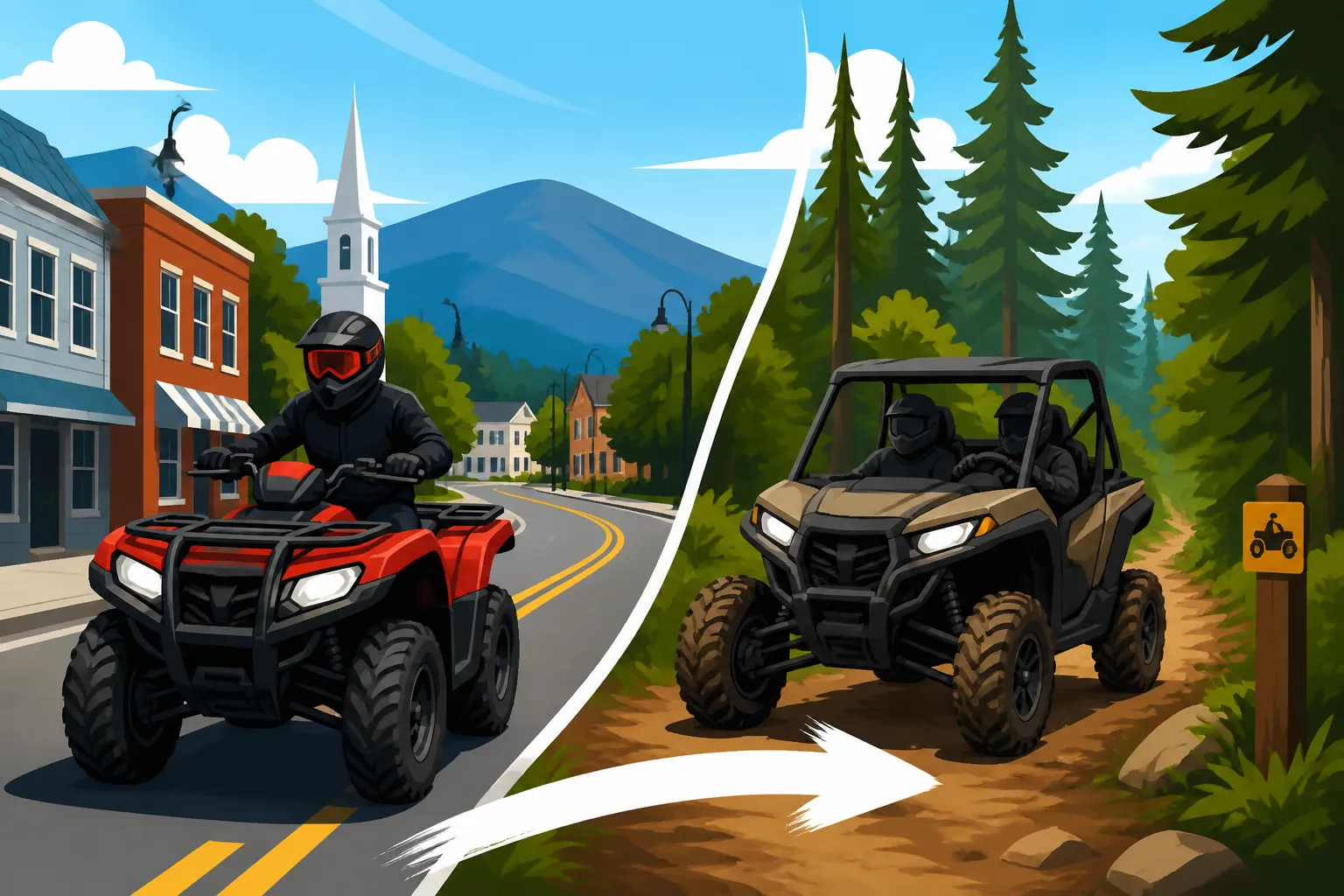
New Hampshire’s default stance is that OHRVs are not permitted on public roads. This can be a bit of a shocker for new riders or those visiting from states with different regulations. It means you can't just hop on your machine and ride down Main Street without specific authorization. However, there's a crucial exception: towns and cities in New Hampshire have the authority to designate certain roads or portions of roads as open to OHRV traffic. This designation isn't a free-for-all; it comes with strict conditions and is usually done with the express purpose of connecting trails or providing access to services.
The Local Designation Process
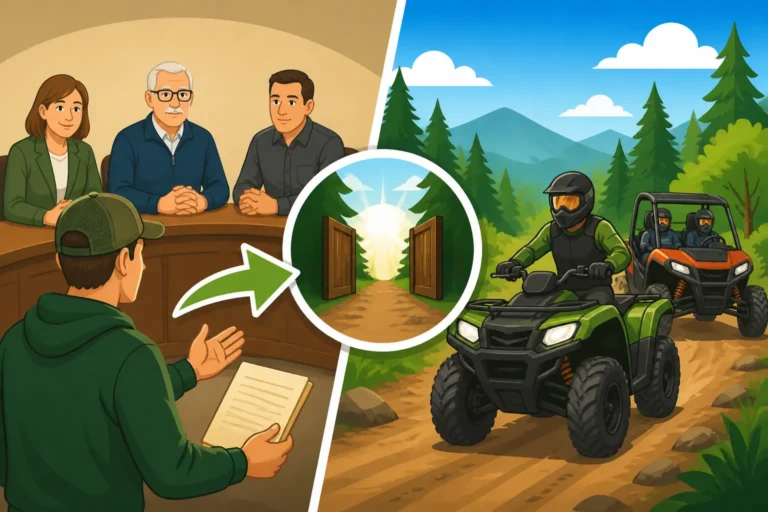
For a town road to be opened for OHRV use, it's not simply a matter of a local official deciding it would be a good idea. There's a formal process involved, which typically includes a public hearing where residents can voice their opinions. This ensures that any decision to open a road considers the impact on local communities, noise, safety, and traffic flow. Once designated, these roads are usually clearly marked with signs indicating that OHRV use is permitted, along with any specific rules like speed limits or hours of operation. You'll often see these signs at the start and end of a designated segment. It’s absolutely vital to pay attention to these signs, as riding on an undesignated road can lead to hefty fines and a spoiled day out. Always remember that even if a segment looks like a trail connector, if it's not signed, it's likely illegal to ride. You can learn more about this process in our guide on [How a New Hampshire Town Designates a Road].
Why Roads Are Closed by Default
The reason for this default closure rule largely boils down to safety and the differing nature of OHRVs compared to conventional motor vehicles. OHRVs are designed for off-road terrain, not for mixing with cars, trucks, and motorcycles on paved surfaces. They often have different handling characteristics, braking distances, and visibility profiles. The state aims to protect both OHRV riders and other road users by keeping these machines off general public roadways unless specific, controlled conditions are met. This also helps manage noise and environmental concerns that might arise from widespread OHRV use on residential streets. It's not about being exclusive; it's about minimizing risk and maintaining community harmony.
Navigating Designated Town Roads Safely and Legally
Once you find those blessed signs indicating a designated OHRV road, it's not quite the same as hitting a wide-open trail. There are specific rules of the road that you absolutely must adhere to, designed to keep everyone safe. Think of these designated road segments as controlled bridges between your favorite off-road sections.
General Rules for OHRV Road Use
When riding on a designated town road in New Hampshire, you are required to operate your machine in a manner similar to a conventional vehicle, but with extra precautions. This means you must:
- Keep to the extreme right: Always ride as far to the right side of the road as safely possible. This maximizes your distance from oncoming traffic and allows faster vehicles to pass you safely. Our article, [Why New Hampshire Riders Keep to the Extreme Right], dives deeper into this crucial rule.
- Yield to all conventional vehicles: OHRVs always yield the right-of-way to cars, trucks, and motorcycles. Period. Assume you are the lowest priority on the road.
- Obey all traffic laws: This includes stop signs, traffic lights, speed limits, and other road signage. Just because you're on an ATV doesn't make you exempt from the rules of the road.
- Stop before crossing: When crossing any paved public highway or state road, you must come to a complete stop and ensure the way is clear before proceeding. You must cross at a ninety-degree angle to the road. You can find more details on [New Hampshire Rules for Crossing a Highway].
- Maintain appropriate speed: Speed limits for OHRVs on town roads can be different from the posted car speed limit, often lower. Always watch for specific OHRV speed limit signs. Even if there isn't a specific OHRV speed limit, drive at a speed that is safe for conditions and allows you to react to unexpected hazards.
Required Equipment for Road Riding
Your machine might be perfectly legal for trail riding, but when you venture onto a designated town road, certain equipment becomes mandatory to ensure visibility and safety for all. You can't just take your bare-bones trail machine onto the pavement without these essential items.
- Rear-view mirror: A single rear-view mirror mounted on the left side of your machine is typically required. This is absolutely critical for checking traffic behind you, especially when yielding or preparing to pull over. [New Hampshire Mirror Requirement for Road Riding] has more information.
- Headlight and taillight: Even during the day, your headlight and taillight must be operational. If you're riding after dark, these become non-negotiable for visibility. Some riders even upgrade their lighting with powerful LED kits from companies like SuperATV to ensure they are seen, day or night. [Headlight and Taillight on a New Hampshire Road] clarifies these rules.
- Spark arrester: This is a requirement for all OHRVs on public lands, including designated road connectors. It prevents sparks from escaping your exhaust and potentially starting a wildfire, especially in drier seasons.
- Brakes: Obviously, functional brakes are a must for safe operation on any surface, but especially when sharing the road with other vehicles.
- Helmet and Eye Protection: While adults aged 18 and over are generally not required to wear a helmet on OHRVs on trails, the rules can change on public roads, and more importantly, for riders under 18 or for passengers of any age. Eye protection is typically required unless your machine has a windshield. It's always a good idea to wear a helmet, regardless of age, for maximum safety.
The Specifics: What to Expect in OHRV-Friendly Towns
Certain areas of New Hampshire, particularly in the northern reaches, have embraced OHRV tourism and have a much more developed system of designated town roads for connecting trails. Towns like Gorham and Berlin are excellent examples where you can literally ride your machine from your lodging, through town, to a trailhead.
Gorham's Open Streets
Gorham, nestled in the White Mountains, is a prime example of a town that has successfully integrated OHRV use into its infrastructure. You'll find sections of its main routes, like parts of Routes 2 and 16, designated for OHRV access, allowing riders to pass through the town center, access fuel, food, and lodging, and connect to the vast trail networks like [Ride the Wilds in Coos County]. The town has clear signage for OHRV routes and often specific speed limits, such as a 25 mph limit on designated town streets. There are also designated parking areas, like at the Eastern Depot, where you can stage or leave your machine while you grab a bite to eat. It's a fantastic system that truly enhances the riding experience, allowing for seamless travel from one trail segment to the next.
Berlin's Trail System and Time Restrictions
Just south of Gorham, Berlin also boasts an extensive system of OHRV-friendly roads that link directly to Jericho Mountain State Park and surrounding trails. Berlin's approach is similar, with designated roads making it easy to ride through town for services. However, Berlin has a notable restriction: OHRV riding on town streets generally has a 10 PM closing time. This is a common local ordinance designed to manage noise and maintain peace in residential areas during late hours. It's crucial to be aware of these local rules, as a late return could lead to a citation. Checking local town ordinances or the town's official OHRV maps before you ride is always a smart move. Our guide on [Berlin's Ten O'Clock Closing] offers more insights into this.
Beyond the North Country
While the North Country is famous for its OHRV-friendly towns, it's important to remember that not all towns in New Hampshire are the same. Many towns, especially in the more populated central and southern parts of the state, may have no designated OHRV roads at all. Never assume that just because one town allows OHRVs on its roads, the next town over will, too. Always consult official maps from the New Hampshire Bureau of Trails or local club maps to verify designated routes before planning your ride. Relying on unofficial advice or simply following others can lead you into trouble.
Essential Preparations for Road-Connecting Rides
Preparing your machine and yourself for a ride that involves town road connectors is a little different than simply heading out for a day on the trails. There are specific checks and considerations that can make all the difference for a smooth, legal, and enjoyable experience.
Machine Checks and Maintenance
Before you even think about hitting a designated town road, ensure your OHRV is up to snuff for the task.
- Tires: While knobby tires are great for mud and rocks, ensure they are in good condition and properly inflated for road use. Running lower pressure trail tires on pavement can cause excessive wear and even present a handling hazard.
- Brakes: Double-check your brake pads and fluid levels. Road riding often involves more frequent and potentially harder braking than typical trail riding.
- Lights and Mirror: As discussed, these are mandatory. Check that your headlight, taillight, and brake lights are all working perfectly. Make sure your mirror is securely mounted and provides a clear view. If your stock mirror isn't cutting it, consider an aftermarket option from a company like SuperATV that offers enhanced visibility and durability.
- Exhaust: Ensure your exhaust system is not excessively loud and that your spark arrester is intact and functioning. Local noise ordinances can be strictly enforced on town roads. [New Hampshire's OHRV Decibel Limit] gives you the specifics.
- Registration and Decals: Your New Hampshire OHRV registration must be current, and your decals properly displayed. Without this, even on a designated road, you're operating illegally. Carry your [New Hampshire's Printed Certificate and Two Decals] with you at all times.
Personal Readiness and Documentation
Beyond your machine, your personal preparation is equally important.
- Safety Certificate/Driver's License: If you're under 18, you must have a valid OHRV safety certificate. If you're 18 or older, a valid motor vehicle driver's license can substitute. Our article on [New Hampshire Safety Certificate Requirements] explains this in detail.
- Identification: Always carry personal identification, just as you would when driving a car.
- Maps and Navigation: Have reliable maps that clearly show designated OHRV road connectors. While cell service can be spotty, a GPS device with pre-loaded OHRV trails and road routes is invaluable. Some rental companies even provide mapped routes and GPS support.
- Weather Appropriate Gear: Weather can change quickly in New Hampshire, especially in the mountains. Dress in layers and be prepared for rain, wind, or sudden temperature drops. Eye protection is key.
Remember, riding a town road to reach a club trail is a privilege, not a right. By understanding and respecting the rules, you help ensure that these vital connections remain open for all of us to enjoy. Safe riding!
| Rule Category | Trail Riding (Generally) | Designated Town Road Riding (Specifics) |
|---|---|---|
| Right-of-Way | Yield to hikers, horses, mountain bikers. | Yield to ALL conventional motor vehicles. |
| Speed Limits | Often posted on trails; generally lower. | Must obey posted OHRV speed limits (often lower than car limits); otherwise, safe for conditions. |
| Lane Position | Varies based on trail width and other users. | Stay to the extreme right of the road. |
| Signage | Trail markers, warnings, intersection signs. | Traffic signs (stop, yield, speed limits, etc.), OHRV designation signs. |
| Required Equipment | Helmet for under 18, spark arrester, lights after dark. | Rear-view mirror, working headlight/taillight/brake lights, spark arrester, helmet for under 18, eye protection (unless windshield). |
| Crossing Roads | May encounter crossings. | Must stop, look, and cross at a 90-degree angle. |
| Time Restrictions | Generally sunrise to sunset on most trails. | Some towns (e.g., Berlin) have evening curfews for OHRVs on roads. |
Disclaimer
This article is for general informational purposes only and does not constitute professional advice. Laws, prices and regulations vary by location and change over time. Consult a qualified professional for guidance on your specific situation.