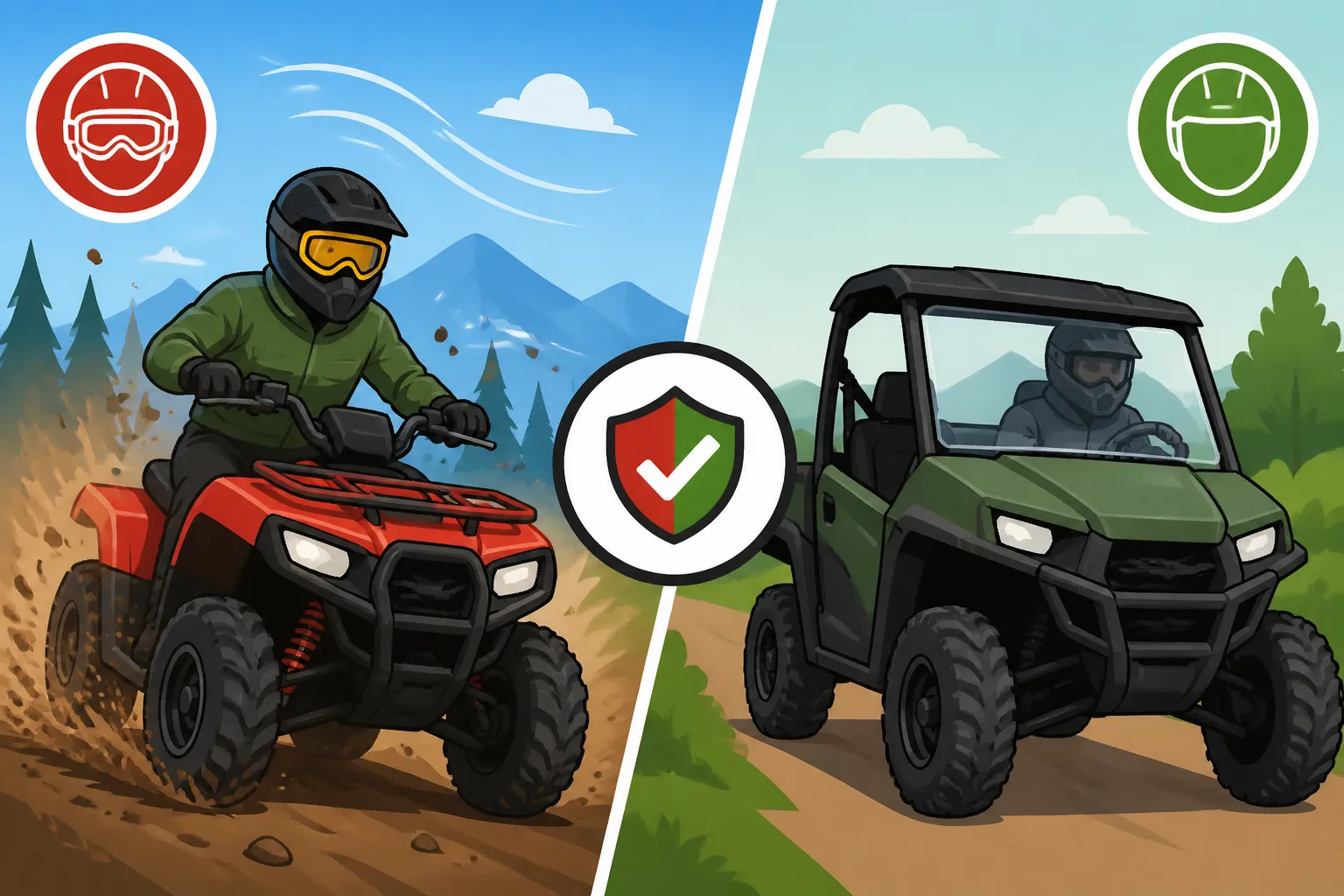
Goggles Unless the Machine Has a Windscreen
Riding an ATV or UTV in New Hampshire is an incredible experience, offering everything from scenic forest trails to exhilarating mud pits. But before you hit the trails, there's a lot to know about staying safe and legal, and one area that often causes confusion is eye protection. You might wonder if those dusty goggles are always necessary, especially if your machine has a sleek new windshield. It's a valid question, because nobody wants a ticket, but more importantly, nobody wants an eye injury. This guide is here to clear up exactly when you need to don those goggles and when a windscreen might be enough to keep you compliant and, most importantly, safe on the diverse terrain of the Granite State.
The Essential Rule: Eye Protection in New Hampshire
When you're out there enjoying the vast network of trails across New Hampshire, whether you're tackling the challenging climbs of Jericho Mountain State Park or cruising along a scenic rail trail, protecting your eyes isn't just common sense—it's the law. The rules are pretty clear, but like many things, there's an important nuance that often gets overlooked regarding windscreens.
Why Eye Protection Matters on the Trail
Think about what you encounter on a typical New Hampshire OHRV ride. There's dust swirling up from the tires of the machine in front of you, especially during dry spells. You've got mud flung from puddles, sometimes unexpectedly, coating everything in its path. Then there are those pesky low-hanging branches that seem to appear out of nowhere, or the stray pebble kicked up by another rider. Insects can be a real nuisance, particularly in the warmer months, and even a tiny gnat hitting your eye at speed can be incredibly distracting and dangerous. Without proper eye protection, any of these things can cause serious injury, impair your vision, and lead to an accident. It's not just about comfort; it's about maintaining full situational awareness and preventing permanent damage.
The Legal Requirement for Eye Protection
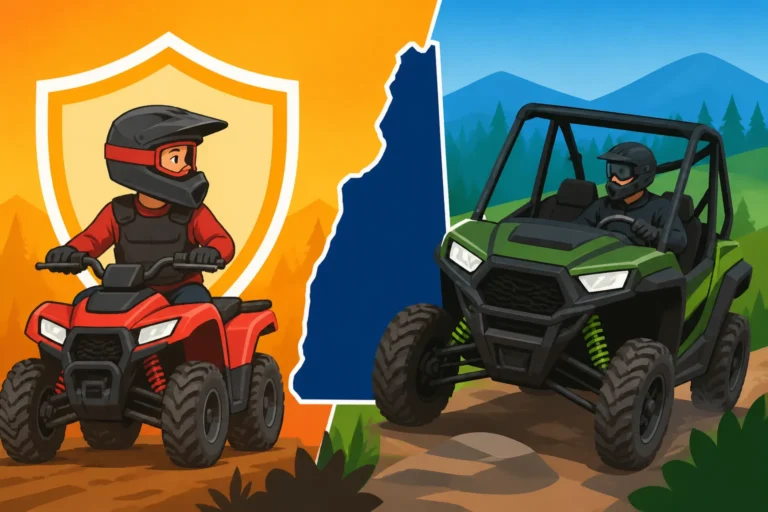
New Hampshire law is quite specific: operators and passengers of OHRVs, which includes ATVs and UTVs, are generally required to wear eye protection. This isn't just a suggestion; it's a mandate designed to keep everyone safe. The critical exception to this rule, and the reason many people get confused, is if the machine is equipped with a properly installed, factory-standard or equivalent aftermarket windscreen that effectively protects the operator and passengers from debris. This means that if you're riding a UTV with a full windshield, you might not need to wear goggles. However, if your machine doesn't have one, or if it's a smaller ATV with no windshield at all, those goggles are absolutely essential. For a broader understanding of what New Hampshire expects in terms of rider safety, you might want to read up on [New Hampshire Helmet Law for OHRV Riders] and [New Hampshire Eye Protection Requirement].
Understanding the Windscreen Exception
The "windscreen exception" can feel a bit like a gray area, but it's really quite straightforward once you understand what New Hampshire considers adequate protection. It's not just about having something in front of you; it's about having something that actually works to keep your eyes safe.
What Qualifies as a "Windscreen" in New Hampshire?
For a windscreen to qualify for the exception, it needs to offer substantial protection. We're generally talking about a full-sized windshield, often made of durable polycarbonate, that extends across the entire front of the operator and passenger area of a UTV. A small deflector or a short, sporty wind-screen that only covers a small portion of your face won't cut it. The intent of the law is to prevent objects from reaching your eyes, so the screen must be large enough to effectively block airborne debris.
When considering aftermarket options, look for reputable brands like SuperATV that specialize in OHRV accessories. They offer a range of full windshields designed specifically for various UTV models, which are generally robust and provide excellent coverage. These are typically designed to integrate seamlessly with your machine's roll cage and offer clear visibility without distorting your view. If you're unsure if your existing or prospective windscreen meets the spirit of the law, imagine yourself driving through a cloud of dust or a light drizzle. Would your eyes stay completely clear? If not, then a windscreen alone might not be sufficient.
When a Windscreen is Not Enough
Even with a full, legal windscreen, there are still times when wearing additional eye protection like goggles is simply a smart move. Imagine a ride where the trails are exceptionally dusty, or you're following closely behind another rider kicking up a lot of debris. While your windscreen will block most of it, fine dust can still swirl around the edges or come up from underneath the machine. The same goes for extremely muddy conditions; while a windscreen might deflect the initial spray, mud can still find its way into the cab or be flung from the side.
Consider the type of helmet you're wearing. If you prefer an open-face helmet, even with a windscreen, your face is still exposed to the elements from the sides and above. In these scenarios, a good pair of goggles provides that extra layer of defense that can prevent discomfort or injury. Ultimately, the law sets a minimum standard, but your personal safety should always be the priority. Use your judgment based on the conditions and your specific setup. It's far better to be over-protected than under-protected, especially on a remote trail.
Choosing Your Eye Protection
Whether you're relying on goggles entirely or supplementing a windscreen, having the right gear makes a huge difference in comfort, visibility, and safety. There are plenty of options out there, each with its own advantages.
Types of Goggles and Their Benefits
For most ATV riders without a windscreen, or UTV riders facing extreme conditions, dedicated MX-style goggles are the gold standard. These goggles are designed to fit snugly with a helmet, offer a wide field of vision, and come with various lens options for different lighting conditions (clear for low light, tinted for bright sun). They often feature anti-fog coatings, tear-off posts for muddy races (though less common for casual trail riding), and comfortable foam padding that seals out dust and sweat. Brands like Oakley, Scott, and 100% are popular choices for their durability and optical clarity.
Less protective options, like simple safety glasses, might be acceptable for very light, slow-speed trail riding or for passengers in a UTV with a decent windscreen in good conditions. However, they typically don't offer the full seal against dust and debris that goggles do. If you wear prescription glasses, look for "OTG" (Over-The-Glasses) goggles specifically designed to fit comfortably over your regular eyewear. This ensures you maintain clear vision without sacrificing protection.
Factors to Consider When Buying a Windscreen
If you're considering adding a windscreen to your UTV to take advantage of the exception, there are several key factors to keep in mind.
| Feature | Description | Considerations |
|---|---|---|
| Material | Polycarbonate (Lexan) or Acrylic | Polycarbonate is much more impact-resistant, less prone to shattering. Acrylic is cheaper but scratches easier. Always prioritize polycarbonate for off-road. |
| Coverage | Full, half, or folding designs | Full coverage offers the most protection and is typically required for the eye protection exception. Half or folding might not qualify. |
| Mounting System | Clamps, quick-release, permanent | Look for secure, vibration-resistant mounts. Quick-release designs are convenient for cleaning or removing in specific conditions. |
| Optical Clarity | How clear and undistorted the view through the screen is | High-quality windscreens minimize distortion. Cheaper ones can cause headaches and fatigue. |
| Venting | Some designs include vents to reduce dust swirl and increase airflow | Vents can improve comfort and reduce dust ingress, but ensure they don't compromise protection. |
When choosing a windscreen, especially if you're looking to rely on it for your primary eye protection, it's wise to invest in a quality product. SuperATV, for instance, offers a wide selection of robust, full-coverage windshields made from high-grade polycarbonate, often with hard coatings to resist scratching. These are designed to withstand the rigors of off-road riding and provide excellent visibility. Always ensure the windscreen is properly installed according to the manufacturer's instructions for maximum effectiveness and safety. Don't forget that passengers also need appropriate protection; a quality windscreen should cover them as well. For more on what your machine needs to be road-ready or trail-legal, check out [New Hampshire Equipment Rules for Road Riding].
Enforcement and Best Practices
Understanding the letter of the law is one thing, but knowing how it's enforced and adopting best practices for your own safety is equally important. New Hampshire Fish and Game officers are out on the trails and roads, ensuring everyone is riding responsibly.
What a New Hampshire Officer Looks For
When a New Hampshire Fish and Game officer or local law enforcement stops you on the trail or during a roadside check, they'll be looking for several things. Beyond your [New Hampshire OHRV Decals and the Certificate] and proper registration, they'll definitely be checking for appropriate safety gear. This includes helmets for those under 18 (and often recommended for adults), and, of course, eye protection. If you're on an ATV without a windscreen, they will expect to see you wearing goggles. If you're in a UTV with a windscreen, they'll assess if that windscreen provides adequate protection. If it's too small, cracked, or improperly installed, you could still be cited for not having eye protection.
Getting caught without the required eye protection can result in a fine. While the exact amount can vary, it's certainly an expense you'd rather avoid, especially when a good pair of goggles or a reliable windscreen is a relatively small investment for your safety and legal compliance. To understand the consequences of not following the rules, you might want to read up on [New Hampshire Fines for an OHRV Violation].
Beyond the Law: Prioritizing Your Safety
While the law dictates the minimum requirements, real-world riding often demands more. Even if your UTV has a fantastic SuperATV windshield that legally exempts you from wearing goggles, consider the conditions. Are you hitting a particularly dusty trail? Is it raining and your wipers (if you have them) can't keep up? Is the sun low and creating glare that makes visibility challenging through the screen? These are all times when an extra pair of goggles tucked away in your storage compartment could literally be a lifesaver.
Furthermore, always ensure your passengers are also adequately protected. The law applies to them as well. If you're riding with children, their eyes are just as vulnerable, if not more so, to debris and impacts. Emphasize the importance of wearing their goggles, even if they initially protest. Remember, the "spirit" of the law is to protect you, not just to give officers something to ticket. Adopting a mindset where you prioritize your safety and the safety of your passengers above mere compliance will make your New Hampshire OHRV adventures much more enjoyable and worry-free. For rules related to passengers, refer to [New Hampshire Rules for Carrying a Passenger]. If you're riding through a town, specific rules about road usage and equipment might apply, so check out [New Hampshire Rules for Riding a Town Street] before you go.
Disclaimer
This article is for general informational purposes only and does not constitute professional advice. Laws, prices and regulations vary by location and change over time. Consult a qualified professional for guidance on your specific situation.