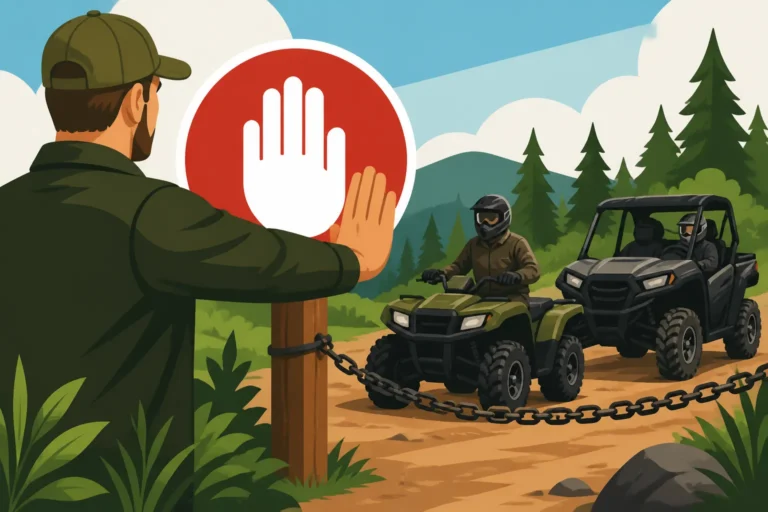
New Hampshire Fines for an OHRV Violation
It’s a beautiful day out on the trails in New Hampshire, you’re enjoying the fresh air and the rumble of your machine, and then suddenly, you see flashing lights in your rearview. A conservation officer or local police pulling you over can certainly put a damper on your ride, and the thought of an OHRV violation fine is enough to make anyone’s stomach drop. Understanding the rules, and the consequences of breaking them, is crucial for any rider in the Granite State. This guide is here to walk you through the common violations, what kind of penalties you might face, and most importantly, how to avoid them so you can keep enjoying our amazing trail system worry-free.
Understanding Why New Hampshire Has OHRV Regulations
It might sometimes feel like regulations are just there to make things complicated, but when it comes to OHRVs in New Hampshire, every rule has a purpose. These regulations aren't arbitrary; they're designed to keep everyone safe, protect our precious natural resources, and ensure the long-term viability of our trail systems. When you understand the 'why' behind the rules, it can make it easier to remember and adhere to them, transforming a potential nuisance into a shared responsibility for the riding community.
Safety First: Protecting Riders and Others
At the heart of many OHRV regulations is safety. Riding an ATV or UTV can be an exhilarating experience, but these machines are powerful and require respect. The rules are in place to minimize the risk of accidents, not just for you and your passengers, but also for other trail users like hikers, mountain bikers, and even equestrians who share some of the same corridors. Think about it: a rogue rider speeding around a blind corner without proper gear isn't just endangering themselves; they're putting everyone else at risk too.
Consider the requirements for helmets and age restrictions. A young, inexperienced rider needs proper supervision and protection. Imagine a scenario where a child, under the minimum age, is operating an OHRV unsupervised and takes a corner too fast, losing control. The potential for serious injury is very real, and the regulations, like [New Hampshire Helmet Law for OHRV Riders] and [New Hampshire Age Rules for OHRV Riders], are specifically crafted to prevent such tragic incidents. It’s about ensuring that everyone on the trail, regardless of age or experience, has the best possible chance of a safe and enjoyable outing. These aren't just suggestions; they're legal mandates meant to protect lives and well-being.
Preserving Trails and Landowner Relations
New Hampshire is incredibly fortunate to have an extensive network of OHRV trails, many of which cross private land. This access is a privilege, not a right, and it hinges entirely on maintaining good relationships with the landowners who graciously permit us to ride on their property. Every regulation aimed at environmental protection or preventing trespassing directly supports this vital relationship. When a rider disregards signs, goes off-trail, or leaves trash behind, it erodes trust and can lead to trail closures, impacting the entire riding community.
Think about the damage that can be done by riding off-designated trails, especially during wet seasons. Deep ruts can form, leading to erosion, damaging sensitive ecosystems, and making the trail impassable for others. This kind of irresponsible behavior is precisely what [New Hampshire Landowner Permission Rules] and [New Hampshire Trespass Rules for Riders] aim to prevent. If a landowner finds their property damaged or their privacy invaded, they might withdraw their permission, and a whole section of trail could be lost forever. It’s a collective responsibility to respect posted signs, stay on marked paths, and leave no trace, ensuring that the beautiful landscapes we love to explore remain open for future generations.
Funding Our Trail System
Another critical reason for OHRV regulations, particularly registration requirements, is to fund the very trails we all enjoy. Unlike simply buying a ticket to a theme park, the cost of maintaining hundreds of miles of trails is significant. New Hampshire’s OHRV registration fees are directly reinvested into the trail system, forming the backbone of its financial health. This money goes towards crucial maintenance, new trail development, signage, and essential grants that support the dedicated volunteer clubs across the state.
Without these funds, the extensive network of trails we cherish simply wouldn't exist or would quickly fall into disrepair. Imagine trying to ride a trail that's riddled with fallen trees, broken bridges, or missing signs – it wouldn't be safe or enjoyable. When you pay your registration fee, you’re not just getting a decal; you’re contributing directly to the upkeep of the entire system. Understanding [Where New Hampshire OHRV Fees Go] helps riders see that their contribution is vital, supporting everything from clearing brush to building new culverts and bridges through programs like [New Hampshire Trail Grants From Registration]. It’s a user-pays system that ensures the trails remain open, safe, and enjoyable for everyone.
Common OHRV Violations and Their Consequences in New Hampshire
Now that we've covered why the rules exist, let's dive into some of the most common OHRV violations in New Hampshire and, more importantly, the kind of consequences you might face if you're found in violation. Nobody wants to deal with a fine, and understanding these pitfalls is your best defense. The state takes its OHRV rules seriously, and penalties can range from monetary fines to more severe repercussions, impacting your ability to ride in the future.
Riding Without Proper Registration
This is perhaps one of the most common violations, and it's also one of the easiest to avoid. In New Hampshire, if you plan to ride your OHRV on any public trail, club trail, or designated private land, your machine must be properly registered with the state. Many riders assume that if they only ride occasionally or are just visiting, they can skip this step, but that's a costly misconception. The registration year runs from May 1st to April 30th, and even if you buy your registration mid-season, the fee is the same.
Imagine you're cruising on a beautiful trail in Coos County, enjoying the scenery, only to be stopped at a checkpoint. When asked for your registration certificate and decals, you come up empty. The officer won't just wave you on with a friendly warning. You'll likely face [New Hampshire Fines for an Unregistered OHRV], which can be substantial. It's not just a small inconvenience; it's a direct violation that carries a significant monetary penalty. Even if you just bought the machine and haven't gotten around to it yet, the law doesn't make exceptions. Make sure you understand how to navigate [Registering an OHRV in New Hampshire] as soon as you get your machine, and always keep your proof of registration with you when you ride.
Safety Violations: Helmets, Age, and Supervision
New Hampshire has very specific rules regarding rider safety, particularly for minors. These aren't suggestions; they're mandatory for a reason. Ignoring helmet laws, allowing underage riders to operate machines without proper certification or supervision, or failing to provide eye protection can lead to immediate citations and hefty fines. The state is committed to ensuring that young riders learn safe practices, and that means enforcing the rules designed to protect them.
For instance, any rider under the age of 18 must wear a helmet. Furthermore, specific age and supervision rules apply to young riders on public trails. A twelve-year-old, for example, needs to have completed a safety certificate course and be accompanied by a licensed adult over the age of 25. Imagine a scenario where a group of friends is out riding, and a 16-year-old, though perhaps an experienced rider, is operating a machine without a helmet. Even if they're skilled, they're breaking the law. An officer would issue a fine, not just for the minor, but potentially for the supervising adult as well. Brands like SuperATV offer a wide range of helmets and other protective gear, making it easier to comply with regulations like [New Hampshire Helmet Law for Riders Under 18] and meet the [New Hampshire Safety Certificate Minimum Age] requirements. It's always better to over-prepare with safety gear than to risk a fine or, worse, an injury.
Trail Etiquette and Environmental Violations
Respect for the environment and fellow trail users is paramount. New Hampshire's trail system is a shared resource, and regulations are in place to ensure everyone can enjoy it safely and that the natural beauty is preserved. Violations in this category often stem from a lack of awareness or disregard for others, and they can lead to fines and negative consequences for the entire riding community. This includes everything from riding on closed trails to making excessive noise.
Consider the common issue of riding on trails marked as closed, perhaps during mud season when trails are particularly vulnerable to damage. This isn't just a minor infraction; it can cause significant environmental harm, leading to erosion, widening of trails, and damage to drainage systems. An officer encountering a rider on a clearly marked closed trail will likely issue a fine, perhaps referring to [New Hampshire Fines for Riding a Closed Trail]. Similarly, noise violations, where a machine exceeds the [New Hampshire OHRV Decibel Limit], can disturb wildlife and nearby residents, leading to complaints and, yes, fines. It's crucial to be mindful of your surroundings, adhere to posted signs, and ensure your machine is equipped with a functioning spark arrester, especially when riding in dry conditions to prevent fires. These rules help maintain the peace and preserve access for all.
Navigating the Citation Process and Avoiding Future Fines
So, you’ve been stopped and received a citation. While it's certainly frustrating, understanding the process and knowing how to respond can make a difference. More importantly, learning from the experience and taking proactive steps to avoid future fines is key to ensuring your OHRV adventures remain positive. New Hampshire Fish and Game officers, along with local law enforcement, are generally fair, but they are also tasked with enforcing the rules to protect everyone.
What Happens When You Get a Ticket
When a conservation officer or police officer issues an OHRV citation in New Hampshire, it usually follows a standard procedure. The officer will typically explain the violation, present you with the written citation, and inform you of your options. You'll generally have a choice: either pay the fine by the due date or appear in court to contest it. It's always best to be polite and cooperative during the stop, even if you disagree with the violation. Arguing or being disrespectful can only complicate matters.
The citation itself will detail the specific law you're alleged to have violated, the amount of the fine, and the deadline for payment or court appearance. If you choose to pay, you're essentially admitting guilt and closing the case. However, if you believe you were unjustly cited or have a valid defense, you have the right to challenge it in court. This process, including [Appealing an OHRV Citation], involves presenting your case before a judge, which can be time-consuming and may require legal counsel. It’s important to carefully review the citation and understand your options before making a decision.
Understanding Fine Structures and Additional Penalties
It’s easy to think of a fine as just a dollar amount, but OHRV penalties in New Hampshire can sometimes extend beyond simple monetary charges. The severity of the fine can vary based on several factors, including the nature of the violation, whether it’s a first offense or a repeat offense, and any associated damages. For instance, a minor registration oversight might incur a certain fine, while a serious safety violation or an act of egregious environmental damage could result in a much higher penalty and additional repercussions.
In some severe cases, particularly for repeat offenders or extremely reckless behavior, additional penalties might be imposed. This could include the temporary impoundment of your machine, requiring you to pay towing and storage fees on top of any fines. In rare instances, riding privileges could even be suspended, meaning you wouldn’t be legally allowed to operate an OHRV for a certain period. The cost of a violation can quickly add up, transforming what might have been an inexpensive day out into a significant financial burden. These potential consequences underscore why understanding and adhering to the rules is so vital, helping you avoid these compounding costs and hassles.
Proactive Steps to Stay Compliant
The best way to deal with OHRV violations is to avoid them entirely! Being a responsible and informed rider is your strongest defense against fines and ensures a much more enjoyable experience on the trails. It takes a little effort upfront, but it pays dividends in peace of mind. Here are some actionable steps you can take to stay compliant:
First and foremost, always ensure your machine is properly registered and that you carry your certificate with you whenever you ride. Remember, New Hampshire requires [New Hampshire's Printed Certificate and Two Decals] to be visible and accessible. Before each ride, perform a quick check of your OHRV to ensure all lights are working, especially if you plan to be out near dusk or dawn. Know the rules specific to your machine type and any width restrictions on the trails you plan to use; for example, some trails have [New Hampshire Rules for a Machine Over 50 Inches].
Furthermore, always check the current trail status before you head out. [New Hampshire Trail Status Before You Ride] can change rapidly due to weather, logging operations, or other events. Many local OHRV clubs provide daily updates, so check their websites or social media. Joining a local OHRV club isn't just about discounted registration rates; it's an incredible resource for education, trail information, and connecting with experienced riders. The [New Hampshire OHVA and Its Role] is a fantastic organization that supports clubs across the state, offering valuable insights. Finally, invest in proper safety gear – not just what's legally required, but what makes you feel safe and confident. Quality gear from reputable brands, whether it’s a helmet, goggles, or protective accessories from a company like SuperATV, can make a huge difference in your safety and comfort on the trail, demonstrating a commitment to responsible riding.
Here's a quick overview of common OHRV violations and their potential consequences in New Hampshire:
| Violation Category | Examples of Violations | Typical Consequences (Shape of Penalty) |
|---|---|---|
| Registration Issues | Unregistered OHRV, missing decals, expired registration | Significant Monetary Fine |
| Safety Equipment | No helmet (under 18), no eye protection (if required) | Monetary Fine for operator and/or supervisor |
| Rider Age/Supervision | Underage riding without certificate, unsupervised minor | Monetary Fine, potential suspension of privileges |
| Trail Use & Etiquette | Riding on closed trails, off-trail riding, excessive speed | Monetary Fine, potential for environmental remediation |
| Environmental Impact | Trespassing, littering, damaging property, noise violations | Monetary Fine, restitution, loss of trail access |
| Operating While Impaired | Riding under the influence of alcohol or drugs | Substantial Fines, License Suspension, Jail Time |
Disclaimer
This article is for general informational purposes only and does not constitute professional advice. Laws, prices and regulations vary by location and change over time. Consult a qualified professional for guidance on your specific situation.