New Hampshire Spark Arrester Requirement
It can be incredibly frustrating to hit the trails on your ATV or UTV, only to realize you might be breaking a rule you didn't even know existed. One of those critical, yet often overlooked, requirements here in New Hampshire concerns spark arresters. This guide is all about demystifying the New Hampshire spark arrester requirement, helping you understand why it's so important, how to ensure your machine is compliant, and what could happen if it's not.
What Exactly is a Spark Arrester and Why is it Essential in New Hampshire?
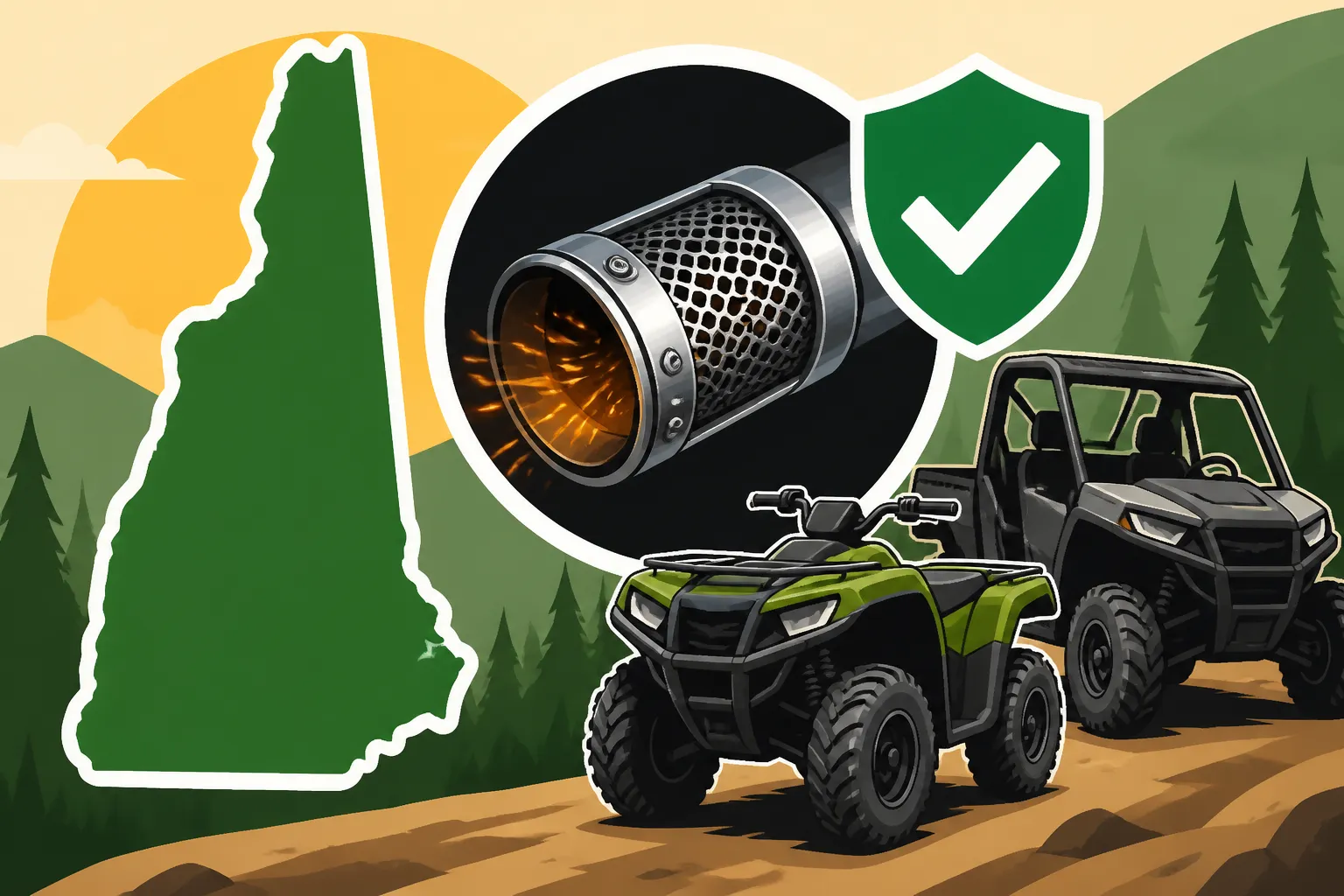
When you’re out on the trails, enjoying the incredible scenery and the thrill of the ride, the last thing you want to do is inadvertently start a wildfire. This is precisely where a spark arrester comes into play. Simply put, a spark arrester is a device that's integrated into your off-highway recreational vehicle’s (OHRV) exhaust system, designed to prevent incandescent particles (sparks) from exiting the engine's exhaust and potentially igniting dry vegetation.
Think of it like a tiny, specialized filter. As exhaust gases leave your engine, they can carry super-hot carbon particles, especially if your engine isn't running perfectly or if you're really pushing it. Without a spark arrester, these fiery bits could fly out of your muffler and land in leaves, grass, or pine needles, which, especially during dry seasons, can go up in flames frighteningly fast. Here in New Hampshire, with our vast forests and beautiful, often dry, trail systems, fire prevention is taken very seriously, and for good reason. It’s not just about protecting the land; it’s about protecting homes, wildlife, and the very trails we love to ride. The consequences of even a small spark getting loose can be devastating.
The law reflects this serious concern. New Hampshire statutes explicitly require OHRVs to be equipped with a spark arrester. This isn't just a friendly suggestion; it's a mandatory piece of safety equipment. Riding without one is a direct violation of the law, carrying fines and demonstrating a disregard for the safety of our natural resources. It’s a small component with a huge responsibility, safeguarding our environment and ensuring the longevity of our riding opportunities.
Checking for a Spark Arrester on Your ATV or UTV
So, how do you know if your trusty machine is equipped with this vital piece of safety gear? It's a question many riders ask, especially if they've bought a used OHRV or modified their exhaust system. The good news is, checking for a spark arrester isn't usually a complicated process, but it does require a bit of hands-on inspection.
Most factory-installed exhaust systems on ATVs and UTVs come with an integrated spark arrester. Look for a stamp or etching on the muffler itself, often near the exhaust tip, that clearly states "USFS Approved" or "Spark Arrestor" along with a compliance number or symbol. The U.S. Forest Service (USFS) is the primary certifying body for these devices, so their approval stamp is your best indicator of compliance. If you see that stamp, you're usually good to go!
However, if you've replaced your muffler with an aftermarket exhaust, or if you're riding an older machine, you'll need to be more diligent. Some aftermarket mufflers come with built-in spark arresters, and they should also bear the USFS stamp. Others are designed to allow you to insert a spark arrester separately. This is usually a screen or baffle that fits into the end of the exhaust pipe. You might need to remove a screw or two to pull out the end cap and physically inspect the screen. If you're running an aftermarket system and don't see that USFS stamp, or if there's no visible screen, it's time to investigate further. Companies like SuperATV offer a wide range of exhaust components and complete systems, and it's always worth checking their product descriptions to confirm spark arrester compatibility if you're considering an upgrade or replacement. Don't just assume; always verify.
Common Spark Arrester Issues to Watch For
Even if your machine has a spark arrester, it's not a set-it-and-forget-it component. These devices can become clogged or damaged over time, which not only makes them less effective but can also impact your engine's performance.
- Clogging: Over time, carbon deposits can build up on the spark arrester screen, restricting exhaust flow. This can lead to your engine running hotter, losing power, and even causing misfires. If your machine feels sluggish or sounds different, a clogged spark arrester could be the culprit.
- Damage: The screen can be bent, torn, or otherwise damaged, especially if it's not securely installed or if you've had a rough ride. A damaged screen can allow sparks to escape, rendering the device useless.
- Missing Parts: Sometimes, especially on used machines, previous owners might have removed the spark arrester for various reasons (often misguided attempts to increase power or alter sound). Always double-check that the component is actually present and intact.
Regular maintenance, including checking and cleaning your spark arrester, is just as important as changing your oil or checking your tire pressure. It's a small task that contributes significantly to both your safety and your compliance with [New Hampshire Equipment Rules for Road Riding] and trail regulations.
What Happens if Your OHRV Doesn't Have a Spark Arrester in New Hampshire?
Riding without a compliant spark arrester in New Hampshire isn't just a minor oversight; it's a clear violation of state law with tangible consequences. The authorities, particularly Conservation Officers from New Hampshire Fish and Game, are very serious about enforcing OHRV regulations, especially those related to safety and environmental protection. They conduct regular checks at trailheads and along the trails, and an inspection often includes a look at your exhaust system.
The most immediate consequence is a fine. While I can't give specific dollar amounts, expect a citation that will certainly put a dent in your riding budget. These fines are designed to be a deterrent and a reminder that safety regulations are in place for everyone's benefit. Beyond the monetary penalty, you might be ordered to stop riding until the issue is rectified. Imagine having your long-planned weekend ride cut short because of a missing or non-compliant part! That's a frustrating situation that's easily avoidable with a quick check before you head out. Understanding [New Hampshire Fines for an OHRV Violation] is crucial for all riders.
However, the legal repercussions are only one aspect. The far more significant risk is the environmental damage you could cause. New Hampshire's forests are precious, and a single spark can devastate acres of land, destroy wildlife habitats, and even threaten communities. Starting a wildfire, even accidentally, can lead to far more severe penalties, including liability for firefighting costs and criminal charges, depending on the severity and impact. It’s a responsibility every rider carries when they venture into our beautiful backcountry.
Beyond the legal and environmental risks, there’s also the matter of responsible trail access. Many of our trails are maintained by volunteer clubs and operate on land leased from private owners or managed by the state. Landowners grant permission to ride on their property with the expectation that riders will be responsible and respectful. Ignoring safety regulations like the spark arrester requirement undermines that trust and can jeopardize future trail access for everyone. Clubs work incredibly hard to maintain good relationships with landowners, and preventable incidents make that job much harder. Riding without the proper equipment is not just about you; it impacts the entire riding community and our ability to enjoy these amazing trails for years to come. Whether you're riding on state-managed lands or [New Hampshire Rules for Riding Private Land], compliance is key.
Ensuring Your Spark Arrester is Compliant and Maintained
Now that we understand the "why" and "what happens if," let's talk about how to make sure you're always riding safely and legally. Ensuring your spark arrester is compliant is a straightforward process, but it does require a bit of proactive effort.
First and foremost, inspect your current system. Locate your muffler and look for that "USFS Approved" stamp. If you don't see it, or if you have any doubts, assume you're not compliant until proven otherwise. If you have an aftermarket exhaust, check its documentation to see if it came with a spark arrester or if one needs to be purchased and installed separately. If your spark arrester is a removable screen, pull it out and give it a good cleaning. Carbon buildup can severely restrict exhaust flow and make the arrester ineffective. A wire brush usually does the trick to clear out the soot.
If you discover your machine is missing a spark arrester or that the one you have is damaged, don't panic! Replacement options are readily available. Many powersports dealers stock universal spark arrester inserts, or you can find direct replacements for your specific muffler. Companies like SuperATV are well-known for offering aftermarket parts, including exhaust components and spark arresters, that meet compliance standards. When purchasing, always confirm that the product is USFS approved for off-road use. Installation is usually quite simple, often involving just a few screws or a clamp to secure the new screen or baffle into the muffler.
Spark Arrester Maintenance Checklist
To help you stay on top of your game, here’s a quick checklist for spark arrester maintenance:
| Item | Action | Frequency | Importance |
|---|---|---|---|
| Visual Inspection | Check for USFS stamp, visible damage, or missing parts. | Before every major ride, monthly | High |
| Screen Cleaning | Remove and clean carbon buildup from the screen with a wire brush. | Every 25-50 hours of riding, or quarterly | High |
| Secure Fit | Ensure the arrester (if removable) is tightly secured and not rattling. | Monthly | Medium |
| Exhaust Leaks | Listen for exhaust leaks around the muffler or header pipe, which can indicate issues. | Regularly during rides, monthly | Medium |
| Performance Check | Note any sudden drops in power, unusual noises, or overheating. | Continuously | High |
Staying on top of this small but mighty component will save you from potential fines, protect our beautiful New Hampshire trails, and ensure you can continue to enjoy your OHRV adventures responsibly. It’s a simple step that has a big impact on everyone’s safety and the future of riding in the Granite State. So, before your next ride, take a moment to confirm your spark arrester is ready for action!
Disclaimer
This article is for general informational purposes only and does not constitute professional advice. Laws, prices and regulations vary by location and change over time. Consult a qualified professional for guidance on your specific situation.