New Hampshire Rules for a Child Passenger
It's an absolute joy to introduce our kids to the thrill of off-road riding in New Hampshire. There's nothing quite like exploring the vast trail systems with your family, creating memories that last a lifetime. But let's be real: when you're thinking about bringing a child along as a passenger on your ATV or UTV, the legalities and safety considerations can feel like a minefield. You want to do it right, keep everyone safe, and avoid any unwanted run-ins with the authorities. This comprehensive guide is here to untangle all the rules and regulations surrounding child passengers on OHRVs in the Granite State, ensuring your family adventures are both fun and fully compliant.
Understanding New Hampshire's Core Philosophy on Child Passengers
New Hampshire's approach to off-highway recreational vehicles (OHRVs) is all about safety, and that's especially true when it comes to our youngest riders and passengers. The state has very clear guidelines to prevent accidents and ensure that anyone riding an ATV or UTV, particularly children, is adequately protected. It's not just about what makes sense; it's about what the law demands, and understanding this fundamental philosophy is the first step to a worry-free ride.
The Fundamental "One Person, One Seat" Rule for ATVs
Let's start with ATVs, which are often the first machine people think of when they imagine off-roading. For traditional, single-rider ATVs, New Hampshire law is pretty unequivocal: one operator, one designated seat. This means you generally cannot carry a passenger on an ATV unless that ATV was specifically designed by the manufacturer to carry more than one person. We're talking about those "two-up" or "tandem" ATVs that come with a factory-installed second seat and footrests. If your ATV is a standard, single-rider model, trying to squeeze a child behind you, even a small one, is not only incredibly dangerous but also against the law. It affects the balance, handling, and overall safety of the machine, which is simply not built for the extra weight distribution of a passenger. This rule is in place for a good reason, recognizing that the dynamics of a single-rider ATV make carrying a passenger, especially a child, a significant risk.
Think about it: when you hit a bump or make a sharp turn on a single-rider ATV, your body instinctively shifts to counterbalance the machine. Add another person, particularly one who can't anticipate those movements or hold on with the same strength, and you're asking for trouble. It's a common frustration for parents who just want to share the experience, but the state's hard line here is purely for safety. It's much better to ensure everyone has their own appropriate machine or a proper passenger seat.
UTVs: A Different Story for Multiple Occupants
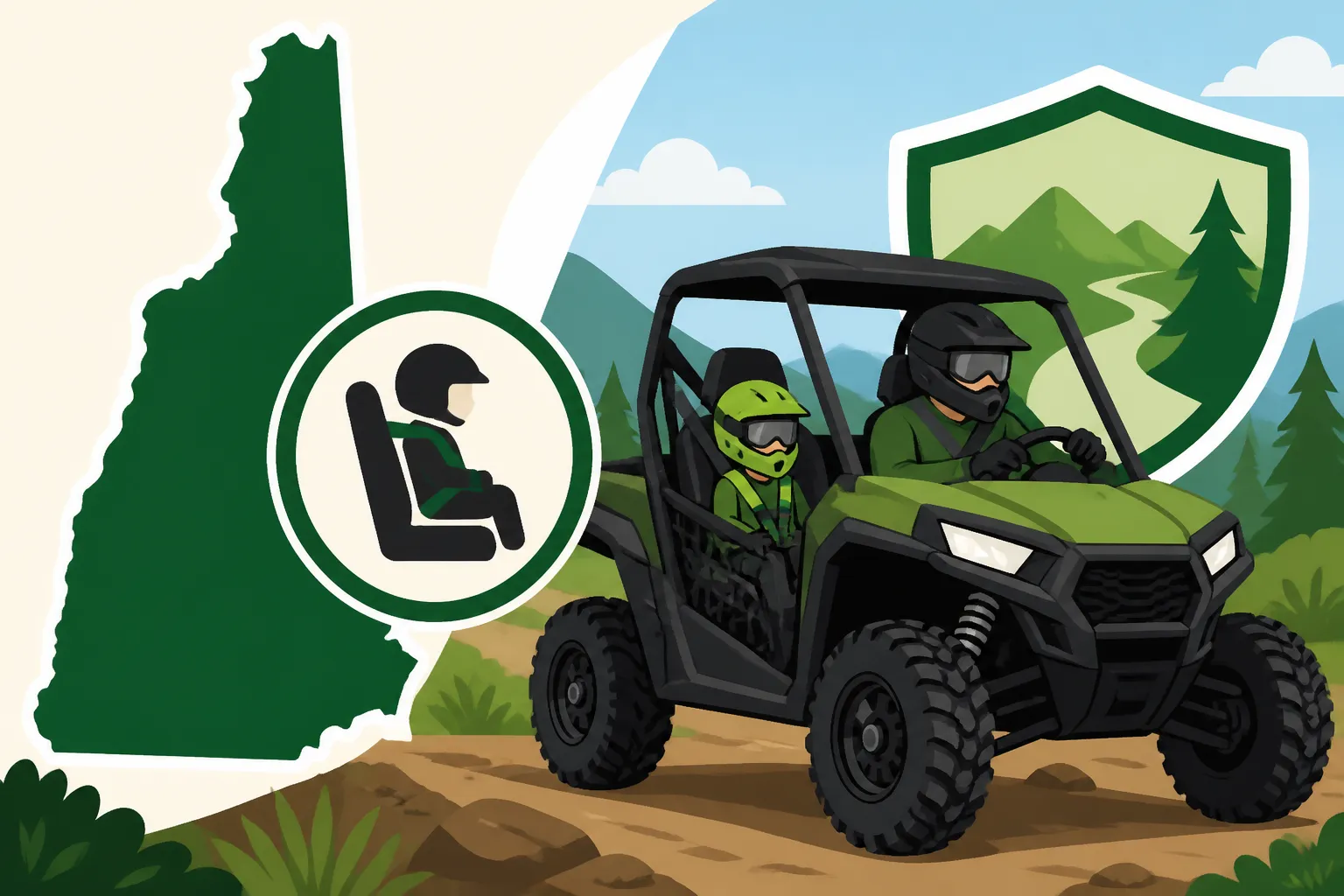
Side-by-sides, or UTVs (Utility Terrain Vehicles), are where things get a bit more flexible for carrying passengers, including children. Unlike most ATVs, UTVs are designed from the ground up to carry multiple occupants, featuring bucket or bench seating, seatbelts, and roll-over protection structures (ROPS). New Hampshire law recognizes this design difference and permits passengers in UTVs, provided they are seated in a manufacturer-designed seating position and are using the provided restraints, such as seatbelts. This means a child can absolutely be a passenger in your UTV, assuming there's a designated seat for them.
However, "flexible" doesn't mean "anything goes." Just like in a car, every child needs their own designated spot. You can't have two small children sharing one seatbelt, even if they technically "fit" on the bench. The rules are clear: one person per seat, properly belted in. This is why when you're looking at different UTV models, especially if you plan to bring the whole family, you'll see options for two, four, and even six-seater configurations. It's crucial to match the number of passengers you intend to carry with the machine's capacity. Many riders invest in sturdy aftermarket accessories, like those from SuperATV, to enhance their UTV's safety and comfort, which can be particularly beneficial when carrying young passengers, as long as these modifications don't compromise the original safety features like seatbelt anchor points.
Why Safety is Paramount for Young Riders and Passengers
At the heart of all New Hampshire's OHRV regulations, especially those concerning minors, is the unwavering commitment to safety. Riding an ATV or UTV comes with inherent risks, and children, due to their smaller size, developing judgment, and different reaction times, are particularly vulnerable. The rules aren't just bureaucratic hurdles; they are life-saving measures designed to mitigate these risks. From helmet requirements to specific supervision guidelines, every piece of legislation aims to create the safest possible environment for children to enjoy the sport.
Consider the potential for sudden stops, sharp turns, or unexpected obstacles on the trail. An adult passenger might brace themselves or react quickly, but a child might not have the same instinct or physical strength to hold on. The speed, terrain, and even the vibration of the machine can be much more impactful for a smaller body. The state's regulations, therefore, serve as a minimum standard, a baseline for responsible riding. As parents and guardians, it's our responsibility to not just meet these minimums, but to exceed them where possible, always prioritizing the well-being of our young passengers. It’s about instilling a culture of safety from the very first ride. New Hampshire Rules for a Child Passenger is a fundamental document that lays out these principles, and it's something every parent should be familiar with.
Age and Equipment Rules for Young OHRV Passengers in New Hampshire
Navigating the trails of New Hampshire with a child passenger involves more than just having the right machine. There are specific age-related stipulations and mandatory equipment rules that you absolutely must adhere to. Ignoring these isn't just a minor infraction; it can lead to serious consequences, both legal and, more importantly, in terms of safety.
The Mandate for Helmets, Regardless of Age
This is perhaps one of the most critical and non-negotiable rules: any person operating or riding as a passenger on an OHRV in New Hampshire, regardless of their age, must wear a protective helmet. There are no exceptions for age or type of machine here. Whether it's a child barely old enough to sit up or a teenager, a DOT-approved helmet is absolutely required. This isn't just good advice; it's the law. The helmet must be properly fitted and securely fastened. A helmet that's too loose or too large for a child's head offers minimal protection in a fall or collision.
The rationale is clear: head injuries are among the most devastating in OHRV accidents. A helmet acts as the primary line of defense. For children, whose skulls are still developing and whose neck muscles might not be as strong, this protection is even more vital. Choosing the right helmet for a child involves not just size, but also ensuring it meets current safety standards (DOT certification). It’s also important to remember that helmets have a lifespan; they should be replaced after any significant impact or if they show signs of wear and tear. You can learn more about this in [New Hampshire Helmet Law for Passengers]. Never compromise on this.
Supervision Requirements for Minor Riders and Passengers
While the primary focus of supervision rules in New Hampshire often falls on operating an OHRV, the spirit of these regulations extends to minors as passengers as well. While there isn't a specific age limit for being a passenger in a UTV (assuming they can be properly seated and restrained), the overall responsibility for the child's safety and adherence to all rules falls squarely on the adult operator.
For example, while a child under 12 cannot operate an OHRV on public land, they can certainly be a passenger. However, the adult supervising them must ensure they are properly equipped, understand basic safety instructions, and behave appropriately on the machine. If a child is a passenger on an ATV that is designed for two-up riding, the operator must be at least 18 years old. The concept of [New Hampshire Supervision Rules for Minors] is about ensuring that an experienced, responsible adult is always overseeing the activity, making decisions that prioritize the child's well-being. This adult is responsible for teaching good habits, setting boundaries, and being prepared for any situation that might arise on the trail.
Essential Gear Beyond the Helmet
While the helmet is paramount, a child passenger needs more than just head protection to be truly safe and comfortable on an OHRV. Here's a quick rundown of other essential gear:
- Eye Protection: Goggles or a face shield are critical. Dust, debris, branches, and insects can easily get into a child's eyes, causing discomfort, distraction, and potential injury. Even if the UTV has a windshield, goggles are highly recommended as they provide a more secure seal.
- Long-Sleeved Shirt and Pants: This might seem counterintuitive on a hot day, but long sleeves and pants protect against scrapes, scratches from brush, and minor impacts. Durable materials like denim or specialized riding gear are best.
- Over-the-Ankle Boots: Sturdy boots protect feet and ankles from impacts, provide better grip on footrests, and keep feet safe from hot engine parts or trail hazards. Sneakers or sandals are a definite no-go.
- Gloves: Gloves protect hands from blisters, abrasions, and offer a better grip, especially important for younger passengers who need to hold on tightly.
- Appropriate Layering: New Hampshire weather can change quickly. Dressing in layers ensures the child stays comfortable whether it's cool in the morning or warmer later in the day.
Investing in quality safety gear, perhaps even specialized youth riding gear from brands like SuperATV which also offers accessories for youth machines, is just as important as the machine itself. These items not only provide protection but also contribute to a more enjoyable experience by keeping the child comfortable and confident.
Navigating Specific Scenarios with Child Passengers
The rules around child passengers don't exist in a vacuum; they interact with other OHRV regulations depending on where you're riding and what kind of machine you have. Understanding these specific scenarios is key to staying legal and safe.
Riding on Public Trails vs. Private Land
The location of your ride can subtly change some of the dynamics, though the core safety principles remain. When you're riding on designated public OHRV trails, such as those that are part of the vast Ride the Wilds system in northern New Hampshire, all state laws, including those for child passengers, are strictly enforced. Conservation Officers and local law enforcement actively patrol these areas to ensure compliance. This means helmets, proper seating in UTVs, and appropriate two-up ATVs are non-negotiable. [New Hampshire Rules for Riding State Land] are always in effect here.
However, if you're riding exclusively on private land that you own or have explicit written permission to use, some of the specific state operational rules may be less strictly applied, but the spirit of safety, especially concerning minors, should always prevail. Even on private property, allowing a child to ride unsafely or without a helmet is a massive liability and a moral failing. Most experienced riders will tell you that the fundamental safety practices should be maintained regardless of whether you're on public or private land. The risks of injury don't disappear just because you're off the public radar. [New Hampshire Rules for Riding Private Land] still emphasize responsible operation and landowner permission, but for your family's safety, always uphold the highest standards.
The Nuances of Carrying Passengers on Street-Legal OHRVs
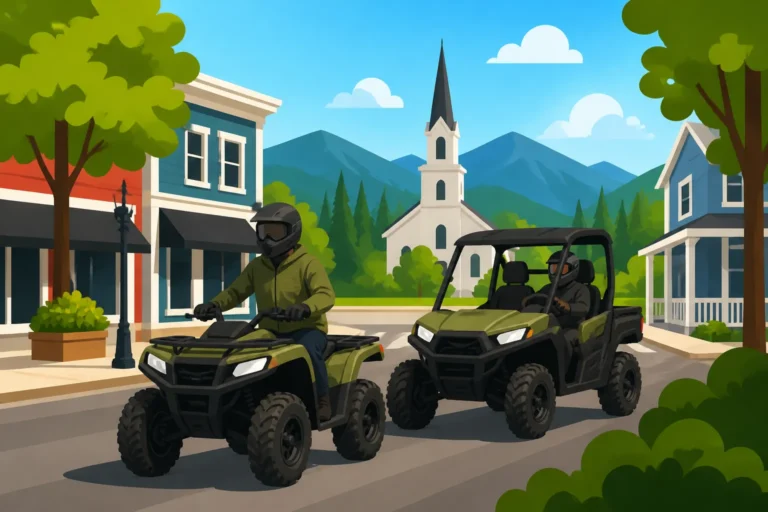
While the concept of "street-legal ATVs" is generally limited in New Hampshire, many towns have opened specific roads to OHRVs. When riding these designated town roads, typically to connect to a trail system or access local services, the rules for passengers can become a blend of OHRV regulations and general motor vehicle principles. For instance, while OHRVs might be allowed on certain roads, local ordinances can still impose additional speed limits or restrictions. The state's helmet law for OHRV passengers applies universally, whether you're on a trail or a town road.
Furthermore, if your UTV is equipped with proper street-legal accessories like turn signals, horn, and mirrors (many of which can be found through suppliers like SuperATV), and you're riding on an approved road, you must still ensure your child passenger is safely secured. This means they must remain seated in their designated seat, properly belted in, and not interfering with the operator's control or vision. While New Hampshire doesn't require OHRV insurance, it's a wise consideration if you're regularly riding with passengers, especially on public roads, to protect against unforeseen circumstances. Understanding [New Hampshire Equipment Rules for Road Riding] is crucial for ensuring your machine, and by extension your passengers, are compliant.
What to Look for in a Family-Friendly OHRV
When choosing an OHRV for family adventures with child passengers, safety and suitability are paramount. For carrying children, a UTV is almost always the superior choice over a two-up ATV, due to its design. Here’s what to consider:
- Seating Capacity: Does it have enough designated seats with seatbelts for all intended passengers, including your children? Don't overcrowd the machine.
- Roll-Over Protection Structure (ROPS): UTVs come with ROPS, which are critical in the event of a roll-over. Ensure it's intact and hasn't been compromised by aftermarket modifications.
- Seatbelts/Harnesses: Ensure the UTV has well-maintained, functional seatbelts for every seating position. Some parents opt for aftermarket multi-point harnesses for even greater security for young children, provided they are professionally installed and compatible with the ROPS.
- Ride Comfort and Suspension: A smoother ride means less jarring for young passengers. Good suspension can significantly improve comfort and reduce fatigue, making long rides more enjoyable for kids.
- Engine Size and Power: While tempting to go for the most powerful machine, a moderate engine size is often more appropriate when regularly carrying children. It offers sufficient power for trails but is less likely to feel overly aggressive or difficult to handle with a full load.
- Visibility: Good visibility from the driver's seat is important, but also consider how well your child passengers can see the surroundings, enriching their experience.
- Storage: Ample storage can be a huge plus for carrying extra layers, snacks, water, and first-aid kits, all important when riding with children.
Investing in a machine that is inherently designed for multiple passengers simplifies compliance with New Hampshire's rules and significantly enhances the safety and enjoyment for your entire family. Consider models that offer comfortable, secure seating and reliable performance. If you're [Renting an ATV in New Hampshire], be sure to ask about their specific policies regarding child passengers and the types of machines available.
Ensuring a Safe and Enjoyable Experience for Everyone
Beyond the legal requirements, there are practical steps you can take to make every ride with a child passenger as safe and enjoyable as possible. It's about proactive preparation and fostering a safety-first mindset.
Pre-Ride Checks and Passenger Briefings
Before every single ride, especially with children on board, a thorough pre-ride check of your OHRV is essential. This isn't just about the engine; it's about making sure everything related to passenger safety is in top condition.
- Machine Inspection: Check tire pressure, fluid levels, brakes, lights, and steering. Ensure all seatbelts or harnesses are functional, free of fraying, and securely anchored. Verify that doors (if applicable on a UTV) latch securely.
- Passenger Gear Check: Double-check that everyone, especially children, is wearing their DOT-approved helmet correctly fitted and strapped. Confirm they have eye protection, appropriate clothing, and sturdy footwear.
- Child Passenger Briefing: Before you even start the engine, talk to your child about the ride. Explain the importance of keeping their hands and feet inside the vehicle, holding onto designated grab handles, and not distracting the driver. Teach them about staying seated and what to do in case of a sudden stop. Emphasize that it's okay to tell you if they're uncomfortable or need a break. This isn't just about compliance; it's about empowering them to be active participants in their own safety.
- Emergency Plan: Briefly discuss what to do in an emergency, like if the machine breaks down. Knowing you have a plan can alleviate anxiety for both you and your child.
Taking these few extra minutes can prevent a multitude of problems down the trail.
Understanding Machine Limitations with Extra Weight
Adding passengers, especially children, significantly changes the dynamics of your OHRV. It adds weight, alters the center of gravity, and increases stopping distances. It's crucial to be mindful of these changes:
- Weight Limits: Always be aware of your OHRV's Gross Vehicle Weight Rating (GVWR) and payload capacity, which can usually be found in your owner's manual. Exceeding these limits compromises handling, braking, and suspension, making the machine less safe.
- Braking Distance: With more weight, it will take longer to stop. Anticipate stops much earlier and apply brakes smoothly to avoid unsettling passengers.
- Cornering and Stability: The added weight, especially if higher up, can reduce stability in turns. Take corners slower and more deliberately. Avoid sharp, sudden maneuvers.
- Suspension and Ground Clearance: Extra weight will compress your suspension more, potentially reducing ground clearance. Be extra cautious over obstacles to avoid bottoming out.
- Engine Performance: Your OHRV's engine will work harder to maintain speed and climb hills with a full load. Be aware of any changes in performance and don't push the machine beyond its comfortable limits.
If you have upgraded your machine with heavy-duty components from SuperATV, like stronger springs or larger tires, these might help with handling extra weight, but you still need to respect the original design limitations and the physics involved.
Continuous Education and Leading by Example
The journey of OHRV safety is continuous, especially when children are involved. As the adult operator, you are the most influential role model.
- Ongoing Safety Education: Consider taking an OHRV safety course yourself, even if you're an experienced rider. Refresher courses often highlight new regulations or best practices. New Hampshire offers OHRV safety courses, and while they are mandatory for younger operators, they are beneficial for all. Information about [New Hampshire Safety Education Requirements] and [New Hampshire ATV Safety Certificate Requirements] can provide valuable insights.
- Lead by Example: Always wear your helmet, eye protection, and appropriate gear. Follow all trail rules, stay on marked trails, and never ride under the influence. Your children will mimic your behavior, so set the highest standard. If they see you cutting corners, they'll learn that it's acceptable.
- Patience and Breaks: Children have shorter attention spans and tire more easily than adults. Plan your rides with frequent breaks for snacks, drinks, and stretching. Don't rush or push them beyond their comfort level. A tired or uncomfortable child is a distracted or unhappy one, increasing safety risks.
- Positive Reinforcement: Praise them for following instructions and being good passengers. Make the experience positive and fun, so they associate OHRV riding with safety and enjoyment.
- Respect the Trails and Environment: Teach children about responsible trail use, respecting wildlife, and leaving no trace. This instills a broader sense of responsibility that extends beyond just riding the machine.
By integrating these practices into your family's OHRV adventures, you're not just complying with regulations; you're building a foundation of safe, responsible, and incredibly rewarding experiences for everyone. It’s about creating lifelong memories safely in the beautiful New Hampshire outdoors.
| Rule Category | ATVs (Single-Rider) | ATVs (Two-Up/Tandem) | UTVs (Side-by-Sides) |
|---|---|---|---|
| Passenger Legality | Generally NO (unless manufacturer-designed two-up) | YES (if manufacturer-designed two-up with second seat/footrests) | YES (in designated manufacturer-installed seats) |
| Helmet Requirement | YES, for all passengers, regardless of age | YES, for all passengers, regardless of age | YES, for all passengers, regardless of age |
| Eye Protection | Highly Recommended for all passengers | Highly Recommended for all passengers | Highly Recommended for all passengers |
| Seatbelts/Restraints | N/A (single-rider focus) | YES (if equipped by manufacturer) | YES (mandatory in all designated seats) |
| Minimum Age | N/A (passengers generally not allowed) | No specific minimum age, but must be able to hold on/sit properly | No specific minimum age, but must be able to sit properly and use restraints |
| Supervision | Adult operator must be 18+ | Adult operator must be 18+ | Adult operator must be 18+ |
Disclaimer
This article is for general informational purposes only and does not constitute professional advice. Laws, prices and regulations vary by location and change over time. Consult a qualified professional for guidance on your specific situation.