New Hampshire Rules for a Rider Aged 14
It's an exciting time when your kids reach an age where they're ready for more independence on the trails, especially when it comes to riding their own ATV or UTV. But as a parent, navigating the specific rules and regulations for a 14-year-old rider in New Hampshire can feel like trying to find your way through a dense forest without a map. This guide is here to clear up that confusion, giving you a comprehensive understanding of what your 14-year-old can and cannot do, ensuring their safety and your peace of mind on the trails.
The Foundation: Safety Certificate and Core Requirements
When your teenager hits 14, they're stepping into a new phase of OHRV riding in the Granite State. The rules shift slightly from those for younger riders, granting them more freedom but also more responsibility. Understanding these foundational requirements is absolutely critical before they even think about heading out. It’s not just about avoiding fines; it’s about ensuring they have the knowledge and skills to be safe and respectful riders.
Earning Your Safety Certificate: What It Entails
For any rider between the ages of 12 and 18 in New Hampshire, holding an OHRV Safety Certificate is non-negotiable if they plan to ride on public trails or land open to the public. For a 14-year-old, this certificate is their golden ticket to greater independence. It's not just a piece of paper; it represents a foundational understanding of safe operating procedures, trail etiquette, and the specific laws that govern OHRV use in New Hampshire. The course covers everything from basic machine controls and maintenance to environmental awareness and emergency preparedness. It's designed to instill responsible riding habits from the start.
There are a couple of ways your teen can get this certificate. They can take an online course, which offers flexibility and allows them to learn at their own pace from home. Or, they can opt for a free, in-person classroom course offered by the New Hampshire Fish and Game Department, often in collaboration with local OHRV clubs. These classroom settings can be great for hands-on questions and interactions. Whichever path you choose, make sure they understand the material, not just memorize it for the test. This knowledge is what keeps them safe when you're not right there beside them. You can find more information on specific options by looking into [Where to Take a New Hampshire ATV Safety Course].
Why No Driver's License Doesn't Mean No Riding
This is a common point of confusion for many parents. Your 14-year-old isn't old enough to hold a standard driver's license for a car, and you might naturally assume that means they can't operate a motorized vehicle independently. However, New Hampshire law makes a clear distinction for OHRVs on designated trails. While a valid automobile driver's license can substitute for an OHRV Safety Certificate for riders aged 18 and over, it does not apply to a 14-year-old. For them, the OHRV Safety Certificate is the only acceptable proof of competency.
So, don't worry that their lack of a car license restricts their trail adventures; it simply means their OHRV certificate is paramount. This system is designed to allow younger riders to experience the sport in a controlled, educational environment before they're eligible for road vehicles. It means that while they might not be driving you to the grocery store, they can certainly be navigating a trail system with confidence and legality, provided they've met the safety certificate requirement. This distinction is crucial for understanding [New Hampshire Safety Education Requirements] and avoiding any misunderstandings when you're out enjoying the state's incredible trail network.
Where a 14-Year-Old Can Legally Ride
Once your 14-year-old has their OHRV Safety Certificate and the machine itself is properly registered, the next big question is: where can they actually ride? This is where New Hampshire offers some fantastic opportunities, but also some very strict limitations, especially concerning public roads. Knowing the difference is key to a fun and legal riding experience.
Solo Adventures on Designated Trails
Here's the exciting part for your 14-year-old: with their OHRV Safety Certificate in hand, they are legally allowed to ride unsupervised on designated OHRV trails and private land where permission has been granted. This is a significant step up from the rules for 12 and 13-year-olds, who generally require adult supervision. This means your teen can venture out with their friends (who also meet the age and certificate requirements) or enjoy the trails on their own, experiencing the independence and thrill of exploring New Hampshire's vast network.
Think of the [Ride the Wilds in Coos County] trail system, for example, offering hundreds of miles of interconnected trails. A 14-year-old with their certificate can ride these trails freely. This independence fosters a sense of responsibility and allows them to develop their riding skills in a real-world setting. However, this freedom comes with the expectation that they understand and respect all trail rules, stay on marked paths, and always ride within their abilities. It's a privilege, not a right, and understanding this is part of becoming a mature rider.
Understanding Trail Networks and Restrictions
New Hampshire boasts an incredible variety of trails, from extensive club-maintained networks to designated state land. Most of these trails are managed by local OHRV clubs in cooperation with the New Hampshire Bureau of Trails. When riding on these trails, it's vital to respect all posted signs and regulations, which can sometimes include width restrictions for machines. For instance, some rail trails might have a 50-inch width limit, which is important to know if your teen is riding a wider side-by-side.
Different trail systems have different nuances. For example, [Jericho Mountain State Park at Berlin] has its own set of rules and sometimes a day-use fee, even if the machine is registered. Always check the specific rules for the area you plan to ride. While your machine needs to be registered for trail access, remember that club membership can sometimes offer benefits like discounted registration rates and direct support for trail maintenance. For any upgrades or accessories that might enhance safety or trail navigation, such as wider mirrors for better visibility or auxiliary lighting for dusk rides, many riders look to brands like SuperATV for reliable options. Good visibility is always paramount, especially for younger riders. [New Hampshire Trails That Link Towns] often cross various jurisdictions, so staying informed about specific trail segments is a good habit.
The No-Go Zones: Public Roads and Highways
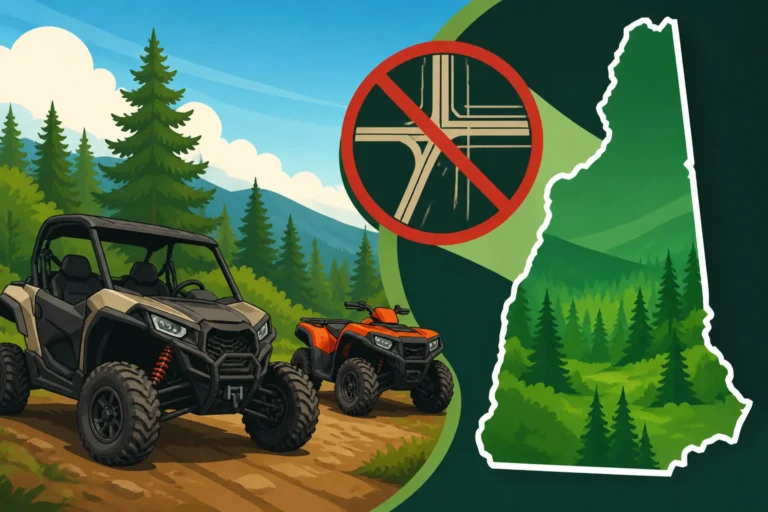
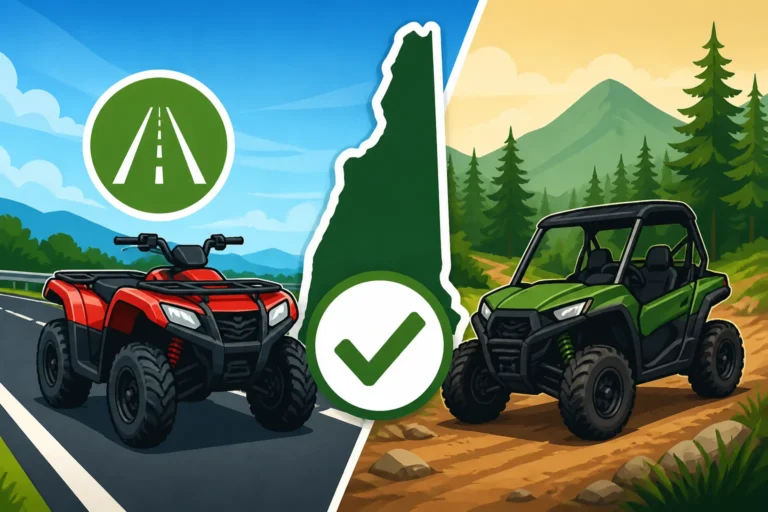
This is perhaps the most critical distinction and a frequent source of confusion: a 14-year-old, even with an OHRV Safety Certificate, cannot operate an OHRV on public roads or highways in New Hampshire. Period. Even if a town has voted to open certain roads to OHRVs, and even if your machine meets the specific equipment requirements for road use, a rider must possess a valid automobile driver's license to operate an OHRV on public roads. Since a 14-year-old does not have a driver's license, they are automatically excluded from riding on any public way.
This rule exists for safety reasons. OHRVs are not designed for the same traffic conditions as cars, and operating them on roads requires a different set of skills and judgment that comes with formal driver education and experience. Attempting to ride on a public road, even just to connect between trails, can lead to significant fines and puts your child at serious risk. It's important to educate your teen about this absolute prohibition. They might see older riders legally using town roads in places like Gorham or Berlin, but those riders are at least 16 and hold a valid driver's license. For specific information on which towns allow OHRVs on certain roads, you can refer to [New Hampshire Towns That Allow OHRVs on Roads], but always keep the age and driver's license requirement in mind for your 14-year-old.
Essential Gear and Responsible Riding Habits
Beyond knowing the rules, equipping your 14-year-old with the right gear and instilling responsible riding habits are paramount. Safety isn't just about what's legal; it's about making smart choices that protect them and preserve the natural beauty of New Hampshire.
Mandatory Safety Gear for Young Riders
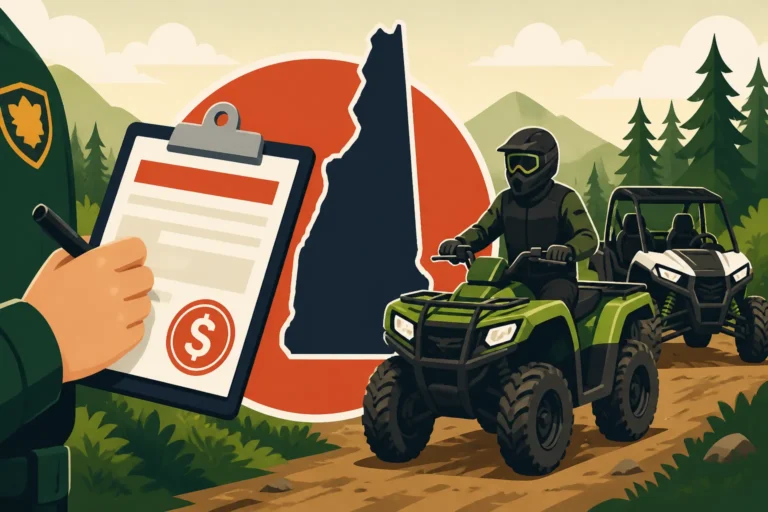
Safety gear is not optional; it's a lifesaver. For all OHRV riders under the age of 18 in New Hampshire, a helmet is legally required. This isn't just any helmet; it must be a securely fastened helmet that meets safety standards. Think of a DOT-approved motorcycle or OHRV-specific helmet. This provides critical head protection in the event of an accident. Along with a helmet, eye protection is also mandatory. Goggles or a helmet with a face shield are essential to protect against dust, debris, branches, and insects, which can cause serious injury or momentary blindness, leading to a loss of control.
It's tempting to think a baseball cap and sunglasses are enough on a hot day, but they simply aren't. Invest in good quality gear that fits properly. An ill-fitting helmet can be just as dangerous as no helmet at all. Beyond the legal requirements, encourage your teen to wear sturdy boots, long pants, a long-sleeved shirt, and gloves to protect against scrapes, impacts, and branches. While not legally mandated for all ages, this full protective gear is a smart choice for any rider, especially one still developing their skills and judgment.
Environmental Responsibility and Trail Etiquette
Part of being a responsible rider, regardless of age, is understanding the impact OHRVs can have on the environment and other trail users. New Hampshire's trails are a shared resource, used by hikers, cyclists, snowmobilers (in winter), and often cross private land. Your 14-year-old needs to understand that staying on marked trails, respecting private property (even unposted land is generally off-limits without explicit permission), and packing out what they pack in are fundamental principles. [New Hampshire Landowner Permission Rules] are critical to maintaining access for everyone.
Emphasize avoiding excessive noise, especially near residential areas or wildlife. Many OHRVs come equipped with spark arresters to prevent forest fires, and tampering with these or exceeding decibel limits can lead to fines and trail closures. Teaching your teen to slow down and be courteous when passing other trail users, or when they encounter wildlife, reinforces respect for everyone sharing the outdoors. These aren't just polite suggestions; they are often embedded in the rules and regulations for trail systems, and adhering to them helps ensure continued access for the OHRV community for years to come.
Being Prepared for the Unexpected
Even the most experienced riders can encounter unexpected situations on the trail. For a 14-year-old who is riding independently, being prepared is even more crucial. Encourage them to carry a small backpack with essentials: water, snacks, a basic first-aid kit, and perhaps a small tool kit for minor repairs. Knowing how to change a flat tire or tighten a loose chain can turn a frustrating situation into a manageable one.
Communication is also key. While cell service can be spotty in the more remote areas of New Hampshire, having a fully charged phone is still important for emergencies where coverage is available. Consider teaching them basic navigation skills, perhaps with a GPS device or a downloaded trail map on their phone, in case they get disoriented. Many clubs provide detailed maps of their trail networks, and some advanced OHRV accessories from brands like SuperATV include integrated GPS systems or robust lighting options that can be invaluable if a ride runs longer than expected or if visibility suddenly drops. Before heading out, always share their planned route and estimated return time with a responsible adult. This simple step can make a huge difference if something goes wrong.
Common Misconceptions and Parental Guidance
Even with all the rules laid out, there are still some common misconceptions that can trip up riders and their parents. As a parent, your role extends beyond just understanding the legalities; it's about fostering a culture of safety and responsibility.
"My Home State's Rules Are Different"
A very common mistake, especially for those visiting New Hampshire from neighboring states like Maine, Vermont, or Massachusetts, is assuming that their home state's OHRV registration or rider age rules apply here. This is simply not the case. New Hampshire has its own distinct set of laws, and they apply to everyone riding within its borders, regardless of where they are from. For example, [Why New Hampshire Honors No Neighbor's Registration] means that an ATV or UTV registered in Maine cannot be legally ridden on New Hampshire trails without also obtaining a New Hampshire registration.
The same principle applies to rider age and certification. Even if your 14-year-old is allowed to ride independently in your home state without a certificate, they must obtain and carry a New Hampshire OHRV Safety Certificate to ride on public trails here. It's crucial not to assume reciprocity. Always check the local laws for the state you plan to ride in, as ignorance of the law is never an excuse. Taking a few minutes to understand [New Hampshire Rules for a Visiting Rider] can save you a lot of hassle and potential fines.
Empowering Your Teen Through Education
Instead of just dictating rules, empower your 14-year-old by involving them in the learning process. Have them read through the OHRV handbook, discuss potential scenarios on the trail, and quiz them on the rules. When they take ownership of their knowledge, they are more likely to apply it responsibly. This also helps them understand why certain rules exist, not just that they exist. Explaining that speed limits are for their safety and the safety of others, or that staying on marked trails protects delicate ecosystems and landowner goodwill, makes the rules more meaningful.
Consider taking a refresher course together or reviewing safety tips from organizations like the ATV Safety Institute (ASI). The more educated and informed your teenager is, the more confident and safer they will be on the trails. This preparation builds not just riding skills, but also critical thinking and decision-making abilities that extend far beyond the OHRV trail.
Leading by Example
Finally, remember that kids learn best by example. As an adult rider, demonstrate the responsible behavior you expect from your 14-year-old. Always wear your helmet and protective gear, even if you're over 18 and not legally required to wear a helmet. Stick to marked trails, respect private property, and maintain your machine. Show them how to be courteous to other trail users and how to properly maintain their OHRV.
Your actions speak louder than any lecture. If you consistently show a disregard for rules or safety, your teenager will likely adopt similar habits. By being a model of responsible OHRV operation, you not only ensure your own safety but also instill invaluable lessons in your child that will serve them well, both on and off the trails.
| Requirement | 14-Year-Old OHRV Rider in New Hampshire |
|---|---|
| OHRV Safety Certificate | Required for all public trails/lands. Must be carried while riding. |
| Driver's License | Not required for trail riding. A valid automobile DL can substitute for the OHRV certificate for riders 18+. |
| Adult Supervision | Not required on designated public trails (unlike 12-13 year olds). Can ride independently. |
| Machine Registration | Machine must be registered in New Hampshire, regardless of rider age. |
| Helmet | Required and must be securely fastened. |
| Eye Protection | Required (goggles or face shield). |
| Public Road Riding | Prohibited. Requires a valid automobile driver's license (age 16+) and town designation. |
| Private Property Riding | Allowed only with written landowner permission. |
| Trail Etiquette | Must stay on marked trails, respect speed limits, yield to other users, protect the environment. |
Disclaimer
This article is for general informational purposes only and does not constitute professional advice. Laws, prices and regulations vary by location and change over time. Consult a qualified professional for guidance on your specific situation.