Gorham’s 25 mph Trail Limit
There’s nothing quite like the thrill of exploring New Hampshire’s rugged beauty on an Off-Highway Recreational Vehicle (OHRV), and for many riders, the town of Gorham is a true gateway to adventure. But while the open trails call, navigating the town itself requires a keen understanding of local rules, especially the specific speed limits that keep everyone safe. This guide will walk you through the ins and outs of Gorham's 25 mph trail limit and other essential regulations, helping you ride confidently and respectfully.
Understanding Gorham's Unique OHRV Rules
Gorham, nestled in the heart of the White Mountains, has become a beacon for OHRV enthusiasts. It's one of those rare towns that actively embraces riders, opening its streets to connect them directly to the vast trail networks. This forward-thinking approach means that while you can indeed ride your ATV or UTV right into town for gas or a bite to eat, you’re also stepping into a unique regulatory environment that combines state laws with specific local ordinances. It’s not just a free-for-all; it’s a carefully managed system designed to integrate recreational riding with town life.
Why Gorham Embraced OHRV Access
The decision to open town streets to OHRVs wasn't made lightly. For years, riders would trailer their machines to trailheads on the outskirts of town, often bypassing local businesses. Gorham’s leadership saw an opportunity to capitalize on the growing popularity of ATV and UTV riding, recognizing the significant economic boost that could come from inviting riders directly into the downtown area. They understood that riders need fuel, food, lodging, and often repairs or accessories. By making the town OHRV-friendly, they created a vibrant hub, drawing in thousands of visitors each season who might otherwise have gone elsewhere. This visionary move transformed Gorham into a premier destination for OHRV tourism, benefiting local shops, restaurants, and inns immensely.
This economic driver is a common thread in towns that choose to open their roads. It’s a delicate balance, of course, between welcoming tourism and maintaining the peace and safety for residents. Gorham has, over time, refined its ordinances to strike this balance, making it a model for other communities considering similar initiatives.
The Importance of Town Ordinances for Riders
While New Hampshire state law provides the overarching framework for OHRV operation, individual towns like Gorham have the authority to establish their own specific ordinances, particularly concerning road access. This means that a rule that applies in one town might be completely different, or nonexistent, in another. It’s a common frustration for riders who travel across town lines, wondering what rules apply where. However, these local ordinances are crucial for local control and reflect the unique needs and concerns of each community. They allow towns to designate specific routes, set speed limits appropriate for urban or residential areas, and even establish curfews.
For you as a rider, this means that simply knowing the state laws isn't enough when you're in a town like Gorham. You absolutely must be aware of and abide by the local rules. Ignoring them can lead to fines, frustrating local residents, and potentially jeopardize the very access that Gorham has worked so hard to create. Always look for signage, check town websites, or ask at local businesses for the most up-to-date information on where and how you can ride.
Navigating Gorham's Streets with OHRVs
Riding your OHRV through Gorham is an experience in itself, allowing you to connect directly from the vast [Ride the Wilds in Coos County] trail system right into the heart of town. However, this privilege comes with clear responsibilities, the most critical of which are the speed limits and designated routes. Gorham has gone to great lengths to signpost its OHRV-friendly roads, making it easier for riders to know where they can go. It’s a matter of respect for the community and ensuring safety for everyone, whether they're on an OHRV, in a car, or walking down the sidewalk.
The 25 mph Limit on Town Roads
One of the most important rules you’ll encounter when riding your OHRV in Gorham is the designated 25 mph speed limit on town roads. This isn't just a suggestion; it's a legal requirement that's strictly enforced. When you transition from a forest trail, where speeds might be higher, onto a paved town street, you need to immediately adjust your speed. This 25 mph limit is specifically chosen to match typical urban speed limits, ensuring that OHRVs can safely share the road with cars, pedestrians, and cyclists. It provides enough speed to keep traffic flowing without creating excessive noise or safety hazards in residential and commercial areas.
Think about it: you're riding a powerful machine, and in a town setting, things can change in an instant – a car pulling out, a child on a bike, someone stepping into a crosswalk. Keeping your speed at 25 mph or below gives you crucial reaction time and significantly reduces the severity of any potential accident. It's a small concession for the incredible access Gorham provides, and it's essential for maintaining the positive relationship between riders and the community. This limit is often posted clearly, so always be on the lookout for speed limit signs specifically for OHRVs, or general town speed limits which your OHRV must also adhere to.
Specific Road Designations and Restrictions
Not every road in Gorham is open to OHRVs. The town has very specific designated routes that riders must stick to. These routes are typically well-marked with signs indicating OHRV access, often showing a picture of an ATV or UTV. You’ll find these routes usually include [Riding Routes 2 and 16 Through Gorham], which are major arteries leading into and out of town, as well as several smaller streets that connect directly to the trail system or lead to essential services like gas stations, restaurants, and parking areas. It's crucial to understand that veering off these designated routes onto a closed road is considered trespassing and can result in significant fines.
For example, residential side streets not marked for OHRV use are generally off-limits. This protects the quiet enjoyment of residents and minimizes potential conflicts. Always assume a road is closed unless you see explicit signage indicating OHRV access. If you're unsure, it's always best to consult a current [New Hampshire Trail Maps From a Club] or inquire at a local business that caters to OHRV riders. Many towns provide maps online or at visitor centers specifically detailing OHRV-friendly routes.
Here's a quick look at common OHRV zones and their typical speed considerations in Gorham:
| Zone | Typical Speed Limit (OHRV) | Key Considerations |
|---|---|---|
| Designated Town Roads | 25 mph | Share with cars, pedestrians; watch for signs. |
| Trail Entrances/Exits | 10 mph | Transition zone, often residential, high pedestrian traffic. |
| Main Corridor Trails (Open) | Varies (often 35 mph) | Check local trail signage; less populated. |
| Parking Lots | Walking speed | Very slow, watch for other vehicles and people. |
| Non-Designated Town Streets | Prohibited | Do not ride here; only designated routes are open. |
Connecting to the Trail Systems from Town
One of the most appealing aspects of Gorham's OHRV-friendly policy is the seamless connection it offers between the town's amenities and the vast network of trails. Imagine fueling up your machine, grabbing a quick breakfast, and then riding directly from the diner parking lot onto an exhilarating trail system. This convenience is a huge draw, but it also means understanding how the transition works, especially concerning speed and awareness. It’s not just about getting there; it’s about getting there safely and respectfully.
The Role of Connecting Corridors
Gorham's designated town roads effectively act as connecting corridors, linking local businesses and services to the main OHRV trailheads. These corridors are thoughtfully chosen to minimize disruption to residential areas while maximizing convenience for riders. They guide you from, say, a gas station on Main Street directly towards the trail entrance without the need to load your machine onto a trailer. This direct access enhances the overall riding experience, making Gorham a true hub for exploring the [New Hampshire Trails That Link Towns]. These roads are crucial infrastructure for the OHRV economy, supporting everything from local restaurants to powersports dealers like those that might stock SuperATV parts for your rig.
When you're riding these connecting corridors, remember that you are still in a shared environment. You'll encounter cars, delivery trucks, and people walking their dogs. Maintain situational awareness, use appropriate hand signals for turns, and follow all traffic laws. The goal is a harmonious coexistence, demonstrating that OHRVs can be integrated safely into community life. Riders who understand and respect these shared spaces are vital to preserving this precious access for everyone.
Trail Entrance Speed Limits
As you approach a trail entrance from a town road in Gorham, you'll often encounter a specific, lower speed limit – frequently 10 mph. This reduced speed isn't arbitrary; it's a critical safety measure. Trail entrances are typically areas of increased activity. You might have other riders staging, pedestrians walking near the trail, or even children playing in nearby yards. The 10 mph limit provides a buffer, giving everyone more time to react and reducing the risk of collisions in these congested zones. It's a clear signal to shift your mindset from "town riding" to "trail riding" and to exercise extra caution.
This 10 mph limit is especially important because trail conditions can change rapidly right at the entrance. You might be transitioning from pavement to gravel, dirt, or even a section of mud. A lower speed allows you to safely assess these changing conditions and ensure your machine is ready for the terrain ahead. Always be on the lookout for signs indicating a change in speed limit as you approach or leave a trail, and always be prepared to slow down. Respecting these localized speed reductions at trail gates and entrances is paramount to rider safety and community relations. [10 mph at a Trail Entrance] is a very common rule to see.
Rider Responsibilities and Safety in Gorham
Riding in Gorham, whether on town roads or connecting trails, isn't just about knowing where you can go; it's deeply rooted in understanding and adhering to the safety regulations that protect everyone. New Hampshire, and Gorham specifically, have rules in place to ensure that OHRV riding remains a fun and safe activity for all participants and doesn't negatively impact the wider community. Ignoring these responsibilities isn't just risky; it can lead to fines, loss of riding privileges, and ultimately, harm the reputation of the entire OHRV community.
General New Hampshire OHRV Regulations that Apply in Gorham
First and foremost, any OHRV you operate in Gorham, or anywhere off your own property in New Hampshire, must be properly registered. This isn't just a suggestion; it's a legal requirement. Make sure your machine has a current New Hampshire OHRV registration decal and that you carry your printed certificate with you. [Registering an OHRV in New Hampshire] is a straightforward process, and various options exist depending on whether you're a resident or non-resident, and if you're a club member.
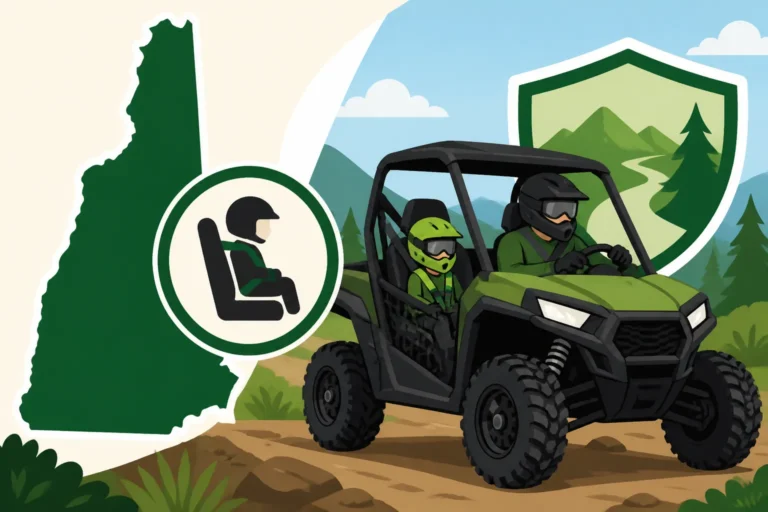
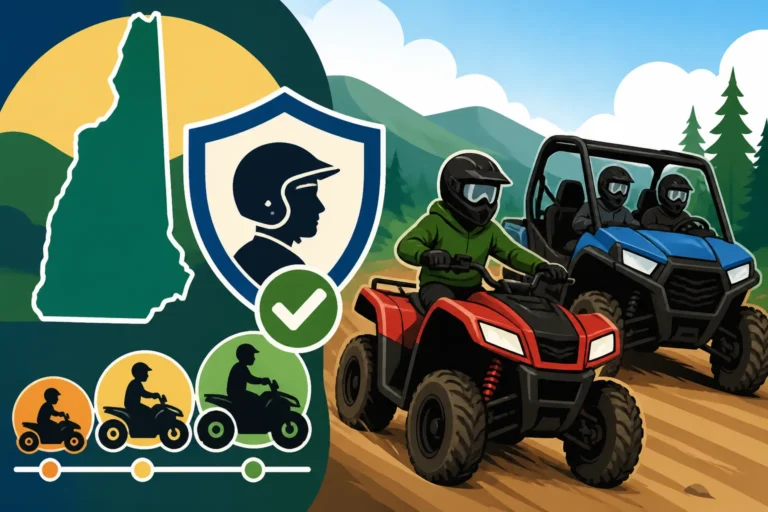
Beyond registration, riders also need to be aware of age and safety requirements. For instance, children under 12 cannot operate an OHRV on public land, and those aged 12 to 15 require a valid OHRV safety certificate and adult supervision. Even adults, especially those without a valid driver's license, might need to have a safety certificate or ride with an accompanying adult. For instance, [Riders 12 and 13 on New Hampshire Public Property] have specific rules, and these don't suddenly disappear when you enter Gorham. Always consult the most current New Hampshire Fish and Game Department guidelines for full details on age, supervision, and safety certificate requirements.
Adhering to the Decibel Limit and Equipment Rules
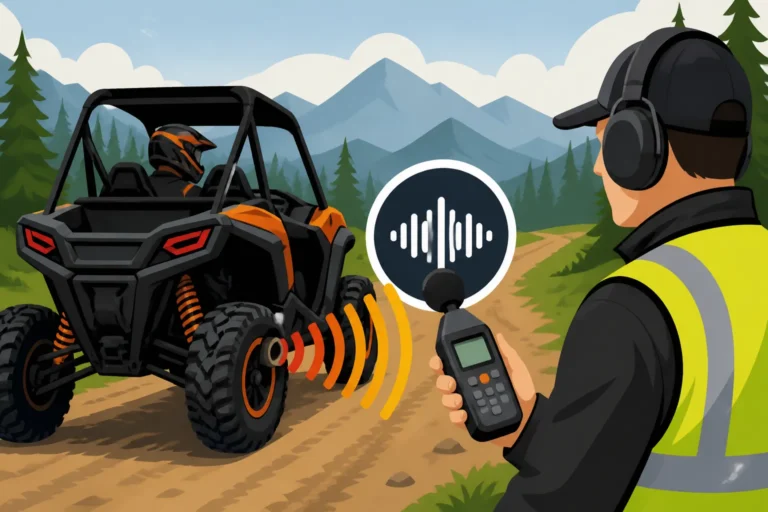
Noise is a significant concern for residents in towns that allow OHRV access, and New Hampshire has clear regulations regarding OHRV sound levels. The state mandates a decibel limit, typically 96 dB(A) measured at a specific distance. Many riders, in their quest for performance, will upgrade their exhaust systems. While aftermarket exhausts can boost horsepower, they often push machines over the legal decibel limit, turning a thrilling ride into a neighborhood nuisance. If you've invested in a performance exhaust, even from a reputable brand like SuperATV, it's your responsibility to ensure it still complies with New Hampshire's sound regulations.
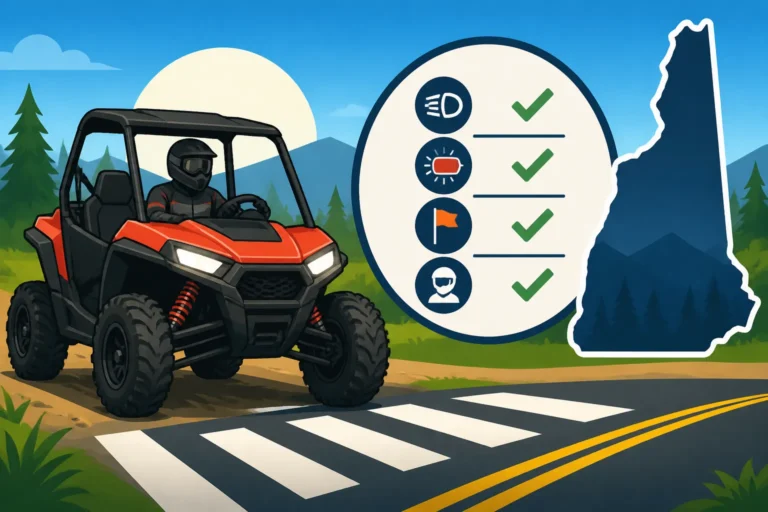
Beyond noise, your OHRV must meet other equipment requirements. This includes having a working spark arrester on your exhaust to prevent wildfires, functional headlights and taillights for visibility, especially if riding near dusk or dawn, and adequate brakes. For any street-legal sections, having at least one rear-view mirror on the left side is also often required. These rules aren't just bureaucratic hurdles; they're vital for both environmental protection and rider safety. A pre-ride check of your machine’s equipment is not just good practice; it's a legal obligation. Ignoring these details can lead to fines and a sour experience. [New Hampshire's OHRV Decibel Limit] is a real thing, and officers do enforce it.
The Broader Impact of Gorham's OHRV Policies
Gorham’s commitment to integrating OHRVs into its community fabric has created a powerful ripple effect, extending far beyond the immediate satisfaction of riders. It’s a testament to how local leadership, community engagement, and responsible riding can come together to create a thriving recreational economy. This approach has not only put Gorham on the map as a premier OHRV destination but has also fostered a sense of cooperation and mutual benefit between riders and residents. It's a model that many other towns look to when considering opening their own streets to OHRVs.
Economic Benefits for Local Businesses
The economic impact of OHRV tourism in Gorham is undeniable. When riders can drive their machines directly into town, they're much more likely to stop and spend money. This translates into increased revenue for gas stations, convenience stores, restaurants, and local shops selling souvenirs or gear. Think about the local diner that sees a surge in breakfast orders from a group of riders before they hit the trails, or the local outfitter that sells a crucial replacement part or accessory. Even lodging establishments, from small inns to larger hotels, benefit from riders staying overnight, especially those exploring the multi-day routes of [Ride the Wilds].
This influx of tourism helps to create and sustain jobs, supporting families within the community. It also generates tax revenue that can be reinvested into local infrastructure, including the very trails that draw riders in the first place. The relationship is symbiotic: riders bring business, and in return, the town maintains the infrastructure and access that makes Gorham an attractive destination.
Ensuring Sustainable Access for the Future
Gorham's success also lies in its proactive approach to ensuring sustainable OHRV access for years to come. This involves a continuous dialogue between town officials, local OHRV clubs, businesses, and residents. They work together to address concerns, maintain trails, and update ordinances as needed. Responsible riding behavior, especially adherence to speed limits like the 25 mph rule on town roads, plays a critical role in demonstrating to the community that OHRV riders are respectful and can coexist peacefully with other forms of traffic and local life.
Local clubs, like those that maintain parts of the [New Hampshire's Club Trail Network], are often at the forefront of this effort. They volunteer countless hours to clear trails, build bridges, and signpost routes, often using funds generated in part by OHRV registrations. This collective effort ensures that the trails remain safe, enjoyable, and open. By following all rules, supporting local businesses, and actively participating in the OHRV community, riders become part of this sustainable future, protecting the privilege of riding in places like Gorham for generations to come. [How New Hampshire Registration Money Funds Trails] is a crucial piece of this puzzle, as these fees directly contribute to the maintenance and expansion of the trail system.
Disclaimer
This article is for general informational purposes only and does not constitute professional advice. Laws, prices and regulations vary by location and change over time. Consult a qualified professional for guidance on your specific situation.