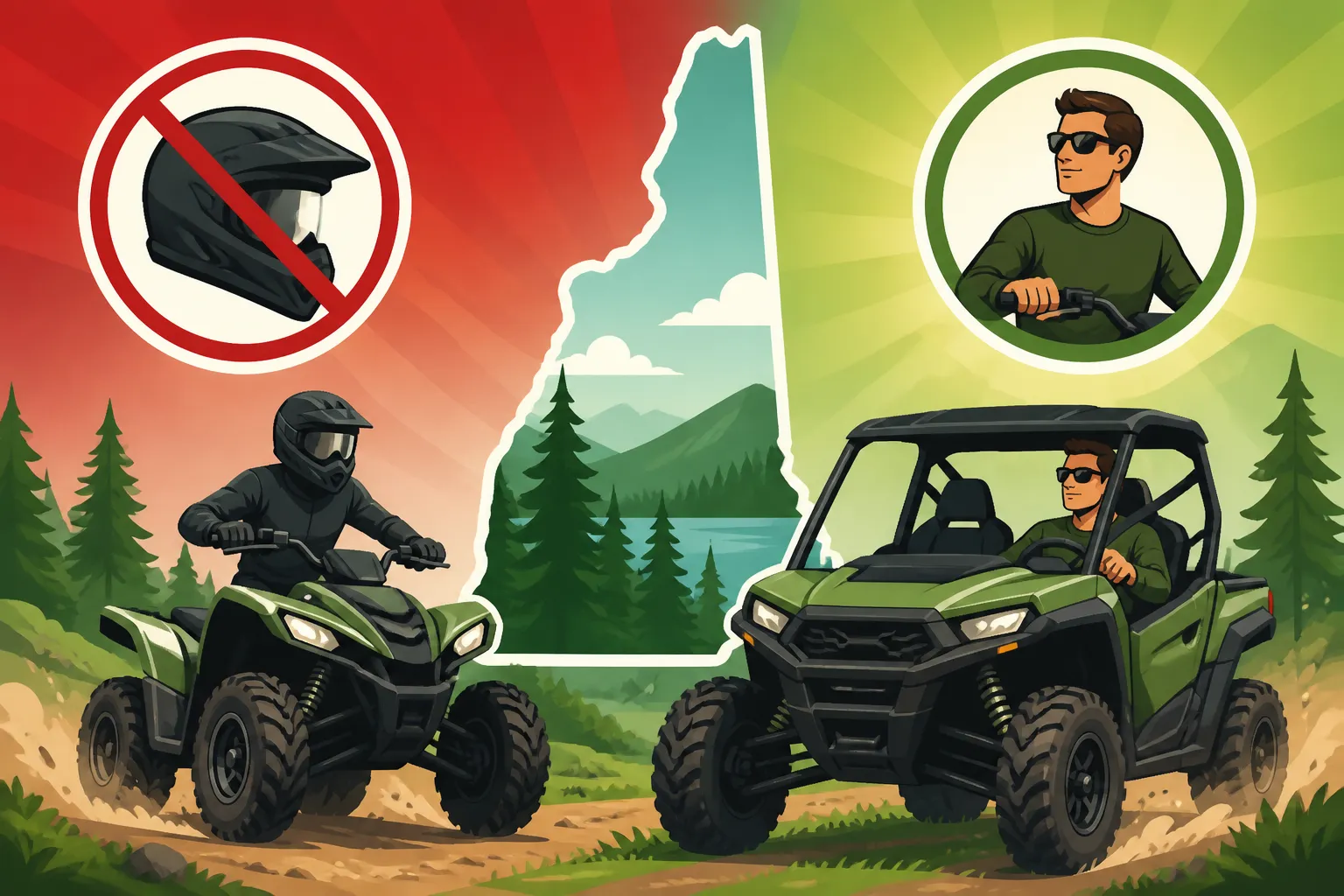
Why New Hampshire Exempts Adults From Helmets
One of the most common questions I hear from fellow OHRV enthusiasts, especially those visiting from out of state or new to the sport, revolves around helmets: "Do I really need to wear a helmet in New Hampshire?" It’s a point of confusion for many, given that most states mandate helmets for all riders. This guide will dive deep into New Hampshire's specific OHRV helmet laws, clarifying who needs one, who doesn't, and why the Granite State takes its unique stance.
The Granite State's Approach to OHRV Helmets
New Hampshire has a reputation for its "Live Free or Die" ethos, and that independent spirit often extends to its laws, including those governing off-highway recreational vehicles (OHRVs). While safety is always paramount, the state balances this with a degree of personal responsibility, particularly for adult riders. This unique approach means that the rules aren't quite as straightforward as a blanket "everyone wears a helmet." You really need to understand the nuances, because the last thing you want is a surprise citation from Fish and Game while you're out enjoying our incredible trails.
It’s not just about what's required, but about what's genuinely wise. Even when not legally mandated, many experienced riders choose to wear a helmet for the sheer protection it offers. The trails can be unpredictable, and a moment's lapse in judgment or an unexpected obstacle can turn a great day into a painful one. So, while we'll break down the legal requirements, always remember that safety is ultimately in your hands.
Who Needs a Helmet on New Hampshire Trails?
Let's clear up the biggest misconception first: it's not a free-for-all when it comes to helmets in New Hampshire. There are very specific circumstances and age groups for whom a helmet is absolutely mandatory, no exceptions. If you're riding with younger family members or friends, this is critical information you need to know before you even think about hitting the trail.
First and foremost, any operator or passenger of an OHRV who is under the age of 18 must wear a helmet. This isn't a suggestion; it's a hard rule designed to protect our youngest riders. This applies whether they're operating their own machine or riding as a passenger on yours. The helmet must be properly fitted and securely fastened. It doesn't matter if they're just zipping around a private field or embarking on a long journey on a club trail—if they're under 18, the helmet stays on. Parents and guardians, this is your responsibility to enforce, and a conservation officer will certainly hold you accountable if a minor in your party is found without one. [New Hampshire Helmet Rules for Riders Under 18] covers this in more detail.
Beyond age, there's another crucial factor for adults: your driver's license status. If you are an adult (18 years or older) and do not possess a valid motor vehicle driver's license from any state or Canadian province, you are also required to wear a helmet. This is an important distinction often missed. The state views a valid driver's license as an indication of a certain level of experience and understanding of road rules and responsibilities, even if you're not driving a car. So, if you've never obtained a license, or if yours is currently suspended, you'll need to don that helmet when you ride an OHRV in New Hampshire.
The Specific Exemption for Adult Riders
Now for the part that gets most people talking: the adult helmet exemption. This is where New Hampshire truly stands out, giving a nod to personal liberty and individual choice. If you meet certain criteria, you actually have the option to ride without a helmet.
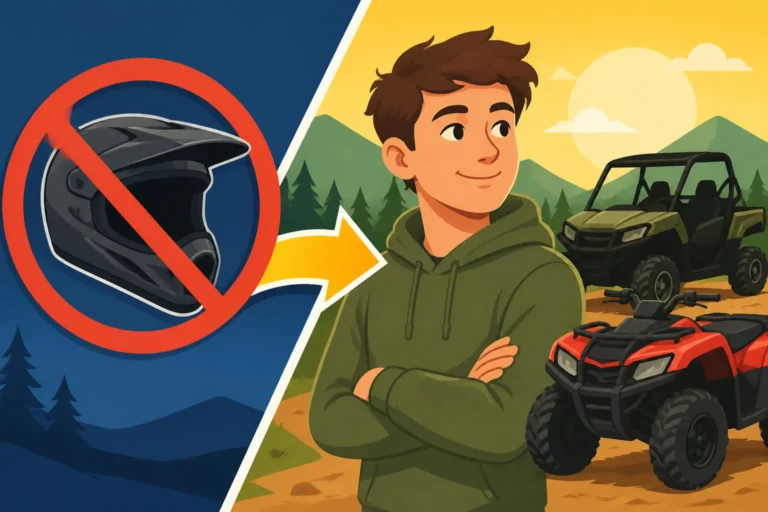
Specifically, an OHRV operator or passenger who is 18 years of age or older and holds a valid motor vehicle driver's license from any state or Canadian province is exempt from the helmet requirement. This means if you're an adult with a license in good standing, you can legally choose whether or not to wear a helmet while operating or riding as a passenger on an OHRV on public trails or designated roads in New Hampshire. Why New Hampshire Exempts Adults From Helmets goes deeper into the "why" behind this. It's a significant difference from places like Maine or Vermont, where helmets are generally mandatory for all OHRV riders regardless of age or license status.
This exemption is often a major draw for riders from neighboring states, who appreciate the freedom of choice. However, it's really important to remember that "legal" doesn't always equate to "safest." While you might enjoy the wind in your hair, the risks of a head injury in the event of an accident remain very real. Many seasoned riders, even those who qualify for the exemption, choose to wear a helmet anyway, understanding the severe consequences a head injury can entail. It's a personal decision, but one that should be made with a full understanding of the potential repercussions.
Beyond Helmets: Other Essential Safety Gear
Even if you qualify for the adult helmet exemption, riding an OHRV in New Hampshire isn't a completely gear-free endeavor. The state has other requirements for safety equipment, particularly concerning eye protection and certain machine accessories, especially when you venture onto designated public roads. Ignoring these can lead to fines and, more importantly, put your safety at risk. Thinking through all your gear, not just the helmet, is part of being a responsible rider.
It's about having the right tools for the job, and when the "job" is riding an OHRV through varying terrain and potentially sharing space with other vehicles, those tools include more than just the machine itself. From simple goggles to more robust machine modifications, preparing your gear is just as important as knowing your route.
Eye Protection: A Non-Negotiable Requirement
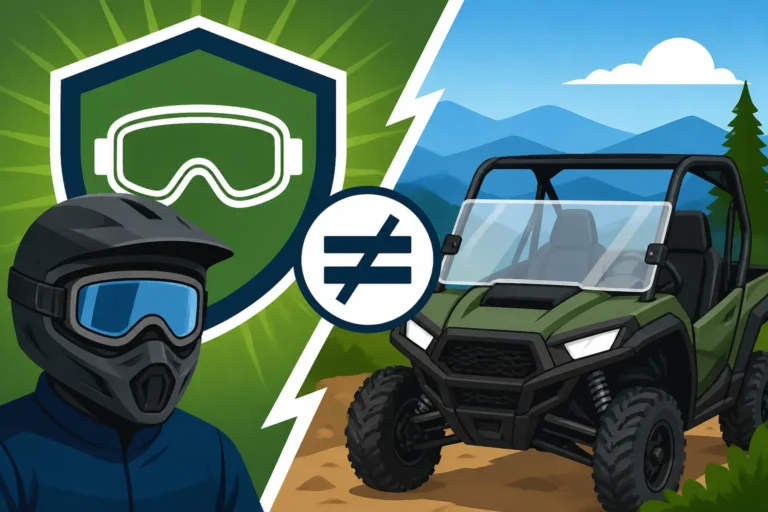
Regardless of your age, your driver's license status, or whether you're wearing a helmet, one piece of safety gear is always required for OHRV operators in New Hampshire: eye protection. This is not optional. The only exception is if your OHRV is equipped with a windshield that meets certain state specifications.
Think about it: you're riding through wooded trails, often at speed. Dust, dirt, insects, branches, and even small rocks can be kicked up by your own machine or those in front of you. A sudden impact to your eye could cause serious injury, impair your vision, and lead to an accident. Goggles, a face shield on a helmet, or protective glasses are therefore mandatory. It's a simple, inexpensive piece of gear that offers crucial protection. [New Hampshire Eye Protection Requirement] elaborates on this.
If your machine has a windshield, it generally needs to be high enough and robust enough to genuinely protect your eyes. A small deflector might not count. If you're unsure, it's always safer to wear goggles or glasses anyway. Companies like SuperATV offer a range of windshields, from half to full, that can add a layer of comfort and protection while meeting state guidelines for visibility. Having a well-maintained, clear windshield is not just about blocking the wind; it's about safeguarding your vision from unexpected debris, which is absolutely critical for safe riding.
Machine Equipment for Road Riding
When you transition from dedicated OHRV trails to designated public roads in New Hampshire, your machine needs to meet additional equipment standards. These are in place to ensure your OHRV is visible and safe when sharing the road with conventional motor vehicles. It's a significant shift in environment, and your machine needs to be ready for it.
Here’s a quick rundown of some key requirements for road riding:
- Headlights and Taillights: Your OHRV must be equipped with working headlights and taillights, which must be on during designated hours (typically from half an hour after sunset to half an hour before sunrise) or whenever visibility is poor. Even during the day, it's often a good practice to keep your lights on for increased visibility.
- Brakes: A functional braking system is non-negotiable for safe operation on any surface, but especially on roads where you might need to stop quickly due to traffic or unexpected hazards.
- Rear-View Mirror: When operating on a public way, your OHRV must have at least one rear-view mirror attached to the left side of the handlebar or frame, allowing the operator to see what's behind them. This is absolutely essential for safely navigating traffic and making turns. [New Hampshire Mirror Requirement for Road Riding]
- Spark Arrester: All OHRVs must be equipped with a spark arrester that is in good working order and meets U.S. Forest Service standards. This is vital for preventing wildfires, especially in dry conditions.
- Muffler/Sound Limit: Your machine must have an adequate muffler to prevent excessive or unusual noise. There are decibel limits, and an aftermarket exhaust system that's too loud could earn you a ticket. New Hampshire generally enforces a 96-decibel limit, so if you're modifying your exhaust, ensure it stays within legal bounds.
Ensuring your machine is properly equipped means investing in quality parts. Companies like SuperATV provide a wide array of accessories, from mirrors that offer clear visibility to lighting kits that enhance your presence on the road. Upgrading your machine with their DOT-approved components can not only keep you compliant with New Hampshire's road-riding laws but also significantly improve your safety and riding experience. Always double-check your lights, brakes, and mirror before heading out, especially if you plan on utilizing any town roads.
Understanding New Hampshire's Age and Licensing Rules
The specific rules for OHRV riding in New Hampshire, including those for helmets, are deeply intertwined with the age and licensing status of the operator. It's not just about whether you're an adult; it's about what qualifications you hold. This system aims to ensure that riders have a baseline level of knowledge and responsibility before they're granted certain freedoms on the trails and roads. Ignorance of these rules is no excuse, and Fish and Game officers are well-versed in enforcing them.
This interconnectedness of age, licensing, and safety requirements means that a single rider might have different obligations depending on their situation. It's why understanding the whole picture is so important for planning a safe and legal ride.
Why a Driver's License Matters for Adults
For adult riders aged 18 and over, possessing a valid motor vehicle driver's license is the key to the helmet exemption in New Hampshire. The state considers a driver's license as proof that an individual has passed certain tests, demonstrated knowledge of traffic laws, and understands the responsibilities that come with operating a motor vehicle. This is seen as a proxy for responsible behavior and a basic understanding of safe operation, even if the vehicle isn't a car.
If you have a valid driver's license, you're presumed to have a higher level of awareness and decision-making capability when it comes to personal safety, thus giving you the choice regarding a helmet. However, if your driver's license is suspended, revoked, or if you simply don't have one, that exemption vanishes, and you must wear a helmet when riding an OHRV. This is because, in the eyes of the law, you haven't met that basic threshold of proven responsibility. [Does a Driver's License Replace the Certificate in New Hampshire?] explores how this also impacts safety certificate requirements.
It’s crucial to understand that "valid" means current and in good standing. An expired license, or one that has been suspended, does not count. Always carry your driver's license with you when you ride, as an officer may ask to see it to verify your helmet exemption status. For those who enjoy the freedom of riding without a helmet, your driver's license is your ticket to that choice.
Rules for Riders Under 18
For anyone under the age of 18, New Hampshire's OHRV laws are much stricter and more prescriptive, prioritizing safety above all else. This is where the mandatory helmet rule applies universally, along with other requirements for supervision and safety education. [New Hampshire's Age and Supervision Rules] are something every parent or guardian needs to know.
Here's a breakdown of the key rules for minors:
- Mandatory Helmets: As previously discussed, all operators and passengers under 18 must wear a helmet.
- Safety Certificate: Riders aged 12 and older must possess a valid OHRV Safety Certificate to operate an OHRV on public land or designated trails. This certificate demonstrates that they have completed an approved safety course, learning about safe operation, regulations, and rider responsibility. There are free classroom courses offered, as well as an online option that carries a fee. [New Hampshire ATV Safety Certificate Requirements]
- Supervision:
- Under 12: Children under 12 years old generally cannot operate an OHRV on public OHRV trails or designated public roads, unless they are operating on private land with express permission, or are participating in an organized youth event on a closed course. Even then, strict adult supervision is required.
- Ages 12 & 13: These riders must be under the direct supervision of a licensed adult (age 25 or older) when operating an OHRV on public trails or designated roads. This adult must be riding on their own OHRV and remain within a reasonable distance to provide direct oversight.
- Ages 14 & 15: Riders in this age group may operate an OHRV on public OHRV trails alone, provided they possess a valid OHRV Safety Certificate. However, they cannot operate an OHRV on designated public roads unless accompanied by a licensed adult (age 25 or older).
- Ages 16 & 17: These riders, with a safety certificate, generally have more freedom similar to adults on trails, but still fall under the mandatory helmet rule. If they possess a motor vehicle driver's license, some of the supervision rules for road riding might be relaxed, but the helmet rule for minors remains.
The emphasis here is on education, supervision, and protection. These rules are designed to gradually introduce young riders to the sport in a controlled and safe manner, minimizing risks as they gain experience. It’s a sensible approach that ensures the next generation of riders develops good habits from the start.
Where the Helmet Rules Apply (and Don't)
Understanding the helmet laws isn't just about who you are, but also where you're riding. New Hampshire's OHRV regulations differentiate between various types of terrain, and this can impact whether the helmet exemption for adults applies. It's another layer of complexity that riders need to be aware of to ensure compliance and safety. A common mistake is assuming that rules are universal across all riding environments.
From your own backyard to sprawling club trail networks and even town roads, each environment might have slightly different considerations. Knowing these distinctions is crucial, especially if you frequently ride across various types of land.
Public Trails and the Open Road
The adult helmet exemption in New Hampshire primarily applies when riding on public OHRV trails maintained by clubs, state parks, or the Bureau of Trails, and on designated public roads that towns have opened for OHRV use. This is where the "Live Free or Die" philosophy comes into play for licensed adult riders. So, whether you're cruising on a wide rail trail in southern New Hampshire or tackling a rocky climb in the White Mountains, if you're an adult with a valid driver's license, the choice to wear a helmet is yours. [Where New Hampshire Allows OHRVs on Roads] provides crucial details on road access.
However, even on these public routes, certain conditions can affect your choice. For instance, if you’re pulling onto a town road to access another trail section, you’re now subject to the rules of road riding, which still include eye protection and proper machine equipment. The key is that the state-level exemption for adults applies to these regulated, public access points. Most of the time, when people refer to New Hampshire's helmet law, they're talking about these specific contexts.
It’s always a good idea to check specific local ordinances for towns you plan to ride through. While the state exemption holds, some towns might have specific, unique rules that you need to be aware of. For example, some towns might have stricter speed limits or specific hours of operation that apply to OHRVs on their roads. While they generally cannot override the state's helmet law, being informed about all local regulations will make for a smoother ride.
Private Property and Local Ordinances
The rules can become a bit different when you step onto private property or when specific local ordinances come into play. This is an area where assumptions can get you into trouble, so it's best to be clear on the specifics.
- Private Land: If you're riding exclusively on private land that you own or have explicit permission to use, the state's OHRV registration laws still apply if you're leaving your own property, but the helmet laws might be interpreted differently. Generally, on purely private land that isn't connected to a public trail system, the landowner's rules often supersede state helmet mandates, especially for adults. However, if that private land connects to a public trail, or if you're using a designated private trail system that charges fees and operates under specific agreements, the state's rules, including helmet requirements for minors and unlicensed adults, usually apply. It's always best practice to seek and have [New Hampshire Written Permission Requirements] when riding on private land.
- Town-Specific Rules: While towns cannot generally negate state laws regarding helmets, they can enact ordinances that affect OHRV use within their borders. For example, a town might open certain roads to OHRVs but impose stricter curfews or noise restrictions. Always consult the local town clerk's office or the town's website for specific OHRV ordinances if you're unsure about riding in a particular municipality. While it's rare for a town to mandate helmets for licensed adults where the state does not, it's not impossible for them to have other safety-related requirements.
The bottom line is: when in doubt, wear a helmet. Especially if you're unsure about the specific land you're on or the local regulations. It's better to be safe and compliant than to risk a fine or, worse, an injury. This is particularly true if you're visiting and less familiar with the local lay of the land.
The Philosophy Behind the Exemption
New Hampshire's unique stance on adult helmet use for OHRVs isn't an oversight or a lack of concern for safety. It's rooted in a particular philosophy that values individual freedom and personal responsibility, which is deeply ingrained in the state's culture. Understanding this philosophy helps to demystify why the laws are structured the way they are, especially for those coming from states with more universal mandates. It’s not about being reckless; it’s about a different perspective on how adults should navigate risk.
This approach doesn't mean safety isn't important to the state or its OHRV community. Rather, it places the onus of certain safety decisions squarely on the shoulders of the individual, assuming they possess the judgment to make informed choices.
Personal Responsibility and Adult Choice
At the heart of New Hampshire's adult helmet exemption is the principle of "Live Free or Die." This motto isn't just a catchy phrase; it's a deeply held cultural value that permeates many aspects of life and law in the state. For adult OHRV riders who hold a valid driver's license, the state essentially says, "You are an adult, you are presumed competent to operate a motor vehicle, and therefore, you are responsible for making your own choices about personal safety gear."
This approach acknowledges that adults are capable of assessing risks and benefits for themselves. It's a recognition that while helmets demonstrably reduce head injuries, a competent adult should have the liberty to choose whether to accept that level of risk, provided they are not endangering others. It's similar to the state's motorcycle helmet law, which also exempts adults. Why New Hampshire Exempts Adults From Helmets dives deeper into this connection.
The state still encourages safe riding practices, and OHRV clubs and the Bureau of Trails consistently promote safety education. The exemption isn't an endorsement of reckless behavior; it's a testament to the belief in individual autonomy. Riders are expected to be responsible, to understand the dangers, and to make an informed decision for themselves. This means if you choose not to wear a helmet, you are fully accepting the potential consequences.
Comparing New Hampshire to Neighboring States
To truly appreciate New Hampshire's unique position, it's helpful to look at how its neighboring states handle OHRV helmet laws. The contrast highlights the Granite State's distinct philosophy.
- Maine: In Maine, helmets are generally mandatory for all OHRV operators and passengers, regardless of age. There are very few exceptions, making it a much stricter environment for adult riders who might be used to the New Hampshire approach.
- Vermont: Vermont also has a broad helmet mandate for all OHRV riders. Like Maine, if you're riding in Vermont, you'll need to wear a helmet, regardless of your age or driver's license status.
- Massachusetts: Massachusetts is another state with a universal helmet law for OHRV operators and passengers, typically with no exemptions for adults.
This stark difference means that if you frequently ride across state lines, you absolutely must be aware of the helmet laws in each jurisdiction. A New Hampshire resident who rides helmet-free at home would be in violation of the law if they crossed into Maine or Vermont without a helmet. Many riders who enjoy the New Hampshire exemption will still own a helmet for when they travel to other states or when they simply prefer the added protection. [Does New Hampshire Honor a Maine Registration?] explains how New Hampshire often requires its own registration even if you are registered in a neighboring state.
This comparison underscores New Hampshire's commitment to individual choice for its licensed adult riders, a characteristic that defines its recreational vehicle laws. While this freedom is valued, it also places a significant emphasis on the rider's personal judgment and responsibility.
New Hampshire OHRV Helmet Requirements Summary
Here's a quick look at who needs a helmet and who doesn't in the Granite State:
| Rider Age/Status | Helmet Required? | Eye Protection Required? | Additional Notes |
|---|---|---|---|
| Under 18 | Yes | Yes | Always. Also requires safety certificate (age 12+) and adult supervision (varies by age). |
| 18+ without valid Driver's License | Yes | Yes | Must wear a helmet. This applies if your license is suspended, expired, or if you've never held one. |
| 18+ with valid Driver's License | No (Optional) | Yes | You have the choice to wear a helmet. Eye protection is still mandatory unless the machine has an adequate windshield. |
Ultimately, New Hampshire's OHRV helmet laws reflect a balance between public safety and personal freedom. While it offers a unique exemption for licensed adult riders, it maintains strict requirements for minors and unlicensed adults, along with mandatory eye protection for everyone. Being an informed and responsible rider means understanding these nuances, equipping your machine correctly with items like those from SuperATV, and always prioritizing your safety and the safety of those around you. Happy and safe riding on the wonderful trails of the Granite State!
Disclaimer
This article is for general informational purposes only and does not constitute professional advice. Laws, prices and regulations vary by location and change over time. Consult a qualified professional for guidance on your specific situation.