New Hampshire Helmets for Riders Under 18
Navigating the rules for riding ATVs and UTVs in New Hampshire can sometimes feel like trying to untangle a particularly stubborn knot, especially when it comes to the safety of our younger riders. One of the most critical aspects, and frankly, one that comes with the most confusion and concern for parents and guardians, revolves around helmet requirements for anyone under the age of 18. This guide is dedicated to cutting through that confusion, giving you a clear, comprehensive understanding of New Hampshire's helmet laws for minors, so you can hit the trails with peace of mind, knowing your young adventurers are safe and legal.
The Foundation of New Hampshire's Helmet Law for Minors
It's a beautiful thing to see kids light up when they're out on the trails, experiencing the freedom and excitement of off-road riding. But with that excitement comes a serious responsibility, especially concerning their safety. New Hampshire's laws are designed with this in mind, placing a strong emphasis on protecting our youngest and most vulnerable riders. Understanding the bedrock principles behind these regulations helps us appreciate why they're in place, rather than just seeing them as another hoop to jump through.
Why Age Matters: The State's Stance on Youth Safety
The state of New Hampshire, like many others, recognizes that riders under 18 years old often lack the experience, judgment, and physical development of adults. Their reaction times might not be as sharp, their decision-making skills are still developing, and their bodies are simply not as resilient to impact as a fully grown adult's. Because of these inherent differences, the law steps in to provide an extra layer of protection, particularly when it comes to head injuries, which can be devastating.
Think about it: a sudden stop, an unexpected obstacle, or even just losing balance on uneven terrain can quickly turn a fun ride into a dangerous situation. For an adult, this might mean a bruise or a sprain, but for a child or teenager, the stakes are significantly higher. The state's mandatory helmet rule for minors isn't about stifling their fun; it's about acknowledging these physiological and developmental realities and creating a safer environment where they can still enjoy the thrill of the ride while being protected from serious harm. It’s a proactive measure, a way to ensure that the joy of the trails doesn’t come at an irreversible cost. The rules are there to prevent worst-case scenarios, allowing parents and guardians to confidently introduce their children to the world of OHRV riding.
Who is Considered a Minor in New Hampshire's OHRV Law?
When New Hampshire's OHRV laws talk about "minors" in the context of helmet requirements, they are specifically referring to anyone under the age of 18. This definition is pretty straightforward and aligns with the legal age of adulthood in most contexts. So, whether your child is 8, 12, or 17, if they are operating or riding as a passenger on an ATV or UTV, the helmet law applies to them.
This distinction is crucial because it sets them apart from adult riders (those 18 and older) who, under certain circumstances, may not be legally required to wear a helmet while operating an OHRV. For a minor, however, there's no grey area, no exceptions to the helmet rule. This means that a 17-year-old, perhaps just a few months shy of their 18th birthday, still falls squarely under the "minor" category and must wear a helmet. It's not about how skilled they are or how close they are to legal adulthood; it's a hard line drawn in the sand for universal safety across that age group. This clear definition makes it easier for everyone to understand their obligations and ensures consistent application of the law across all trail systems, from the expansive Ride the Wilds network to smaller, local club trails.
Specific Helmet Requirements for Riders Under 18
Now that we understand the 'why' and 'who,' let's dive into the practical specifics. The law is quite clear, leaving little room for interpretation when it comes to the mandatory use of helmets for younger riders. This isn't just a suggestion; it's a legally enforceable requirement that every parent, guardian, and responsible adult needs to be absolutely clear on.
The Mandatory Helmet Rule for Operators Under 18
If your child is going to be in the driver's seat of an ATV or UTV in New Hampshire, and they haven't celebrated their 18th birthday yet, a helmet is absolutely non-negotiable. This rule applies to every single OHRV operator under 18, regardless of their experience level, the type of terrain they're on, or whether they're riding on public trails or private land with permission. There's no exception for riding slowly, or on a less powerful machine, or even if they're only going "just down the road." The moment they engage the throttle, that helmet needs to be securely fastened.
When we talk about "a helmet," it's important to understand that the state isn't just talking about any old protective headgear. The helmet must be approved by the Department of Transportation (DOT) or meet other recognized safety standards like Snell. You'll usually see a DOT sticker on the back of the helmet, which is your assurance that it has passed rigorous safety tests. A properly fitting helmet is paramount; one that's too loose can shift during impact, offering little protection, while one that's too tight can be uncomfortable and distracting. When trying on helmets for your young rider, ensure it's snug, doesn't move easily when their head is shaken, and the chin strap is securely fastened but not painfully tight. Investing in a good quality, certified helmet is one of the most important safety decisions you'll make for your child's riding adventures. Think of it as the first line of defense against the unpredictable nature of off-road riding.
Helmet Requirements for Child Passengers
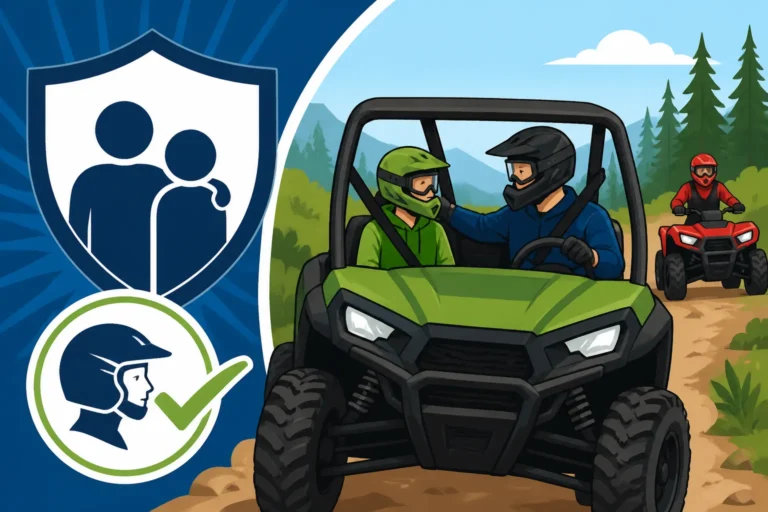
It's not just the person at the controls who needs to be protected; any passenger under the age of 18 must also wear a helmet. This is a critical point that sometimes gets overlooked, especially with side-by-sides (UTVs) where the enclosed cabin might give a false sense of security. Even if your UTV has a roll cage, seatbelts, and a windshield – perhaps a heavy-duty polycarbonate one from a brand like SuperATV – that doesn't negate the helmet requirement for young passengers. The laws are designed to account for all types of OHRVs and the varied situations that can arise.
Just like with the operator, the passenger's helmet must be DOT-approved and fit correctly. It's often tempting to pass down helmets or buy one that a child can "grow into," but this can compromise safety significantly. A helmet that's too large can easily come off during a crash or even just a jarring bump. When selecting a helmet for a child passenger, consider their size, head circumference, and ensure it's specifically designed for powersports use. Good visibility is also key; make sure the helmet doesn't obstruct their peripheral vision, which is important for them to be aware of their surroundings, even as a passenger. This comprehensive approach to helmet use for both operators and passengers under 18 underscores New Hampshire's dedication to ensuring every young person on an OHRV is as protected as possible.
Exemptions and Nuances in New Hampshire's Helmet Laws
While the focus for minors is strictly on mandatory helmet use, it's helpful to understand the broader context of New Hampshire's helmet laws. Knowing where the rules bend for adults helps to highlight just how steadfast they are for our younger riders. It also introduces other crucial safety gear that complements helmet use.
When is a Helmet NOT Required for Adults?
For riders aged 18 and older in New Hampshire, the helmet law for OHRV operation isn't as absolute as it is for minors. Generally, if you're an adult (18 or over) operating an OHRV, you are not legally required to wear a helmet, provided you are on a public OHRV trail or private land. However, this adult exemption comes with significant caveats and doesn't apply in all situations, particularly when riding on or crossing public roads where a different set of rules often applies.
It's important to stress that while the law may not require an adult to wear a helmet in some scenarios, wearing one is always, always recommended. A helmet is the single most effective piece of safety equipment to prevent serious head injuries, regardless of age or experience. Many seasoned riders, even those for whom it's not mandated, wouldn't dream of hitting the trails without one. So, while an adult might legally choose not to wear a helmet on a trail, this leniency never extends to any rider or passenger under 18. This firm distinction for minors reinforces the state's prioritization of youth safety above all else, making their helmet requirement a steadfast rule without the complexities or exceptions that adult riders might encounter.
Eye Protection: Beyond Just the Helmet
Even with a helmet firmly in place, another vital piece of safety gear often gets overlooked: eye protection. New Hampshire law explicitly requires operators of OHRVs (and their passengers, where applicable) to wear adequate eye protection unless the machine is equipped with a windshield. This rule applies to all riders, regardless of age, but it's particularly important to emphasize for younger riders who might not instinctively understand the dangers of flying debris.
Think about the myriad things that can get kicked up on a trail: dust, dirt, small rocks, branches, even insects. Any of these can strike an eye, causing immediate pain, temporary blindness, or even permanent damage. A full-face helmet often incorporates a visor that fulfills this requirement. However, if your young rider is wearing an open-face helmet, or even a modular helmet with the visor up, they will need separate goggles. These goggles should fit snugly around their eyes, offer clear vision, and be resistant to fogging. While a sturdy windshield, perhaps one of the durable options from SuperATV designed for UTVs, can provide protection from direct frontal impacts, goggles or a full-face visor offer comprehensive coverage from all angles, ensuring maximum safety for those precious peepers. It's a simple addition that makes a huge difference in both comfort and injury prevention, allowing your child to keep their focus on the trail ahead without constantly squinting or worrying about what might fly into their face.
The Bigger Picture: Safety Education and Enforcement
Wearing a helmet is just one piece of the puzzle when it comes to safe and responsible OHRV riding. For younger riders, especially, it's integrated into a broader framework of safety education and rigorous enforcement designed to instill good habits and prevent accidents. Understanding this larger context can help parents and guardians ensure their children are not only compliant with the law but are also genuinely safe and knowledgeable riders.
The Link Between Helmets and Safety Certificates
In New Hampshire, the requirement for helmets for young riders is intrinsically linked with the state's OHRV safety education program. Any operator under the age of 12 is generally restricted from operating an OHRV on public land or trails, while those aged 12 and above typically need to complete a state-approved OHRV safety course and carry a [New Hampshire Safety Certificate Minimum Age] or a valid driver's license. The curriculum of these courses heavily emphasizes safe riding practices, and proper helmet use is always a cornerstone of that instruction.
These safety courses teach young riders not just that they need to wear a helmet, but why it's so important, how to choose the right one, and how to wear it correctly. It's about building a foundational understanding of risk and responsibility. When a young person earns their safety certificate, they're demonstrating a grasp of these principles, including the critical role of a helmet. It's not just a piece of paper; it represents a commitment to riding safely. For parents, ensuring your child has completed this training, as outlined in [New Hampshire ATV Safety Certificate Requirements], reinforces the message that safety gear, particularly helmets, is not optional but an essential part of becoming a responsible OHRV enthusiast. It's all part of creating a culture of safety from a young age.
What Happens If You Don't Comply: Fines and Consequences
Ignoring New Hampshire's helmet laws, particularly for minors, carries real consequences. Law enforcement officials, including conservation officers from New Hampshire Fish and Game, regularly patrol OHRV trails and public access points. They are well-versed in these regulations and are vigilant about ensuring compliance. If a minor is observed operating or riding as a passenger without a helmet where one is required, it can result in a citation for the responsible adult. This usually means a fine, and in some cases, can even lead to the suspension of riding privileges or the impoundment of the machine.
The financial penalty, while certainly an unwelcome expense, is often the least of the worries. The greater consequence is the message it sends about safety, or rather, the lack thereof. A citation serves as a stark reminder of the state's seriousness regarding youth protection. It's not just about upholding the law; it's about preventing injuries. Furthermore, if an accident were to occur while a minor was riding without a helmet, and they sustained a head injury, the legal and insurance implications for the supervising adult could be severe, far outweighing the cost of a good helmet. Understanding [New Hampshire Fines for an OHRV Violation] is important, but preventing the need for them by simply adhering to the law is always the best path. It's a clear message: safety first, always.
Practical Advice for Ensuring Young Rider Safety
Beyond simply following the law, there's a world of practical advice that can help parents and guardians ensure their young riders are not only legal but truly safe and confident on the trails. It's about making informed choices, leading by example, and fostering a deep respect for the power of these machines and the environment they're ridden in.
Choosing the Right Helmet: Fit, Certification, and Comfort
Selecting the correct helmet for a young rider goes beyond just picking one off the shelf. It's a process that needs careful consideration of several factors to ensure maximum protection and comfort. Here's a quick guide:
- Certification is Key: Always look for a DOT (Department of Transportation) sticker, which signifies the helmet meets minimum safety standards. Other certifications like Snell or ECE offer even higher levels of protection. Never compromise on this.
- Proper Fit: This is paramount. A helmet should be snug but not uncomfortably tight. It shouldn't shift or wobble when the child shakes their head. If it slides around, it's too big. If it causes painful pressure points, it's too small. The pads should press firmly against their cheeks.
- Head Measurement: Measure your child's head circumference just above the eyebrows to get an accurate size. Helmet manufacturers provide sizing charts, but trying it on is crucial.
- Field of Vision: Ensure the helmet allows for a wide field of vision, so your child can see obstacles and other riders clearly.
- Weight and Ventilation: For younger riders, a lighter helmet can reduce neck strain. Good ventilation is also important to keep them cool and comfortable, especially on long rides, preventing distractions from overheating.
- Style (Full-Face vs. Open-Face): While open-face helmets are available, a full-face helmet offers the most comprehensive protection for the chin and face, which is especially recommended for newer or younger riders.
Remember, a helmet that's uncomfortable or ill-fitting is less likely to be worn, or worn correctly, compromising its protective capabilities. Don't be afraid to try several options until you find the perfect match for your child.
Beyond the Helmet: Full Gear and Responsible Riding
While the helmet is undoubtedly the most critical piece of safety gear, it's just one component of a comprehensive approach to protecting young riders. Equipping them with full protective gear and instilling responsible riding habits are equally important for their overall safety and enjoyment of the sport.
- Eye Protection: As discussed, even with a helmet, separate goggles or a visor are crucial unless the OHRV has a windshield. Make sure they are scratch-resistant and offer UV protection.
- Gloves: Protect hands from blisters, abrasions, and impacts. They also provide a better grip on the handlebars.
- Long-Sleeved Shirt and Pants: Thick, durable materials are best to protect against scrapes, cuts, and brush. Avoid shorts and t-shirts, even on warm days.
- Over-the-Ankle Boots: Sturdy boots protect feet and ankles from impacts, provide stability, and prevent feet from slipping off the footrests.
- Chest Protector/Body Armor: For more aggressive riding or for younger, smaller children, a chest protector or full body armor can offer additional protection for the torso, shoulders, and elbows.
- Supervision and Training: Always ensure young riders are appropriately supervised. For riders under certain ages, [New Hampshire Supervision Rules for Minors] dictate who must be present and their age. Reinforce the lessons learned in safety courses, emphasizing responsible speeds, staying on marked trails, and respecting the environment and other riders. Leading by example is incredibly powerful; if you wear your gear and ride responsibly, your child is far more likely to do the same.
By combining the mandatory helmet use with a full complement of protective gear and a strong emphasis on responsible riding, we can empower our young adventurers to explore the beautiful New Hampshire trails safely and confidently. And for those looking to upgrade their UTVs with added safety and comfort features, many riders turn to brands like SuperATV for accessories that enhance the riding experience while still adhering to safety principles.
Here's a handy table summarizing helmet requirements and key safety considerations for New Hampshire OHRV riders:
| Category | Age Under 18 (Operator & Passenger) | Age 18 and Over (Operator) | Age 18 and Over (Passenger) | Key Considerations |
|---|---|---|---|---|
| Helmet Required? | Yes, always | Generally no, but always recommended | Yes, if the passenger is under 18 | DOT/Snell certified, proper fit, full-face recommended |
| Eye Protection? | Yes | Yes | Yes | Goggles or full-face visor, unless windshield present |
| Safety Course? | Yes (ages 12-17 typically) | No (but highly recommended) | No | Mandatory for youth, teaches helmet importance |
| Supervision? | Yes (under certain ages) | No (but responsible riding is expected) | No | Adult supervision often tied to minor's age |
| Recommended Gear | Full gear (gloves, boots, etc.) | Full gear (gloves, boots, etc.) | Full gear (gloves, boots, etc.) | Layers, durable fabrics, comfort for long rides |
Understanding and adhering to these guidelines will not only keep your family safe but also contribute to the positive image of OHRV riding in New Hampshire.
Disclaimer
This article is for general informational purposes only and does not constitute professional advice. Laws, prices and regulations vary by location and change over time. Consult a qualified professional for guidance on your specific situation.