How a Club Wins Trail Grant Money
It can be incredibly frustrating to see an amazing ATV or UTV trail fall into disrepair, or to hear about ambitious plans for new trails that seem to stall out. We all want to ride well-maintained paths and explore new ground, but the reality of trail upkeep is a massive undertaking, far beyond what any single club or a handful of volunteers can accomplish on their own. This guide will take you behind the scenes, showing you exactly how the dedicated off-highway recreational vehicle (OHRV) clubs in New Hampshire secure vital grant money to build, maintain, and expand the trails we all love, ensuring our riding future in the Granite State.
The Foundation: How New Hampshire OHRV Registration Fees Fuel Trails
When you register your ATV or UTV in New Hampshire, you're doing more than just getting your machine legal for the trails; you're directly investing in the future of the state's OHRV network. It's easy to just see the fee as another cost, but understanding where that money goes can really change your perspective. It’s the lifeblood that keeps our trails open and well-maintained.
Understanding Where Your Registration Dollars Go
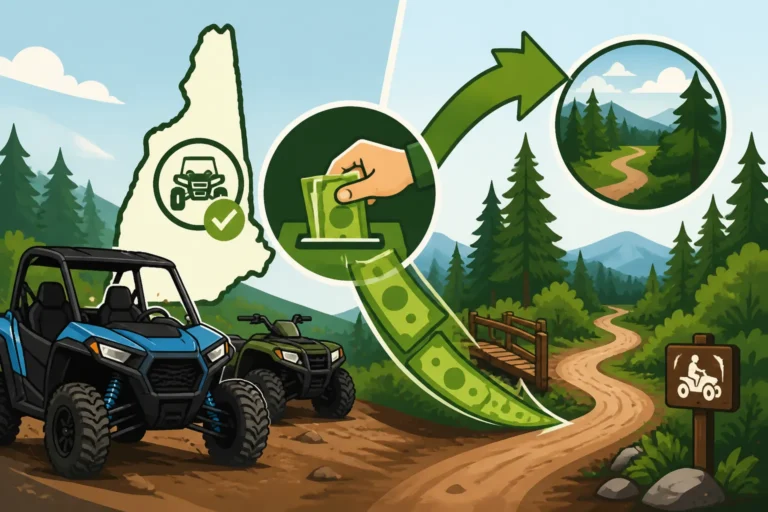
Every dollar you pay for your OHRV registration in New Hampshire isn't just vanishing into a general fund. A significant portion of those fees is earmarked specifically for the Bureau of Trails, which is housed under the New Hampshire Fish and Game Department. This bureau is tasked with overseeing the state's vast network of OHRV and snowmobile trails. Think of it this way: your registration money is collected, pooled, and then distributed back into the system through various programs, primarily in the form of grants to the very clubs that are out there, rain or shine, making sure the trails are rideable. You might be surprised to learn the intricate details of [Where New Hampshire OHRV Fees Go] and how directly tied it is to the physical trails you ride.
This direct allocation is crucial. It means that the more machines that are registered, the more funds become available for trail work. This system creates a direct link between rider participation and trail quality, fostering a sense of shared responsibility. It's not a nebulous tax; it's an investment in your own recreation. Without a robust registration base, the pool of funds for these grants would dwindle, making it incredibly difficult for clubs to secure the necessary money for projects both big and small. It's a fundamental part of the overall OHRV ecosystem here in New Hampshire.
The Role of Volunteer Clubs in Trail Maintenance
The Bureau of Trails can't build or maintain every mile of trail themselves, nor are they expected to. That's where the incredible dedication of volunteer OHRV clubs comes into play. These clubs are the boots on the ground, the heart and soul of the trail system. They're made up of passionate riders, landowners, and community members who volunteer countless hours to keep our trails open. From clearing fallen trees after a storm, to installing new signage, to meticulously grooming the surfaces, their work is truly Herculean.
Consider the immense amount of physical labor involved: bridge repairs, culvert installations, clearing brush, marking trails, and negotiating access with private landowners. This isn't just occasional weekend work; it's an ongoing, year-round commitment. And while club membership dues are vital for day-to-day operations and smaller projects, the larger, more capital-intensive projects — like building a major new bridge over a stream or acquiring heavy equipment for trail improvements — often require significant financial resources that far exceed what annual dues can provide. This is where [New Hampshire Trail Grants From Registration] become absolutely indispensable. Without these grants, many of the impressive structures and well-maintained sections of trail simply wouldn't exist.
Navigating the Grant Application Process for OHRV Clubs
Securing grant money for trail projects isn't as simple as just asking for it. There's a comprehensive process involved that requires careful planning, meticulous documentation, and a clear vision. Clubs often spend countless hours preparing these applications, knowing that the future of their trails depends on it.
Identifying Eligible Projects and Needs
Before a club can even think about applying for a grant, they first need to identify legitimate projects that align with the grant program's objectives. This involves a thorough assessment of their existing trail network and any proposed new trails. What are the most pressing needs? Is there a bridge that’s washed out, making a section of trail impassable? Are safety concerns emerging due to poor drainage or overgrown sections? Are new easements being secured that require significant development?
Typical eligible projects include things like:
- Bridge construction or repair: Essential for crossing waterways and often quite costly. [Bridges Built With Registration Money] are a prime example.
- Culvert installation: To improve drainage and prevent erosion, protecting the trail surface.
- Signage: Clear, consistent signage for navigation, safety, and trail rules. These [Signs Paid for by Registrations] are crucial for a good rider experience.
- Trail surface improvements: Adding gravel, grading, or other surfacing to enhance durability and rideability.
- New trail development: Costs associated with clearing, surveying, and constructing new sections of trail, especially when expanding [New Hampshire's Club Trail Network].
- Equipment purchases: Specialized machinery like excavators, side-by-sides for hauling, or grooming equipment.
Clubs will typically conduct "trail walks" or rides to document problem areas, often taking photos and making notes about specific needs. This helps them prioritize which projects are most critical and which ones would have the biggest positive impact on the riding experience and trail sustainability.
Crafting a Winning Grant Proposal
Once a project is identified, the real work of crafting the grant proposal begins. This isn't just a casual letter; it's a formal, detailed document that needs to convince the grant providers (in this case, often the NH Bureau of Trails) that the project is necessary, well-planned, and achievable. The application typically requires:
- Clear Project Description: What exactly is the club proposing to do? What problem does it solve? What are the expected outcomes? This needs to be articulate and free of jargon, making it easy for reviewers to understand.
- Detailed Scope of Work: A step-by-step breakdown of how the project will be executed. Who will do the work? What materials will be used? What's the timeline? This shows that the club has thought through the logistics.
- Realistic Budget: A comprehensive list of all anticipated costs, including materials, equipment rental, and any specialized labor. Clubs often need to provide quotes from contractors or suppliers. Transparency and accuracy here are paramount.
- Volunteer Hour Tracking: Since many projects rely heavily on volunteer labor, clubs meticulously track these hours. These "in-kind" contributions demonstrate dedication and effectively reduce the actual cash outlay required for a project, making the grant money go further. This also highlights [Who Cuts and Maintains a Volunteer Club Trail].
- Supporting Documentation: This can include maps of the proposed project area, photos of current conditions (e.g., a washed-out bridge), letters of support from landowners, local businesses, or community leaders, and proof of club viability. Sometimes, clubs even need to draft formal agreements with landowners, and resources like LawDepot can be helpful for creating legally sound documents like land-use agreements or volunteer waivers, ensuring all parties are protected and the project can move forward smoothly. A well-organized packet of supporting materials can make all the difference.
The goal is to present a compelling case that the project is not only vital for the OHRV community but also a responsible use of public funds derived from registrations.
Key Factors for Grant Success: What Makes an Application Stand Out
When grant applications come across the desks of reviewers, they're looking for more than just a good idea. They want to see evidence of a committed club, sound financial management, and a project that offers genuine value to the OHRV community and the state.
Demonstrating Community Support and Volunteer Commitment
One of the most powerful elements of a successful grant application is a clear demonstration of community support and an active, dedicated volunteer base. Grant providers want to see that the project isn't just a pipe dream but is backed by real people willing to put in the effort.
- Active Membership and Volunteer Hours: Clubs that can show robust membership numbers and a strong record of documented volunteer hours for past and current projects always stand out. This proves the club has the manpower and dedication to see projects through. These volunteer hours are often assigned a monetary value, which acts as a form of matching fund, making the grant request even more appealing. This is a testament to [What a Club Does With Your Dues] beyond just covering administrative costs.
- Landowner Relations: Given that a significant portion of New Hampshire's OHRV trails cross private land, strong, positive relationships with landowners are absolutely critical. A grant application that includes letters of support or documented agreements with landowners—ensuring continued access for the proposed project—will carry a lot of weight. This underscores the importance of [New Hampshire Rules for Riding Private Land] and securing proper permission.
- Community Partnerships: Collaborations with local businesses, tourism boards, emergency services, or other recreational groups demonstrate broader community buy-in and the project's wider positive impact. For instance, if a project will improve access to local businesses, those businesses might write letters of support or even offer in-kind donations. This shows that the trail system isn't just for riders, but benefits the entire region.
- Economic Impact: Highlighting how improved trails contribute to local tourism, increased visits to local restaurants, lodging, and gas stations can strengthen an application. It frames the grant as an investment in the local economy, not just recreation.
Financial Stewardship and Matching Funds
Grant providers need to be confident that the applying club is fiscally responsible and capable of managing funds effectively. A well-managed budget and a commitment to matching funds are often critical components.
- Sound Financial Management: Clubs should have a clear financial history, demonstrating that they manage their existing funds wisely. This includes proper accounting, transparency, and a track record of completing projects within budget.
- Matching Funds: Many grants are structured to require a "match" from the applicant. This doesn't always have to be cash. As mentioned, volunteer labor (valued at an hourly rate) can count as an in-kind match. Other forms of match could include donated materials, equipment, or services. The ability to show that a club can bring its own resources to the table, even if through volunteer effort, significantly enhances their application's appeal. It demonstrates a genuine commitment to the project and a willingness to share the financial burden. Clubs might use platforms like LawDepot to draft formal resolutions or internal agreements outlining financial commitments and matching fund contributions from various sources, ensuring clarity and accountability.
- Cost-Effectiveness: Proposals that demonstrate a cost-effective approach to their projects, perhaps by using volunteers where possible or sourcing materials efficiently, are often looked upon favorably. It shows good stewardship of funds.
- Sustainability: Grant applications that consider the long-term sustainability of the project, including ongoing maintenance plans and funding sources beyond the initial grant, also tend to score higher. This indicates that the club is thinking ahead and not just looking for a one-time fix.
The Impact of Grant Money: Transforming New Hampshire's OHRV Trails
The effort that goes into securing these grants pays off in tangible ways that directly benefit every single rider who ventures out onto New Hampshire’s OHRV trails. Without this funding mechanism, our trail system simply wouldn't be what it is today.
Examples of Projects Funded by Grants
The impact of grant money is evident across the state. Take a ride on almost any major OHRV trail system in New Hampshire, and you'll likely be traversing sections that have benefited from these grants. You might be enjoying:
- Robust New Bridges: Often, critical sections of trail cross brooks or rivers, and without sturdy bridges, these sections would be impassable or unsafe. Grant money allows clubs to purchase the necessary materials and sometimes hire specialized contractors for these complex projects, while volunteers handle much of the labor. These are the [Bridges Built With Registration Money] that keep those miles of trail connected.
- Improved Trail Surfaces: Grants frequently fund the purchase and delivery of gravel or other surfacing materials, transforming muddy, eroded sections into smooth, durable pathways. This not only makes for a more enjoyable ride but also reduces environmental impact by controlling erosion.
- Enhanced Signage and Kiosks: Clear and consistent signage is crucial for navigation, safety, and informing riders about rules and regulations. Grants help clubs acquire durable, weather-resistant signs and construct informational kiosks at trailheads, enhancing the overall user experience and helping [New Hampshire OHRV Registration Lookups] by providing key info.
- Culvert Replacement and Drainage Solutions: Many grants address drainage issues by funding the replacement of old culverts or the installation of new ones, preventing washouts and ensuring the trails remain open and safe, even after heavy rains.
- New Trail Development and Connectors: Grant money is instrumental in expanding the trail network, allowing clubs to build new sections of trail, forge critical connectors between existing trails, or even expand into new areas, giving riders more places to explore. This kind of expansion means more opportunities for [Riding the White Mountains on an OHRV] or connecting various trail towns.
These projects don't just happen; they are the direct result of OHRV registration fees being channeled back into the system through grants, combined with the tireless efforts of volunteer clubs.
Sustaining the Trail Network for Future Generations
The cycle of OHRV registration fees, grants, and volunteer work is a continuous one, essential for the long-term health and growth of New Hampshire's trail network. It’s not just about fixing today's problems; it’s about ensuring that future generations of riders can enjoy the same, if not better, opportunities.
By actively pursuing and securing grants, clubs are not only improving current trail conditions but also demonstrating a commitment to responsible trail management. This, in turn, helps maintain positive relationships with landowners, local communities, and state agencies like [New Hampshire Fish and Game and OHRVs], which is vital for securing continued access and support. The continued investment through these grants leads to a more robust, sustainable, and enjoyable trail system. It encourages more people to participate in the sport, which then feeds back into the system through more OHRV registrations, creating a positive feedback loop.
Ultimately, the grant money that clubs win is a testament to the power of community, volunteerism, and a well-structured system that allows rider contributions to directly impact their passion. It's a reminder that every time you register your machine, you're playing a crucial part in the ongoing success and expansion of New Hampshire's incredible OHRV trail system. So next time you're out on the trails, take a moment to appreciate the bridges, the signs, and the smooth sections—they're all likely thanks to a dedicated club's successful grant application and countless hours of hard work.
Disclaimer
This article is for general informational purposes only and does not constitute professional advice. Laws, prices and regulations vary by location and change over time. Consult a qualified professional for guidance on your specific situation.