New Hampshire OHRV Registration With a Lien
Figuring out how to register your beloved ATV or UTV in New Hampshire can be a bit of a maze, especially when you’ve financed your machine and a lender has a lien on it. It’s natural to feel a little overwhelmed by the paperwork and wonder what extra hoops you might have to jump through. This guide is here to walk you through the specifics of registering your OHRV in the Granite State when a lien is involved, so you can hit those trails with peace of mind, knowing all your ducks are in a row.
Understanding Liens and OHRV Ownership in New Hampshire
When you finance an OHRV, whether it's a zippy ATV or a powerful side-by-side, you're essentially borrowing money from a lender to purchase it. That lender, in turn, wants assurance that they can get their money back if you can't make your payments. This assurance comes in the form of a lien. A lien is a legal claim on your property—in this case, your OHRV—that gives the lender the right to take possession of the machine if you default on your loan.
The Unique Absence of OHRV Titles in New Hampshire
This is where New Hampshire really stands apart and can cause some head-scratching for folks accustomed to registering cars or trucks. Unlike most other states and vehicle types, New Hampshire does not issue a separate title for OHRVs. This means there's no official paper document like a car title for the lienholder to hold onto as security. It's a significant difference that often catches new residents or first-time OHRV buyers by surprise. [Why New Hampshire Issues No OHRV Title] dives deeper into this unique aspect.
So, if there's no title, how does the lien get recorded? The lien is typically noted right on your OHRV registration certificate itself. When you register your machine, the registration certificate will list the lienholder, indicating their financial interest in your ATV or UTV. This certificate, along with the loan agreement you signed with your lender, becomes the primary documentation of the lien. It's crucial to understand this distinction, as it shapes the entire registration and lien release process in New Hampshire.
What a Lienholder Needs from You
Your lienholder, whether it's a bank, credit union, or private lender, will have certain requirements before they release funds for your OHRV purchase. They'll want to ensure their interest is properly protected and recorded. This usually means that when you go to register your OHRV, the lienholder will need to be explicitly named on the registration application. They might even provide specific forms or instructions for you to follow.
It's common for lenders to require proof of registration showing their lien recorded before they finalize your loan. Always communicate clearly with your lender about their specific documentation needs throughout this process. Sometimes, they might even want to verify the machine's VIN (Vehicle Identification Number) to ensure it matches the collateral for the loan. This due diligence protects both you and the lender, ensuring everyone is on the same page regarding the asset and its financial backing.
The New Hampshire OHRV Registration Process with a Lien
Alright, so you’ve got your new (or new-to-you) OHRV, you’ve secured financing, and now it’s time to get it registered. The good news is that registering an OHRV with a lien isn't drastically different from registering one outright, but there are a few key details to pay attention to, especially concerning that lienholder information.
Gathering Your Documents
Before you head to a registration agent, make sure you have all your ducks in a row. This usually includes proof of ownership (like a bill of sale), the completed [The New Hampshire OHRV Registration Application], and any necessary identification. For an OHRV with a lien, you’ll also need the accurate name and address of your lienholder. This information is vital because it will be printed on your registration certificate.
| Document Type | Required for All OHRV Registrations | Special Consideration for Liens |
|---|---|---|
| Proof of Ownership | Yes (e.g., Bill of Sale) | N/A |
| Application Form | Yes | Ensure lienholder info is accurate |
| Photo ID | Yes | N/A |
| Lienholder Name | No (only if applicable) | Absolutely Essential |
| Lienholder Address | No (only if applicable) | Absolutely Essential |
| Previous Reg. (if renewing/transferring) | Yes | Verify lien details if already listed |
| Safety Certificate (if applicable) | Yes (for riders under 18) | N/A |
When buying from a dealer, they often handle much of this for you, making the process smoother. However, if you're buying privately, you'll be responsible for ensuring the bill of sale clearly identifies the machine and that you have all the necessary information from the seller. If you're arranging a private loan, tools like those from LawDepot can help you generate a clear and legally sound bill of sale or loan agreement that includes all the pertinent details, including lien information.
How the Lien is Recorded on Your Registration
Once you submit your application and all the required documents, the registration agent will process your request. Because New Hampshire doesn't issue titles for OHRVs, the lien information will be specifically noted on your registration certificate. This certificate is the official document confirming your right to operate the OHRV on designated trails and public lands, and it will also serve as proof of the lender's interest.
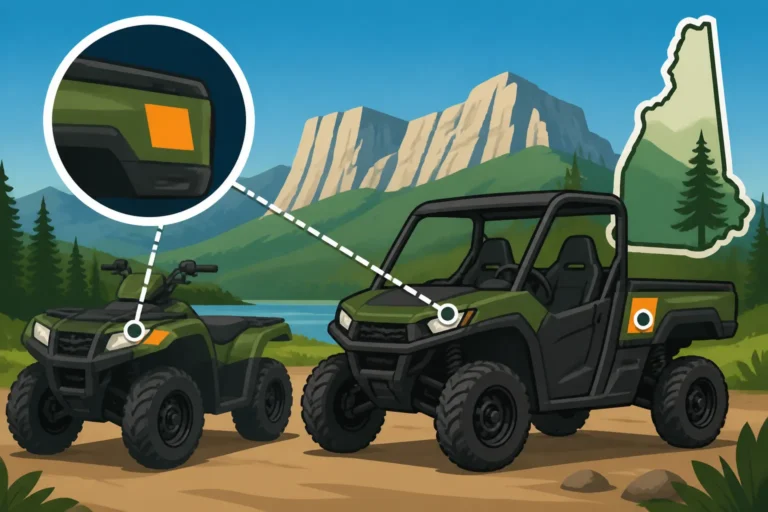
You'll receive two decals for your OHRV, which must be placed according to state regulations, and the registration certificate itself. It's incredibly important to review this certificate immediately to ensure the lienholder's information is correct. Any errors could cause headaches down the line when it comes time to sell the machine or, more importantly, when the lien is eventually satisfied. [New Hampshire OHRV Decals and the Certificate] explains more about these essential items. Keep your certificate in a safe, accessible place, as you'll need it for future renewals or if you ever need to prove ownership.
What Happens If You Transfer or Sell with an Active Lien?
Attempting to sell an OHRV with an active lien can be tricky, and it's something you absolutely need to address head-on. Legally, the lienholder has a claim on the machine, and you typically cannot transfer clear ownership to a new buyer without satisfying that lien first. This means either paying off the loan in full before the sale or using the proceeds from the sale to immediately pay off the outstanding balance.
Many buyers, especially private individuals, will be hesitant to purchase an OHRV with a lien on it, as it complicates their ownership and could potentially leave them responsible for your old debt. If you are considering [Selling an OHRV in New Hampshire] that has a lien, the first step is always to contact your lender. They can provide a payoff amount and guide you through the process of releasing the lien once the loan is settled. It’s always best to have the lien formally released before you attempt to complete a sale, ensuring a smooth transfer of ownership for both parties.
When the Lien is Satisfied: Removing a Lien from Your OHRV
The day you make that final payment on your OHRV loan is a fantastic milestone! But paying it off isn't the absolute end of the process, especially when it comes to the administrative side of things. You still need to ensure that the lien is officially removed from your OHRV's record in New Hampshire.
Receiving Proof of Lien Satisfaction
Once your loan is paid in full, your lender is legally obligated to provide you with a lien release document. This document, often called a lien release form, a satisfaction of lien, or a letter of paid-in-full, is crucial. It’s your official proof that they no longer have a financial claim on your OHRV. This might be a physical document mailed to you, or sometimes an electronic notification.
It's absolutely vital that you hold onto this document. If you don't receive it within a reasonable timeframe (usually a few weeks) after your final payment, contact your lender immediately. Don't assume the process is automatic; you need that piece of paper to officially clear the lien from your OHRV's registration record.
Updating Your OHRV Registration
With the lien release in hand, your next step is to update your OHRV registration with the State of New Hampshire. You'll need to visit a registration agent or the New Hampshire Fish and Game Department with your current OHRV registration certificate and the lien release document from your lender. They will process the update, effectively removing the lienholder's name from your OHRV's record.
Depending on the timing, you might be issued a new registration certificate that no longer lists the lienholder. This ensures that the state's records accurately reflect that your OHRV is now free and clear. This is an important step to take promptly, as it prevents any issues when you go to renew your registration in the future or if you decide to sell the OHRV. This process is similar to how you would handle any changes to your [New Hampshire OHRV Registration Paperwork].
Why Releasing the Lien is So Important
Failing to officially release the lien can lead to a lot of unnecessary hassle down the road. Imagine trying to [Buying a Used ATV in New Hampshire] from someone who claims it's paid off, but the registration still shows a lien. You'd be rightfully suspicious, and the sale would likely stall. The same applies when you're the seller. A clear, unencumbered registration makes selling your OHRV much smoother and gives potential buyers confidence.
Moreover, if the lien remains on record and you somehow lose the lien release document, proving full ownership in the future could become a bureaucratic nightmare. Taking the few minutes to formally update your registration once the lien is satisfied protects your investment and ensures clear, undisputed ownership of your OHRV. Think of it as the final, official step in claiming full ownership after all your hard work paying off the loan.
Common Pitfalls and How to Avoid Them
Even with all the right information, navigating the OHRV registration process with a lien can sometimes throw a curveball or two. Being aware of common issues can help you avoid unnecessary delays and frustrations.
Miscommunication with Your Lender
One of the biggest pitfalls is a lack of clear communication between you and your lender. This can happen at the beginning of the process when securing the loan or at the end when paying it off. For example, if your lender doesn't provide you with all the necessary lien information upfront for the registration application, you might face delays at the registration agent. Similarly, if they don't send the lien release document promptly after payoff, you could be left waiting to clear your record.
Solution: Proactively communicate with your lender. Before you even apply for registration, ask them exactly what information they need on the application and what proof of registration they require. When you make your final payment, confirm their process for sending the lien release and ask for an estimated timeframe. Keep a record of all correspondence. If you're involved in a private financing agreement, using a service like LawDepot can help create formal documents that clearly outline terms and lien release procedures, minimizing future misunderstandings.
Errors on the Registration Certificate
Mistakes happen, but an error on your registration certificate regarding the lienholder's name or address can be a real headache. If the name is misspelled, or the address is incorrect, it might not properly reflect the lender's interest, which could cause issues for them, or for you when it comes time for the lien release.
Solution: Always, always double-check your registration certificate as soon as you receive it. Verify the lienholder's name, address, and any other relevant details. If you spot an error, address it immediately with the registration agent. It's usually much easier to correct a mistake right away than to try and fix it months or years later. The [New Hampshire OHRV Registration Processing Time] can sometimes vary, so ensure you review everything as soon as you get your documents.
Lost or Missing Lien Release Documents
Imagine you've paid off your OHRV, celebrated, and then three years later, you decide to sell it, only to realize you can't find the lien release document your lender sent. This happens more often than you'd think, and it can significantly complicate proving clear ownership.
Solution: Treat your lien release document like gold. As soon as you receive it, make multiple copies – physical and digital. Store the original in a secure place, like a fireproof safe or a secure document file. Consider scanning a copy and saving it to a cloud service or an external hard drive. This way, if the original ever goes missing, you have backups to help prove your case. If you do lose it, your first step will be to contact your former lender to request a duplicate. This can sometimes involve a fee and a waiting period, so prevention is definitely the best approach.
By being diligent and informed, you can navigate the process of registering your OHRV with a lien in New Hampshire smoothly, ensuring you have proper documentation every step of the way.
Disclaimer
This article is for general informational purposes only and does not constitute professional advice. Laws, prices and regulations vary by location and change over time. Consult a qualified professional for guidance on your specific situation.