Buying a Used ATV in New Hampshire
Buying a used ATV or UTV in New Hampshire can feel like a fantastic opportunity, full of the promise of future trail adventures. However, it often comes with a heap of questions and a healthy dose of apprehension. You want to make sure you're getting a good deal, avoiding a money pit, and most importantly, ending up with a machine that's safe and ready to hit our beautiful trails. This guide will walk you through the entire process, from finding the right machine to getting it registered, so you can buy with confidence and get straight to riding.
The Initial Hunt: Finding Your Used ATV or UTV in New Hampshire
The first step in bringing home a new-to-you off-road machine is knowing where to look and what to consider before you even set eyes on a potential purchase. It's easy to get excited and jump on the first deal you see, but a little preparation goes a long way toward finding a gem instead of a headache.
Where to Look: Dealers vs. Private Sellers
You've got two main avenues when it comes to finding a used ATV or UTV: a licensed dealer or a private individual. Both have their distinct pros and cons, and understanding them can help you decide where to focus your search.
Buying from a dealership often provides a greater sense of security. Many dealers will inspect their used machines, sometimes offering a limited warranty or at least a guarantee that it runs. They handle the paperwork for you, making the registration process seamless, and they might even have financing options available. You also get the convenience of a centralized location with multiple machines to compare. The downside? You'll almost always pay a higher price for that peace of mind and convenience. Dealers have overhead, reconditioning costs, and a profit margin to consider. Sometimes, the selection might also be limited to specific brands they carry or trade-ins they've taken.
Private sales, on the other hand, are where you're likely to find the best bargains. The seller is typically just looking to get rid of their machine, not make a living, so they're often more flexible on price. You might also find a wider variety of makes, models, and custom setups that you wouldn't see at a dealer. However, buying privately comes with more risk and requires more legwork on your part. You're buying "as-is," with no guarantees, and you're solely responsible for thoroughly inspecting the machine and handling all the paperwork yourself. This means doing your due diligence on both the machine and the seller, which can be daunting if you're not experienced. Online marketplaces like Facebook Marketplace, Craigslist, or even local classifieds are popular places to find private listings. Just be prepared to sort through a lot of listings and possibly deal with some less-than-ideal communication.
What to Consider Before You Even See the Machine
Before you start scrolling through endless photos of muddy quads, take a moment to think about what you actually need. Having a clear picture of your ideal machine will save you a lot of time and prevent buyer's remorse later on.
First and foremost, consider your primary use. Are you planning on leisurely trail rides with the family, hauling firewood around your property, or tackling extreme mud and rock crawling? This will dictate the type of machine, engine size, and features you should prioritize. A small 2×4 ATV might be perfect for light trail use or property maintenance, while a larger, more powerful 4×4 UTV with a dump bed would be ideal for heavy-duty work or group trail excursions. Also, think about the terrain you'll be riding. New Hampshire has a diverse landscape, from wide, smooth rail trails to rocky, technical mountain climbs. Some trails might have width restrictions, so if you're eyeing a wide side-by-side, make sure it'll fit where you want to ride. You don't want to buy a 64-inch wide machine only to find your favorite trails are capped at 50 inches.
Your budget is another critical factor, and it's not just about the purchase price. Remember to factor in potential immediate maintenance or repairs, the cost of a new registration, safety gear (helmet, goggles, gloves), and any accessories you might want (winch, plow, storage boxes). It's always a good idea to leave a little wiggle room in your budget for unexpected costs. Finally, research the reliability and common issues of specific makes and models you're interested in. Some brands or models might have known quirks or parts that wear out prematurely. A quick online search for owner reviews can provide valuable insights and help you steer clear of models with persistent problems.
Essential Due Diligence: Inspecting a Used Machine
Once you've narrowed down your search and found a machine that looks promising, it's time for the nitty-gritty: the inspection. This is where you can truly separate a good deal from a money pit. Don't be afraid to be thorough, ask questions, and even walk away if something feels off. This machine will be your companion on the trails, and safety and reliability are paramount.
The Visual and Auditory Inspection: What to Look For
When you first approach the machine, take a deep breath and start with a general visual sweep. Does it look well-maintained, or is it covered in grime and neglected? While some dirt is expected with an off-road vehicle, excessive neglect can be a red flag. Start by checking the frame for any signs of cracks, bends, or poor welds – especially around suspension mounting points. These can indicate a hard impact or previous accident. Look closely at the A-arms, tie rods, and axles for bends or damage.
Move on to the tires. Are they evenly worn? Uneven wear can suggest alignment issues, bent components, or a worn suspension. Check for cracks in the sidewalls and ensure there's still plenty of tread left. Next, examine the suspension. Bounce each corner of the machine to see if the shocks rebound smoothly or if they're spongy and leaking fluid. Look at the boots around the CV joints (if applicable) for tears, which can lead to premature failure.
Underneath the machine, check for leaks. Are there puddles or fresh drips of oil, coolant, or brake fluid? Minor seepage might be acceptable on an older machine, but active drips are a cause for concern. Inspect the exhaust system for rust, holes, or poorly repaired sections. A loud exhaust can indicate a problem and also lead to tickets for exceeding New Hampshire's sound limits. Open the hood or access panels and look at the engine. Is it excessively dirty or does it show signs of overheating? Pull the dipstick to check the oil. Is it a clean, amber color, or is it black and sludgy? Milky oil can indicate a head gasket issue or water in the engine. Also, check the coolant reservoir.
Finally, test all the electrical components: headlights, taillights, brake lights, turn signals (if equipped), and the horn. Make sure the battery terminals are clean and secure. Inspect the brakes – squeeze the levers and press the pedal. Do they feel firm, or spongy? Check the brake pads for wear. A good seller should allow you plenty of time to go through these checks. Don't feel rushed, and remember that [New Hampshire OHRV Decals and the Certificate] are things you'll eventually need, so checking the physical state of the machine is your first priority.
The Test Ride: Putting it Through Its Paces
If the visual inspection passes muster, it's time for the test ride. This is crucial for understanding how the machine performs under power. Always ensure you're wearing appropriate safety gear, especially a helmet, and ride in a safe, open area with the owner's permission.
Start by listening to the engine as it starts. Does it turn over easily? Are there any unusual knocking, ticking, or grinding sounds? Let it warm up and listen again. Once you're riding, pay close attention to the steering. Does it feel loose or overly tight? Does the machine pull to one side? These could indicate issues with tie rods, ball joints, or steering components. Test the brakes at various speeds. Do they stop the machine effectively and evenly? Any grinding or squealing sounds should be noted.
Accelerate and decelerate through the gears (if it's a manual transmission). Does it shift smoothly without clunking or slipping? For automatic machines, does the CVT system engage smoothly and does power transfer without hesitation? Ride over some bumps and uneven terrain to test the suspension. Does it absorb the bumps, or does it feel like it's bottoming out easily? Listen for squeaks or rattles that weren't present when the machine was stationary. If it's a 4×4, engage four-wheel drive and make sure it works correctly. Try locking the differential if it has that feature.
During the ride, also pay attention to how hot the engine gets and if any warning lights come on. If anything feels off, or you hear suspicious noises, bring it up with the seller immediately. A test ride isn't just about fun; it's about diagnosing potential problems. Remember, buying a used machine means you're taking on its history, so uncover as much as you can.
Verifying the Machine's History and Identity
Beyond the physical inspection, verifying the machine's identity and history is absolutely critical. This helps prevent buying a stolen machine or one with a hidden past that could cause you legal headaches down the road.
The most important identifier for any ATV or UTV is its Vehicle Identification Number (VIN). This unique 17-character code is typically stamped on the frame, often near the front suspension, on the steering column, or under the seat. Make sure the VIN on the machine matches the VIN on the seller's registration certificate and any other paperwork they provide. If these don't match, walk away immediately – this is a major red flag. Also, inspect the VIN itself. Does it look original, or are there signs of tampering, like grinding marks or poorly stamped numbers? A legitimate seller will have no problem letting you inspect the VIN thoroughly.
New Hampshire is a little different from some other states because it does not issue titles for OHRVs. This often surprises buyers, especially those coming from states where a title is standard for vehicles. Instead, the primary proof of ownership for an ATV or UTV in New Hampshire is a valid bill of sale combined with the previous registration certificate. This means you need to be extra diligent about getting a proper bill of sale. Without a title, you can't run a traditional title check for liens. However, you can still ask the seller if there's an outstanding loan on the machine. If there is, they'll need to pay it off and provide you with a release of lien from the lender. Never complete a transaction for a machine with a lien unless you're absolutely certain the lien will be satisfied at the point of sale, ideally with the lender present. Understanding that [Why New Hampshire Issues No OHRV Title] is key to navigating this aspect of the purchase confidently.
Navigating the Transaction: Paperwork and Payment
You've found the perfect used ATV or UTV, you've inspected it thoroughly, and you're ready to make it yours. Now comes the often-dreaded but absolutely essential part: the paperwork and handling the money. Doing this correctly protects both you and the seller and ensures a smooth transfer of ownership.
The Importance of a Bill of Sale
In New Hampshire, because OHRVs don't come with titles, the bill of sale is your absolute most crucial document. It's the legal record of the transaction, proving that you bought the machine and that the seller relinquished ownership. Without a properly executed bill of sale, you could run into serious trouble when you try to register your new-to-you OHRV.
A good bill of sale should include several key pieces of information to protect you. First, it needs the full legal names and addresses of both the buyer and the seller. Second, it must clearly identify the machine being sold, including the make, model, year, and most importantly, the full Vehicle Identification Number (VIN). Double-check that the VIN on the bill of sale matches the VIN on the machine itself. Third, it should state the agreed-upon purchase price and the date of the transaction. Fourth, it's wise to include a statement that the machine is being sold "as-is," meaning you acknowledge it's a used vehicle and the seller isn't guaranteeing its future performance. Finally, both the buyer and the seller should sign and date the document. Having a witness sign can add another layer of security, though it's not strictly required. You can find generic bill of sale templates online, or for a more robust, legally sound document, services like LawDepot offer customizable templates that can be adapted for a New Hampshire OHRV sale. This can be particularly helpful if you want to ensure all bases are covered. Remember that [New Hampshire ATV Bill of Sale Requirements] are specific, and getting it right from the start saves a lot of hassle later.
Handling Payment and Transfer of Ownership
Once the bill of sale is ready, it's time to talk money. When dealing with private sellers, safety and security are paramount. Cash is common in private sales, but it carries risks. If you're paying in cash, arrange to meet in a safe, public place, ideally during daylight hours. Consider using a cashier's check from a bank, as these are typically more secure than personal checks, which can bounce. Never transfer funds electronically without verifying the seller's identity and machine ownership, and be wary of any seller who pressures you for immediate electronic payment without meeting in person.
At the point of sale, you should receive a signed copy of the bill of sale from the seller. You should also receive the machine's previous New Hampshire OHRV registration certificate. While the registration itself expires and will need to be renewed in your name, having the previous certificate helps establish the chain of ownership, especially since there's no title. It shows the state that this machine was previously registered and who it was registered to. If the seller doesn't have the previous registration, the bill of sale becomes even more critical, and you might need to explain the situation to the registration agent, potentially with additional proof of ownership. Make sure all keys, owner's manuals, and any agreed-upon accessories are handed over at this time. It's a good idea to make copies of all documents before you leave, or at least take clear photos with your phone.
Understanding New Hampshire's No-Title System
As we've touched upon, New Hampshire is one of the few states that does not issue traditional paper titles for Off-Highway Recreational Vehicles (OHRVs), which include ATVs and UTVs. This can be a significant point of confusion for buyers, especially those new to the state or purchasing their first OHRV. It's a common frustration, as many people are used to the security a title provides for car or motorcycle purchases.
Instead of a title, proof of ownership is established primarily through a valid bill of sale and the most recent New Hampshire OHRV registration certificate. This means that when you buy a used ATV or UTV, the seller will not be handing you a separate "title" document. What they should hand you is the previous registration certificate and a completed, signed bill of sale. When you go to register the machine in your name, the registration agent will review these documents to confirm you are the new rightful owner. It's why ensuring the bill of sale is meticulously filled out, with accurate VIN and party information, is so vital. If the previous owner lost their registration certificate, the bill of sale becomes even more critical, and you might need to explain the situation to the New Hampshire Fish and Game Department or the agent you're working with. This unique system is why understanding [Why New Hampshire Issues No OHRV Title] is so important for anyone buying or selling an OHRV in the state. Don't let the lack of a title make you nervous, just ensure your other documents are impeccable.
Getting Your "New" Used Machine on the Trail
Congratulations! You've successfully navigated the inspection and purchase of your used ATV or UTV. But before you can hit the hundreds of miles of trails in New Hampshire, there's one more crucial step: getting it legally registered. This process ensures you're compliant with state laws and contributes to the maintenance and development of the very trails you'll be enjoying.
Registering Your Recently Acquired OHRV
Registering your machine is a straightforward process in New Hampshire, provided you have all the necessary documentation from your purchase. You have a few convenient options for where to complete your registration.
The most common places to register an OHRV are at a local town clerk's office, directly through the New Hampshire Fish and Game Department, or at some authorized powersports dealers. Many town clerks in New Hampshire are equipped to handle OHRV registrations, making it convenient to take care of it along with other town business. You can often find a list of participating town clerks on the NH Fish and Game website. Some powersports dealers are also authorized agents, meaning they can issue your registration on the spot, which is incredibly convenient if you've bought your machine from one of them or if you want to combine a purchase of gear with your registration. Finally, you can register directly through the Fish and Game Department, either by mail or, in some cases, online. Each method has its pros and cons, from immediate issuance at a town clerk to the convenience of an online submission. If you want to know more, check out [Where to Register an OHRV in New Hampshire].
Regardless of where you register, you'll need to bring a few key items with you:
- Proof of Ownership: Your completed and signed bill of sale, along with the previous owner's New Hampshire OHRV registration certificate (if available).
- Identification: A valid driver's license or state ID.
- The Machine's Information: Make, model, year, and VIN (which should also be on your bill of sale).
- Completed Application: You'll fill out [The New Hampshire OHRV Registration Application] form, which asks for your personal details and the machine's specifics. You can often download this form online ahead of time.
The process is generally quick and efficient, especially if you have all your ducks in a row. It's a good feeling to walk out with your new registration certificate in hand, knowing your machine is now officially trail-ready.
Understanding Registration Costs and Club Membership
When you register your used ATV or UTV, you'll be faced with a few different fee structures. The cost of [New Hampshire OHRV Registration Cost] varies based on whether you're a New Hampshire resident or a nonresident, and significantly, whether you're a member of an approved OHRV club.
For New Hampshire residents, there's a standard non-member rate and a discounted club member rate. Nonresidents also have their own standard and club rates. The discount for being a club member is substantial, usually around $30, which often makes joining a club a financially smart decision, even if you weren't planning on it. This discount applies to annual registrations and can save you money year after year. For many, the cost of club dues is less than or equal to the registration discount, essentially giving you a club membership "for free" while supporting the trail system.
So, why the discount for club members? New Hampshire relies heavily on volunteer OHRV clubs to maintain, sign, and groom thousands of miles of trails across the state. These clubs are the backbone of the trail network, dedicating countless hours to clearing brush, building bridges, and advocating for rider access. By joining a club, you're not only getting a discount on your registration but also directly contributing to the sustainability of the trails you love to ride. The state incentivizes club membership because it provides a strong volunteer base and a dedicated funding source for trail projects. Many riders feel a deep sense of satisfaction knowing their club dues are going directly back into the trails they enjoy. This is why [Why Club Membership Saves $30 in New Hampshire] is such an important consideration for every rider.
Decals, Certificates, and Safety
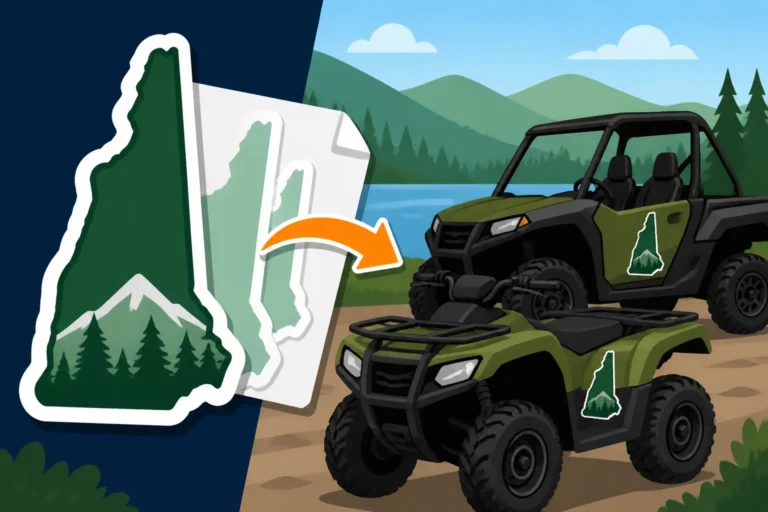
Once your registration is complete, you'll receive a printed registration certificate and two decals. The certificate is your proof of registration and ownership, so it's vital to carry it with you whenever you're riding, or at least have a clear photograph of it on your phone. The decals need to be affixed to your machine in specific locations – one on each side, usually on the front fender or cowling, clearly visible. These decals include your registration number and expiration date, allowing trail rangers and law enforcement to quickly verify your compliance. Instructions for placement usually come with your registration packet, but always ensure they are securely attached and visible. You can find out more about this process and requirements by reading [New Hampshire OHRV Decals and the Certificate].
Beyond the physical registration, New Hampshire also has specific safety requirements, particularly for younger riders. If you or someone who will be riding your new-to-you machine is under a certain age (typically 12 or 14, depending on the specifics), they may need to complete an approved OHRV safety course and carry a safety certificate. This course covers everything from safe operating practices to New Hampshire's specific OHRV laws and regulations. Even if you're an experienced adult rider, refreshing your knowledge with a safety course can be beneficial. It's all about ensuring everyone on the trails is operating safely and responsibly. Understanding [New Hampshire Safety Education Requirements] is key to enjoying your machine responsibly and legally. Take the time to familiarize yourself with these rules; they're in place to keep everyone safe and preserve the privilege of riding in the Granite State.
Disclaimer
This article is for general informational purposes only and does not constitute professional advice. Laws, prices and regulations vary by location and change over time. Consult a qualified professional for guidance on your specific situation.