Blaze Orange in a New Hampshire November
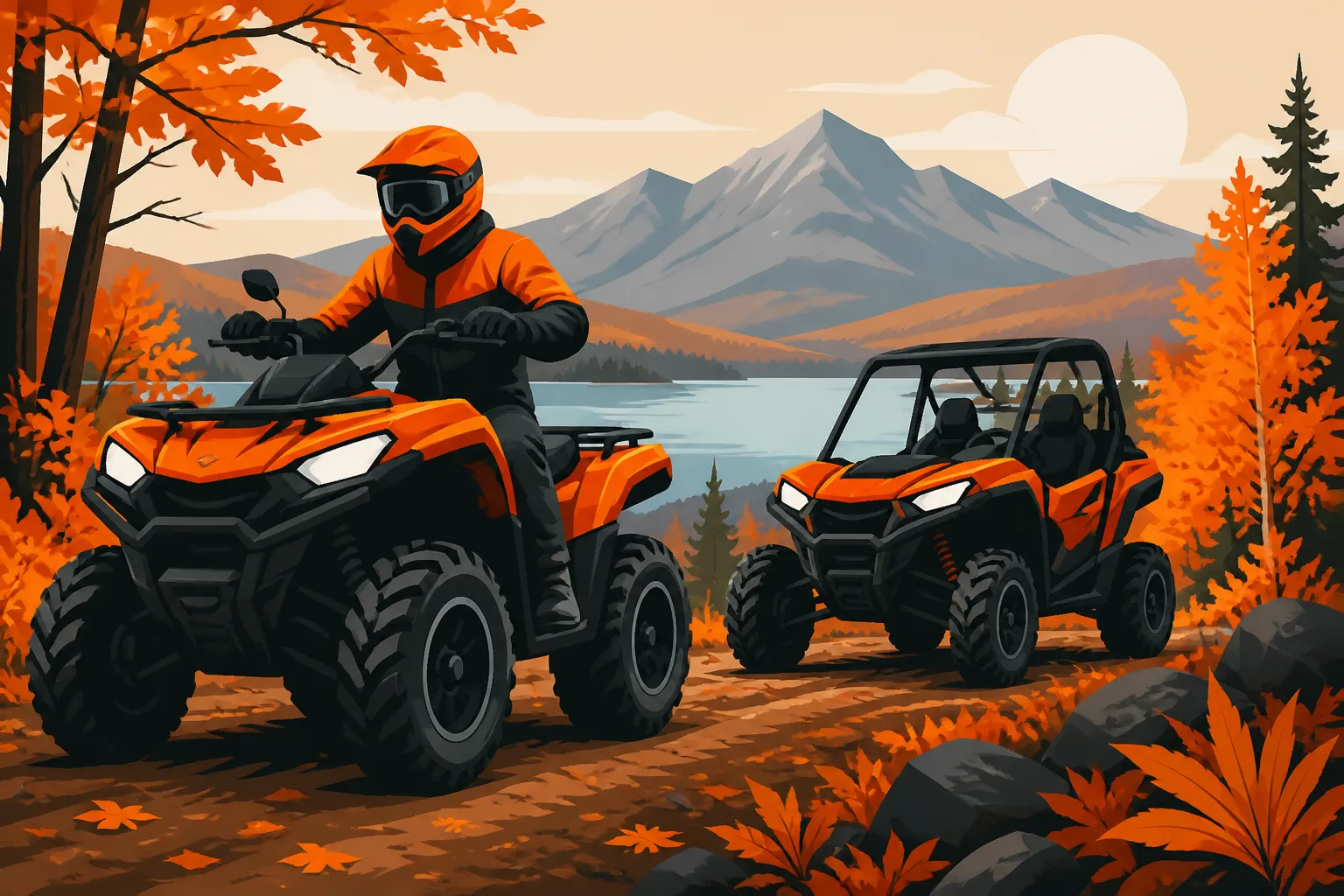
The crisp, cool air of a New Hampshire November is absolutely invigorating for OHRV riding, offering stunning foliage and a unique quiet on the trails. But that beautiful landscape holds a serious reality: it's also prime hunting season, and navigating the woods on your ATV or UTV requires an extra layer of vigilance and specific preparation. This guide will walk you through why blaze orange isn't just a suggestion but a critical safety measure, and often a legal requirement, for riders during New Hampshire's hunting months, ensuring you and others stay safe on the shared trails.
Why Blaze Orange is Non-Negotiable in New Hampshire's November Woods
When you hit the trails in November, you're not just sharing them with other OHRV enthusiasts; you're often entering active hunting grounds. This reality can feel a bit jarring, especially if you're used to riding during other times of the year when the woods are solely recreational. However, hunters have a legal right to be there, and many trails traverse public lands or private properties where hunting is permitted. The primary reason for wearing blaze orange is incredibly simple: visibility. You want to stand out unequivocally as a human, not game.
Imagine yourself as a hunter, camouflaged and focused, scanning the tree line. A sudden movement, a flash of brown or grey, and instinct takes over. Blaze orange creates an immediate, unmistakable signal that says, "I am a person, not a deer or a moose." It's a proactive measure to prevent accidental shootings, which, while rare, are tragically devastating when they occur. The state of New Hampshire takes this seriously, and so should every rider. Ignoring this simple, yet vital, safety protocol isn't just risky for you; it puts an undue burden of worry on responsible hunters and frankly, it just isn't worth the gamble.
New Hampshire's Hunting Seasons and OHRV Trail Overlap
New Hampshire's hunting seasons are carefully regulated, and November is a particularly active time for deer hunting, including the popular rifle season. While exact dates shift slightly year to year, the general period from late October through early December often sees a significant presence of hunters in the woods. But it's not just deer; other game species also have seasons that might overlap with your riding plans. It’s crucial to understand that many of our beloved OHRV trails, both on state lands and those managed by local clubs through landowner permissions, exist within this shared ecosystem. You might be enjoying a scenic ride on a club trail that crosses a large tract of private timberland, completely unaware that a hunter is patiently waiting nearby.
This overlap necessitates a heightened sense of awareness from all parties. Hunters are generally required to wear blaze orange themselves, making them visible to each other. As an OHRV rider, your responsibility is to extend that same courtesy and safety measure. It's a matter of mutual respect for the different activities that share our beautiful New Hampshire wilderness. Clubs work tirelessly with landowners to maintain these trails, and part of that agreement often includes adhering to specific rules during hunting season. Knowing these rules and [New Hampshire Rules for Riding in Hunting Season] is not just about avoiding a fine; it's about maintaining good relationships with the landowners who allow us to ride. Some trails might even have specific advisories or partial closures during peak hunting times, so always check [New Hampshire Trail Status Before You Ride].
What Does "Blaze Orange" Really Mean for Riders?
When the law, or common sense, dictates wearing blaze orange, it’s not just about a small patch of color. It's about being conspicuously visible from every angle. New Hampshire's regulations typically require a certain minimum amount of blaze orange to be worn on the upper body, visible from 360 degrees. This means a tiny orange ribbon on your helmet probably won't cut it. We’re talking about a vest, jacket, or hat (or a combination) that clearly marks you as a human presence.
Think about the dynamics of riding: you're moving, your body position shifts, and parts of you might be obscured by your machine or backpack. Your blaze orange gear needs to be effective even under these conditions. A high-visibility vest that goes over your existing riding jacket is a popular choice, ensuring it's not hidden by your hydration pack or other gear. Hats are also excellent for adding visibility higher up. The key is contrast against the natural environment. While your riding jacket might be a bright color, true blaze orange (sometimes called hunter orange) is specifically designed for maximum visibility to the human eye, even in low light or dense cover.
Here’s a look at common blaze orange options and their effectiveness:
| Gear Type | Visibility Rating (1-5, 5 being highest) | Best Use Case | Considerations |
|---|---|---|---|
| Full Blaze Orange Jacket | 5 | Primary outer layer, maximum coverage | Can be warm, may need to layer over or under depending on temperature |
| Blaze Orange Vest | 4 | Over any riding jacket, highly versatile | Ensure it doesn't get bunched up by backpack or seat |
| Blaze Orange Hat | 3 | Adds height to visibility, good secondary item | Doesn't provide full upper body coverage, best paired with a vest/jacket |
| Blaze Orange Helmet | 4 | Great for head-on and rear visibility, high up | Less common than other items, but excellent if available |
| Blaze Orange Gaiters | 2 | Adds visibility to lower body, minimal primary coverage | Supplemental only, does not meet primary visibility requirements on its own |
When choosing your gear, look for durable, weather-resistant materials. After all, November weather in New Hampshire can be unpredictable, ranging from crisp and sunny to wet and chilly. You might already have a fantastic all-weather riding jacket, and simply layering a blaze orange vest over it is often the easiest and most effective solution. While you’re thinking about personal safety gear, it’s also a good moment to review your machine’s readiness. Ensuring all your lights are in perfect working order, perhaps even upgraded with aftermarket options from companies like SuperATV, can significantly increase your presence on the trail, especially as days grow shorter. Proper maintenance, including a bright headlight and taillight, is part of overall safety on the trail and road, alongside [New Hampshire Equipment Rules for Road Riding].
The Consequences of Neglecting Blaze Orange
Ignoring the blaze orange requirement in November isn't just about bending a rule; it carries both significant safety risks and potential legal repercussions. The most severe consequence, of course, is the increased risk of a hunting accident. While hunters are trained in target identification, the responsibility of clear identification is a shared one. Blending into the background, even inadvertently, puts you in a dangerous position that no one wants to contemplate.
Beyond the immediate and grave safety concerns, there are legal consequences to consider. Riding without required blaze orange during designated hunting seasons can result in fines. These fines are designed to underscore the seriousness of the rule and act as a deterrent. Conservation Officers and local law enforcement are active on the trails, especially during busy seasons, and they won't hesitate to issue a citation for non-compliance. These penalties can range from a warning to a hefty fine, adding an unwelcome expense to your day out. For more on this, you might look into [New Hampshire Fines for an OHRV Violation].
Furthermore, neglecting safety protocols like blaze orange can have broader implications for OHRV access. Many trails exist due to the generous permissions of private landowners and the hard work of volunteer clubs. When riders fail to adhere to simple, crucial rules, it erodes trust and can lead to trail closures. Landowners might withdraw their permission, or clubs might be forced to restrict access during certain times, impacting the entire OHRV community. It's a collective responsibility to ensure we respect the land, the wildlife, and all other users of New Hampshire's outdoors. By wearing blaze orange, you're not just protecting yourself; you're helping to preserve the future of OHRV riding in the Granite State.
Beyond the Orange: Comprehensive November Riding Safety
While blaze orange is paramount, November riding in New Hampshire demands a holistic approach to safety. The season brings a unique set of challenges that extend beyond simply being seen. The days grow significantly shorter, meaning you're more likely to start or end your ride in low light conditions. The sun, when it appears, is lower in the sky, creating long shadows and potential glare that can reduce visibility for both you and others. [New Hampshire Rules for Riding After Dark] become more relevant as the sun sets earlier. Early morning rides or late afternoon finishes can quickly turn into night riding, so ensure your machine's lighting is up to snuff.
Weather is another major factor. November in New Hampshire can transition from mild autumn to early winter in a heartbeat. Temperatures can drop quickly, especially at higher elevations or in shaded areas. Be prepared for colder conditions, and the possibility of snow or icy patches on trails, particularly in the mornings or after shaded creek crossings. Hypothermia is a real risk if you're not dressed appropriately. Layering is key, allowing you to adapt to changing temperatures throughout the day. Always carry extra warm clothing, even if you don't think you'll need it.
Emergency preparedness also becomes more critical. With fewer riders and colder conditions, help might be further away or take longer to arrive if something goes wrong. Always ride with a fully charged phone, a basic tool kit, first-aid supplies, and enough water and snacks. Consider carrying a small survival kit with a fire starter and emergency blanket. Let someone know your planned route and estimated return time – this is always good practice, but especially vital during less-trafficked seasons. Finally, maintain a respectful demeanor towards hunters you may encounter. A simple nod or wave goes a long way in fostering good relationships on shared lands. Always remember that trail access is a privilege, and adhering to rules like wearing blaze orange ensures these privileges continue for everyone.
Disclaimer
This article is for general informational purposes only and does not constitute professional advice. Laws, prices and regulations vary by location and change over time. Consult a qualified professional for guidance on your specific situation.