Meeting the 96-Decibel Limit at a Trail Check
There's nothing quite like the feeling of hitting the trails on your ATV or UTV in New Hampshire, the fresh air, the winding paths, the pure freedom of it all. But that freedom comes with responsibilities, and one of the biggest ones that can sneak up on riders is the dreaded sound check. Many riders are totally unaware of the decibel limits until they’re stopped by an officer, facing a potential fine and a ruined ride. This guide is here to walk you through understanding New Hampshire's 96-decibel limit, what it means for your machine, how to ensure you're compliant, and what to expect if you find yourself pulled over for a sound check.
Understanding New Hampshire's 96-Decibel Limit
It’s easy to think that once you're off the pavement and out in the woods, the rules somehow loosen up. Not so when it comes to the noise your Off-Highway Recreational Vehicle (OHRV) makes! New Hampshire has a very clear standard, and it's enforced to keep our trails open and our riding experience enjoyable for everyone.
The "Why" Behind the Limit
You might wonder why the state cares so much about how loud your machine is, especially when you're far from any residential areas. The truth is, the reason is multifaceted and deeply rooted in preserving access for all of us. Loud machines can be a real nuisance, not just to residents near trailheads, but also to hikers, horseback riders, and even other OHRV enthusiasts trying to enjoy a peaceful day outdoors. Excessive noise creates a negative perception of OHRV riders, which can lead to trail closures and restrict our access to the beautiful New Hampshire landscape.
Think about the landowners who graciously allow trails to cross their property. They are often volunteers, and their patience can wear thin if loud machines constantly disturb their peace. The clubs that maintain these trails work tirelessly to build bridges, clear paths, and foster good relationships with these landowners. When riders don't respect sound limits, it jeopardizes these crucial relationships, and that affects all of us. It’s not just about rules; it’s about community and stewardship. [New Hampshire Fish and Game and OHRVs] are committed to maintaining a balance, and sound limits are a key part of that.
Where the Limit Applies
The 96-decibel limit isn't just some suggestion; it's a legal requirement for OHRVs operating on designated trails, public lands, and any area where OHRVs are legally permitted to ride. This includes the vast network of club trails, state parks, and even when you're crossing a town road to get from one trail section to another. It doesn't matter if you're deep in the northern woods or on a rail trail in the southern part of the state; if you're on public access land, the limit applies.
It’s a common misconception that if you’re just crossing a short section of paved road, the rules don't apply, but that's not true. Even for brief road crossings, you are still operating within the state's OHRV regulations, and that includes equipment rules and sound limits. [New Hampshire Equipment Rules for Road Riding] cover these scenarios, and it's essential to be aware of them. The intent is to ensure that wherever an OHRV is being operated legally, it is doing so responsibly and within reasonable noise parameters. Keep in mind that while the 96-decibel limit is statewide, local ordinances might have additional restrictions or specific times for OHRV use, so always check local rules for the area you plan to ride.
How the Test is Conducted
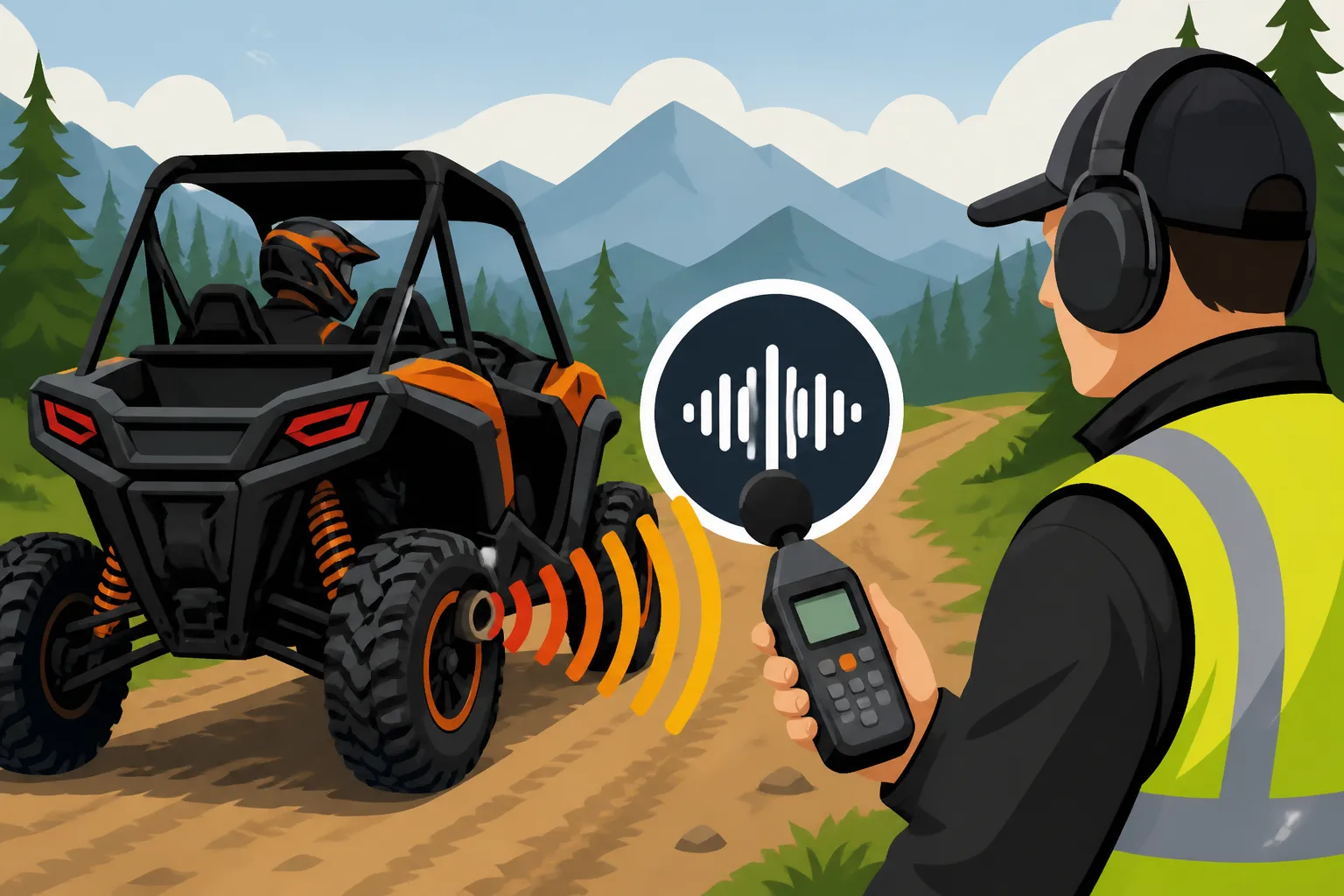
When an officer conducts a sound test, they aren't just guessing if your machine sounds "too loud." They use specialized equipment and a specific procedure to ensure accuracy. Typically, this involves a stationary sound test, meaning your machine won't be moving. The officer will usually position a decibel meter at a specific distance (often 20 inches) from the exhaust outlet, at a 45-degree angle.
Then, they’ll have you operate your engine at a certain RPM, usually around half of its maximum rated engine speed. For example, if your machine has a redline of 8,000 RPM, they might test it at 4,000 RPM. This standardized test ensures that the measurement is consistent and fair across different machines and different enforcement scenarios. It's a precise measurement, not a subjective opinion, so understanding [New Hampshire's OHRV Decibel Limit] is crucial.
Common Culprits for Exceeding the Limit
It’s rare that a rider intentionally sets out to break the decibel limit. More often than not, it’s a result of modifications, wear and tear, or simply not being aware of how loud a machine can truly get. Let’s break down the usual suspects.
The Allure and Pitfalls of Aftermarket Exhausts
Let's be honest, many of us love the idea of customizing our machines. An aftermarket exhaust can promise more horsepower, a throatier growl, or just a different aesthetic. The market is absolutely flooded with options, and it’s tempting to upgrade. However, this is by far the most common reason riders fail a sound check. Many aftermarket exhaust systems are designed with performance in mind first, and noise compliance second – or not at all.
You might have bought that shiny new exhaust online, believing it would give your quad an aggressive edge, but did you check its decibel rating or whether it's J-standard or USFS approved for sound? Often, they are not. While some reputable brands, like SuperATV, offer performance parts that also strive for compliance, it’s always on the buyer to verify. Don't assume that just because you bought it from a well-known parts supplier, it automatically meets all state regulations. [When an Aftermarket Exhaust Fails a Sound Check], it's usually because it wasn't designed with these specific limits in mind. Always double-check product specifications and look for clear statements about sound compliance before installing any new exhaust system.
Worn Components and Lack of Maintenance
It’s not just aftermarket parts that can cause issues. Even your factory-installed exhaust system can become non-compliant over time due to wear and tear. Mufflers contain packing material – fiberglass or steel wool – that helps to absorb sound. Over hundreds of hours of riding, this packing can degrade, burn out, or simply get blown out of the exhaust, making the muffler much louder. Loose baffles inside the muffler can also rattle and increase noise.
Exhaust leaks are another common culprit. A small crack in a header pipe or a loose connection can allow exhaust gases to escape prematurely, creating a much louder, harsher sound than intended. Regular maintenance is key, not just for the longevity of your engine, but also for keeping your OHRV within legal sound limits. Inspect your exhaust system periodically for any signs of damage, leaks, or loose components. And don't forget the spark arrester! While its primary function is fire prevention, a damaged or clogged spark arrester can also affect exhaust flow and, consequently, the sound output. [New Hampshire's Spark Arrester Requirement] is essential for both safety and compliance.
Modifications Beyond the Exhaust System
While the exhaust is the main offender, other modifications can sometimes contribute to overall vehicle noise. For instance, removing an airbox lid to "let the engine breathe" can increase intake noise, which, while not directly exhaust noise, can contribute to the overall perceived loudness of the machine. Certain engine modifications that increase compression or change ignition timing can also alter the engine's operational sound.
Even tire choice can play a role, as aggressive tread patterns on hard-packed surfaces can create significant road noise, though this is less about the engine's decibels and more about ambient sound. The takeaway here is to think holistically about how any modification might impact the overall noise profile of your machine, not just the performance numbers.
Proactive Steps to Ensure Compliance and Peace of Mind
Nobody wants their ride cut short by a sound violation. The good news is, with a little foresight and regular attention, you can significantly reduce your chances of failing a trailside check. It’s all about being proactive and informed.
Pre-Ride Checks and Regular Maintenance
Before you even load up your OHRV for a trip, a quick visual and auditory check can save you a lot of grief. Make it a part of your routine. Walk around your machine and visually inspect the entire exhaust system. Look for:
- Cracks or Holes: Even small ones can make a big difference in noise.
- Loose Connections: Check the manifold, header pipes, and muffler connections. Give them a gentle shake.
- Missing or Damaged Baffles: If you have an aftermarket exhaust, ensure all internal components are secure.
- Intact Spark Arrester: Make sure it’s clean and hasn’t been tampered with or removed.
- Muffler Condition: Listen for any unusual rattles or hollow sounds that might indicate internal packing degradation.
Start your machine and let it idle. Listen for any unusually loud sounds, leaks, or vibrations that weren't there before. Give the throttle a few blips and listen carefully. Does it sound significantly louder than it used to? Is there a metallic rattle that wasn’t present last season? Addressing these issues before you head out is much easier than dealing with them on the trail.
Here’s a simple checklist to get you started:
| Item | Check | Notes |
|---|---|---|
| Exhaust Pipes | Visual inspection for cracks, holes, or corrosion. | Pay attention to welds and joints. |
| Muffler Body | Check for dents, punctures, or signs of internal damage. | Listen for loose components inside. |
| Exhaust Gaskets/Clamps | Ensure all connections are tight and leak-free. | Feel for exhaust gases escaping around joints. |
| Spark Arrester | Confirm it is present, clean, and undamaged. | Essential for fire prevention and proper exhaust flow. [New Hampshire's Spark Arrester Requirement] |
| Engine Sound | Listen for excessive noise, rattles, or unusual engine sounds. | Sometimes engine issues can contribute to overall loudness. |
| Airbox/Intake | Ensure airbox lid is secure and no modifications are increasing intake noise. |
Strategic Equipment Choices and Modifications
When it comes to upgrading or replacing parts, make informed decisions. If you're considering an aftermarket exhaust, do your homework. Look for exhausts that are clearly labeled as meeting SAE J1287 (the standard for OHRV sound testing) or USFS (U.S. Forest Service) approved for sound. These certifications usually mean the manufacturer has designed and tested the exhaust to comply with common noise regulations.
Some accessory providers, including companies like SuperATV, offer a wide range of parts. When browsing their inventory or any other supplier, always read the product descriptions carefully. If a product doesn't explicitly state its sound compliance, assume it might exceed limits. It's also possible to purchase a handheld decibel meter yourself. While not as precise as the calibrated meters used by law enforcement, it can give you a good indication of your machine's sound output and help you make adjustments before you encounter an officer.
For UTVs, additional sound-dampening materials can sometimes be installed in the cab or engine compartment to reduce overall noise for the occupants and potentially contribute to a slightly lower external decibel reading.
Joining a Club and Staying Informed
One of the absolute best ways to stay ahead of the curve on regulations, trail conditions, and general OHRV wisdom is to join a local riding club. These clubs are the backbone of the New Hampshire trail system. They often have members who are deeply knowledgeable about OHRV laws, equipment requirements, and specific local nuances. They can be a fantastic resource for everything from where to ride to how to keep your machine compliant.
[What a Club Does With Your Dues] goes far beyond just maintaining trails; it also involves advocacy and education, keeping members informed about changes in regulations. Plus, joining a club often comes with the added perk of a discounted OHRV registration rate, which is a great incentive! [New Hampshire's Club Member Discount] can save you a chunk of change, making membership even more appealing. Stay connected, stay informed, and help support the trails we all love to ride.
Navigating a Trailside Sound Check
Despite all your best efforts, you might still find yourself being stopped for a sound check. It's a natural part of riding, and knowing what to expect can make the experience much smoother and less stressful.
What to Expect When Pulled Over
First and foremost, if a New Hampshire Fish and Game officer or an authorized agent signals you to stop, do so safely and immediately. Pull over to the side of the trail or road in a clear, visible spot. Turn off your engine, remove your helmet, and be polite and cooperative. Remember, these officers are out there to ensure everyone's safety and the responsible use of our trails. A respectful attitude goes a long way.
The officer will likely ask for your OHRV registration and your safety certificate. It's imperative to have these readily accessible. [Carrying a Safety Certificate on a Ride] is a key responsibility, and not having it can lead to further issues. They will then explain that they are conducting a sound test and instruct you on how to operate your machine for the measurement. This typically involves starting your machine and holding the throttle at a specific RPM while they take a reading with their decibel meter. They might also check for a spark arrester and other basic equipment requirements. [What a New Hampshire Officer Checks Roadside] can vary, but sound is definitely a primary concern.
Potential Outcomes and Next Steps
If your machine passes the sound check, congratulations! The officer will likely thank you for your cooperation, give you a friendly reminder to enjoy the trails safely, and you'll be on your way. It’s a good feeling to know you’re compliant.
However, if your machine exceeds the 96-decibel limit, the situation becomes more serious. The potential outcomes can vary depending on the severity of the violation and the officer's discretion, but they typically include:
- A Fine: You will likely receive a citation for violating the sound limit. [New Hampshire Fines for an OHRV Violation] can be substantial, so it’s definitely something you want to avoid.
- Order to Cease Operation: In some cases, especially if the violation is egregious, the officer might order you to cease operating the OHRV immediately. This means your ride is over, and you'll have to find a way to trailer your machine out of the area.
- Instructions for Correction: The officer might give you clear instructions on what needs to be fixed to bring your machine into compliance. This could involve replacing an aftermarket exhaust with a stock one or repairing a worn muffler.
It's natural to feel frustrated or even angry if you're cited, but arguing with the officer on the trail is rarely productive and can sometimes make matters worse. Listen to their instructions, take the citation, and address the issue once you've left the trail. Remember, these checks are not arbitrary; they are enforced to protect our access to riding areas and ensure a positive experience for all trail users and adjacent landowners. Being compliant helps keep our trails open for years to come.
Disclaimer
This article is for general informational purposes only and does not constitute professional advice. Laws, prices and regulations vary by location and change over time. Consult a qualified professional for guidance on your specific situation.