New Hampshire Eye Protection Requirement
There's nothing quite like the feeling of hitting a New Hampshire trail on your ATV or UTV, the smell of the pines, the rumble of the engine, and the wind in your… well, you get the idea. But wait, what about your eyes? It’s easy to get caught up in the excitement and overlook some of the essential safety rules, especially when it comes to something as seemingly simple as eye protection. Many riders, both seasoned and new, often wonder exactly when and why they need to don those goggles or safety glasses, especially if their machine has a windshield. This guide is here to clear up all that confusion, offering practical, real-world advice to keep your vision clear and your rides compliant with New Hampshire's OHRV regulations.
The Basics of New Hampshire's Eye Protection Rule
Navigating the rules and regulations for OHRVs in New Hampshire can sometimes feel like trying to find your way through a particularly dense patch of woods without a trail map. One area that often causes a bit of head-scratching is the requirement for eye protection. It seems straightforward enough, right? Wear something to protect your eyes. But the devil, as they say, is in the details, and those details often revolve around who you are, how old you are, and what kind of machine you're riding. Understanding these nuances isn't just about avoiding a fine; it's about safeguarding your most precious sense while you're out enjoying the trails.
Who Needs Eye Protection and When
Let's cut right to the chase: New Hampshire law is pretty clear that all riders and passengers under the age of 18 must wear eye protection when operating or riding on an OHRV. This isn't an optional suggestion; it's a hard and fast rule designed to protect younger, less experienced riders from the myriad hazards that can be encountered on the trail. Think about it: a rogue branch, a sudden burst of dust from the machine in front, or even a persistent blackfly could easily impair a young rider's vision, potentially leading to a dangerous situation. This rule applies whether they're operating a small youth ATV or riding as a passenger in a large side-by-side. Their age is the determining factor, full stop.
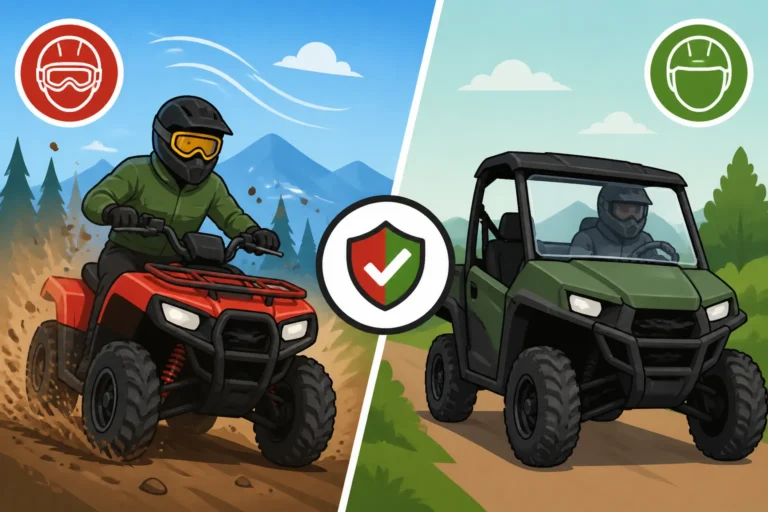
For adults – that is, anyone 18 years of age or older – the rule has a little more flexibility, which is where some of the confusion creeps in. If you're an adult operating an OHRV without a windshield, you are also required to wear eye protection. This covers traditional ATVs, most dirt bikes, and any UTV where the cab is open to the elements without a protective front screen. The reason is simple: your eyes are directly exposed to whatever the trail throws at you. Imagine a rock kicked up by a tire, or mud splashing from a puddle; without eye protection, you're inviting injury.
The exemption for adults comes into play if your OHRV is equipped with a windshield. In this scenario, adults are not legally required to wear additional eye protection. However, it's crucial to understand that "not legally required" doesn't necessarily mean "not a good idea." While a windshield offers a significant barrier against larger debris, dust can still swirl into the cabin, rain can obscure vision, and even low sun can cause blinding glare. We'll delve deeper into the nuances of windshields in a bit, but for now, remember the age cutoff is paramount: if you're under 18, protection is a must, no matter what. You can learn more about general age rules for riders in [New Hampshire Age Rules for OHRV Riders].
What Counts as Approved Eye Protection
So, you know when you need eye protection, but what kind of eye protection is actually acceptable under New Hampshire law? This isn't the time to pull out your favorite pair of fashion sunglasses from the gas station rack. The law is looking for gear that offers genuine protection. Generally speaking, acceptable eye protection includes goggles, safety glasses, or a face shield that is part of a helmet. The key here is that the eyewear must provide a sufficient barrier against impact and flying debris.
When you're looking for gear, thinking about reputable brands like SuperATV or other well-known powersports accessory makers can ensure you're getting quality and compliant protection. These companies often design their products specifically for the demands of off-road riding, meaning they're built to withstand impacts, resist fogging, and stay securely in place, even over rough terrain. Regular prescription eyeglasses, while offering some protection, are generally not considered sufficient on their own unless they are rated as safety glasses (which many aren't). It's about more than just having something in front of your eyes; it's about having something that will actually protect them in an accident or from trail hazards.
The materials and construction matter. You want lenses made from polycarbonate or similar impact-resistant plastics, not fragile glass. The eyewear should fit snugly to prevent dust or debris from getting underneath. Many riders opt for goggles because they offer a superior seal around the eyes, preventing fine dust from irritating them and providing a wide field of vision. If your helmet has a built-in face shield, that counts as eye protection, provided it's lowered and offers full coverage. Always prioritize safety standards when choosing your gear, even if the law doesn't specify a particular ANSI rating. Think about the conditions you'll be riding in: bright sun might call for tinted lenses, while overcast days or night riding will require clear ones.
Eye Protection Nuances for Different Machines and Situations
It's not just about whether you're 17 or 18; the type of OHRV you're on, and even whether you're the operator or a passenger, can subtly change the eye protection requirements. New Hampshire's OHRV laws try to strike a balance between safety and practicality, but understanding where those lines are drawn can prevent frustration and keep you safe. The difference between a traditional ATV and a UTV with a full cab, for instance, can sometimes be enough to shift the legal requirements, though common sense often dictates a higher level of protection than the bare minimum.
Windshields and Their Impact on the Rule
This is often the biggest point of confusion for adult riders. As we touched on earlier, if you are 18 years of age or older, and your OHRV is equipped with a windshield that effectively shields your face from direct impact with airborne debris, you are legally exempt from wearing additional eye protection. This rule acknowledges that a properly installed windshield performs much of the same protective function as goggles or a face shield, creating a barrier between your eyes and the outside world. This is particularly relevant for side-by-sides, which are often equipped with full windshields, roofs, and even doors, offering a more enclosed riding experience.
However, and this is a big "however," this windshield exemption does not apply to riders or passengers under the age of 18. For minors, the requirement for eye protection is absolute, regardless of whether the machine has a windshield or not. So, if you're taking your 15-year-old nephew for a ride in your UTV with a brand-new, full-coverage windshield, he still needs to be wearing his goggles. This distinction underscores the state's heightened focus on protecting younger riders, who may lack the reaction time or experience to mitigate hazards that an adult might.
Even for adults who are legally exempt, many still choose to wear eye protection, especially on dusty trails or in situations where a windshield might not provide complete coverage. Windshields can get dirty quickly, rain can obscure vision, and fine dust can still find its way into the cabin, leading to irritation. Additionally, some windshields, particularly half-windshields or those with vents, may not offer full protection from all angles. Investing in a good quality windshield from a company like SuperATV can enhance the riding experience by providing a clear view and robust protection, but remember that the legal eye protection for minors remains a constant. It's often better to err on the side of caution and wear goggles even with a windshield if conditions are challenging.
Passengers and Eye Protection
The rules for passengers largely mirror those for the operator, with the same critical age distinction. If a passenger is under 18 years of age, they are always required to wear approved eye protection, regardless of the OHRV type or whether it has a windshield. This applies whether they're sitting behind you on a two-up ATV, in the passenger seat of a UTV, or even if they're a child riding in a specially designed child seat in a side-by-side. Their age triggers the mandatory eye protection requirement.
For adult passengers (18 and over), the same windshield rule applies: if the OHRV has a windshield that effectively provides protection, they are not legally required to wear additional eye protection. If there's no windshield, or if the windshield doesn't offer adequate coverage, then adult passengers also need to wear eye protection. This means that if you and an adult friend are riding an open-cockpit ATV, both of you need goggles. If you're cruising in a UTV with a full windshield, neither of you is legally obligated to wear them, though again, it's often a smart choice. [New Hampshire Rules for Carrying a Passenger] offers more details on general passenger regulations.
It's vital for anyone organizing a group ride or taking family members out to clearly communicate these rules beforehand. Imagine the frustration of getting to a trailhead only to realize your young passenger doesn't have the required eye protection, forcing you to turn back or risk a citation. A quick pre-ride check of everyone's gear, ensuring helmets, eye protection, and appropriate clothing are all accounted for, can save a lot of hassle and ensure a safer, more enjoyable outing for everyone.
| Rider Age | Machine Type | Windshield Present? | Eye Protection Required? | Notes |
|---|---|---|---|---|
| Under 18 | All OHRVs | Yes or No | Yes | Mandatory for all minors, operator and passenger, always. |
| 18 and Over | ATV / Dirt Bike | No | Yes | Operator and passenger must wear protection. |
| 18 and Over | UTV / ATV | Yes | No (Legally) | Operator and passenger are legally exempt, but highly recommended for comfort and added safety. |
Practical Tips for Staying Safe and Compliant
Knowing the law is one thing; putting it into practice effectively is another. When you're out on the trails, the last thing you want is to be distracted by uncomfortable gear or, worse, to suffer an injury because your protection wasn't up to par. Choosing the right eyewear and understanding how enforcement works are key components of a truly safe and compliant OHRV experience in the Granite State. After all, the goal isn't just to avoid a ticket, but to come home safely with your eyesight intact, ready for your next adventure.
Choosing the Right Eyewear
Selecting the right eye protection goes beyond just fulfilling a legal requirement; it's about comfort, clarity, and maximizing your enjoyment of the ride. When you're looking for goggles or safety glasses, there are several features worth considering. First and foremost, look for impact resistance. The lenses should be made from durable materials like polycarbonate, designed to withstand flying debris. Scratch resistance is also a huge plus, as muddy or dusty trails can quickly degrade your vision if your lenses scratch easily. For robust, trail-ready options, many riders turn to brands that specialize in off-road accessories, and SuperATV is definitely one to consider for durable gear that holds up to the rigors of New Hampshire trails.
Another critical feature is anti-fogging technology. There's nothing more frustrating, and dangerous, than having your goggles fog up mid-ride, especially when crossing a stream or climbing a steep hill. Many modern goggles come with anti-fog coatings or ventilation systems. Look for a comfortable fit that seals well around your eyes, preventing dust and wind from sneaking in, but without pinching or creating pressure points. If you wear prescription glasses, look for "over-the-glasses" (OTG) goggles that are designed to fit comfortably over your eyewear. UV protection is also a wise choice, safeguarding your eyes from the sun's harmful rays during long rides.
Finally, consider the conditions you typically ride in. Clear lenses are essential for low-light conditions, overcast days, or night riding. Tinted or mirrored lenses are great for bright, sunny days, reducing glare and eye strain. Some riders even carry multiple sets of lenses or goggles to swap out as conditions change. Always try on goggles with your helmet to ensure a seamless fit, avoiding gaps that could let in dust or create uncomfortable pressure. This also helps ensure that your [New Hampshire Helmet Law for OHRV Riders] compliant helmet works well with your chosen eye protection.
Enforcement and Consequences
New Hampshire's Fish and Game Department conservation officers, along with local law enforcement, are responsible for enforcing OHRV regulations, including those related to eye protection. When an officer conducts a roadside check or encounters riders on the trail, they're not just looking for registration decals; they're also verifying that all safety gear is present and properly used, especially for younger riders. [What a New Hampshire Officer Checks Roadside] often includes a quick scan of helmets and eye protection. If a rider or passenger is found to be in violation of the eye protection rule, particularly a minor, the consequences can range from a warning to a fine. While specific fine amounts can vary, they are certainly a less desirable outcome than simply wearing the proper gear.
Beyond the legal ramifications, the most significant consequence of not wearing appropriate eye protection is, of course, the risk of injury. A piece of grit in your eye can be excruciatingly painful and lead to a loss of control, putting yourself and others at risk. A more severe impact could cause permanent vision damage. New Hampshire's trails, especially those with [New Hampshire Trails With Mud] or [New Hampshire Trails With Rock and Ledge], can be unpredictable, and protecting your eyes is a fundamental step in ensuring a safe ride.
Ultimately, compliance with New Hampshire's eye protection requirements shouldn't be viewed as a burden, but as a critical safety measure. It's a small adjustment to your gear that offers enormous protection. By understanding the rules, choosing high-quality, comfortable eyewear, and consistently wearing it, you're not only adhering to the law but, more importantly, protecting your vision for countless more adventures on the beautiful trails of New Hampshire. So, gear up, ride safe, and keep those peepers protected!
Disclaimer
This article is for general informational purposes only and does not constitute professional advice. Laws, prices and regulations vary by location and change over time. Consult a qualified professional for guidance on your specific situation.