What a New Hampshire Officer Checks Roadside
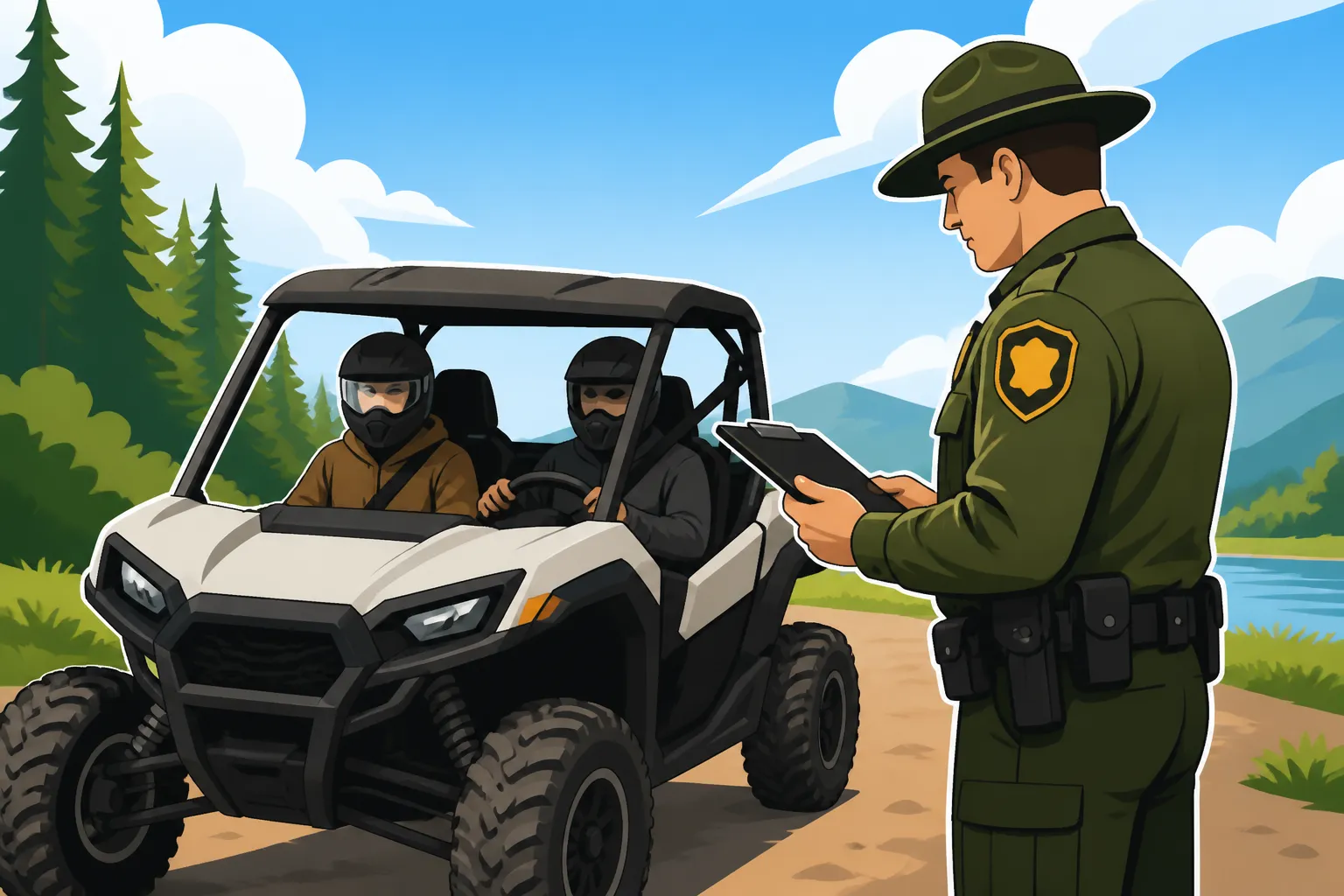
It's happened to all of us. You're out enjoying a beautiful day on your ATV or side-by-side, maybe cruising along a designated road connector or transitioning between trails, and then you see it: an officer signaling you to pull over. Your heart might skip a beat, wondering if you did something wrong. This guide aims to take some of the mystery and anxiety out of that situation, detailing exactly what a New Hampshire officer is likely checking when they stop you roadside.
The First Glance: Your Registration and Decals
When an officer stops you, one of the first things they'll want to see is proof that your machine is legally registered to be out there. New Hampshire takes its OHRV registration seriously, as these fees directly fund our amazing trail system and help maintain relationships with landowners.
Current Registration Certificate
You absolutely need to have your current OHRV registration certificate with you. This isn't just a suggestion; it's a requirement. Think of it like your car's registration – you wouldn't drive without that tucked away in your glovebox, right? For OHRVs, it proves that you've paid your dues and are legally entitled to be on the trail or designated road. The officer will verify the registration year and match the information on the certificate to your machine. [New Hampshire's May to April Registration Year] can sometimes confuse people, especially if they bought their machine mid-season, so always double-check those dates.
It's a common mistake for riders to leave their certificate back at the truck or camp, assuming they won't need it. But picture this: you're miles into the woods, enjoying a ride near Pittsburg, and an officer pulls you over for a routine check. If your certificate is lounging on your kitchen table, you're looking at a potential fine, even if you are otherwise compliant. The easiest solution is to carry it in a waterproof bag or pouch on your person or securely on your machine.
Properly Displayed Decals
Alongside the physical certificate, your machine needs to display the official New Hampshire OHRV decals. These aren't just for show; they're a quick visual cue for law enforcement and land managers that your machine is registered. There's a specific way they need to be placed, usually on the front and rear of the machine, clearly visible. [New Hampshire OHRV Decal Placement] is pretty straightforward, but it's crucial to get it right.
I've seen folks try to tuck them away or place them on a fender where they're obscured by mud or gear. That's a surefire way to invite a closer look from an officer. The purpose of these decals is instant identification, so make sure they're clean, intact, and in plain sight. If you've been doing some aggressive trail riding, or if winter conditions have peeled them off, you'll want to address that promptly. You can always get [Replacing Lost New Hampshire Decals].
Who's Riding: Age, Licensing, and Safety Gear
Beyond the machine itself, an officer will definitely be looking at who's operating it and whether they're properly equipped for the ride. New Hampshire has specific rules in place to keep everyone safe, especially our younger riders.
Rider Age and Safety Certificate
This is a big one, especially if you have kids or teenagers riding with you. In New Hampshire, there are clear age restrictions and safety education requirements. For example, riders aged 12 and older need to complete an approved OHRV safety course and carry their safety certificate with them, unless they hold a valid driver's license. [New Hampshire's Certificate Rule at Age 12] is a fundamental piece of our OHRV laws.
If you're riding with a younger family member, an officer will want to ensure they meet these requirements and are under appropriate supervision. [New Hampshire Supervision Rules for Minors] are very specific, especially for those under 12 or for 12 and 13-year-olds on public trails. Don't assume your child's natural riding talent exempts them; the rules are there for a reason, focusing on safety and responsibility.
Helmet and Eye Protection Requirements
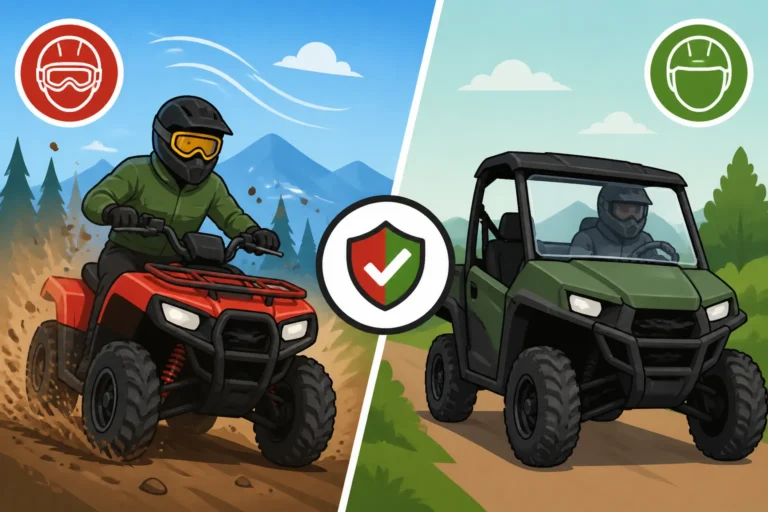
When you're out on a New Hampshire trail or open road, the rules around helmets and eye protection are quite specific. All riders and passengers under the age of 18 are required to wear a DOT-approved helmet. This is non-negotiable and something officers check diligently. [New Hampshire Helmets for Riders Under 18] exists to protect our youth.
For adults 18 and over, a helmet isn't legally required unless you're riding on a public way (like an open town road) and don't have a valid driver's license. However, even if you're an adult and legally exempt on a trail, most experienced riders will still tell you to wear a helmet. It's just plain smart. Eye protection is also mandatory for all riders and passengers unless the machine is equipped with a windshield. I've heard too many stories of branches or flying debris causing serious eye injuries – save yourself the grief and wear those goggles! [New Hampshire Eye Protection Requirement] is often overlooked but incredibly important.
The Machine Itself: Equipment and Sound
An officer isn't just checking your paperwork and your head; they're also scrutinizing your machine for basic safety equipment and compliance with environmental rules, particularly sound limits.
Headlights, Taillights, and Reflectors
If you're out riding on a designated public road or after dark, your machine absolutely needs to have a working headlight, taillight, and reflectors. Even if you're just crossing a short section of pavement to get to another trail, these lights become critical for visibility and safety. [New Hampshire Lighting Requirements for OHRVs] are there to ensure you can see and be seen by other traffic.
Many of us ride during daylight hours and might not think much about our lights, but a quick roadside stop can reveal if a bulb is out or if your wiring has been compromised by a stray branch. Before every ride, it’s a good habit to do a quick walk-around and test your lights. If you're running aftermarket accessories, always ensure they don't impede your visibility or that of your existing lights. Companies like SuperATV offer a range of lighting options, but you're responsible for making sure they meet state regulations.
Exhaust System and Sound Levels
This is a hot-button issue for many riders and a frequent point of inspection for officers. New Hampshire has strict sound limits for OHRVs, typically capping them at 96 decibels. An officer might carry a decibel meter, or they might simply be listening for an obviously modified, excessively loud exhaust system. [New Hampshire's OHRV Decibel Limit] is in place to reduce noise pollution, protect wildlife, and maintain good relationships with residents and landowners near trails.
Aftermarket exhaust systems can be a blast, offering increased performance and a throatier growl. However, if you've swapped out your stock muffler for something louder, you need to be certain it still meets New Hampshire's sound requirements. Many aftermarket pipes, while legal in some states, exceed the limit here. Always look for a spark arrester too, which is mandatory to prevent forest fires. If you're unsure if your exhaust system is compliant, it's worth checking with your dealer or looking up the specifications from manufacturers like SuperATV for their specific parts.
Mirrors and Width Considerations
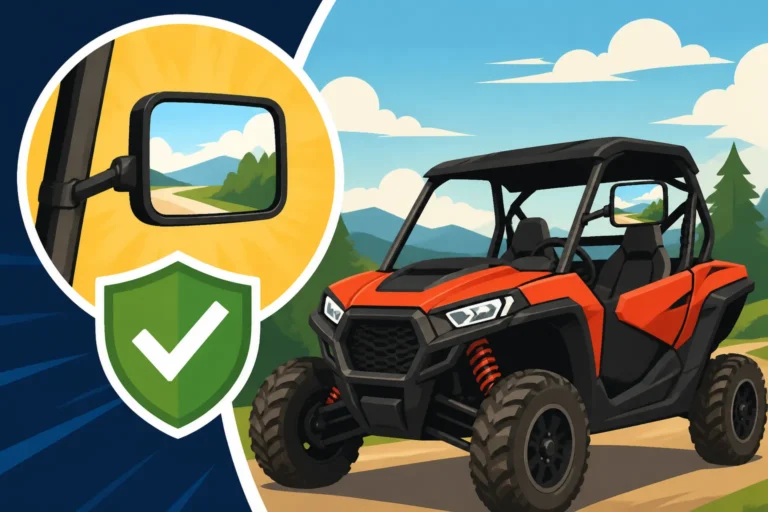
When you're riding on any designated public way or crossing a road in New Hampshire, your OHRV needs to have at least one rearview mirror mounted on the left side. This is crucial for situational awareness and safely navigating shared roadways. [New Hampshire Mirror Requirement for Road Riding] is a clear rule for a good reason.
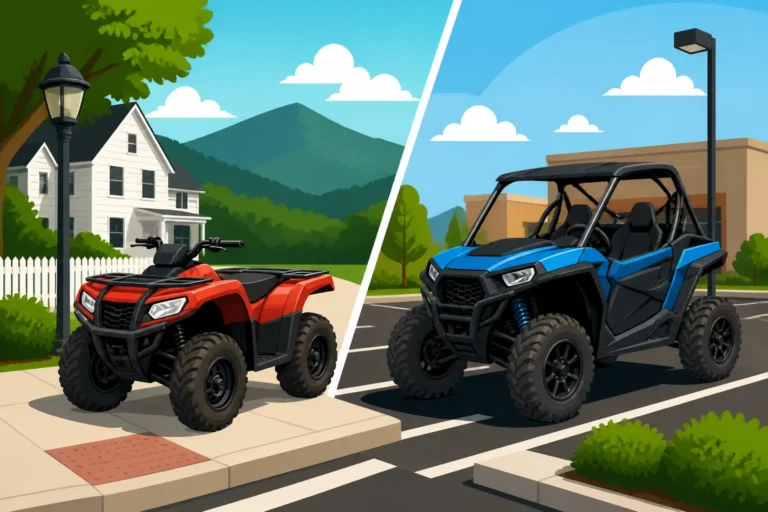
Additionally, while not typically a "check" in the same way as a mirror, an officer might also be mindful of the width of your machine, especially on certain trails. While many trails accommodate wider side-by-sides, some older or specific trail sections, particularly some rail trails, might have width restrictions, often 50 inches. If you've modified your machine with wider A-arms or wheel spacers, increasing its footprint, it's your responsibility to know the trail limits you're on. You won't get ticketed for being wide on all trails, but being aware of [New Hampshire Trails With a 50-Inch Limit] can save you from an impassable situation or, worse, damaging a trail gate.
Road Rules and Proper Conduct
When you pull onto a town road or cross a highway, you're no longer just "trail riding." You're sharing the road with cars, trucks, and pedestrians, and different rules apply. Officers will be particularly observant of how you conduct yourself in these areas.
Stopping and Crossing Highways
This is probably one of the most critical safety aspects when an OHRV rider encounters pavement. You cannot simply blast across a paved road. New Hampshire law requires you to come to a complete stop before crossing any paved public highway. You must yield to all conventional vehicles, cross at a ninety-degree angle, and do so safely. [Why You Must Stop Before Every Road Crossing] isn't a suggestion; it's a law designed to prevent serious accidents.
I've seen riders get a bit too confident, especially when they think the road is clear. But visibility can change in an instant, and those two-ton vehicles aren't expecting a UTV to suddenly dart out. An officer observing a rolling stop or an unsafe crossing will almost certainly pull you over. They're looking for compliance and, more importantly, for safe operation that respects other road users.
Yielding and Right-of-Way
When you're on a designated road segment, whether it's a town road or a section of state highway that's been opened, you are still operating an OHRV, and there are specific yielding requirements. You must always yield the right-of-way to conventional motor vehicles. [Yielding to Every Conventional Vehicle] is paramount for safety and maintaining the privilege of using these road connectors.
This means pulling over to the far right of the road, if safe to do so, to allow cars to pass. It also means exercising extreme caution at intersections and being highly visible. Officers are looking for courtesy and common sense from OHRV riders. Any behavior that seems reckless or disrespectful to other drivers can draw immediate attention. We all want to keep these road connectors open, and that depends on every rider acting responsibly.
Speed Limits and Safe Operation
Just like any other vehicle on a public road, OHRVs must adhere to posted speed limits. In designated OHRV corridors or trail towns like Gorham, you'll often see specific speed limits posted for OHRVs, which might be lower than the conventional vehicle speed limit. [Gorham's 25 mph Trail Limit] is a good example of how towns manage OHRV traffic.
An officer isn't just checking your speed. They're also assessing your overall safe operation. Are you riding erratically? Are you keeping a safe distance from other vehicles? Are you controlling your machine, especially when riding through residential areas or town centers? Reckless operation, such as spinning tires on pavement or driving aggressively, not only risks a fine but also jeopardizes the future of open roads for all OHRV enthusiasts.
Potential Violations and Penalties
Let's face it, nobody wants to get a ticket. Understanding the common violations and their potential consequences can help you ride smarter and avoid trouble.
Fines for Non-Compliance
The fines for OHRV violations in New Hampshire can range from relatively minor for things like a misplaced decal to more substantial for serious infractions like riding without a registration or operating recklessly. For instance, [New Hampshire Fines for an Unregistered OHRV] can definitely put a damper on your day. These aren't just slaps on the wrist; they're designed to deter unsafe and illegal riding.
It's important to remember that ignorance of the law is rarely an acceptable excuse. An officer isn't going to be swayed by "I didn't know I needed to carry my certificate" or "I thought my exhaust was fine." The responsibility falls squarely on the operator. These fines not only cost you money but can also add points to your driving record in some cases, or even lead to suspension of your OHRV operating privileges.
Why They Care: Landowner Relations and Safety
Officers aren't just trying to spoil your fun; they're enforcing rules that are vital for the entire OHRV community. Much of New Hampshire's trail system exists on private land, graciously opened by landowners. Violations, especially those related to sound or trespassing, can quickly sour these relationships, leading to trail closures. This is why groups like the New Hampshire Off-Highway Vehicle Association (NHOHVA) and individual clubs work tirelessly to maintain these landowner agreements.
Ultimately, roadside checks are about safety – for the rider, for passengers, for other trail users, and for the public on shared roads. They're about preserving the integrity of our trail system and ensuring responsible enjoyment of our natural resources. When an officer pulls you over, they're performing their duty to ensure that everyone is playing by the rules, keeping our sport safe and sustainable.
Preparing for a Smooth Roadside Stop
Nobody likes being stopped, but a little preparation and a calm attitude can make the process much smoother, letting you get back to enjoying your ride faster.
Have Your Documents Ready
This is probably the single most impactful thing you can do. As soon as you see an officer signal you to stop, begin preparing your documents. Have your OHRV registration certificate and your safety certificate (if applicable) easily accessible. If you're riding on a public way, your driver's license should be ready too. This shows respect for the officer's time and demonstrates that you're a responsible rider.
I keep mine in a small, clear, waterproof pouch that I can quickly grab from my jacket pocket or a small compartment on my side-by-side. Fumbling through a backpack or under a seat while an officer waits isn't a great look. The more organized you are, the quicker the interaction will be. This applies to having your [New Hampshire OHRV Registration Paperwork] organized from the start.
Be Courteous and Cooperative
When an officer stops you, approach the interaction with courtesy and a cooperative attitude. Turn off your engine, remove your helmet (if appropriate and safe to do so), and keep your hands visible. Answer their questions clearly and truthfully. Remember, they're just doing their job, often to keep you and others safe.
A polite and respectful demeanor goes a long way. Getting defensive or argumentative will only prolong the stop and potentially escalate the situation. If you're unsure about something, it's better to ask for clarification politely than to make assumptions. Most officers are also riders or familiar with OHRVs and are happy to educate rather than just cite, especially if you show a willingness to learn and comply.
Pre-Ride Checks for Compliance
The best defense is a good offense! Before you even hit the trails or the road connectors, make it a habit to perform a quick pre-ride check. This isn't just about making sure your machine runs well; it's about ensuring compliance.
Pre-Ride Compliance Checklist:
| Item Checked | What to Look For | Why It Matters |
|---|---|---|
| Registration Decals | Visible, clean, and correctly placed on front and rear. | Quick identification, proof of legal operation. |
| Registration Card | In your possession, current dates, matches machine info. | Legal requirement to carry. |
| Safety Certificate/DL | In your possession (if applicable to your age/license status). | Proof of qualification to operate. |
| Helmet | DOT-approved, worn by those under 18 (and adults on roads without DL). | Head protection, legal requirement. |
| Eye Protection | Goggles or face shield (unless machine has windshield). | Protects against debris. |
| Headlight/Taillight | Functioning bulbs, clear lenses. | Visibility, especially for road crossings or low light. |
| Rearview Mirror | At least one on the left side (for road use). | Situational awareness on public ways. |
| Exhaust/Spark Arrester | Not excessively loud, spark arrester present and functional. | Compliance with sound limits, fire prevention. |
| Machine Width | Know your machine's width for specific trail restrictions. | Avoiding damage to trails/gates, illegal access. |
This quick routine can save you a lot of grief and ensure your day of riding remains enjoyable and uninterrupted. It's all about being a responsible member of the New Hampshire OHRV community and helping to keep our trails open and safe for everyone.
Disclaimer
This article is for general informational purposes only and does not constitute professional advice. Laws, prices and regulations vary by location and change over time. Consult a qualified professional for guidance on your specific situation.