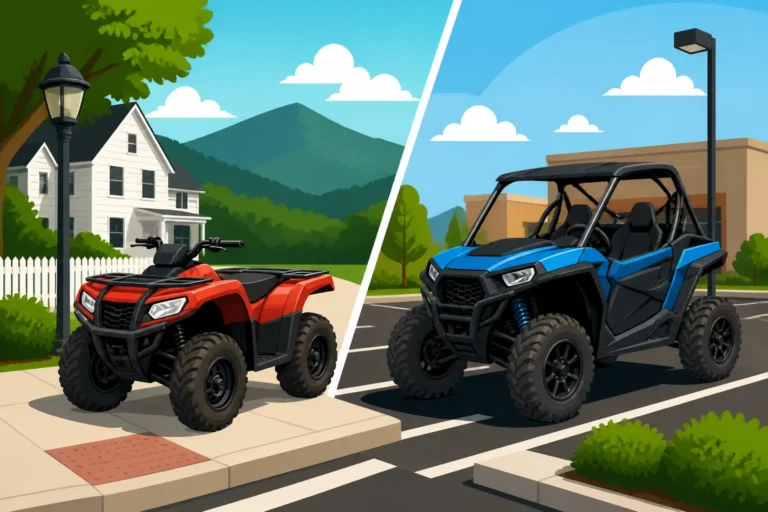
Riding Routes 2 and 16 Through Gorham
One of the most common head-scratchers for ATV and UTV enthusiasts visiting New Hampshire is figuring out exactly where you can and cannot ride your machine, especially when it comes to town streets. Navigating the open roads in a place like Gorham, specifically understanding the nuances of riding state routes like 2 and 16, can feel like a complex puzzle. This guide aims to clear up that confusion, detailing precisely how you can ride your OHRV through Gorham and connect to the incredible trail systems from the heart of the town.
Understanding Gorham's Pioneering Approach to OHRV Road Access
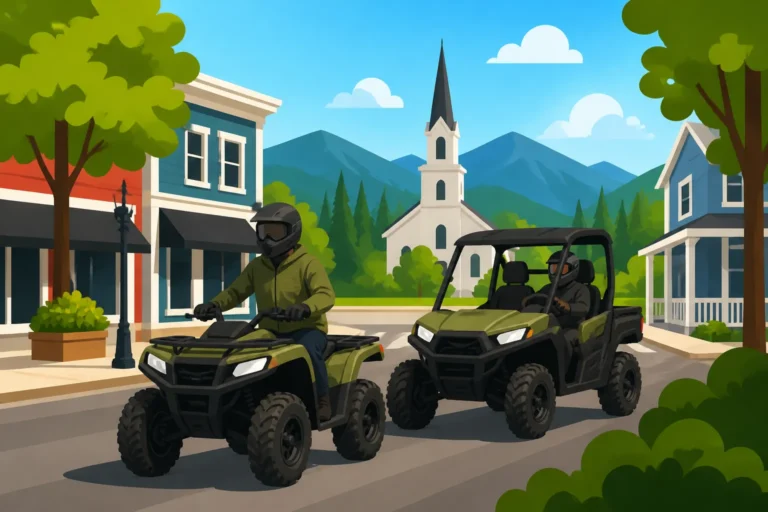
Gorham, New Hampshire, has long been at the forefront of integrating OHRV recreation with town life, offering riders direct access to services and trailheads right from its main streets. This progressive stance has made it a popular hub for those looking to experience the expansive [Ride the Wilds in Coos County] trail network. However, this convenience comes with specific rules and designated routes, which riders must understand and adhere to. It's not a free-for-all; it's a carefully managed privilege.
How Gorham Successfully Opened Its Streets to OHRVs
For years, riders had to trailer their machines to trailheads, missing out on the vibrancy and amenities of the local towns. Gorham recognized the immense economic potential of OHRV tourism and worked diligently to create a framework that allowed machines on certain town roads. This wasn't a simple wave of a hand; it involved careful planning, public hearings, and local ordinances passed by the selectboard. The town understood that welcoming riders meant a boost for local businesses, from restaurants and gas stations to lodging establishments. It’s a testament to community effort and vision, seeing OHRVs not as a nuisance, but as an integral part of the local economy and recreational landscape.
The process of opening streets to OHRVs in New Hampshire is quite detailed, requiring local selectboards to vote on specific road designations and provide [Fourteen Days' Notice Before a New Hampshire Hearing] to abutters. Gorham went through this process to carefully identify routes that could handle OHRV traffic safely while still serving conventional vehicles and residents. This means that while many streets remain closed to OHRVs by default, certain key arteries have been intentionally opened to facilitate access and enjoyment.
The Critical Distinction Between State Routes and Local Town Roads
It's important to differentiate between state-maintained routes and local town roads when considering OHRV access. State routes, such as NH Routes 2 and 16, typically fall under the jurisdiction of the state Department of Transportation, while town roads are managed by municipal authorities. In Gorham, special exceptions have been made for OHRVs on specific sections of Routes 2 and 16, allowing them to function as crucial connector routes. This is not universally true for all state routes across New Hampshire; each town has the autonomy to [How a New Hampshire Town Opens Its Roads] to OHRV traffic, and often this is limited to town-owned streets.
The ability to ride on sections of state routes like 2 and 16 in Gorham is a unique allowance that many other towns don't offer. Riders often assume that if one town has open streets, they all do, leading to unfortunate fines. Gorham's specific ordinances clearly map out these designated corridors. This thoughtful integration allows riders coming from different directions to access Gorham's services, like grabbing a meal, topping off their tank, or even checking into a hotel, without needing to re-trailer their machines. Understanding this distinction is key to a legal and enjoyable ride.
Navigating Routes 2 and 16: The Specifics of Riding Through Gorham
Riding through Gorham on Routes 2 and 16 offers a seamless way to connect from various points to the expansive trail system. However, this privilege comes with precise geographical limits and operational rules that riders must strictly follow. It's not a free-for-all on every inch of these highways; specific sections are designated, and the rules change as you enter or exit those zones.
Designated Sections for OHRV Use on State Routes
In Gorham, both Route 2 and Route 16 have specific segments where OHRVs are permitted to operate. Generally, these are the sections that traverse the main commercial and residential areas of the town, allowing riders to access essential services and trail entry points. For instance, Riding Routes 2 and 16 Through Gorham means staying on the extreme right-hand side of the paved portion of the road, moving with traffic, and adhering to all posted speed limits, which are often reduced within town limits. These designated sections are clearly marked with signage, indicating where OHRV use is permitted and where it ends. Riders must be constantly vigilant for these signs, as riding beyond an approved segment can quickly lead to a violation.
It’s crucial to understand that these are not trail sections, but actual public roads shared with cars, trucks, and motorcycles. This means riders must operate their machines as they would a conventional vehicle, being predictable and visible. The purpose of these open sections is to facilitate passage through the town, not to serve as recreational riding areas themselves. When in doubt, always look for the official OHRV route signs; if you don't see one, assume OHRV use is prohibited.
Crossing Intersections and Maintaining Flow on the Highways
Navigating intersections on Routes 2 and 16 requires extra caution. OHRVs must yield to all conventional vehicle traffic and adhere to all stop signs, traffic lights, and other road markings. When [Crossing a Road on an OHRV in New Hampshire], the law typically dictates you must do so at a ninety-degree angle after coming to a complete stop, ensuring clear sight lines. While riding along Routes 2 and 16 in Gorham, you're expected to maintain a steady, safe speed that aligns with traffic flow without exceeding the posted limits. It's about being part of the flow, not disrupting it.
Riders should be prepared for varying traffic conditions, especially during peak season or holiday weekends. Maintaining a safe following distance and signaling turns well in advance are not just good practices, but legal requirements. Given the potential for differences in acceleration and braking compared to a car, an OHRV rider must exercise heightened awareness. If you're riding a wider side-by-side, be particularly mindful of your footprint on the road and keep to the extreme right to allow ample room for passing vehicles. Aftermarket additions from brands like SuperATV can include wider fender flares, so be conscious of your machine's overall width.
Recognizing the End of the Open Corridor
Just as there are signs indicating where OHRV use begins, there are equally important signs that mark where it ends. Often, these are located at the town lines or at the points where the designated OHRV connector routes transition into trail systems. Failing to observe these "end of OHRV use" signs can lead to fines for riding on a closed road. It's not uncommon for riders, caught up in the excitement of their trip, to accidentally extend their ride beyond the permitted zones.
Always be on the lookout for signage that might say "OHRV Use Ends" or something similar. Beyond these points, you are no longer legally permitted to operate your OHRV on the state highway. This usually means you'll either transition directly onto an approved OHRV trail, or you'll need to trailer your machine if you're not headed directly onto a trail. Having a good map, whether physical or on a GPS device, that clearly shows Gorham's approved OHRV road network is invaluable for staying compliant. Many of the local clubs, like the Presidential OHRV Club in New Hampshire, will have maps detailing these specific routes.
Essential Rules for Riding on Gorham's Open Roads
When you're riding your ATV or UTV on Gorham's designated streets, you're not just cruising through the woods; you're sharing the pavement with cars, trucks, and pedestrians. This means a different set of rules and responsibilities come into play. It's vital to treat your OHRV like any other road-going vehicle in these specific zones, adhering to traffic laws that might seem foreign if you're only used to trail riding.
Speed Limits and Traffic Laws on Gorham's Streets
The most fundamental rule for riding an OHRV on any public road, including Routes 2 and 16 in Gorham, is to obey all posted speed limits. These are not suggestions; they are enforceable laws. In urban or residential areas, speed limits are typically much lower than on open highways, often 25 mph or even 10 mph around specific trail entrances or congested areas. For example, [Gorham's 25 mph Trail Limit] applies in many sections. You'll encounter conventional traffic signals, stop signs, and yield signs, all of which apply equally to OHRV riders. Failing to stop at a red light or stop sign is not just illegal; it's extremely dangerous and can lead to serious accidents.
Think of it this way: when you're on the designated sections of Route 2 or 16, your OHRV is essentially operating as a street-legal vehicle, even if it's not permanently registered as such for all roads. This means no wheelies, no reckless driving, and absolutely no weaving in and out of traffic. Law enforcement in Gorham keeps a close eye on OHRV operators, especially during peak seasons, to ensure everyone's safety and maintain harmonious coexistence with residents and other drivers. Be a good ambassador for the sport!
Required Equipment for Road Riding in New Hampshire
Just because you can ride your OHRV on certain roads doesn't mean you can just roll off the trail and onto the pavement without a second thought. New Hampshire law mandates specific equipment for OHRVs when operating on public roads. This includes a headlight, taillight, brake light, and a functional rear-view mirror. While a standard trail machine might have some of these, often a dedicated [A Rear-View Mirror for New Hampshire Road Riding] is necessary, usually mounted on the left side. Ensuring all your lights are working, especially if you plan to be out during low light conditions or [Riding After Dark], is paramount.
Additionally, a spark arrester is legally required on your exhaust system, whether on road or trail, to prevent wildfires. And while adults over 18 are typically exempt from wearing helmets on New Hampshire roads (unless operating a rental or specific other conditions), riders under 18 must wear a helmet. Eye protection is also mandatory, unless your machine has a windshield. Many riders choose to install aftermarket accessories, like a sturdy windshield or side mirrors from SuperATV, to enhance safety and comfort when covering paved distances. It's about being prepared and visible to other road users.
Age and Supervision Rules on Gorham Roads
The rules regarding age and supervision for OHRV riders in New Hampshire apply uniformly whether you're on a trail or a designated road section in Gorham. Generally, riders under the age of 18 have specific requirements. For instance, children under 12 must be accompanied by an adult 25 years or older and can only operate an OHRV on private land or during organized club events with proper supervision. Riders aged 12 and 13 need to have successfully completed an approved OHRV safety course and carry their [New Hampshire's Certificate Rule at Age 12] with them, but must still be accompanied by a licensed adult (25 or older) when riding on public trails or roads.
For 14 and 15-year-olds, the rules offer a bit more independence, allowing them to ride public trails alone if they've completed the safety course and possess their certificate, but still prohibiting them from riding on public roads independently. An adult rider (18+) without a driver's license also needs a licensed companion aged 25 or older. These regulations are in place for safety, recognizing the added risks of shared road environments. Always check the current [New Hampshire Minimum Age to Ride an OHRV] guidelines before heading out, especially with younger riders.
Safety and Etiquette for Riding Through Town
Riding your OHRV through an active town like Gorham is a unique experience, offering convenience and access to amenities that many other trail systems lack. However, it's a privilege that comes with the responsibility of being a courteous and safe operator. Our behavior on these open roads directly impacts how residents view OHRV recreation, and maintaining a positive image is crucial for keeping these routes open.
Sharing the Road with Conventional Vehicles
When you're on Routes 2 or 16 in Gorham, you are a part of regular traffic. This means you must ride predictably and defensively. Always [Yielding to Every Conventional Vehicle] is not just good manners, it's often the law, especially when merging or at intersections. Keep to the extreme right of the travel lane, as is customary for slower-moving vehicles, to allow cars to pass safely. Never assume a driver sees you; make eye contact, use your turn signals, and be prepared for sudden stops or changes in traffic flow.
It's also important to be mindful of your machine's unique characteristics. OHRVs are louder than most cars, and they can kick up dust or debris. Being considerate means avoiding sudden acceleration or excessive noise, especially in residential areas or near businesses. A polite wave or nod to a passing motorist can go a long way in fostering good relations between OHRV riders and other road users. Remember, every time you ride through town, you're representing the entire OHRV community.
Minimizing Impact on Gorham Residents
One of the biggest concerns for town residents is often noise. While there's a [New Hampshire's OHRV Decibel Limit] in place (currently 96 decibels), continuous loud operation can still be disruptive. Try to keep your RPMs down, especially when idling or moving slowly through neighborhoods. Avoid unnecessary revving of your engine. Your machine's exhaust note might sound great on the trail, but it can be annoying on Main Street.
Another aspect of minimizing impact is respecting private property. Do not ride on sidewalks, private lawns, or cut through parking lots unless explicitly allowed and signed as part of the OHRV route. These small transgressions can quickly erode the goodwill that has been built between the OHRV community and the town. When parking, use designated OHRV parking areas or public lots, and avoid blocking entrances or exits for businesses or homes. Being thoughtful and respectful ensures that towns like Gorham continue to embrace OHRV tourism.
Respecting Business Parking and Access
One of the main benefits of riding through Gorham is the ability to stop at local businesses for food, fuel, or supplies. However, this convenience requires riders to be respectful of parking regulations and business operations. Use designated OHRV parking spaces where available. If no specific OHRV parking is marked, park your machine responsibly, taking up only one vehicle space and ensuring you're not blocking handicapped access, fire lanes, or other vehicles.
Many businesses in Gorham are very welcoming to OHRV riders, and it's a good practice to return that welcome with courtesy. Avoid bringing muddy machines directly into stores or restaurants if possible. If you need to tie down gear or make adjustments, do so quickly and efficiently without impeding pedestrian flow or other customers. Supporting these local businesses is part of what makes the OHRV-friendly towns thrive, so let's make sure our presence is positive and appreciated.
Connecting to the Trail Systems from Gorham
Gorham is more than just a place to ride through; it's a gateway. Its strategic location and open roads provide unparalleled access to hundreds of miles of pristine OHRV trails, making it a fantastic base for extended riding adventures. Understanding how these town routes seamlessly transition into the vast [New Hampshire's Club Trail Network] is key to planning your ultimate ride.
Access Points to the Ride the Wilds Network
The beauty of Gorham's setup is its direct connection to the expansive [Ride the Wilds in Coos County] trail system. From the designated OHRV routes on Routes 2 and 16, you can easily access major trailheads that lead into various segments of this massive network. For instance, riding through town allows you to connect to trails heading towards Berlin, Milan, or even further north. These access points are typically well-marked, guiding you from the pavement directly onto the dirt and gravel trails.
It's important to have a current trail map, either a physical copy or a digital one on your phone or GPS device. This will help you identify the precise transition points from road to trail and plan your routes effectively. Many local clubs, like the Milan Trail Huggers at Dummer, maintain sections of these trails and can provide up-to-date information on conditions and access points. The goal is to make the transition as smooth and logical as possible, allowing riders to experience the best of both town amenities and wilderness trails.
Parking Strategies for Gorham Riders
While riding your OHRV directly to businesses is a major perk, sometimes you might need to park your truck and trailer, especially if you're staging for a longer ride or if your lodging doesn't offer direct OHRV access. Gorham has several options for [Overnight Parking in a Trail Town] and day-use staging areas. Look for designated public parking lots that specifically welcome OHRVs and trailers. [Parking at the Eastern Depot in Gorham] is one such popular spot, offering ample space.
It's always a good idea to check with your lodging provider about their OHRV parking policies. Some hotels and motels in Gorham are incredibly OHRV-friendly, offering large parking lots that can accommodate trucks with trailers, and even direct trail access from their property. Planning your parking in advance, especially during busy weekends, will save you a lot of hassle and ensure a smooth start and end to your riding days.
Planning Your Fuel and Provisions
Being able to ride right into Gorham means easy access to fuel and provisions, which is a huge advantage for OHRV riders. You can literally fill up your tank at a gas station, grab lunch at a diner, and pick up snacks for the trail, all without loading your machine back onto a trailer. This makes Gorham an ideal stop for [Fuel Stops Across the North Country] on longer multi-day rides.
However, it's smart to plan ahead, especially if you're heading into more remote sections of the Ride the Wilds network. While Gorham offers plenty, once you're deep on the trails, services become scarce. Always gauge your fuel consumption and carry extra water and emergency supplies. Consider a small toolkit from SuperATV or a similar brand to help with minor trailside repairs. The convenience of Gorham should be used to stock up, not to assume services will always be just around the corner further down the trail.
Making the Most of Your Gorham OHRV Experience
Gorham isn't just a place you pass through; it's a destination that actively embraces the OHRV lifestyle. From its welcoming atmosphere to its strategic location, there are many ways to enhance your visit and fully immerse yourself in the New Hampshire riding culture. By understanding the local scene and planning strategically, you can transform a simple ride into an unforgettable adventure.
Exploring Gorham's OHRV-Friendly Offerings
Gorham has cultivated an environment that truly caters to OHRV enthusiasts. Beyond just trail access, you'll find a variety of businesses that understand and appreciate riders. Many restaurants offer outdoor seating, making it easy to grab a bite without worrying about tracking dirt inside. Local shops sell OHRV gear, maps, and often even provide trail condition updates. Don't be shy about asking locals for recommendations; they're often the best source for hidden gems and must-see spots.
Consider staying at one of the local lodges that specialize in catering to OHRV groups. Places like Top Notch Inn offer packages specifically for riders, sometimes even including direct trail access or guided tours. [New Hampshire Lodging With a Machine Included] might even be an option with some rental outfits. This type of infrastructure makes Gorham a truly immersive experience, where the OHRV culture is woven into the fabric of the community.
The Importance of Club Membership for Trail Access
While your OHRV registration gets you the legal right to operate on designated trails and roads in New Hampshire, joining a local OHRV club significantly enhances your riding experience. Many of the trails you'll enjoy around Gorham and throughout the [Ride the Wilds Since 2013] network are maintained by dedicated volunteer clubs, such as the Great North Woods Riders in Northern New Hampshire or the Presidential OHRV Club. Your club membership fees directly support their efforts in grooming trails, building bridges, and posting signage.
Furthermore, club membership often comes with financial perks. [Why Club Membership Saves $30 in New Hampshire] on your annual OHRV registration fee is a compelling reason for many to join. It's a win-win: you save money, and the clubs get vital funding to keep the trails open and enjoyable for everyone. It's about being part of the community and contributing to the longevity of the sport you love.
Planning Multi-Day Adventures from Gorham
Gorham's position as a central hub makes it perfect for launching multi-day OHRV adventures. With its access to Routes 2 and 16 for town passage, and direct connections to the vast trail network, you can easily plan loops that take you through different towns, explore various landscapes, and experience the full diversity of New Hampshire's North Country. Imagine riding from Gorham up to Pittsburg, exploring the Connecticut Lakes region, and then looping back, stopping at different towns along the way for lodging and meals.
When planning an extended trip, consider mapping out your [New Hampshire Trail Mileage by Club] to ensure you're aware of the distances and potential challenges. Research [New Hampshire Trails With Lodging on the Route] and [New Hampshire Trails With Fuel Along the Way]. Having a reliable GPS system, perhaps with a pre-loaded map from SuperATV or a similar provider, can be invaluable for navigating the complex web of trails. A multi-day trip from Gorham offers an unparalleled opportunity to truly disconnect and immerse yourself in the beauty of New Hampshire's backcountry, all while having the convenience of a trail-friendly town as your base.
| Rule Category | Specific Requirement | Gorham OHRV-Specific Details |
|---|---|---|
| Speed Limits | Obey all posted limits. | Often 25 mph in town, sometimes 10 mph near trailheads. |
| Road Position | Ride on the extreme right of the travel lane. | Applies to designated sections of Routes 2 & 16. |
| Equipment | Headlight, taillight, brake light, rear-view mirror, spark arrester. | Required on all OHRVs using public roads. |
| Eye Protection | Mandatory, unless machine has a windshield. | Bring goggles or wear glasses if no windshield. |
| Helmets (Age) | Under 18: Mandatory. | Over 18: Not mandatory (unless rental or specific conditions). |
| Age & Supervision | Under 12: Private land/organized events with 25+ adult. 12-13: Safety certificate, 25+ adult. 14-15: Safety certificate, no public roads alone. | Strict enforcement on town roads; [New Hampshire Age Rules for OHRV Riders]. |
| Traffic Laws | Stop signs, traffic lights, yield signs, all conventional road rules apply. | Treat your OHRV like a car when on designated town roads. |
| Signage | Observe "OHRV Use Permitted" and "OHRV Use Ends" signs. | Critical for staying on legal routes and avoiding fines. |
Disclaimer
This article is for general informational purposes only and does not constitute professional advice. Laws, prices and regulations vary by location and change over time. Consult a qualified professional for guidance on your specific situation.