Yielding to Every Conventional Vehicle
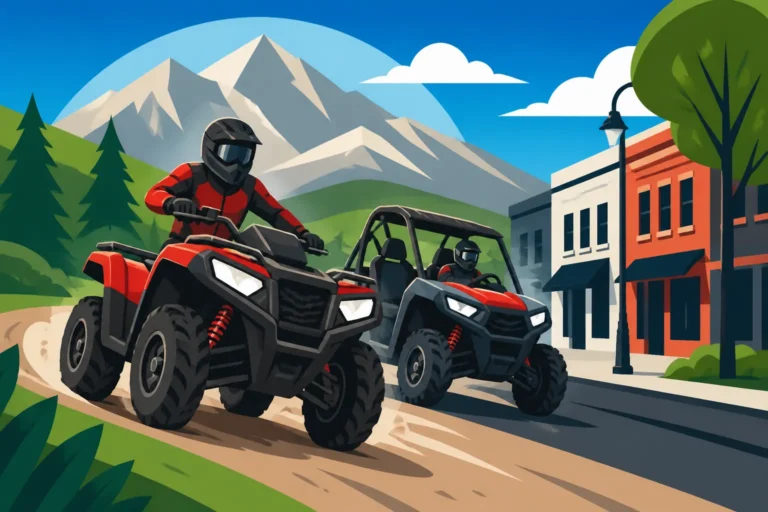
Riding your Off-Highway Recreational Vehicle (OHRV) in New Hampshire is an incredible experience, offering unmatched access to some of the most stunning natural landscapes and connecting charming trail towns. There's nothing quite like the freedom of cruising down a designated town road to grab a bite or link up with another trail, but this privilege comes with a significant responsibility: understanding and practicing the art of yielding to every conventional vehicle. It's not just about following the rules; it's about ensuring everyone's safety, maintaining the positive reputation of our riding community, and preserving the precious access we currently enjoy. This guide will walk you through why yielding is so crucial, what it entails, and how to do it effectively and safely in the Granite State.
The Rationale Behind Yielding Rules for OHRVs
It's easy to get caught up in the thrill of the ride, but when we take our machines onto public roads alongside cars, trucks, and motorcycles, we enter a very different environment. The rules aren't just arbitrary; they're designed to keep everyone safe and to allow this unique mixed-use system to function harmoniously.
Safety First for All Road Users
Think about the difference between your robust OHRV and a passenger car or a fully loaded truck. Our machines, while incredibly capable off-road, are typically lighter, often slower, and offer far less protection in a collision than a conventional automobile. When you’re riding a trail bike, an ATV, or a side-by-side, you're much more vulnerable. The yielding rules are fundamentally about mitigating risks. If an OHRV rider consistently yields to larger, faster, and more protected vehicles, the chances of a serious accident plummet dramatically. It’s about being proactive in preventing mishaps, not reacting to them. This consideration extends to pedestrians and bicyclists as well, who are even more exposed than we are on our OHRVs. Our responsibility to ensure their safety is paramount.
Maintaining Public Acceptance of OHRV Access
New Hampshire is unique because many towns have embraced OHRV tourism, opening up their local roads to connect trail systems and allow riders to access amenities. This access isn't a given; it's a privilege earned through years of responsible riding and careful collaboration between OHRV clubs, the state, and local communities. Every time a rider fails to yield, creates a hazardous situation, or acts disrespectfully on a town road, it chips away at that public goodwill. Local residents and town officials are constantly observing how OHRV riders conduct themselves. Aggressive riding, ignoring traffic, or creating perceived dangers can quickly lead to discussions about revoking road access. By consistently yielding and demonstrating courtesy, we reinforce the positive image of OHRV enthusiasts as responsible members of the community, which helps ensure that towns continue to designate their roads for our use. [New Hampshire Towns That Allow OHRVs on Roads] are a treasure, and we need to treat them as such.
New Hampshire's Legal Framework for OHRV Road Use
The State of New Hampshire has specific statutes governing OHRV use, and these laws, coupled with local ordinances, dictate where and how you can ride your machine on public ways. While some roads are designated, and others are explicitly closed, the overarching principle is that when an OHRV is on a public road, it generally operates under the same, or even stricter, traffic laws as conventional vehicles, with an emphasis on safe operation and deferring to other traffic. The law recognizes that OHRVs are not typical road vehicles, and therefore, their integration requires extra caution. Yielding is not just good practice; it's often a legal requirement that falls under broader safe driving mandates. Disregarding these requirements isn't just rude; it can lead to legal penalties and jeopardize future OHRV access for everyone.
Understanding "Conventional Vehicles" in New Hampshire
To effectively yield, you first need a clear understanding of what "conventional vehicles" encompasses in the context of New Hampshire's mixed-use road system. It's broader than just cars and trucks, and recognizing all types of road users is key to safe operation.
What Constitutes a Conventional Vehicle?
When the law talks about "conventional vehicles" in relation to OHRVs on public roads, it's essentially referring to anything not an OHRV that typically uses the public highway. This includes the obvious ones: passenger cars, pickup trucks, SUVs, and commercial vehicles like delivery vans or tractor-trailers. But it also extends to motorcycles, which, while smaller, are still considered conventional highway vehicles with specific rights and expectations. Furthermore, don't forget about bicycles and pedestrians. They are often the most vulnerable users on any road and demand the highest degree of caution and yielding from OHRV operators. Whether you're on a busy main street in Gorham or a quiet dirt road connecting trail sections, assume every other road user is a "conventional vehicle" that you need to be prepared to yield to.
The Hierarchy of Road Use
While New Hampshire has done an excellent job integrating OHRVs into its transportation network, a practical hierarchy of road use still exists on public ways. Simply put, OHRVs are generally expected to defer to conventional vehicles, not the other way around. This isn't about superiority; it's about the practical realities of vehicle design, speed capabilities, and accident impact. A logging truck or a family minivan is expected to maintain its speed and path, while the OHRV rider is expected to adjust. This unspoken agreement is vital for smooth traffic flow and safety. Think of it this way: when you're riding your OHRV, you're a guest on roads primarily designed and utilized by other types of vehicles. Respecting this hierarchy is a fundamental part of responsible OHRV operation. Remember [Why New Hampshire Riders Keep to the Extreme Right] – it's a critical part of this deferential approach.
Unexpected Road Users to Watch For
Beyond the everyday cars and trucks, New Hampshire roads, especially in rural areas, can present some less common but equally important conventional vehicles to which you must yield. This includes large agricultural machinery like tractors or harvesters, which move slowly and take up significant road space. Construction vehicles, from excavators to dump trucks, also fall into this category. Then there are emergency vehicles—police cruisers, fire trucks, and ambulances—which always have the right-of-way and demand an immediate, safe, and complete yield. Even a simple horse and buggy, while rare, would be considered a conventional road user that requires significant space and a respectful yield. Maintaining constant vigilance and scanning far ahead will help you anticipate these varied road users and react appropriately, keeping everyone safe.
Practical Steps for Yielding on New Hampshire Roads
Yielding isn't just about slowing down; it's a multi-step process that involves anticipation, clear communication, and safe execution. Mastering these practical steps will make your OHRV road-riding experience much safer and more courteous.
Situational Awareness is Your Best Tool
The foundation of effective yielding is excellent situational awareness. This means constantly scanning the road ahead, checking your mirrors frequently (especially if you have a SuperATV rearview mirror installed), and listening for approaching vehicles. Don't just look directly in front of you; look down the road, around blind corners, and at intersections. Anticipate potential encounters. Are you approaching a rise in the road? A curve with limited visibility? A driveway? A small village where traffic might be heavier? These are all cues to heighten your awareness. When you're riding an OHRV, you don't have the same enclosed protection as a car, so being acutely aware of your surroundings becomes even more critical for your safety and the safety of others.
Pulling Over Safely and Respectfully
When you identify an approaching conventional vehicle and determine you need to yield, the next step is to pull over safely. This involves a few key considerations:
- Find a Safe Spot: Look for a wide shoulder, a pull-off, or an area with good visibility where you won't obstruct traffic. Avoid pulling over on blind curves or at the crest of a hill.
- Signal Your Intentions: Use your turn signal if your machine is equipped, or clear hand signals, to let the other driver know you intend to pull over.
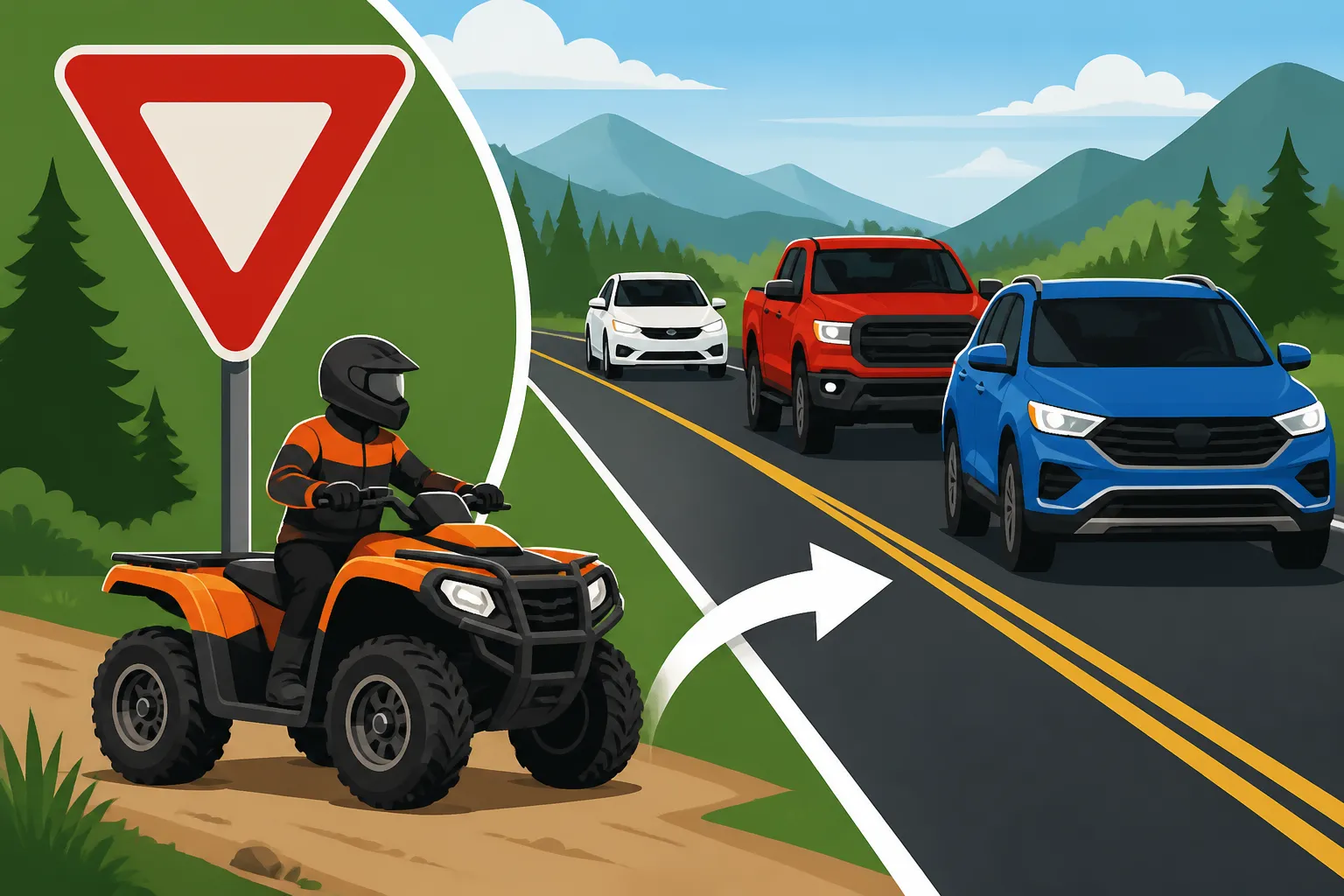
- Slow Down Gradually: Don't slam on the brakes. Reduce your speed smoothly and pull to the far right side of the road, or onto the shoulder, coming to a complete stop if necessary. The goal is to get as far out of the travel lane as possible. [Pulling Over for a Log Truck] on a narrow road in the North Country is a perfect example of this.
- Wait for Them to Pass: Allow the conventional vehicle to pass completely before re-entering the roadway. Make eye contact if possible and offer a friendly wave. This small gesture goes a long way in building positive relations.
Signaling Your Intentions
Clear communication is paramount when sharing the road. While many modern side-by-sides come with factory turn signals, not all ATVs or older UTVs do. If your machine isn't equipped with electronic signals, it's essential to use clear, unambiguous hand signals. Just like when riding a bicycle, knowing and using standard hand signals for turning and stopping ensures that other drivers understand your intentions.
A left turn is indicated by extending your left arm straight out. A right turn is extending your left arm up at a 90-degree angle, or your right arm straight out. Stopping or slowing down is indicated by extending your left arm down at a 90-degree angle. Practice these signals so they become second nature. If you’re serious about road riding, investing in a SuperATV turn signal kit can significantly enhance your safety and communication, making your presence and intentions much clearer to conventional vehicle operators. Regardless of whether you have electronic or hand signals, always make your intentions clear well in advance of any maneuver.
Common Scenarios Requiring a Yield
New Hampshire's diverse terrain and open road network present a variety of situations where yielding is not just a good idea, but essential. Being prepared for these common scenarios can make all the difference.
Intersections and Blind Corners
These are arguably the most dangerous places for OHRV riders on public roads. Intersections inherently have crossing traffic, and blind corners limit your sightlines and give you less time to react. When approaching an intersection, always assume there might be oncoming or crossing traffic. Slow down significantly, look both ways thoroughly, and be prepared to stop completely. At a "T" intersection or a four-way stop, yield to all conventional traffic according to the posted signs or general right-of-way rules.
For blind corners, reduce your speed to a crawl, stay as far right as possible, and be ready to stop if another vehicle suddenly appears. The sound of an approaching conventional vehicle, even if unseen, should trigger an immediate reduction in speed and a readiness to yield. Remember, the visibility limitations affect all road users, so it's best to err on the side of extreme caution.
Narrow Paved or Gravel Roads
Many of New Hampshire's scenic backroads that are open to OHRVs are narrow, whether they're paved or gravel. These roads often lack wide shoulders, making it challenging for two vehicles to pass comfortably, especially if one is an OHRV. When you encounter oncoming conventional traffic on such a road, it's almost always the OHRV's responsibility to pull over and yield. Look for the widest spot available, slow to a stop, and allow the other vehicle to pass.
If the road is gravel, be mindful of dust clouds. Your OHRV can kick up a lot of dust, which can obscure visibility for the oncoming driver. Pulling over to the side and letting the dust settle before you proceed is a courteous and safe practice. Roads adjacent to sections of [The Ammonoosuc Valley Rail Trail in New Hampshire] might be good examples of these kinds of narrow passages.
Encountering Faster-Moving Traffic
It's common to find yourself on a designated OHRV road where conventional vehicles are moving at a higher speed limit. Whether a car is approaching from behind or coming at you, faster-moving traffic requires your attention.
If a conventional vehicle is behind you and wants to pass, use your mirrors to monitor their approach. Signal your intention to pull over to the right and slow down, allowing them ample space to safely overtake you. Never try to race or block them; this is not only dangerous but also incredibly discourteous.
For oncoming faster traffic, assess the situation. If the road is wide enough for comfortable passing, maintain your position on the far right. If the road is narrow, or if you feel the situation is becoming unsafe, it's always best to slow down, pull over to the right shoulder, and stop until the oncoming vehicle has passed. Your safety and the safety of others always come first. [Why New Hampshire Riders Keep to the Extreme Right] is a vital instruction for exactly these scenarios.
Special Considerations: Pedestrians and Bicycles
While all conventional vehicles require yielding, pedestrians and bicyclists demand an even higher degree of caution and respect. They have no protective shell around them and are extremely vulnerable to even minor contact. When you see pedestrians or cyclists, slow down dramatically, give them a wide berth, and be prepared to stop completely if necessary.
Often, these individuals might be enjoying a walk or ride on the shoulder or even a shared-use path adjacent to the road. Assume they might not hear your OHRV approaching, especially if they're wearing headphones. Make eye contact, offer a friendly wave, and pass them at a very slow, controlled speed. Creating a safe and pleasant experience for these most vulnerable road users demonstrates the highest level of responsibility from the OHRV community.
The Consequences of Failing to Yield
Ignoring the imperative to yield on New Hampshire's public roads carries serious repercussions, affecting not only individual riders but the entire OHRV community and the future of trail access.
Safety Risks and Accident Liability
The most immediate and severe consequence of failing to yield is the increased risk of an accident. Collisions between OHRVs and conventional vehicles can be devastating, given the disparity in size and protection. For the OHRV rider, injuries can be severe, even fatal. For occupants of the conventional vehicle, while often less injured, there's still a risk, and the psychological impact can be significant.
Beyond personal harm, failing to yield can lead to substantial legal and financial liability. If you're deemed at fault in an accident, you could be responsible for property damage to both vehicles, medical bills for injured parties, lost wages, and pain and suffering. This can result in astronomical costs, even if you have insurance. The legal process can be long, stressful, and financially ruinous. Always prioritize safety to avoid these tragic outcomes.
Fines and Legal Penalties
New Hampshire law takes traffic violations seriously, and failure to yield is no exception. If a law enforcement officer observes you failing to yield appropriately on a designated public road, you can expect to receive a citation. [New Hampshire Fines for an OHRV Violation] can range from moderate to substantial, depending on the severity of the infraction and whether it contributed to a dangerous situation.
Beyond the monetary fine, traffic violations can result in points being added to your driving record, which could impact your auto insurance rates. For some violations, repeated offenses or extremely dangerous behavior could even lead to a suspension of your OHRV registration or operating privileges. It’s simply not worth the risk to save a few seconds by not yielding.
Impact on OHRV Access and Community Relations
Perhaps one of the most significant, yet often overlooked, consequences is the damage done to the collective reputation of OHRV riders and the very access we cherish. When towns decide to open roads for OHRV use, they do so with a leap of faith, trusting that riders will be responsible stewards of this privilege. Each incident of an OHRV rider failing to yield—or worse, causing an accident—can reignite debates among town residents and select boards about whether OHRV access is truly beneficial or too dangerous.
A few irresponsible actions can quickly lead to public outcry, potentially resulting in towns revoking their OHRV road designations. This doesn't just affect the individual rider; it affects every single OHRV enthusiast who relies on those connecting roads to enjoy the trails. Preserving [New Hampshire's Club Trail Network] and the ability to ride to fuel and food depends heavily on our collective commitment to safe and courteous behavior, with yielding being a cornerstone of that commitment.
Equipment and Mindset for Safe Road Riding
Safe road riding on an OHRV in New Hampshire is a combination of having the right equipment, adopting a responsible mindset, and committing to continuous learning. It’s about being prepared for anything the road throws your way.
Essential OHRV Equipment for Road Use
Before you even think about hitting a designated town road, ensure your OHRV is properly equipped for the task. The state has specific requirements for road-legal operation, which typically include:
- Lights: Headlights, taillights, and brake lights are non-negotiable, especially if you plan to ride at dawn, dusk, or in inclement weather. Make sure they are fully functional and visible.
- Mirrors: At least one rearview mirror is often required, usually on the left side, to give you a clear view of traffic approaching from behind. A quality mirror, such as a SuperATV rearview mirror, provides better visibility and durability for OHRV use.
- Tires: While knobby off-road tires are great for mud and rocks, they can be less stable and wear faster on pavement. If you frequently ride roads, consider a more road-friendly tire option that still offers good off-road performance.
- Horn: A working horn is crucial for alerting other road users to your presence if needed.
- Spark Arrester: While not directly for yielding, a USFS-approved spark arrester is legally required to prevent wildfires and ensures your machine is trail-legal.
Regularly inspect all this equipment to ensure it’s in top working order before every ride.
Rider Preparedness and Awareness
Beyond the machine itself, your own preparedness and mindset are paramount. This means:
- Proper Gear: Always wear a helmet, even if you’re an adult and not legally required to on certain roads (though it's highly recommended). Eye protection, gloves, and sturdy footwear are also essential. Remember [New Hampshire Helmet Law for OHRV Riders].
- Mental Focus: Riding on roads requires a different kind of focus than trail riding. You need to be constantly vigilant, anticipating other traffic and road conditions. Avoid distractions like loud music or excessive conversation.
- Sobriety: Never operate an OHRV under the influence of alcohol or drugs, especially on public roads. The consequences are severe and simply not worth it.
- Fatigue Management: Long rides can be exhausting. Recognize the signs of fatigue and take breaks when needed to maintain sharp reflexes and decision-making abilities.
Continuous Learning and Respect for the Rules
The world of OHRV riding is dynamic. Regulations can change, new trails open, and old habits might need updating. Embrace continuous learning:
- Stay Informed: Keep up-to-date with New Hampshire's OHRV laws and local ordinances. The New Hampshire Fish and Game Department website is an excellent resource.
- Join a Club: OHRV clubs are fantastic for staying informed, meeting fellow riders, and understanding local trail conditions and rules. They are often the first to know about changes in road access or regulations. [Joining a New Hampshire OHVA Club] can significantly enhance your riding experience and knowledge.
- Lead by Example: Be the rider who always yields, who is courteous, and who respects the rules. Your actions influence how others perceive the OHRV community. Every time you ride safely and respectfully, you contribute to the positive image of OHRV riders in New Hampshire. By upholding these standards, we ensure that the privilege of riding our incredible machines on New Hampshire's roads and trails continues for generations to come.
Disclaimer
This article is for general informational purposes only and does not constitute professional advice. Laws, prices and regulations vary by location and change over time. Consult a qualified professional for guidance on your specific situation.