Gorham’s Open Streets
One of the biggest frustrations for off-highway recreational vehicle (OHRV) enthusiasts in New Hampshire is the constant question of where you can actually ride. We all dream of hopping on our ATV or side-by-side and heading straight from our lodging to the trails, maybe even cruising into town for a burger, without the hassle of trailering. For years, this was largely just a dream in most places across the Granite State, but thankfully, certain towns have taken the initiative to make that dream a reality. This guide dives deep into Gorham, New Hampshire, a true pioneer in opening its streets to OHRVs, exploring exactly what that means for riders, the rules you need to follow, and how to make the most of this unique opportunity.
The Dream of Riding the Streets: A Common Frustration
For many OHRV owners, the idea of driving their machine directly from their driveway or campsite into town, or linking up to a trail system without having to load up a trailer, feels like pure freedom. It's the ultimate convenience, allowing you to maximize your ride time and truly immerse yourself in the experience. But the reality in most places is far different, and that can lead to a lot of confusion and disappointment.
Why Most New Hampshire Roads Are Off-Limits
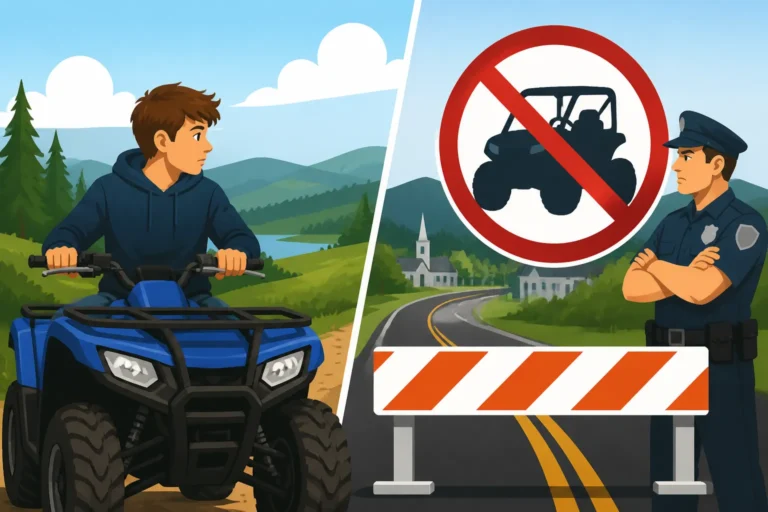
It’s a stark truth in New Hampshire: most public roads are closed to OHRVs by default. The state statutes are clear on this: if a road isn't specifically designated and marked for OHRV use, then it's off-limits. This can be incredibly frustrating for riders who see a short stretch of pavement as the perfect connector between two fantastic trail systems, or who just want to grab a coffee in the village. You're left constantly checking maps, looking for signage, and often having to trailer your machine for just a few miles of road travel. It feels like an unnecessary barrier when all you want to do is explore.
This default closure stems from a combination of safety concerns, local community impact, and the sheer volume of different vehicle types sharing the road. Imagine the chaos if every OHRV could just zip down any street! So, while it's frustrating, the intent behind these rules is to maintain order and safety. However, for the responsible rider who simply wants a little more convenience, it can feel like you're being punished for the actions of a few. The quest for accessible riding often means endless research into [Where New Hampshire Allows OHRVs on Roads], hoping to find those rare exceptions.
The "Street Legal" Myth and What It Really Means
Another huge source of confusion revolves around the term "street legal." Many riders, especially those coming from other states, hear this term and immediately think of equipping their ATV or UTV with turn signals, mirrors, and a horn, expecting that this makes it permissible to ride anywhere. Unfortunately, in New Hampshire, it's not that simple, and the "street legal" concept as applied to traditional on-road vehicles doesn't directly translate to OHRVs. Our state doesn't have a specific "street legal" designation for ATVs or UTVs that allows them to roam freely on any public road like a car or motorcycle.
Instead, New Hampshire operates on a system of specific, designated allowances. An OHRV is only permitted on certain public roads if that road has been explicitly opened for OHRV use by the local municipality, typically through a vote by the selectboard or city council. Even then, there are often specific conditions attached, such as speed limits, times of day, and the precise sections of road that are open. So, while having the right equipment is definitely important for any road riding – and we'll get to that – simply adding accessories, even from reputable brands like SuperATV, won't magically make your machine "street legal" everywhere. It’s a road-by-road, town-by-town decision, which is why places like Gorham are so special.
Gorham, New Hampshire: A Beacon for OHRV Enthusiasts
Amidst the general restrictions, Gorham stands out as a shining example of a community that has embraced OHRV tourism and integrated it seamlessly into its town fabric. For riders, it's a game-changer, offering a level of convenience and access that is hard to find elsewhere in the state.
How Gorham Became an OHRV-Friendly Town
Gorham's transformation into an OHRV-friendly town wasn't an overnight decision; it was a deliberate, community-driven process. The town, recognizing the economic potential that OHRV tourism could bring, worked diligently to navigate the state's legal framework for opening roads. This involved a series of public hearings, detailed discussions with residents and businesses, and a formal vote by the town's selectboard. They understood that by creating clear, well-defined rules and designated routes, they could attract riders while minimizing disruption to local life.
The decision to open certain streets was part of a larger strategy to connect Gorham directly to the expansive [Ride the Wilds in Coos County] trail system. This foresight has allowed riders to use Gorham as a staging point, a fuel stop, and a place for meals and lodging, without ever having to unhook a trailer once they arrive. It demonstrated a real commitment from the town to support the OHRV community, understanding that convenience for riders translates directly into economic benefit for local businesses. It's a fantastic model for other towns to consider, showing that with careful planning and community buy-in, it's entirely possible to create a mutually beneficial environment.
The Freedom of Riding to Lunch
Imagine this: you've just spent a fantastic morning out on the trails, exploring the rugged beauty of the White Mountains. Your stomach is rumbling, and instead of having to trailer your muddy machine back to a camp, unload it, drive your truck into town, and then repeat the process to get back on the trails, you simply ride your OHRV directly into Gorham. You park it responsibly, walk into a local eatery, enjoy a delicious lunch, maybe even pick up some supplies, and then hop back on your machine to continue your adventure. This isn't a fantasy in Gorham; it's an everyday reality for many riders.
This ability to seamlessly transition from trail to town and back again is what makes Gorham truly unique. It transforms the OHRV experience from something that often feels isolated to something integrated into the broader community. Riders can fuel up, grab a snack, or even stay overnight at a local inn, all while keeping their OHRV at the ready. It fosters a sense of freedom and convenience that drastically enhances the overall trip. It's not just about saving time; it's about enriching the entire experience by making the town an active part of your riding adventure.
Navigating Gorham's Open Streets: Rules and Expectations
While Gorham welcomes OHRVs, it's crucial to remember that this privilege comes with responsibilities. Riding on town streets means adhering to specific rules designed to ensure the safety of all road users and maintain good relations between riders and residents. Ignoring these rules could jeopardize the continued access that the town has worked so hard to establish.
Designated OHRV Routes and Signage
Not every street in Gorham is open to OHRVs. The town has specific designated routes that connect the major trail systems to key services within the village, like gas stations, restaurants, and lodging. It's absolutely vital that riders stick to these marked routes. You'll typically see clear signage indicating where OHRVs are allowed, often with directional arrows or symbols. Think of it like following trail markers – you wouldn't go off-trail, so don't go off the designated OHRV road route.
These routes are carefully chosen to minimize impact on residential areas and high-traffic zones. Disregarding the signage not only risks a fine but also damages the reputation of the OHRV community as a whole. Always be on the lookout for signs when you enter town and when you're navigating through its streets. If you're unsure, assume the street is closed to OHRVs. This careful designation is what makes [Riding Routes 2 and 16 Through Gorham] possible and manageable for everyone. Familiarize yourself with a town map that clearly outlines these permitted routes before you even start your engine.
Speed Limits and Safe Riding Practices
When you're transitioning from the open trails to town streets, your riding mentality needs to shift significantly. Speed limits within Gorham's designated OHRV routes are strictly enforced and are often much lower than on the trails. For instance, the general rule of thumb when approaching and riding through town is often around 25 mph, but this can drop to 10 mph in specific areas, especially near trail entrances, parking lots, or residential zones. This is not the place to test your machine's acceleration or practice wheelies. Remember, you're sharing the road with cars, pedestrians, and cyclists, so extreme caution is paramount.
Always ride on the extreme right-hand side of the travel lane, yielding to all conventional vehicles. Be mindful of pedestrians, especially children and pets, and maintain a safe following distance from other vehicles. Use hand signals or turn signals (if equipped) well in advance of turns, and always come to a complete stop at stop signs and traffic lights. The goal is to be as predictable and courteous as possible. Gorham's desire to keep its streets open depends heavily on OHRV operators demonstrating responsible and safe riding practices. An understanding of [Gorham's 25 mph Trail Limit] helps set the stage, but town streets demand an even higher level of vigilance.
Equipment Requirements for Street Riding
Riding on town streets means your OHRV needs to meet certain equipment standards, going beyond what might be acceptable for a remote trail ride. While New Hampshire doesn't require OHRVs to be fully "street legal" in the same way a car is, there are specific items you must have for any road use. This includes working headlights and taillights, especially if you plan to ride near dusk or dawn. A rear-view mirror is also typically required for road sections, providing you with crucial visibility of traffic behind you.
Furthermore, a properly functioning spark arrester is non-negotiable, always, but especially in areas where you're near buildings or dry vegetation. Good brakes are essential, as are tires in good condition. While not always strictly mandated for all OHRV road use, having features like turn signals can significantly improve your safety and communication with other drivers. Many riders opt for aftermarket accessories, perhaps from a brand like SuperATV, to ensure their machine is well-equipped for these dual-purpose rides, enhancing both safety and compliance. Always check the current [New Hampshire Equipment Rules for Road Riding] before heading out.
Planning Your Gorham OHRV Adventure
Gorham isn't just a place to ride through; it's a destination. Proper planning will ensure you make the most of your visit, enjoying both the trails and the conveniences the town has to offer.
Connecting to the Wider Trail System
One of Gorham's greatest strengths is its strategic location as a gateway to some of New Hampshire's most extensive and scenic OHRV trail networks. The town's open streets act as a crucial artery, linking riders directly from local accommodations and amenities to the vast expanse of the Ride the Wilds trail system in Coos County. This means you can roll out of your motel parking lot, grab breakfast, and be on a major club trail within minutes, without the headache of trailering.
This seamless connection is invaluable, particularly for those planning multi-day adventures. From Gorham, you can easily access trails leading north towards Errol, west towards Berlin and Jericho Mountain State Park, or venture deeper into the White Mountain National Forest's permitted OHRV corridors. Many clubs, like the Presidential OHRV Club, maintain and groom these interconnected trails, offering hundreds of miles of diverse terrain. Always have a current map of the interconnected trail systems and Gorham's designated routes, which can often be found at local businesses or online, ensuring you can maximize your riding time and explore without interruption.
Parking, Fuel, and Amenities in Town
Gorham has embraced OHRV riders, and that's evident in the availability of services tailored to their needs. When it comes to parking, many lodging establishments and designated public areas, such as the [Parking at the Eastern Depot in Gorham], offer ample space for trucks with trailers, allowing you to stage your machine and then ride into town. If you're coming directly from a trail, there are often specific parking areas for OHRVs within the downtown core, usually well-marked. Always look for signage indicating OHRV-specific parking, and avoid blocking fire lanes or private entrances.
Fuel is readily available at several gas stations right in town, making it easy to top off your tank before or after a long ride. You'll also find a variety of restaurants, from casual diners to more upscale options, where you can enjoy a meal without changing out of your riding gear. Local shops offer everything from snacks and drinks to basic supplies and even OHRV accessories. Take advantage of these amenities – supporting local businesses helps ensure Gorham continues to be an OHRV-friendly destination.
Understanding Gorham's Curfew and Restrictions
While Gorham offers incredible access, it's important to be aware that the open street designation often comes with specific time restrictions or curfews. Towns like Gorham aim to balance rider access with the peace and quiet of its residents. For instance, some towns have a "ten o'clock closing" rule, meaning OHRVs are not permitted on town streets after a certain hour, perhaps 10 PM. This is particularly common in residential areas to prevent noise disturbances late at night.
Always check the specific local ordinances for Gorham, as these details can change or vary. These restrictions are in place for a reason, and respecting them is key to maintaining positive relations within the community. Riding outside of designated hours or on non-permitted streets not only risks a fine but also fuels negative perceptions of OHRV riders, potentially jeopardizing the very access we cherish. Be a good neighbor, plan your in-town trips accordingly, and make sure your ride is as quiet as possible.
Beyond Gorham: Other OHRV-Friendly Towns and What to Expect
Gorham might be a leader, but it's not the only town in New Hampshire that has taken steps to welcome OHRVs onto its streets. However, each town's approach and the specific rules can differ significantly.
Berlin and Other Northern Gems
Just a short ride from Gorham, Berlin, New Hampshire, is another excellent example of a town that has embraced OHRVs, opening some of its streets to connect riders to the Jericho Mountain State Park trails and the wider Coos County network. Like Gorham, Berlin allows riders to access gas, food, and lodging directly from their OHRVs, providing another valuable hub for extended riding trips. [New Hampshire Towns That Allow OHRVs on Roads] are becoming more common, but each one has its own nuances.
However, it's vital to recognize that while the concept of open streets is similar, the details often vary. Berlin, for example, might have different specific speed limits on certain roads, a different curfew, or different designated routes compared to Gorham. You might find that [Berlin's Ten O'Clock Closing] is a general rule, but the specific roads it applies to, or how it's enforced, could differ. Always do your homework for each individual town you plan to visit. Don't assume that Gorham's rules automatically apply to Berlin, Pittsburg, or any other OHRV-friendly community. Always look for local signage and consult town maps.
The Process for Other Towns to Open Roads
The reason more towns aren't immediately OHRV-friendly boils down to a significant administrative and public process. It's not as simple as flipping a switch. To designate a public road for OHRV use, a town's selectboard or city council must hold public hearings, provide ample notice to residents (especially those whose property abuts the proposed routes), and ultimately vote on the matter. This process is designed to ensure that all community concerns, from noise and safety to environmental impact and traffic flow, are thoroughly addressed.
This means that expanding the network of OHRV-friendly towns requires significant local effort, advocacy from OHRV clubs, and a willingness from town officials to consider the economic benefits. It's a testament to the hard work of local clubs and dedicated individuals in places like Gorham that these routes exist at all. As riders, understanding this process helps us appreciate the privilege of access and underscores the importance of responsible riding to maintain these hard-won permissions. It also explains why so many communities still default to the state's general closure rule.
Essential Considerations for Street Riding in New Hampshire
Beyond the specific town rules, there are overarching state-level requirements and general best practices that every OHRV rider needs to keep in mind when venturing onto any public road in New Hampshire.
Registration, Safety Certificates, and Age Requirements
Before your tires even touch pavement, or dirt, you must ensure your OHRV is properly registered in New Hampshire. This is a non-negotiable requirement for riding on any public land, including designated town roads and club trails. The [New Hampshire OHRV Registration Cost] varies based on residency and whether you're a club member, but it's an essential sticker to have. Your registration money goes directly back into maintaining the trails, which is a great incentive to stay compliant.
Furthermore, state law dictates specific age requirements and safety education mandates. For instance, riders aged 12 and older must possess a valid OHRV Safety Certificate to operate a machine on public lands. While a valid motor vehicle driver's license can often substitute for this certificate for adults, it's crucial to understand [New Hampshire's Age and Supervision Rules] and the [New Hampshire Safety Certificate Minimum Age] for younger riders. Riding an OHRV on a public road without proper registration or an appropriate safety certificate can lead to significant fines and penalties. Always carry your registration certificate and safety certificate (or driver's license) with you while riding.
| Requirement/Rule | General NH OHRV Rule (Trails) | NH Designated Road Rule (e.g., Gorham) |
|---|---|---|
| Registration | Required for public land/trails | Required, same as trails |
| Safety Certificate | Required for riders 12+ (or valid driver's license 18+) | Required for riders 12+ (or valid driver's license 18+) |
| Age for Riding | Varies by age, supervision often required for minors | Same as trails, but licensed adult supervision particularly critical on roads |
| Speed Limit | Typically 35 mph on trails, 20 mph near buildings, etc. | Often 25 mph, sometimes 10 mph in town, strictly enforced |
| Lane Position | Varies, follow trail | Extreme right of travel lane |
| Yielding | To hikers, horses, other OHRVs | To all conventional vehicles, pedestrians, cyclists |
| Headlights/Taillights | Required after dark | Required after dark and often during daylight hours on roads |
| Rear-View Mirror | Not typically required for trail use | Required for most OHRV road use |
| Spark Arrester | Required at all times | Required at all times |
| Curfew | None on most trails (respect private land) | Common for town roads (e.g., 10 PM), check local ordinances |
| Designated Routes | Follow marked trails | Must stay on clearly signed, designated OHRV routes within town |
Insurance and Liability
One aspect that often surprises new riders to New Hampshire is that the state does not mandate OHRV insurance. Unlike cars, there's no state law requiring you to carry liability insurance on your ATV or UTV. However, this lack of mandatory insurance does not absolve you of responsibility for damages or injuries you might cause. If you're involved in an accident on a town street, or anywhere else, and you are found to be at fault, you are personally liable for any resulting property damage or medical expenses.
This is a critical point to consider, especially when riding on shared public roads. An accident involving a car or a pedestrian can result in significant financial consequences. Therefore, while not required by law, it is highly, highly recommended that you carry adequate liability insurance for your OHRV. Many homeowner's policies offer OHRV riders, or you can purchase a separate policy. It’s a small investment for peace of mind and protection against potentially devastating financial losses. Don't let the absence of a state mandate lull you into a false sense of security; protect yourself and others.
Respecting Residents and Shared Spaces
Ultimately, the continued success and expansion of OHRV-friendly initiatives like Gorham's open streets depend heavily on the behavior of riders. Every time you ride through town, you are representing the entire OHRV community. Loud exhausts, excessive speed, reckless riding, or disrespect for residents and other road users can quickly erode public support and lead to stricter regulations or even the closure of access.
Always be courteous. Slow down and wave to pedestrians. Pull over to the side of the road to allow conventional vehicles to pass if you are holding up traffic. Keep your machine's exhaust in good working order to minimize noise. Avoid riding through puddles unnecessarily to spray passersby. Remember that these are shared spaces, and maintaining a positive relationship with the local community is paramount. By demonstrating respect and responsible behavior, you help ensure that the unique access offered by towns like Gorham remains open for generations of riders to come. When you're riding [Main Street in Gorham] or taking [Riding Route 16 Through Town], you're a guest, and guests should always be polite.
Disclaimer
This article is for general informational purposes only and does not constitute professional advice. Laws, prices and regulations vary by location and change over time. Consult a qualified professional for guidance on your specific situation.