Ordering Replacement New Hampshire Decals
It’s incredibly frustrating when you’re all set for a ride, only to notice that one of your essential New Hampshire OHRV decals has gone missing, faded beyond recognition, or suffered an unfortunate run-in with a low-hanging branch. Not only does it leave you wondering if you're even legal to ride, but it also creates an extra chore you didn't anticipate. This guide will walk you through the process of ordering replacement decals for your ATV or UTV in New Hampshire, ensuring you know exactly what to do to get back on the trails with confidence.
The Frustration of a Missing Decal and Why It Matters
Let's face it, OHRV decals sometimes seem like an afterthought until one is gone. But in New Hampshire, these small stickers carry a lot of weight. They're not just decorative; they're your immediate visual proof of registration, and without them, you could find yourself in a sticky situation with trail monitors or law enforcement.
The Importance of Visible Decals for Compliance
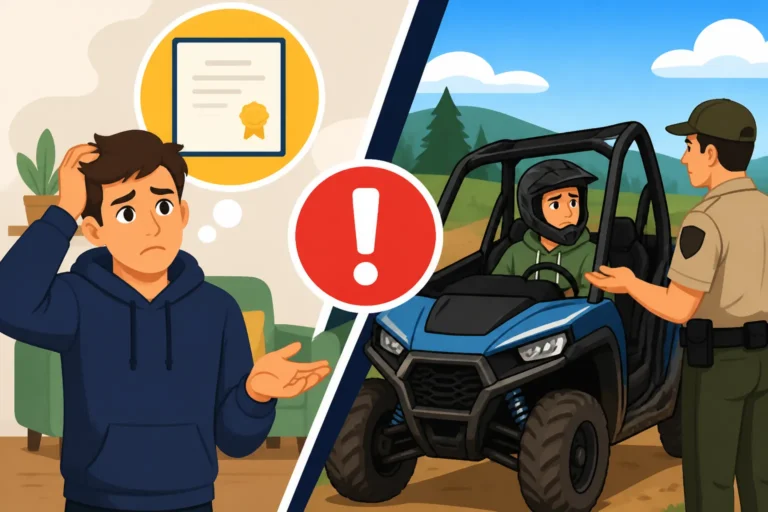
Picture this: you're out enjoying a beautiful autumn day on the trails near Gorham, New Hampshire. You've got your machine registered, you’re following all the rules, and then you pull into a staging area. A New Hampshire Fish and Game officer is doing routine checks, and they walk right up to your machine. The first thing they'll look for are those brightly colored decals. If they're missing, peeling, or completely unreadable, it raises immediate questions. These decals serve as a quick visual confirmation that your OHRV is legally registered for the current season. Without clear, properly displayed decals, it can be challenging to quickly demonstrate compliance, potentially leading to delays, questioning, or even a citation, even if your actual registration certificate is perfectly valid. It's truly annoying when winter weather or simply years of sun exposure peels the decal off your machine, creating this unnecessary hassle. [When Winter Peels the Decal Off Your Machine]
Common Reasons You Might Need Replacements
Life happens, and sometimes those sturdy decals take a beating. There are a handful of common reasons why riders find themselves needing replacement decals. Often, it's just good old wear and tear from exposure to the elements – sun fades them, mud obscures them, and branches on tight trails love to snag and rip them. Sometimes, machines get cleaned a little too enthusiastically, and a powerful spray washer or harsh cleaner can lift an edge and send a decal flying. Less commonly, but certainly not unheard of, you might be dealing with theft or vandalism, where decals are intentionally removed or damaged. Even when buying a used machine, if the previous owner's decals were in rough shape and you've completed your [New Hampshire OHRV Registration for a Side-by-Side] or ATV, you might want fresh ones to proudly display your new registration. In any of these scenarios, knowing the correct procedure for ordering replacements is key to avoiding issues.
How to Order Your New Hampshire Replacement Decals
The process for getting new decals is thankfully pretty straightforward, though it does require a bit of official paperwork. The New Hampshire Fish and Game Department is the central hub for all things OHRV registration, including replacements.
The Official Process Through NH Fish and Game
When it comes to official replacements for your New Hampshire OHRV decals, the New Hampshire Fish and Game Department is your go-to authority. You'll generally need to fill out a specific request form for replacement decals. This form will ask for critical information about your machine and its current registration. Expect to provide details like your name, address, phone number, the type of OHRV (ATV, UTV, trail bike), the machine's VIN (Vehicle Identification Number), and, most importantly, your existing New Hampshire OHRV registration number. This ensures they can verify your ownership and current registration status before issuing new decals. There is typically a small administrative fee associated with ordering replacements, which helps cover the cost of processing and mailing. It's always a good idea to check the official NH Fish and Game website or give them a call for the most current fee amount before you send in your request. They want to make sure you have what you need to ride legally. You can find detailed instructions and the relevant form for [Replacing Lost New Hampshire Decals] on their site.
The Role of Town Clerks and Dealers in Replacements
While your local town clerk or a powersports dealer can be incredibly helpful for initial registrations or [Renewing a New Hampshire OHRV Registration], they typically do not have the ability to print or issue replacement decals on the spot. Their systems are usually set up for new registrations and renewals that involve issuing a completely new registration package. Replacement decals are often a centralized function handled directly by the New Hampshire Fish and Game Department to maintain strict control over their issuance and to ensure accurate records. So, if you pop into your town office hoping for a quick reprint, you might be gently redirected to the state's Fish and Game OHRV registration office. This isn't because they don't want to help, but simply due to how the process is structured at the state level. When you're thinking about [Where to Register an OHRV in New Hampshire], remember that replacements are a slightly different animal.
What to Expect: Processing Time and Delivery
After you've submitted your request and paid any necessary fees, the waiting game begins. The New Hampshire Fish and Game Department will process your request, which involves verifying your registration information. Once approved, your new decals will be mailed to the address you provided. While it's hard to give an exact timeframe, you should generally expect a few business days for processing plus standard mail delivery time. It's not an instant gratification kind of situation, so if you're planning a big ride soon, try to order them as far in advance as possible. There isn't an option for expedited, on-the-spot pickup for replacement decals at a local counter. Patience is key here, but rest assured, they will arrive, allowing you to properly display your updated registration.
What to Do While You Wait for Your New Decals
A missing decal doesn't mean you can't ride, but it does mean you need to be extra prepared. The most important thing is to be able to prove that your machine is, in fact, registered, even if the visual proof isn't readily apparent.
Carrying Proof of Registration
This is absolutely crucial. Even if your decals are missing, faded, or completely torn off, your actual [New Hampshire's Printed Certificate and Two Decals] (the paper certificate) is your ultimate proof of valid registration. While you're waiting for your replacements to arrive, always, always carry this certificate with you when you ride. Keep it in a waterproof baggie in your glove box, a secure pocket, or even a backpack. If you're stopped by a Fish and Game officer or a local police officer, presenting your physical registration certificate immediately clarifies your legal status. It shows you've done your part, even if the decals themselves have succumbed to the rigors of the trail. Imagine being pulled over; without decals, the first question will be about your registration. Having that certificate in hand can save you a lot of potential hassle and misunderstanding.
Avoiding Fines for an Unregistered OHRV (Even if Registered)
It’s important to understand the distinction: you’re not riding an unregistered OHRV if your decals are missing but you have a valid paper certificate. You are, however, riding with improperly displayed registration. While the latter is less severe than being completely unregistered, it can still lead to questions or even a warning. However, if you can immediately present your valid, current registration certificate, it usually resolves the situation quickly. The purpose of the decals is to make roadside identification easy. If they're not there, the officer has to spend more time verifying your status. Carrying your paper certificate is your best defense against any confusion or potential fines associated with appearing to be unregistered. Having that documentation on hand demonstrates your intent to comply and proves your machine is indeed legal. [New Hampshire Fines for an Unregistered OHRV] are a real thing, so protecting yourself with proper documentation is always the smartest move.
Best Practices for Decal Care and Prevention
Once you get those shiny new replacement decals, you'll want to make them last. A little care goes a long way in protecting your investment and saving you the hassle of ordering replacements again down the road.
Proper Application and Placement for Longevity
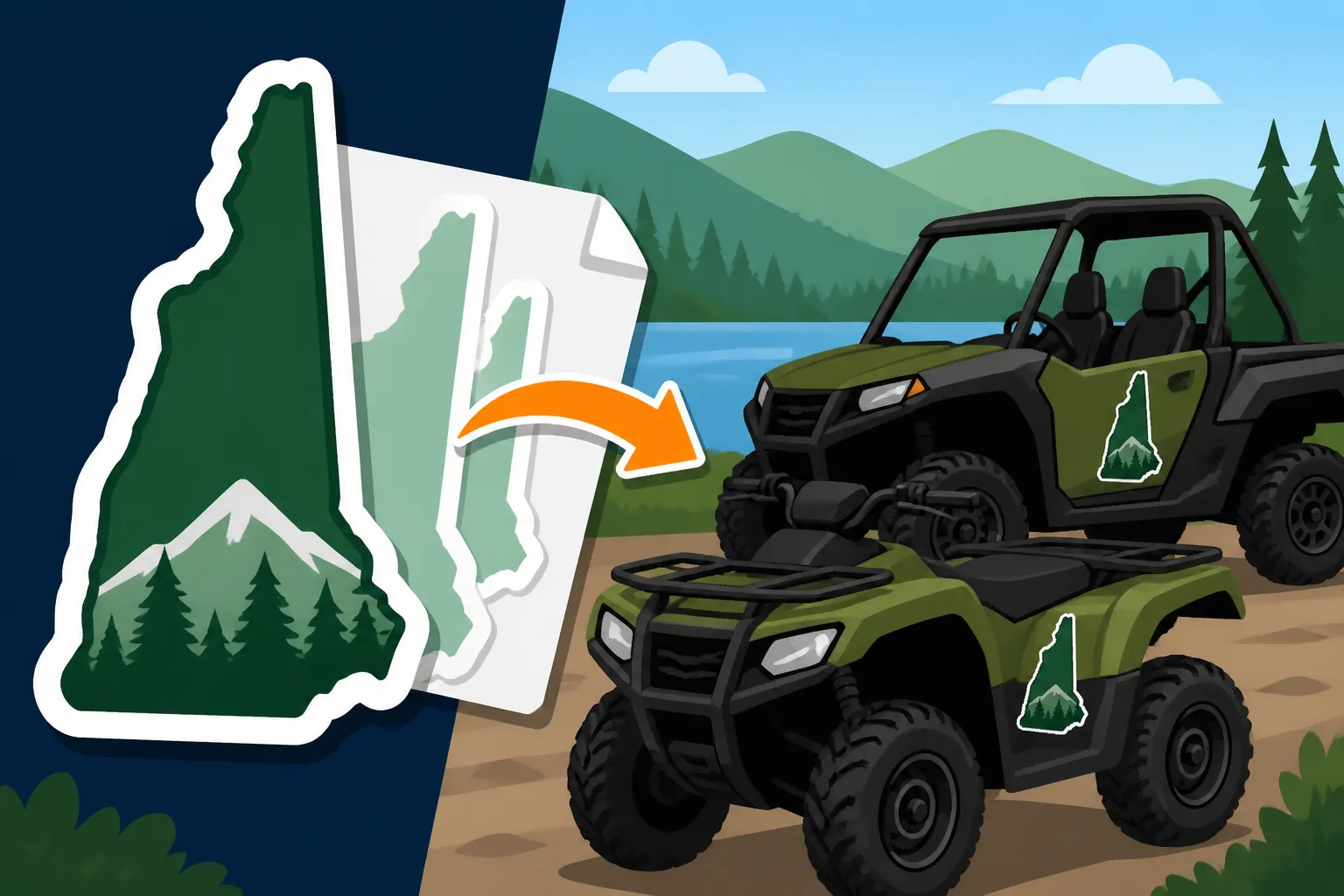
When your new decals arrive, how you apply them makes a big difference in their lifespan. First things first, make sure the surface where the decal will go is absolutely clean and dry. Any dirt, grease, or moisture will prevent the adhesive from bonding properly, making your decal susceptible to peeling. Use an alcohol wipe or a degreaser to prepare the area, then let it dry completely. Apply the decal slowly and carefully, smoothing out any air bubbles as you go. You want a firm, even contact across the entire decal. The [New Hampshire OHRV Decal Placement] rules dictate specific areas, typically on the front fender or side cowl where they are clearly visible. Following these guidelines and ensuring a meticulous application will help them adhere strongly and withstand the elements much better.
Protecting Your Decals from the Elements
New Hampshire weather can be tough on OHRVs, and decals are no exception. To prolong their life, consider where and how you store your machine. If possible, keep your OHRV garaged or under a protective cover when not in use. This shields the decals from direct sunlight, which causes fading, and harsh winter conditions that can make them brittle and prone to peeling. When cleaning your machine, avoid directing high-pressure spray directly at the edges of the decals, as this can lift them. Use gentle cleaners and soft cloths. Being mindful of these practices will greatly extend the life of your decals, minimizing the need for frequent replacements. Remember how annoying it is when winter peels the decal off your machine? A little proactive care can prevent that frustration.
The Bigger Picture: Maintaining Your OHRV Registration
Replacement decals are just one part of keeping your OHRV legal and ready for the trails. The broader picture involves ensuring your registration itself is always current. New Hampshire registrations typically follow a May-to-April cycle, so you'll need to remember [Renewing a New Hampshire OHRV Registration] annually. It’s also crucial to keep your contact information up to date with the New Hampshire Fish and Game Department, so you don't miss any important notices. Whether you're dealing with initial registration, transferring ownership (and potentially needing a [New Hampshire ATV Bill of Sale Requirements] document, which services like LawDepot can assist with), or simply maintaining your existing machine, staying on top of the administrative side of OHRV ownership is key. The [New Hampshire Fish and Game and OHRVs] work to ensure trails are maintained and safe, and your registration fees contribute directly to that. Taking these steps ensures you're always good to go, whether you're buying a used ATV in New Hampshire or riding one you've owned for years.
Disclaimer
This article is for general informational purposes only and does not constitute professional advice. Laws, prices and regulations vary by location and change over time. Consult a qualified professional for guidance on your specific situation.