Registering a Lodge’s Machines in New Hampshire
Running a lodge in New Hampshire, especially one that offers guests the thrill of exploring our beautiful trails on ATVs and UTVs, comes with a unique set of challenges. One of the biggest hurdles can be navigating the seemingly complex world of OHRV registration, particularly when you're dealing with an entire fleet of machines instead of just one or two personal quads. It's not just about getting a sticker; it's about ensuring your business operates smoothly, legally, and provides a safe, enjoyable experience for your guests without unexpected headaches or fines. This guide is here to walk you through the specifics of registering a lodge's OHRV machines in New Hampshire, helping you understand the requirements and streamline the process so you can focus on what you do best: hospitality.
The Unique Registration Needs of Lodges in New Hampshire
When you operate a lodge or rental business that provides OHRVs for guest use, you're not just a recreational rider. You're a commercial entity, and that distinction brings with it a different set of considerations and responsibilities when it comes to registration in the Granite State. It’s easy to feel overwhelmed by the paperwork and regulations, especially when you're managing multiple machines that are constantly in use.
Why Commercial OHRV Registration Differs
For most private owners, registering an ATV or UTV is a fairly straightforward annual task. You get your certificate, you slap on the decals, and you're good to go. But for a lodge, the stakes are higher and the volume of work significantly greater. Your OHRVs are not just for personal enjoyment; they are revenue-generating assets that need to be consistently available, properly maintained, and above all, legally registered for use by various guests. This means tracking numerous registration renewals, managing documentation for each machine, and ensuring continuous compliance. The frustration of a machine being out of commission due to an expired registration, or worse, facing a fine because a detail was missed, is a real concern for any lodge owner.
Understanding New Hampshire's Definition of a Commercial OHRV
New Hampshire Fish and Game doesn't always have a separate "commercial" registration category with a different price structure. Instead, the distinction largely lies in the use of the machine and the associated liability and operational requirements. If your lodge offers OHRVs for rent, as part of a package, or for general guest use on trails, those machines are considered part of a commercial operation. This means you, as the business owner, are responsible for ensuring every single machine in your fleet meets all state registration and safety requirements, just as if you owned it privately. It’s critical to remember that these aren't just recreational vehicles; they are business tools. Ensuring they are always properly registered helps protect your business and your guests, and avoids the significant penalties that can come with non-compliance.
Step-by-Step Guide to Registering Your Lodge's Fleet
Registering a fleet of OHRVs can feel like a daunting task, but breaking it down into manageable steps makes the process much smoother. Organization is key when you're dealing with multiple machines, each with its own serial number, purchase date, and potentially, its own history.
Gathering Your Documentation for Multiple Machines
Before you even think about heading to a registration agent, you need to get your ducks in a row for each machine. This means having all the necessary paperwork compiled and easily accessible. For every ATV or UTV in your fleet, you'll need proof of ownership. This typically comes in the form of a bill of sale or, if you purchased it new from a dealer, a manufacturer's certificate of origin. If you've acquired used machines, having the previous owner's registration certificate can also be helpful, though the bill of sale is paramount. You’ll also need the Vehicle Identification Number (VIN) or serial number for each OHRV. This unique identifier is crucial for tracking and registration.
It’s a good idea to create a folder or digital file for each machine, containing all its specific documents. This level of organization will be a lifesaver, especially when you have a dozen or more machines. For creating standardized, legally sound documents like bills of sale, especially if you're acquiring used machines or documenting transfers within your business, resources exist. For example, a platform like LawDepot can assist in generating professional and legally compliant [New Hampshire ATV Bill of Sale Requirements] that cover all the necessary details, ensuring clear proof of ownership for each vehicle in your fleet. Having consistent, clear documentation helps avoid any questions down the line about who owns what.
Navigating the Registration Process for a Fleet
Once your paperwork is in order, it's time to register. For lodges with multiple machines, you have a few options, but registering in person is often the most practical, especially for the initial registration of a large fleet. You can visit authorized New Hampshire OHRV registration agents, which include select town clerks, certain powersports dealerships, and the New Hampshire Fish and Game Department headquarters. For a comprehensive list of places to go, check out [Where to Register an OHRV in New Hampshire].
When you go, bring all your compiled documentation for each machine. Be prepared for a bit of a wait, as processing multiple registrations takes time. Clearly communicate that you are registering a fleet for a commercial operation. Each machine will require its own registration application, and you'll pay the applicable fees for each. While the Fish and Game Department typically handles these, some town clerks might also be equipped to process multiple registrations efficiently. It's always a good idea to call ahead, especially if you have a very large number of machines, to ensure they can accommodate you and have enough staff available.
Decals, Certificates, and Record Keeping for Your Lodge
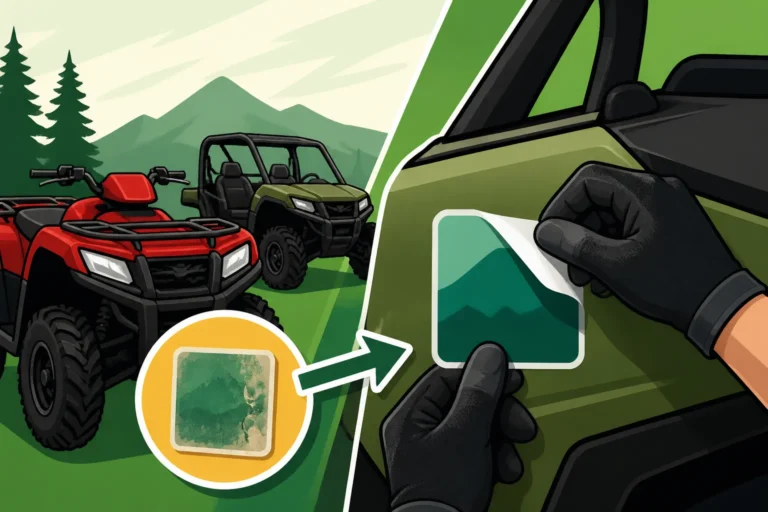
After successful registration, you'll receive a printed certificate for each OHRV and two registration decals. One decal goes on the front of the machine, and the other on the rear, typically on the left side. Proper placement is essential for visibility and compliance, and you can find more specific guidelines by looking at [New Hampshire OHRV Decal Placement].
Managing these for an entire fleet means establishing a robust record-keeping system. You'll need to know which certificate belongs to which machine and when each registration expires. A simple spreadsheet tracking the VIN, registration number, and expiration date for every OHRV can prevent a lot of headaches. It's also wise to keep copies of all certificates in a secure, central location at your lodge. While you should carry the physical certificate with you when riding, for a lodge, having a master set of copies is crucial for administrative purposes and audit trails. Regular checks of your fleet's decals are also important, as they can sometimes peel or fade, requiring you to understand how to get [Replacing Lost New Hampshire Decals]. A well-organized system ensures that every machine is always ready for your guests to enjoy, without you having to scramble for paperwork.
Important Considerations for Lodge OHRV Operations
Operating an OHRV fleet for your guests goes beyond just getting the machines registered. You have significant responsibilities regarding rider safety, legal liability, and maintaining a positive relationship with the trail system and local community. It's about providing a great experience while also safeguarding your business.
Safety Training and Guest Requirements
New Hampshire takes OHRV safety seriously, and so should your lodge. Riders aged 12 and older are required to have an approved OHRV Safety Certificate to operate an OHRV on trails, unless they hold a valid driver's license. For younger riders, or those without a license, this certificate is non-negotiable. You can read more about [New Hampshire Safety Education Requirements]. As a lodge providing machines, it is your responsibility to ensure your guests meet these requirements. This might involve verifying their driver's license or safety certificate before they ride.
For minors, the rules are even stricter. [New Hampshire Rules for Riders Under 18] outline specific age and supervision requirements, including who can ride what, and with whom. A lodge must be vigilant in enforcing these rules. Consider having a clear policy for guests regarding these requirements, perhaps even offering information on where they can take an online safety course before their visit. While you don't need to be a safety instructor, being knowledgeable and enforcing the rules protects both your guests and your business from potential incidents and liability issues.
Insurance and Liability for Commercial OHRVs
While New Hampshire does not legally mandate OHRV insurance for private recreational riders, for a commercial operation like a lodge, carrying robust insurance is not just recommended—it's absolutely essential. Your lodge is exposed to significant liability when guests are operating your machines. Accidents happen, even with the most careful riders and well-maintained equipment.
You'll need comprehensive general liability insurance that specifically covers the commercial operation of OHRVs. This typically includes coverage for property damage, bodily injury, and potentially, legal defense costs. It's crucial to consult with an insurance professional who specializes in commercial recreation or hospitality to ensure you have adequate coverage tailored to your specific operations. Furthermore, implementing clear waivers and rental agreements for your guests is another layer of protection. These documents, which might be drafted using legal template services like LawDepot, should clearly outline the risks, responsibilities of the rider, and release your lodge from certain liabilities, within legal limits. Always have these reviewed by legal counsel to ensure they are enforceable in New Hampshire.
Maintaining Compliance and Guest Experience
The job doesn't end once the machines are registered and insured. Maintaining compliance is an ongoing effort. You'll need to stay on top of your fleet's registration renewal dates, ensuring no machine is ridden on a trail with an expired sticker. You can learn more about [Renewing a New Hampshire OHRV Registration] to keep your fleet current. Riding an unregistered OHRV can lead to significant fines for your business, as outlined in [New Hampshire Fines for an Unregistered OHRV], which can quickly erode your profits and damage your reputation.
Beyond the legalities, a lodge plays a crucial role in promoting responsible riding and ensuring a positive guest experience. Provide your guests with detailed maps of approved trails, clear instructions on local rules (like speed limits in certain areas or staying on marked trails), and emphasize respect for private landowners. A well-informed guest is a safer, more compliant, and happier guest. Keeping your machines in top mechanical condition also contributes significantly to safety and guest satisfaction.
Cost Implications and Management Strategies for Lodge Fleets
When you're running a commercial OHRV operation, understanding and managing the costs associated with your fleet is paramount. It’s not just the initial purchase price; there are ongoing expenses that need to be factored into your business model.
Breaking Down the Costs of a Lodge Fleet
The most obvious cost, of course, is the registration fee for each machine. New Hampshire OHRV registration fees vary by machine type (ATV, UTV, trail bike, snowmobile) and resident status. For a lodge, you’ll typically be registering as a New Hampshire resident (if your business is based here), but these fees add up quickly when multiplied across an entire fleet. You can find detailed breakdowns of these costs, such as the [New Hampshire OHRV Registration Cost]. Additionally, remember that every single registration, regardless of the base fee, incurs an additional $2 charge that helps fund the statewide OHRV program. This is explicitly detailed in [Why $2 Is Added to Every Registration].
These are just the registration fees. Beyond that, consider the costs of maintenance, fuel, insurance, any necessary repairs, and potentially, upgrades or replacement parts. Factoring these into your budget is crucial for the financial health of your OHRV operation.
Leveraging Club Memberships for Savings
New Hampshire offers a significant discount on OHRV registration fees for individuals who are members of an approved OHRV club. For instance, [Why Club Membership Saves $30 in New Hampshire] explains that joining a club can lower your annual registration cost. As a lodge, this presents an interesting opportunity. If the owner or key staff members of the lodge become members of a New Hampshire OHRV club, they can apply that discounted rate to each machine they register. This means that for every machine in your fleet, you could potentially save a substantial amount, as outlined in [New Hampshire's Club Member Discount].
It's a smart strategy for any lodge to consider having at least one principal owner or manager join an OHRV club. The membership dues are often less than the total savings you’d get on multiple machine registrations, making it a sound investment. Plus, supporting local clubs means supporting the very trail systems your guests enjoy.
Financial Planning and Budgeting for OHRV Fleets
Effective financial planning is critical for any lodge that operates an OHRV fleet. Beyond the initial capital investment in the machines, you need to budget for annual recurring costs. Set aside funds specifically for registration renewals, which typically run on a [New Hampshire's May to April Registration Year] cycle, meaning they expire at the end of April each year regardless of when you purchased them. Also, allocate a budget for routine maintenance, unexpected repairs, and insurance premiums.
Consider the revenue generated by your OHRV rentals or packages and compare it against the total operational costs. This will give you a clear picture of profitability. A well-maintained and legally compliant fleet not only attracts more guests but also minimizes costly downtime and legal issues. Regularly review your OHRV operation's budget, track expenses diligently, and adjust your pricing or services as needed to ensure your fleet remains a valuable and sustainable part of your lodge's offerings.
Here's a quick look at key documents you'll need for registering your lodge's OHRV fleet:
| Document Type | Purpose | Key Information Included |
|---|---|---|
| Bill of Sale | Proof of ownership for each OHRV | Buyer/Seller names, date, purchase price, OHRV VIN |
| Previous Registration | Helpful for identifying OHRV details (if buying used) | Prior owner info, OHRV make/model/year, VIN, registration # |
| Manufacturer's Cert. | Proof of origin for new OHRVs (if buying new) | OHRV VIN, manufacturer details, initial owner |
| Lodge Business Info | Establishes your commercial identity | Business name, EIN, contact person for registration |
| O.H.R.V. Application | Required for each machine being registered or renewed | OHRV details, owner info, signatures |
| Proof of Club M'ship | If seeking discounted rates | Member name, club name, membership number, expiration date |
Disclaimer
This article is for general informational purposes only and does not constitute professional advice. Laws, prices and regulations vary by location and change over time. Consult a qualified professional for guidance on your specific situation.