Registering at a Powersports Dealer
Navigating the world of OHRV (Off-Highway Recreational Vehicle) registration in New Hampshire can feel a bit like trying to read a trail map upside down, especially when you're just eager to hit the trails with your new ATV or UTV. Many folks wonder if they have to trek to a government office, or if there's a simpler way. Good news! Registering your machine right at a powersports dealer is often the most straightforward path, saving you time and hassle so you can get to what really matters: riding the beautiful New Hampshire landscape. This guide will walk you through everything you need to know about letting your dealer handle the registration for you.
The Convenience of Dealer Registration for OHRVs in New Hampshire
Let's face it, when you've just shelled out your hard-earned money for a new or used ATV or UTV, the last thing you want to do is spend hours filling out paperwork and visiting multiple offices. The excitement of a new machine is palpable, and the open trails are calling. This is where the magic of dealer registration truly shines in New Hampshire. It’s designed to get you from the showroom floor to the trailhead with minimal fuss.
Streamlining the Process at the Point of Sale
Think of your powersports dealer as a one-stop shop for getting your OHRV ready to ride. In New Hampshire, many authorized dealers have the ability to act as agents for the Fish and Game Department, processing registrations right there on site. This means you can pick out your dream machine, finalize the purchase, and leave with your registration certificate and temporary decals (or sometimes even permanent ones!) all in one fell swoop.
Imagine you've just found the perfect side-by-side at a dealership in Gorham. You're picturing yourself cruising through the [Ride the Wilds in Coos County]. Instead of having to drive to a town clerk or Fish and Game office later, then wait for mail, your dealer can often complete the registration on the spot. This immediate gratification is a huge perk, allowing you to focus on accessorizing your new ride or planning your first adventure, rather than administrative tasks. It truly streamlines the entire process, getting you onto the trails faster.
Avoiding Multiple Stops and Paperwork Headaches
The alternative to dealer registration often involves a separate trip to your town clerk's office or a New Hampshire Fish and Game Department office. While these options are certainly viable, they can add extra steps and travel time to your already busy schedule. You might have to check office hours, contend with lines, and ensure you have every single piece of documentation perfectly in order yourself.
Dealers, on the other hand, handle this volume of paperwork daily. They are well-versed in the specific requirements for OHRV registration in New Hampshire. They know exactly which forms need to be filled out, what information is required, and how to submit everything correctly. This familiarity drastically reduces the chances of errors or omissions that could delay your registration. For instance, have you ever filled out a form, only to realize you missed a tiny box on the back that invalidates the whole thing? Dealers act as a safeguard against these common, frustrating mistakes, making the registration process feel less like a bureaucratic maze and more like a smooth transaction.
What a Powersports Dealer Handles for You
When you choose to register your OHRV at a New Hampshire powersports dealer, you're essentially entrusting them with a significant portion of the administrative burden. They're not just selling you a machine; they're facilitating your legal access to the trails. This convenience is a major reason why so many riders opt for this route.
Gathering and Submitting Required Documentation
The dealer acts as your intermediary with the state when it comes to paperwork. They will request all the necessary documents from you, ensuring everything is in order before submission. Typically, this includes your bill of sale (which serves as your proof of ownership, especially since [Why New Hampshire Issues No OHRV Title]), proof of identification, and possibly previous registration if you're transferring a used machine. They'll also handle [The New Hampshire OHRV Registration Application] form itself, filling out all the intricate details that can sometimes trip up an unfamiliar applicant.
Their expertise means they know precisely what information is crucial and how it needs to be presented. For example, if you're [Buying a Used ATV in New Hampshire], a clear bill of sale from the previous owner is paramount. A dealer can guide you on what details that bill of sale should contain, and if you used a service like LawDepot for a robust, legal bill of sale for a private purchase, they'll appreciate the clear documentation. They'll ensure all the numbers, like the VIN or serial number, are correctly transcribed and that your personal details match your identification.
Calculating and Collecting Fees and Taxes
One of the most tedious parts of any registration process is figuring out the exact amount you owe. New Hampshire OHRV registration fees can vary based on whether you're a resident or non-resident, if you're a club member, and the type of machine you're registering. Dealers are equipped to calculate these fees accurately on your behalf, taking into account any applicable discounts. For instance, they'll know about [New Hampshire's Club Member Discount] and how that impacts the final cost.
They will collect the full registration fee from you as part of your overall purchase or transfer transaction. This means you don't have to worry about separate payments to different entities. They handle the financial reconciliation with the state, ensuring that your payment is processed correctly and that the right amount is remitted. This seamless payment process contributes significantly to the "one-stop shop" experience, avoiding any confusion about what you owe and to whom. You can get a general idea of [New Hampshire OHRV Registration Cost] from official sources, and your dealer will provide the exact current figures.
Issuing Temporary and Permanent Registration
When you register at a dealer, one of the biggest immediate benefits is the potential to leave with a temporary registration. This temporary permit allows you to legally operate your OHRV while you await the permanent certificate and decals to arrive in the mail from the New Hampshire Fish and Game Department. It's truly a game-changer when you want to take your new ride out that very weekend.
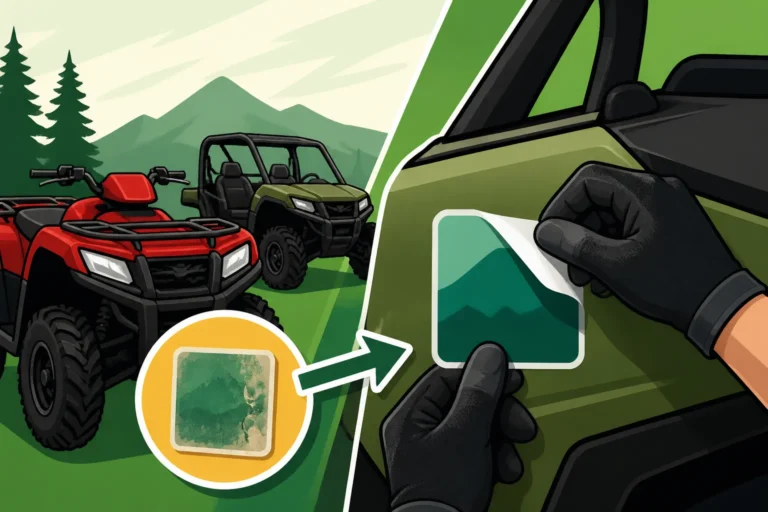
The dealer will process your application, and while they might give you a temporary paper print-out, they'll then forward all the necessary documents to Fish and Game for the official issuance of your certificate and physical decals. They act as the bridge, ensuring that the permanent [New Hampshire OHRV Decals and the Certificate] are sent directly to your mailing address. This eliminates the need for you to submit anything yourself post-purchase, ensuring a smooth transition from temporary to permanent legal riding status.
What You Need to Bring to the Dealer
Even though the dealer handles much of the heavy lifting, you're still responsible for providing them with essential information and documentation. Coming prepared will significantly speed up the registration process and ensure there are no last-minute delays. Think of it as supplying the ingredients for them to bake the registration cake.
Proof of Ownership: Bill of Sale and Prior Registration
The most critical document you'll need is undeniable proof that you own the OHRV. For a brand-new machine, this will be the bill of sale provided directly by the dealer. For a used machine purchased privately, you'll need a comprehensive bill of sale from the previous owner. It's crucial that this document clearly identifies the machine (make, model, VIN/serial number) and both the buyer and seller. Even though [Why New Hampshire Issues No OHRV Title] means you won't have a title for your OHRV, the bill of sale is your primary proof of ownership.
If you're buying a used machine and the previous owner has lost their registration certificate, don't fret too much, but be prepared for a slightly more involved process. The dealer will still rely on the bill of sale. For a private sale, a robust bill of sale created using a service like LawDepot can be invaluable for ensuring all legalities are covered and that you have proper documentation to present. This detail-oriented approach helps the dealer confirm everything when you're [Buying From a Seller Who Lost the Certificate]. Ensure the bill of sale clearly states the sale price, as this might be needed for certain calculations or records.
Personal Identification and Residency Verification
You'll need to provide a valid form of personal identification, typically a driver's license or a state-issued ID. This is standard procedure to confirm your identity as the registrant. If you're registering as a New Hampshire resident to take advantage of the resident rates, you'll also need to prove your residency. Your driver's license usually suffices for this, but sometimes other documents like a utility bill with your name and New Hampshire address might be helpful if your license address is outdated.
For non-residents, you'll still need your valid identification from your home state. New Hampshire welcomes out-of-state riders, but their registration fees are typically higher, and there are specific forms for them. [What a Nonresident Pays Without Joining a Club] or [A Nonresident Club Member Pays $78] will be different from what a resident pays. The dealer will guide you through the appropriate non-resident process once your ID and residency status are confirmed.
Club Membership Information (If Applicable)
New Hampshire offers a significant discount on OHRV registration fees to individuals who are members of an approved New Hampshire OHRV club. This incentive is a fantastic way to support the clubs that maintain our incredible trail system, and it saves you money! If you're a member, or plan to become one, make sure to bring proof of your current club membership with you to the dealer. This could be a membership card, a printout from the club's website, or a receipt for your dues.
It's vital that you join the club before you go to register, as the dealer will need to see proof of your active membership. This discount is often the deciding factor for many riders to join a club, as [Why Club Membership Saves $30 in New Hampshire] is a compelling reason. The dealer will apply [New Hampshire's Club Member Discount] directly to your registration fee, reducing your out-of-pocket cost. Just make sure the club you join is recognized by the New Hampshire Fish and Game Department for this discount.
Potential Drawbacks and Considerations
While registering your OHRV at a powersports dealer offers unparalleled convenience, it's wise to be aware of a few potential considerations. Understanding these points beforehand can help manage expectations and ensure a truly smooth experience. No system is absolutely perfect, and being informed means you can navigate any minor bumps in the trail.
Dealer-Specific Service Fees
One thing to keep in mind is that while the convenience is huge, some dealers might charge a small additional service or processing fee for handling the registration paperwork. This is essentially a fee for their time and the administrative effort involved in acting as a registration agent on your behalf. This fee isn't part of the state's official registration costs but is an internal charge by the dealership.
It's always a good idea to ask the dealer upfront if they impose any such fees. While some dealers might absorb this cost as part of their customer service, others may pass it on. Often, these fees are quite modest and are well worth it for the time and hassle they save you. Compare it to the cost of your own time, gas, and potential frustration if you were to handle the registration entirely on your own. Most riders find the small additional cost a fair trade for the convenience provided.
Ensuring Your Registration is Timely and Accurate
While dealers are generally very efficient, they are still human, and mistakes can occasionally happen. Once you've completed your purchase and the dealer has processed your registration, it's crucial to double-check all the paperwork you receive, especially any temporary registration documents. Confirm that your name, address, machine VIN, and expiration dates are all correct.
Also, ask the dealer about the expected timeline for receiving your permanent [New Hampshire OHRV Decals and the Certificate] in the mail. Keep track of this timeline. If you don't receive your official documents within the expected window, don't hesitate to follow up with the dealership first. If necessary, you may then need to contact the New Hampshire Fish and Game Department directly to inquire about the status. While delays are rare, staying proactive ensures you're not caught off guard with an expired temporary registration or missing decals.
Limited Options for Unique Situations
For most straightforward purchases—new or used machines with clear bills of sale—dealer registration is ideal. However, certain unique circumstances might still require you to visit a New Hampshire Fish and Game Department office directly. For example, if you're [Registering an Inherited Machine in New Hampshire] from an estate, or if you've custom-built an OHRV yourself, the documentation requirements can be more complex and may fall outside the standard procedures a dealer is set up to handle.
Dealers are primarily equipped for sales-related registrations and transfers. If your situation involves complex legal documentation, missing previous records, or anything that deviates significantly from a standard sale, the dealer may advise you to complete the registration directly with the state. This isn't a drawback of the dealer system itself, but rather a recognition that some specialized cases need direct attention from the state's official registration agents.
Tips for a Smooth Dealer Registration Experience
To make your dealer registration as seamless as possible, a little preparation goes a long way. Thinking ahead can prevent hiccups and ensure you drive away, or trailer away, with your OHRV legally ready for its next adventure. These simple tips can save you time and frustration, maximizing the convenience that dealer registration offers.
Prepare Your Documents in Advance
Before you even step foot in the dealership, gather all the necessary paperwork you anticipate needing. This includes your valid driver's license or state ID, and if you're claiming New Hampshire residency, any additional proof like a utility bill if your ID isn't current. If you're purchasing a used machine privately and then bringing it to a dealer for registration, ensure you have a complete and properly executed bill of sale from the seller. For added peace of mind and clarity in such transactions, consider using a reliable service like LawDepot to generate a professional [New Hampshire ATV Bill of Sale Requirements].
Having everything organized in a folder or envelope will impress the dealer and allow them to process your registration much more quickly. It saves them from having to chase you for missing information, and it means less waiting around for you. Don't forget any proof of OHRV club membership if you plan on utilizing that discount – that little card can save you real money!
Communicate Clearly with the Dealer
Don't be afraid to ask questions! When discussing your purchase, confirm with the sales associate or finance manager that they are authorized to handle OHRV registrations for the state of New Hampshire. Inquire about the full process: what documents you'll receive on the spot, what will be mailed, and the estimated [New Hampshire OHRV Registration Processing Time].
Clarify any potential service fees for the registration process beyond the state's official fees. Understanding these details upfront prevents any surprises. A good dealer will be transparent and happy to walk you through every step. For example, if you are [Registering a Machine Bought at a New Hampshire Dealer], they should be perfectly set up to handle all of this for you. Your clear communication ensures that both parties are on the same page and that your expectations are met.
Follow Up If Necessary
Once you've left the dealership with your new OHRV and any temporary registration paperwork, make a note of the expected timeline for receiving your permanent registration certificate and decals. While most processes go off without a hitch, sometimes mail gets delayed, or a minor administrative issue occurs. If the anticipated time frame passes and you haven't received your official documents, don't just wait indefinitely.
First, reach out to the dealership. They typically keep records of submitted registrations and can often provide an update or re-submit if there was an issue. If the dealer can't resolve it or provides you with the state's tracking information, your next step would be to contact the New Hampshire Fish and Game Department directly. Keep copies of all your paperwork, including the bill of sale and any temporary registration, as this information will be crucial for any follow-up inquiries. Being proactive here ensures you maintain legal riding status and receive your [New Hampshire OHRV Decals and the Certificate] promptly.
Disclaimer
This article is for general informational purposes only and does not constitute professional advice. Laws, prices and regulations vary by location and change over time. Consult a qualified professional for guidance on your specific situation.