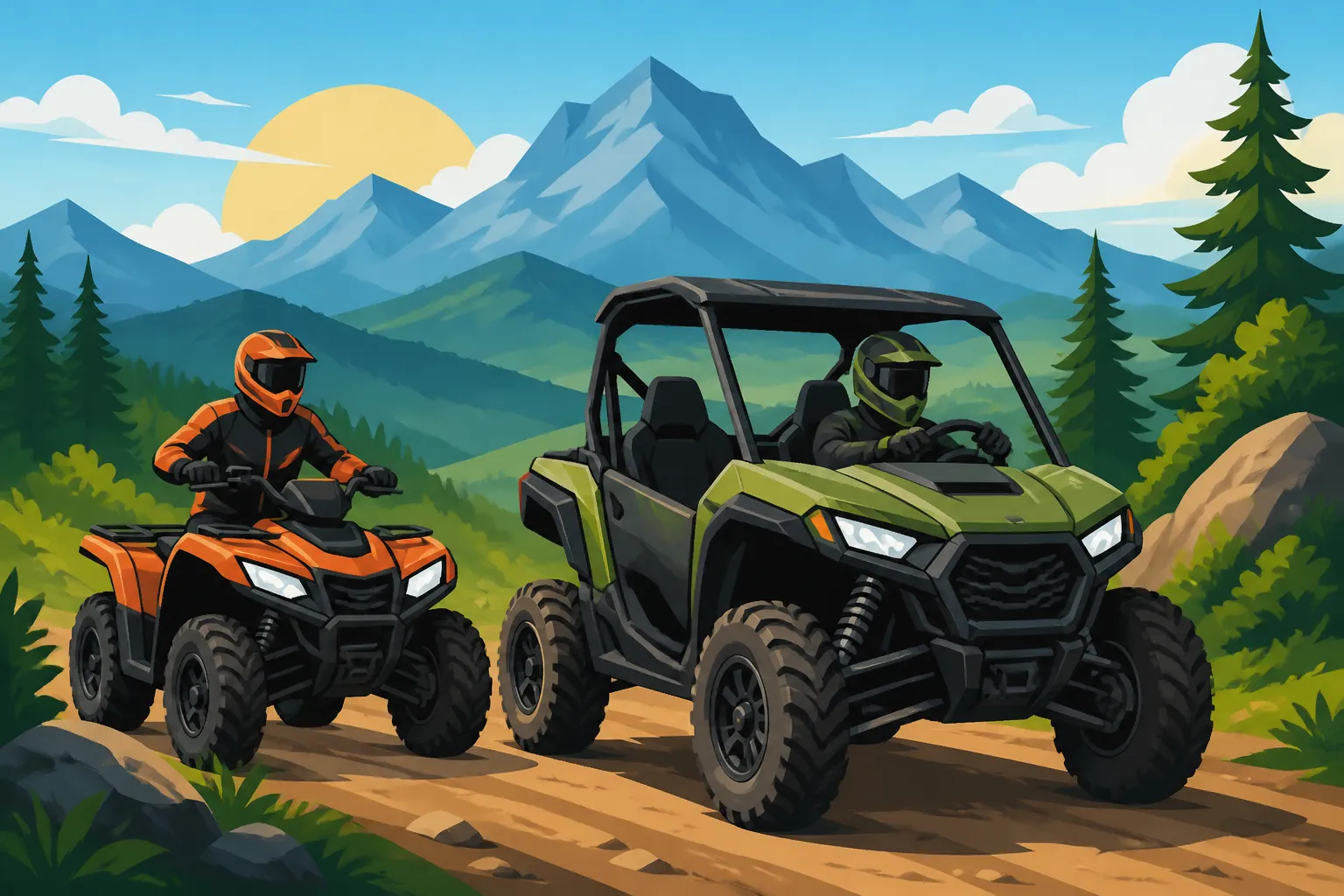
New Hampshire Trails for Beginners
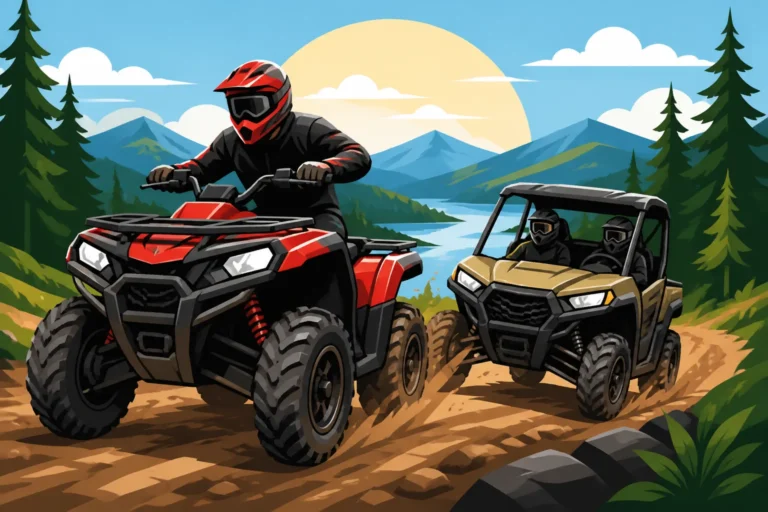
A first ATV or UTV ride in New Hampshire can feel intimidating when trail maps show miles of unfamiliar routes, changing conditions, and different width limits. This guide helps beginners choose a sensible starting area, plan a manageable ride, and avoid common surprises. The key is not finding the easiest-looking line on a map; it’s checking what is open, permitted, and comfortable for your machine.
Choosing a beginner-friendly New Hampshire trail
Start with the kind of ride you want
For a first outing, think about the experience you want before choosing a destination. A short, mostly steady ride near a staging area gives you room to learn how your machine responds without committing to a long loop. A scenic rail-trail route may feel less demanding than a rocky, narrow trail, but it still requires attention to other users, gates, intersections, and changing surfaces.
New Hampshire offers very different riding environments. Northern systems around Berlin, Gorham, Pittsburg, and Colebrook connect extensive networks, while southern rail-trail options can suit riders looking for a more straightforward outing. That does not mean every trail in a large system is beginner-friendly. Conditions, grades, width limits, and technical obstacles can change from one connector to the next.
A helpful first goal is to plan a ride you can comfortably shorten. Choose a staging location with a clear return route, set a conservative turnaround point, and leave extra time in case the group travels more slowly than expected. A beginner ride should feel unhurried. There is no prize for covering the most ground on your first day.
Areas to consider for a first ride
The Ammonoosuc Valley Rail Trail is one option to investigate if you prefer a route that is more corridor-like than a network of twisting woods trails. Before heading out, check which portions are open to your type of machine and whether a width restriction applies. Rail trails can feel less technical, but they are not automatically open to every ATV or UTV.
Jericho Mountain State Park near Berlin is another well-known riding area to research. Its trail network offers variety, which is useful as skills grow, but variety also means riders should not assume every route is easy. Start with a short route recommended by current local trail information, and ask a club or knowledgeable local contact about surface and difficulty if the map does not make those details clear.
The wider Coos County network can be appealing for riders hoping to explore northern New Hampshire, but its scale can make route planning more important. If you are new, avoid treating a long connecting route as a casual first ride. Begin with a short loop near a familiar staging area, then build up as you learn how your group handles trail signs, navigation, and changing terrain. For broader destination ideas, see [Where to Ride an ATV in New Hampshire] and [New Hampshire Trails for Beginners].
| Area to research | Why it may suit a beginner | What to check before leaving |
|---|---|---|
| Ammonoosuc Valley Rail Trail | A corridor-style ride may feel easier to follow than a complex trail network | Machine eligibility, current access, width limits, and road crossings |
| Jericho Mountain State Park near Berlin | A range of routes can help riders choose a shorter outing and progress gradually | Route difficulty, park access information, and current conditions |
| A short loop near a Coos County staging area | Lets a new rider sample a larger trail system without committing to a long ride | Club map, open connectors, fuel plan, and a clear return route |
| A southern rail-trail route | May be a practical option for riders who do not want to begin with remote northern routes | Whether that specific segment allows your machine and is open to OHRVs |
Planning a manageable first ride
Check trail status, route details, and machine fit
A map is a planning tool, not proof that a trail is open today. Seasonal closures, mud, maintenance, landowner access, and weather can change what is rideable. Check the relevant club or land manager’s current information before you load the trailer. For a broader planning checklist, read [New Hampshire Trail Status Before You Ride] and [New Hampshire Trail Closures to Check First].
Use an official club map or posted trail information as your primary source for access and restrictions. A navigation tool such as onX Offroad can help you understand your route and keep track of where you are, but do not rely on an app alone to establish that a trail is open or that your machine is permitted. Save the route information you need before leaving service, since cell coverage can be unreliable in parts of the North Country.
Machine width matters, especially when planning a UTV ride. Some routes and rail-trail sections have specific width limits, and a machine that fits one part of a system may not fit another. Measure the actual width of your machine as configured for riding, including accessories that affect its widest point. Then confirm the applicable limit for your chosen route rather than guessing from the model name. See [New Hampshire Trails With a 50-Inch Limit] and [New Hampshire Trails for a Wide Machine] when comparing options.
Keep the first outing short and simple
Build a route that has a clear start, a modest turnaround point, and a reliable way back. Avoid planning a first ride around multiple club areas or a long-distance connection between towns. A line that looks simple on a screen can take longer than expected when the group stops to check signs, helps a rider over a rough section, or waits for a slower machine.
Set expectations with your group before the ride. Agree that anyone can ask for a break, that the lead rider will wait at turns, and that nobody will take an unfamiliar branch without checking with the group. New riders often feel pressure to keep pace with experienced friends. A supportive group makes the day safer and more enjoyable by choosing a speed and route that work for the least experienced rider.
For navigation, carry a charged phone or GPS device and a paper or downloaded map as a backup. onX Offroad may help you follow your planned route, but keep checking posted signs and local trail information as you go. If a sign conflicts with your planned line, stop and sort it out rather than riding through and hoping the map is more current.
Rules and preparation that matter before you ride
Confirm registration, access, and rider requirements
New Hampshire does not have a separate trail pass that replaces the registration requirement. Before riding, make sure the machine is properly registered for the type of use and that you understand any rules that apply to your situation. Visitors should not assume an out-of-state registration alone is enough for riding in New Hampshire. Details differ by machine and rider, so review [New Hampshire OHRV Permits Explained] and [Riding New Hampshire With an Out-of-State Machine] before traveling.
Registration is only one part of access. Trails may cross private land or leased land, and permission or designated access rules matter. Do not treat an unmarked woods road or open-looking field as an invitation to ride. Stay on authorized routes, obey closure signs, and respect any posted limits. A landowner’s permission can also change, so do not assume that a route used in the past is still open.
Age and safety education requirements are another important planning step when children or teens are riding. Rules depend on age and circumstances, and a parent should check the requirements before setting out rather than relying on what another family does. Review [New Hampshire Safety Education Requirements] and [New Hampshire Rules for Riders Under 18] if younger riders are part of the group.
Pack for changing conditions
Even a short ride deserves basic preparation. Wear a properly fitting helmet and suitable eye protection, dress for the weather, and bring water, a small first-aid kit, and a way to contact help. In northern areas, temperatures and conditions can shift during the day. A warm layer and rain protection can make the difference between a comfortable ride and a miserable trip back to the staging area.
Before departure, check fuel, tires, lights, brakes, and any required equipment. Tell someone who is not riding where you plan to go and when you expect to return. For remote routes, know the group’s fuel range and agree on a plan if a machine develops a problem. Beginners are often focused on steering and terrain; a simple pre-ride check helps prevent a preventable mechanical issue from becoming the main event.
Pack out everything you bring in, keep noise and speed appropriate for the trail, and give other users room. If you encounter a gate, closure notice, or trail condition that feels beyond your ability, turn around. Choosing a different route is a good decision, not a failure. A reliable beginner plan leaves enough time and flexibility to make that call.
Making your first ride more comfortable
Ride within your comfort zone
On unfamiliar ground, slow down before a turn, hill, rut, or loose surface rather than braking sharply once you are already on it. Keep enough distance from the machine ahead to see what is happening and to stop safely. On a UTV, make sure passengers understand the seat belts and handholds before moving. On an ATV, practice smooth throttle and braking in a safe, permitted area before attempting more uneven terrain.
If a section looks too steep, rocky, narrow, or muddy for your comfort, stop in a safe place and assess it. Do not let a faster rider pressure you into a maneuver you have not practiced. Conditions can look different from the approach than they do from the other side, and turning back is often the most sensible choice.
Plan breaks before the group gets tired. Fatigue makes it harder to read signs, maintain focus, and make good decisions. A short first ride with a relaxed lunch stop is often more rewarding than an ambitious route that leaves everyone worn out.
Use local information without overcomplicating the day
Ask a club, trail contact, or local riding business for a current recommendation suited to your machine and experience. Be specific: mention whether you ride an ATV or UTV, your machine’s width, how long you want to ride, and whether you prefer smooth corridors or more varied terrain. That makes it easier for someone to point you toward a realistic option rather than a route that is simply popular.
Use onX Offroad or another navigation aid to support your route planning, not to replace local access information. Before you start, identify your staging area, intended route, and return direction. If you are riding a rail trail, check the rules for that particular segment; if you are exploring a club network, check the club’s map and status updates. The best beginner route is the one that matches your machine, current conditions, and comfort level—not necessarily the one with the most dramatic scenery.
A first ride is also a chance to learn what you enjoy. You may discover that a quiet corridor suits you better than a technical trail, or that you are ready for a longer loop after a few hours of practice. Keep the first day flexible, follow the posted rules, and leave yourself wanting to come back.
Disclaimer
This article is for general informational purposes only and does not constitute professional advice. Laws, prices and regulations vary by location and change over time. Consult a qualified professional for guidance on your specific situation.