Why a Thirteen-Year-Old Needs a Licensed Adult Along
Oh, the joys and challenges of introducing teenagers to the incredible world of ATV and UTV riding in New Hampshire! It's an experience that can build character, teach responsibility, and create lifelong memories. But let's be real, the regulations around young riders can feel like a maze, especially when you're trying to figure out exactly who needs to be with whom, and why. If you're scratching your head wondering why your capable thirteen-year-old still needs a licensed adult riding alongside them on the trails, you're in the right place. This guide is going to untangle those specific New Hampshire rules, explaining the "why" behind the requirement for a licensed adult companion, and what it really means for your riding adventures.
Understanding New Hampshire's Age and Supervision Rules for OHRVs
New Hampshire is a fantastic state for off-highway recreational vehicle (OHRV) enthusiasts, offering miles of scenic trails through some of the most beautiful landscapes. However, with this freedom comes a responsibility to ensure safety, especially for our younger riders. The state has put clear guidelines in place regarding who can ride, where they can ride, and under what supervision. These rules are designed to protect everyone on the trails, and they often lead to questions, particularly when it comes to those in-between ages, like thirteen.
The General Rule: Why Young Riders Need Supervision
The underlying philosophy behind New Hampshire's OHRV laws for minors is pretty straightforward: experience, judgment, and risk assessment improve with age. While a younger rider might have excellent reflexes and a quick learning curve, they may not yet possess the mature judgment to anticipate hazards, react appropriately in unexpected situations, or understand the full implications of their actions. Think about it: a sudden deer darting across the trail, an unseen washout around a bend, or encountering another group of riders on a blind curve—these situations require split-second decisions and a level head that often comes with more life experience.
For this reason, all riders under the age of 18 have specific requirements. These requirements vary slightly by age group, acknowledging the developmental stages of children and teenagers. It's not about doubting their riding skill, but about providing an extra layer of safety and guidance until they reach full adulthood and the legal responsibilities that come with it. The state wants to ensure that if something goes wrong, an experienced, responsible adult is there to intervene, assist, and guide.
The "Licensed Adult" Requirement: What it Means for a 13-Year-Old
Now, let's zoom in on the specific situation for a thirteen-year-old. In New Hampshire, a rider who is twelve or thirteen years old, even if they have successfully completed an approved OHRV safety course and obtained a safety certificate, cannot ride alone on public OHRV trails or public lands. They must be accompanied by a person who is at least 25 years old and holds a valid motor vehicle driver's license. This isn't just a suggestion; it's a legal requirement.
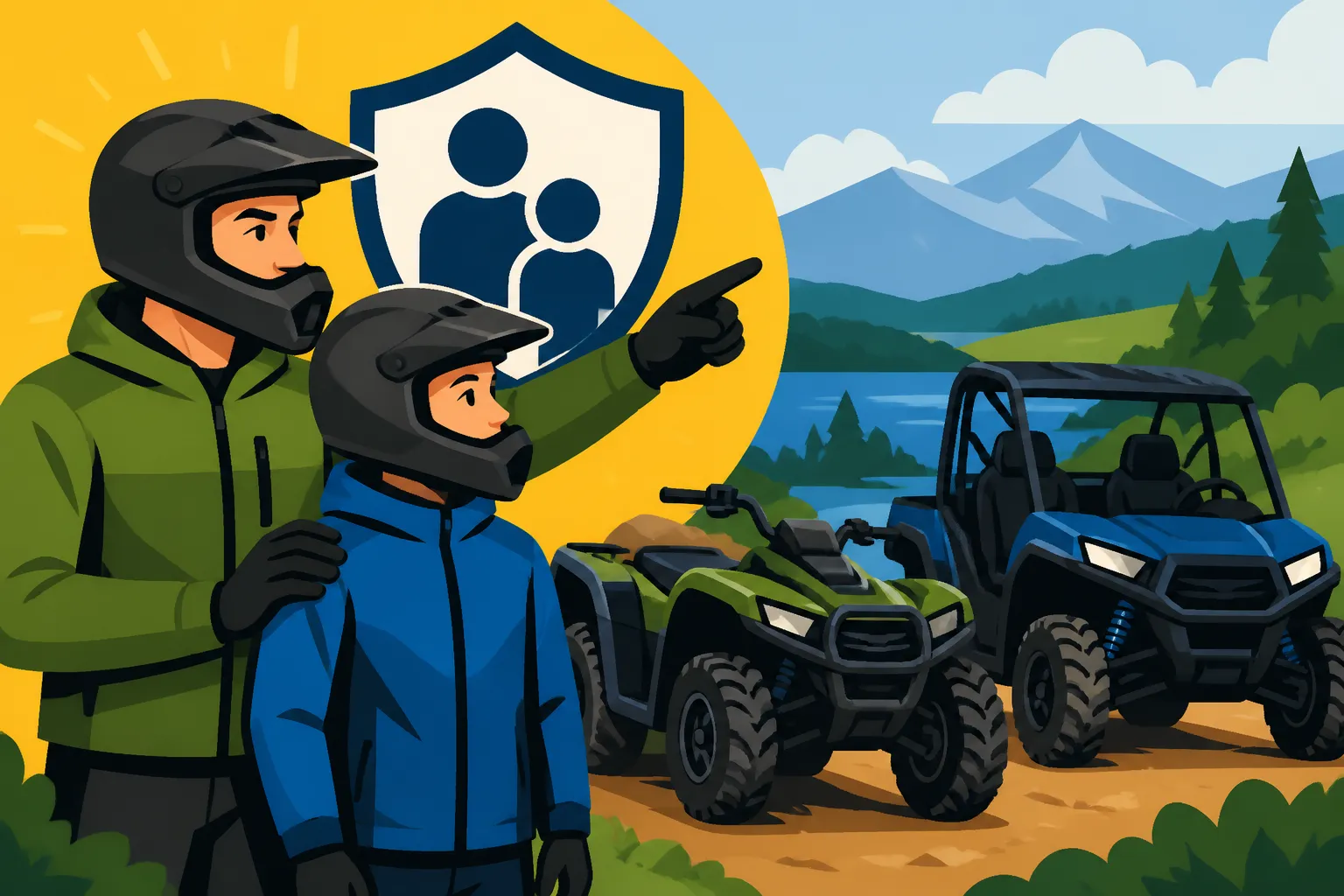
This licensed adult isn't just a passenger; they are a supervisor. They are expected to be actively observing the minor, ready to provide guidance, and capable of taking charge should a situation arise. It means that while your thirteen-year-old might be navigating their own machine, the responsibility for their safety and adherence to trail rules ultimately rests with that supervising adult. It’s a crucial distinction, because it shapes how you plan your family rides and who needs to be part of the adventure. This rule is clearly outlined to ensure safety and responsible riding practices across the state's extensive trail network. You can find more details on this in [Riders 12 and 13 on New Hampshire Public Property].
Safety Certificates and What They Allow (and Don't Allow)
For anyone under the age of 18 in New Hampshire, completing an approved OHRV safety course and obtaining a safety certificate is a mandatory step before they can legally operate an OHRV on public land. This course teaches vital information about safe operation, trail etiquette, environmental protection, and state laws. It's a fantastic educational tool, and your thirteen-year-old likely learned a tremendous amount about responsible riding through it. You can learn more about this in [New Hampshire's Certificate Rule at Age 12] and [New Hampshire Safety Certificate Requirements].
However, possessing a safety certificate does not grant a thirteen-year-old the right to ride unsupervised. For this age group, the certificate is a necessary piece of the puzzle, but it's not the complete picture. Think of it like a learner's permit for driving a car; it shows they've completed some foundational education, but they still need a licensed adult in the passenger seat (or on a separate machine, in the OHRV context) until they gain more experience and reach an age where state law deems them ready for independent operation. The state clearly differentiates between the knowledge gained from a course and the practical judgment that comes with age and guided experience.
The Specifics for a 13-Year-Old Rider in New Hampshire
It's easy to look at a competent thirteen-year-old and think, "They've taken the course, they ride well, why can't they just go?" But New Hampshire's laws are very specific for a reason, aiming to create the safest possible environment for all riders. These aren't arbitrary rules; they're born from a commitment to preventing accidents and ensuring that young people develop safe riding habits under experienced guidance.
The Legal Mandate for a Companion on Public Lands
Let's get down to the brass tacks of the law. If your child is twelve or thirteen years old, and you plan to ride on any public OHRV trails, state forests, or lands designated for OHRV use, they must be accompanied. This means the supervising adult, who needs to be at least 25 years old and possess a valid motor vehicle driver's license, must be on a separate OHRV, actively supervising the minor. They are not merely "in the vicinity"; they are an integral part of the riding party, within direct sight and sound of the young rider. The law doesn't care how skilled your thirteen-year-old is; if they're on public land, this supervision is non-negotiable.
This applies to all public lands, whether it's the expansive [Ride the Wilds in Coos County] network or a smaller local trail system. The intent is to have an experienced adult immediately available to assist with navigation, mechanical issues, first aid, or to simply make judgment calls on trail conditions or interactions with other users. It's a proactive safety measure designed to mitigate risks inherent in off-road riding, which can sometimes be unpredictable. Don't forget that [New Hampshire's Age and Supervision Rules] cover all the nuances for various age groups.
Defining a "Licensed Adult" for OHRV Supervision
The term "licensed adult" isn't just any adult; it has specific criteria. The individual supervising the 12 or 13-year-old must be at least 25 years old. This age requirement recognizes that someone 25 or older typically has more life experience, a greater sense of responsibility, and more developed judgment skills than a younger adult. Furthermore, they must possess a valid motor vehicle driver's license. This isn't an OHRV-specific license, but a standard driver's license, which implies a foundational understanding of road rules, vehicle operation, and responsible behavior.
This means that a 20-year-old older sibling, no matter how responsible or experienced they are on an OHRV, does not qualify as the legal supervising adult. Even if they have their own driver's license, they don't meet the 25-year age threshold. This specific definition removes ambiguity and ensures that the level of supervision provided meets the state's stringent safety standards. It's about ensuring a high degree of maturity and a proven track record of safe operation through holding a state-issued driver's license.
Beyond the Law: Why This Rule Makes Sense for Safety
While the legal mandate is clear, it's also worth considering the practical safety benefits of this rule. Riding an OHRV, even for experienced adults, carries inherent risks. For a thirteen-year-old, those risks can be amplified. Having a licensed adult along means there’s someone to:
- Model Responsible Behavior: Young riders learn by example. Seeing an adult consistently follow speed limits, respect private property boundaries, and yield to other trail users reinforces good habits.
- Assist in Emergencies: From a minor mechanical issue to a more serious injury, an adult can provide immediate help, contact emergency services, or navigate the group back to safety.
- Offer Guidance on Trail Challenges: An adult can help a young rider choose the safest line through a tricky section, teach them how to handle different terrains, or remind them about proper body positioning.
- Manage Group Dynamics: If riding with others, the adult can help manage the pace, ensure no one gets separated, and mediate any disagreements or frustrations that might arise.
- Ensure Proper Equipment Use: An adult can double-check helmets, ensure proper fitting of other gear, and monitor the condition of the OHRV itself.
This isn't just about avoiding a ticket; it's about fostering a safe and positive introduction to OHRV riding, allowing young people to build confidence and skills under the watchful eye of someone who can provide critical guidance. It's an investment in their long-term safety and enjoyment of the sport.
Practical Considerations and Gear for Young Riders
Beyond the legal requirements, there are many practical considerations for riding with a thirteen-year-old. Ensuring they have the right equipment and that their machine is suitable for their size and skill level is paramount. While the law mandates supervision, responsible riding goes far beyond simply having an adult present.
Essential Safety Gear for All Ages, Especially Young Riders
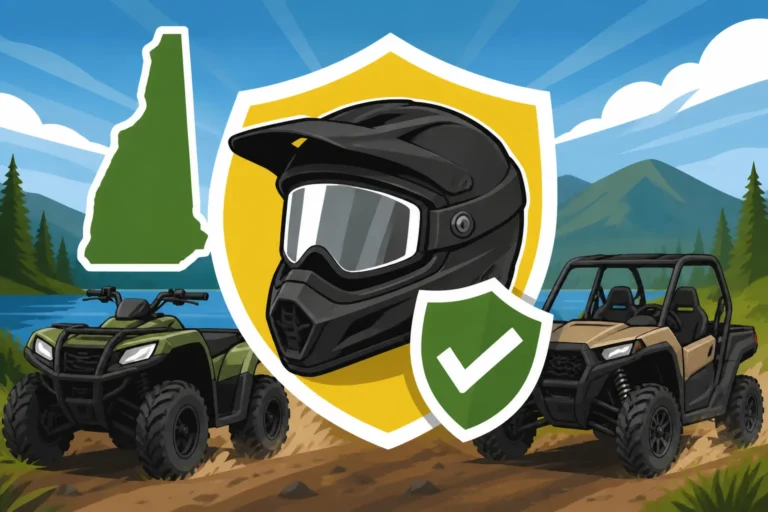
Safety gear is not optional for any OHRV rider, but it's especially critical for young riders whose bodies are still developing and more vulnerable to injury. New Hampshire law mandates helmets for all riders under 18. This isn't just any helmet; it needs to be a D.O.T.-approved helmet that fits properly. An ill-fitting helmet can be just as dangerous as no helmet at all, so ensure it's snug and secure. You can find more details in [New Hampshire Helmets for Riders Under 18].
Beyond the helmet, eye protection (goggles or a face shield) is crucial to protect against dust, debris, branches, and insects. Long pants and long-sleeved shirts, ideally made from durable material, help protect against scrapes and abrasions. Sturdy, over-the-ankle boots are essential for ankle support and protection from the machine's hot parts. Gloves protect hands from blisters and improve grip. Investing in proper riding gear isn't an expense; it's an investment in safety. Some parents even opt for chest protectors and knee pads, particularly for more aggressive riding styles or challenging terrain, giving their young riders an extra layer of confidence and protection.
Choosing the Right Machine Size and Type for a Teenager
The market offers a wide range of OHRVs, from smaller youth models to powerful adult machines. For a thirteen-year-old, choosing a machine that is appropriate for their size, weight, and skill level is vital. An ATV that's too large or powerful can be difficult to control, leading to fatigue and an increased risk of accidents. Conversely, a machine that's too small can also be uncomfortable and offer less stability.
Look for models specifically designed for intermediate youth riders, often in the 125cc to 250cc range for ATVs, or smaller, youth-focused side-by-sides. These machines typically have features like speed limiters that can be adjusted as the rider gains experience, making them safer learning platforms. Consider the ergonomics – can they comfortably reach the handlebars, footpegs, and controls? Can they easily shift their weight and maintain balance? A good dealer can often help you assess the right fit. Remember, comfort and control directly translate to safety and enjoyment on the trails.
Modifying Machines for Safety
Sometimes, the machine you have might be almost perfect, or you might inherit one that needs a few tweaks to be safer for a younger rider. This is where aftermarket parts and accessories can play a valuable role. For example, some machines can have their throttles mechanically limited to reduce top speed, providing a safer learning environment. Adjustable suspension components can be tuned for a lighter rider's weight, improving handling and comfort.
You might also consider adding protective accessories like brush guards, skid plates, or full doors on a UTV to enhance rider safety. Companies like SuperATV offer a wide array of parts that can not only improve performance but also boost the safety features of your OHRV. For instance, specific tire choices can improve traction on varying New Hampshire terrain, or a winch kit could be added for self-recovery in challenging situations, making the overall experience safer and more manageable for both the young rider and their adult supervisor. Always ensure any modifications are done professionally and do not compromise the machine's structural integrity or safe operation.
Navigating Public and Private Lands with a Young Rider
The rules for OHRV riding in New Hampshire aren't uniform across all types of land. It's crucial to understand the distinctions between public trails and private property, as these differences directly impact the supervision requirements for your thirteen-year-old. Ignorance of these rules isn't an excuse, and violations can lead to significant consequences.
Riding on Public Trails and Designated OHRV Areas
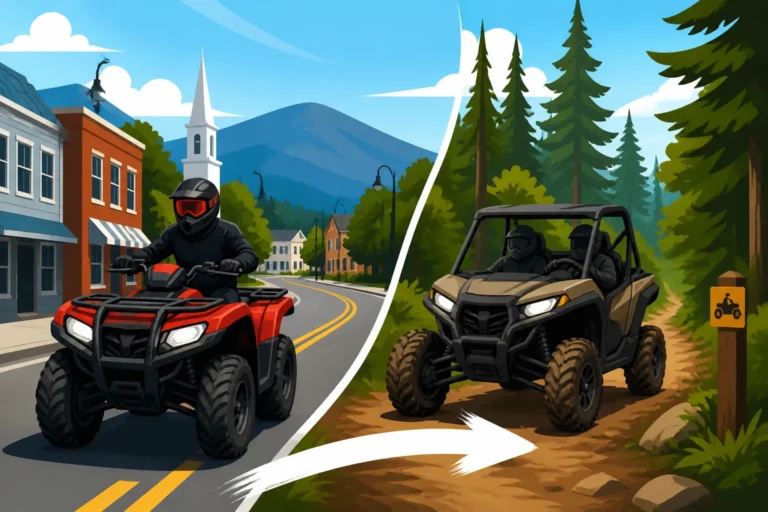
As we've covered, any time your thirteen-year-old is operating an OHRV on public OHRV trails, state lands designated for OHRV use, or any public property where OHRV riding is permitted, the "licensed adult" rule is in full effect. This includes the vast and beautiful network of trails across the state, managed by the Bureau of Trails and various OHRV clubs. These are the places where most recreational riders will spend their time, enjoying the scenery and the thrill of the ride.
It's important to remember that these public lands are shared resources. You'll encounter other riders, hikers, mountain bikers, and sometimes even equestrians. The presence of a supervising adult helps ensure that the young rider not only follows the specific OHRV laws but also exercises good judgment and courtesy towards all other users. This adherence to rules and etiquette is fundamental to maintaining positive relationships with landowners and the public, which in turn helps keep trails open for everyone's enjoyment. Always check trail conditions and specific rules for the area you plan to visit, as some trails may have additional restrictions or closures.
Rules for Private Property: The Landowner's Discretion
The rules change somewhat when you're on private property. If your thirteen-year-old is riding an OHRV exclusively on land that you own, or on private land where you have explicit permission from the landowner, the state's supervision requirements (the 25-year-old licensed adult rule) do not apply. On private land, the landowner sets the rules, and if that landowner is you, or has granted you specific permission, you have more discretion regarding supervision.
However, this freedom comes with immense responsibility. Even if the law doesn't mandate the 25-year-old licensed adult, it is highly recommended to provide adequate supervision for any young rider, regardless of where they are riding. Accidents can happen anywhere, and ensuring a responsible adult is present to guide and assist is always the safest course of action. Always secure [New Hampshire Landowner Permission Rules] in writing before riding on private land that isn't your own, as trespassing can lead to severe penalties and harm landowner relations. Even if the law permits unsupervised riding on private land, consider the inherent risks and make a judgment call that prioritizes your child's safety above all else.
What Happens if the Rules Aren't Followed: Consequences and Fines
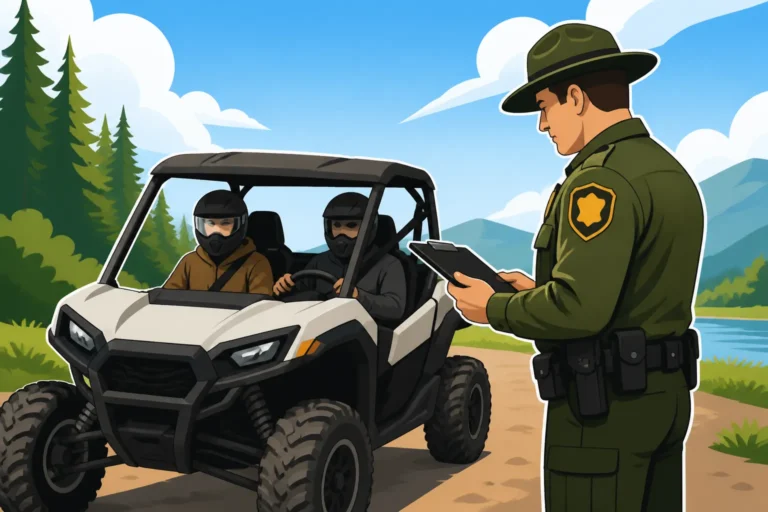
Ignoring New Hampshire's OHRV laws for minors can lead to serious consequences, and not just in terms of safety. Riding an OHRV on public land without the required registration or proper supervision for a minor can result in fines and citations. A conservation officer or local law enforcement official patrolling the trails has the authority to stop riders and check for compliance with all regulations, including age and supervision requirements.
The supervising adult, if found in violation, could be held responsible, as could the owner of the OHRV. Fines for OHRV violations can vary, but they are certainly an unwelcome interruption to a fun day out. More importantly, consistent violations can lead to stricter regulations, reduced trail access, or even the closure of trails, impacting the entire OHRV community. Understanding and respecting these rules is not just about avoiding a ticket; it's about being a responsible member of the OHRV community and ensuring that these fantastic riding opportunities remain available for future generations. You can learn more about the potential penalties in [New Hampshire Fines for an OHRV Violation].
| Age Group | OHRV Safety Certificate Required? | Supervision Required on Public Land? | Supervising Adult Requirements |
|---|---|---|---|
| Under 12 | Yes | Yes | 25+ years old, valid driver's license |
| 12-13 years old | Yes | Yes | 25+ years old, valid driver's license |
| 14-15 years old | Yes | No (can ride alone) | N/A (unless unlicensed adult is riding along) |
| 16-17 years old | Yes | No (can ride alone) | N/A (unless unlicensed adult is riding along) |
| 18+ years old | No (driver's license suffices) | No | N/A |
Disclaimer
This article is for general informational purposes only and does not constitute professional advice. Laws, prices and regulations vary by location and change over time. Consult a qualified professional for guidance on your specific situation.