New Hampshire Rules for Riding a Logging Road
It’s easy to look at a wide, often well-maintained logging road winding through the New Hampshire woods and assume it’s an open invitation for your ATV or UTV. We’ve all been there, peering down a gravel path, wondering if it’s a shortcut or a new adventure. But the truth is, riding these roads comes with a unique set of rules, safety considerations, and an absolute necessity for permission. This guide is here to untangle the complexities, helping you understand where you can legally and safely ride these vital arteries of our forests.
The Nature of New Hampshire Logging Roads and OHRV Access
Logging roads are a critical part of New Hampshire's working forests, designed and built for heavy industrial use. They crisscross vast tracts of land, connecting timber operations to main roads and mills. For OHRV riders, these roads often represent tempting pathways to explore, but their function and ownership are far more complex than a typical recreational trail. Understanding their primary purpose is the first step in riding them responsibly and legally.
Who Owns These Roads, Anyway?
This is perhaps the biggest misconception. While they might look like public access roads, the vast majority of logging roads in New Hampshire are privately owned. They belong to timber companies, individual landowners, or large forestland holding companies. Even roads on state or federal land might be leased for timber harvesting, effectively making them private working sites during operations. The idea that if a gate isn't locked, it's open for all, just isn't true when it comes to these private corridors.
Think of it like this: you wouldn't drive your OHRV onto a farmer's private access road to their fields just because there wasn't a "No Trespassing" sign every ten feet. Logging roads are no different. They are infrastructure for a business. Many of these landowners are incredibly generous in allowing OHRV clubs to incorporate sections of their logging roads into the wider trail network. This is a privilege, not a right, and it hinges entirely on mutual respect and careful management. Without the tireless efforts of volunteers and clubs, many of the interconnected trails we enjoy, especially in the northern parts of the state like the [Ride the Wilds in Coos County], simply wouldn't exist in their current form.
The Vital Role of Logging Roads in Our Trail System
Despite their private ownership, logging roads are absolutely essential to the New Hampshire OHRV experience. They are the backbone of many trail systems, connecting smaller, technical trails, providing vital access points, and allowing for long-distance, multi-town rides that riders crave. Imagine trying to piece together a thousand miles of trail without these existing corridors! They help bridge gaps, circumvent challenging terrain, and provide easier grades for less experienced riders or those on wider machines.
Clubs work hand-in-hand with landowners and timber companies to lease or secure permission to use these roads. This partnership is delicate and constantly evolving. When you see a well-marked OHRV trail running along what is clearly a logging road, you can almost guarantee that a local club has put in countless hours building relationships, signing agreements, and performing maintenance to keep that section open. They ensure that these roads are integrated safely into the OHRV network, often adding signage, designating safe crossing points, and coordinating with logging operations. This is why supporting OHRV clubs, perhaps by joining one and enjoying the [New Hampshire's Club Member Discount], is so crucial – your dues directly contribute to maintaining these vital landowner relationships and the trails themselves.
Navigating the Legal Landscape: Permission is Paramount
When it comes to riding logging roads in New Hampshire, permission isn't just a suggestion; it's the absolute legal and ethical foundation. Misunderstanding this can lead to serious consequences, including fines, strained landowner relations, and even the closure of valuable trail sections for everyone.
The Golden Rule: Permission is Always Required
Let's make this crystal clear: if a logging road isn't explicitly marked as a designated OHRV trail, you must assume it's private and requires direct permission from the landowner to ride. This isn't just good manners; it's the law. [New Hampshire Landowner Permission Rules] dictate that riding on private land without permission constitutes trespass. And remember, "unposted land is not an invitation" is a fundamental principle in New Hampshire. Just because there isn't a "No Trespassing" sign doesn't mean you're allowed to be there.
The sheer scale of timberland means it's impractical for landowners to post every single entry point to their logging roads. This is where the work of OHRV clubs becomes invaluable. They act as intermediaries, securing broad access agreements that allow registered OHRVs to use specific, designated logging roads as part of the trail system. When you ride these marked trails, your registration fee contributes to the Bureau of Trails, which then works with clubs, who in turn maintain these agreements and trails. This symbiotic relationship is why [Why Your Registration Is the Access] to so many trails.
If you are ever considering riding a logging road that isn't clearly part of a marked, public OHRV trail, your only recourse is to contact the landowner directly and obtain written permission. Anything less puts you at risk and jeopardizes the access for all other responsible riders.
Understanding Trail Designations on Logging Roads
The key to legally riding logging roads is to stick to those that are officially designated as part of the OHRV trail network. These are usually clearly marked with OHRV trail signs, blazing, and appear on official club maps and state trail apps. These designated sections are the result of careful agreements between clubs and landowners, specifically allowing OHRV use.
Before you head out, always make sure you have up-to-date trail maps, whether it's a physical map from a local club or a digital app. [Downloading a Club Trail Map] is a smart move, as these maps are maintained by the very clubs that negotiate access. These resources will show you exactly which logging roads are open to OHRVs and which are not. You might also want to check [Checking the Trail Status Board] for any last-minute closures, as active logging operations or adverse weather can temporarily shut down sections, even if they're normally open.
It’s crucial to respect these designations. If a logging road that was once part of a trail is now marked as closed, or a landowner has decided to withdraw permission, you must turn around. [When a Landowner Takes Back Riding Permission] can happen for various reasons – often due to irresponsible rider behavior, environmental concerns, or new logging plans. Every time a landowner closes a trail, it's a loss for the entire riding community, highlighting why responsible riding on designated trails is so critical for the long-term health of our sport.
Safety First: Sharing the Road with Industrial Operations
Logging roads aren't just scenic routes; they're active industrial sites, and sharing them requires a completely different mindset than cruising a dedicated recreational trail. The biggest threat isn't necessarily a bad turn or an unexpected mud pit, but rather the immense, heavy machinery that considers these roads its workspace.
Active Logging: Expect the Unexpected
When you’re riding a logging road, even a designated OHRV trail, always remember that you are a guest in a working environment. This means anticipating the unexpected. Heavy log trucks, feller bunchers, skidders, excavators – these machines are massive, can be surprisingly fast, and have enormous blind spots. They cannot stop quickly, and the operators are focused on their work, not necessarily on recreational riders.
You might encounter sections of road that are freshly graded, rutted from heavy equipment, or covered in logging debris like branches and bark. There could be areas with deep mud or standing water from recent operations. Dust can be a significant issue, especially in dry conditions, obscuring visibility for both you and any logging vehicles. Steep grades and sharp, blind turns are common. These aren't just obstacles; they are part of the active workspace. [Logging Trucks on a Club Road] are a real and present danger, and you must treat them with extreme caution and deference.
The most important rule? Always assume there's a logging truck or heavy machinery just around the next bend, even if you haven't seen one all day. Reduce your speed, stay to the far right, and be prepared to stop and yield the right-of-way immediately. Some logging companies will even post flaggers or temporary signs during active operations, alerting you to machinery ahead – pay attention to these. For everyone's safety, logging companies often close entire road sections or even full trail systems during intense harvesting periods. These [New Hampshire Rules for Riding a Closed Trail] are non-negotiable and must be respected.
Best Practices for Encountering Logging Traffic
Your personal safety, and the safety of everyone else, depends on how you react when you encounter active logging traffic.
Here are some crucial best practices:
- Be Visible: Always have your headlights on, even during the day. Wear bright clothing. Make yourself as noticeable as possible, as these machines are huge and may not be looking for small OHRVs.
- Yield Absolutely: Log trucks and heavy equipment always have the right-of-way. Pull over to the side of the road, stop completely, and give them ample room to pass. If possible, make eye contact with the operator to ensure they've seen you.
- Patience is Key: Don't try to rush past or squeeze by. Wait until the path is completely clear and safe. It's better to lose a few minutes than to risk a collision.
- Dust Considerations: If it's dusty, slow down significantly. The dust cloud from a logging truck can completely obscure your vision, and yours can obscure theirs.
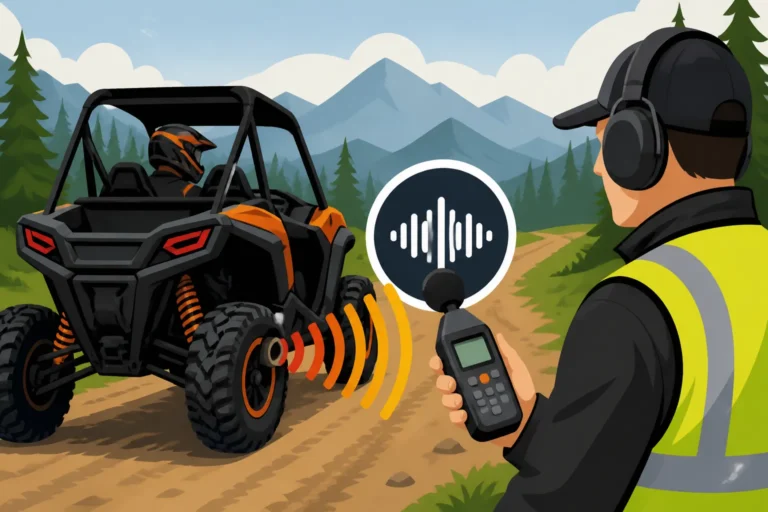
- Sound Awareness: While a loud exhaust might seem like a way to be heard, it can also startle workers or wildlife. A quieter machine, perhaps equipped with an aftermarket exhaust system from a reputable brand like SuperATV designed for optimal performance and reduced noise, can actually make for a safer, more pleasant riding experience for everyone on the trail. It's about being seen and recognized, not necessarily heard roaring from a mile away.
| Situation | Recommended Action | Why It's Important |
|---|---|---|
| Approaching Blind Turn | Slow down significantly, stay right, consider a quick horn blast. | Logging vehicles are wide and may swing into your lane. Limited visibility increases collision risk. |
| Seeing Logging Truck | Pull over immediately to the far right, stop machine, wait for it to pass. | Trucks are heavy, have long stopping distances, and limited maneuverability. They cannot easily adjust for an OHRV. |
| Dust from Operations | Reduce speed to a crawl, headlights on, increase following distance. | Dust severely reduces visibility, making it impossible to see hazards or oncoming traffic. |
| Encountering Skidders | Keep significant distance. These machines move erratically and often drag logs. | Skidders are designed for off-road log extraction; they are not road-friendly and can kick up debris or swing logs unexpectedly. |
| Entering an Open Area | Scan thoroughly for parked equipment, stacks of logs, or active work zones. | Logging operations might be happening off to the side, or equipment could be parked in unexpected places. |
Remember, these are not paved highways. Your vigilance and responsible choices are crucial for a safe ride and for maintaining the good graces of the landowners who allow us to use these valuable roads.
Responsible Riding: Equipment, Etiquette, and the Future of Access
Maintaining access to logging roads for OHRV riding is a shared responsibility. It requires us, as riders, to not only understand and follow the rules but also to adopt a proactive approach to safety and etiquette. Every responsible action we take helps to solidify the relationships that keep these trails open.
Equipping Your Machine for Logging Road Conditions
Logging roads, even when part of a designated trail, are often rougher and more demanding than purpose-built recreational trails. They feature varied surfaces, from loose gravel and deep ruts to rocky sections and mud. Having your machine properly equipped isn't just about comfort; it's about safety and preventing breakdowns far from civilization.
- Tires: Good, aggressive tread patterns are essential for traction on loose gravel, mud, and uneven terrain. Puncture-resistant tires can be a real asset, as sharp rocks or discarded logging debris can be present.
- Suspension: A well-maintained and robust suspension system is crucial for absorbing the shocks and bumps common on logging roads. Upgrades, such as heavy-duty A-arms, shock absorbers, or lift kits from companies like SuperATV, can significantly improve ride quality and durability, making your machine better suited to the rigors of these industrial paths.
- Lights: As mentioned earlier, headlights are a must, even during the day, for visibility. Consider auxiliary lights for early morning or late evening rides, as shadows can be long and deep in forested areas, obscuring hazards.
- Horn: A loud horn is invaluable for alerting logging equipment operators or other riders to your presence, especially on blind turns.
- Emergency Gear: Always carry a basic tool kit, tire repair kit (with a portable air compressor), first-aid kit, and a way to communicate (cell phone, satellite messenger). You're often in remote areas with limited services.
Ensuring your machine is in top condition and appropriately equipped not only makes your ride more enjoyable but also minimizes the chances of getting stranded or causing an incident.
The Etiquette of Sharing and Sustaining Access
Beyond the legalities and equipment, rider etiquette plays a massive role in the long-term sustainability of OHRV access to logging roads. The privilege of riding on private land is directly tied to how well riders behave.
- Stay on Marked Trails: This cannot be stressed enough. Veering off a designated logging road onto unmarked private property is trespassing and can immediately jeopardize access for everyone. Landowners are very sensitive to riders creating new paths or expanding the trail footprint. [Riding Private Ground in New Hampshire] is a privilege that must be respected.
- Leave No Trace: "Pack it in, pack it out" is paramount. Any litter, especially discarded fuel containers or broken machine parts, is an eyesore and a direct insult to the landowner's generosity.
- Respect Active Operations: Give logging operations a wide berth. Avoid stopping to watch, as this can be a distraction for workers. If a road is gated or clearly closed for logging, do not attempt to bypass it, even if you think you can.
- Support the Clubs: The OHRV clubs are the unsung heroes who forge and maintain these vital landowner relationships. Joining a club, volunteering for trail work, or simply following their guidelines directly supports the continued access we all enjoy. They are the ones who [What a Club Does to Keep a Landowner Onside], and their efforts are priceless.
- Be a Good Neighbor: If you encounter landowners, hunters, or other forest users, be courteous and friendly. A positive interaction can go a long way in reinforcing the idea that OHRV riders are responsible members of the outdoor community.
The future of riding logging roads in New Hampshire relies heavily on the collective behavior of its OHRV community. By understanding the rules, prioritizing safety, and practicing impeccable trail etiquette, we can ensure these unique and essential corridors remain open for generations of riders to come.
Disclaimer
This article is for general informational purposes only and does not constitute professional advice. Laws, prices and regulations vary by location and change over time. Consult a qualified professional for guidance on your specific situation.