How a New Hampshire Town Designates a Road
It's a common frustration for New Hampshire ATV and UTV enthusiasts: you're out on the trails, enjoying the incredible scenery, and suddenly you hit a section where the trail ends at a paved town road. You might just want to cross it to get to the next section of trail, or perhaps ride a short distance to grab a bite to eat or refuel. But hold on a second – can you actually do that? This guide will dive deep into exactly how a New Hampshire town goes about designating a road for OHRV use, explaining the entire, often complex, process from start to finish.
Why Town Roads Aren't Always Open by Default
It might seem counterintuitive to some, especially if you're visiting from a state with more liberal road-riding rules, but in New Hampshire, most town roads are, by default, closed to OHRV traffic. This isn't out of spite or a desire to keep riders off the roads; it's rooted in the state's statutes, which generally categorize OHRVs as off-highway vehicles. The expectation is that you'll be riding off-pavement, on designated trails.
Imagine you're driving your truck down a quiet, residential town road. Suddenly, an ATV comes roaring around the corner. For many residents, this can be a jarring experience. There are concerns about noise, dust, safety for children playing in yards, and the general character of their neighborhood. These concerns are completely valid and are precisely why New Hampshire has a specific process for towns to consider opening up their roadways. It's not a free-for-all; it requires a deliberate, often public, decision by local authorities. Without this formal designation, if you venture onto a non-designated town road, you could quickly find yourself facing a ticket for an [New Hampshire Fines for an OHRV Violation], which is certainly not the memory you want to take home from a ride! This default closure ensures that local concerns are addressed before any changes are made.
The Selectboard's Role in Opening Town Roads to OHRVs
The key players in opening up town roads for OHRV use are typically the town's Selectboard. In New Hampshire, the Selectboard (or Town Council, depending on the municipality's structure) is the governing body responsible for making decisions on behalf of the town. They are the ones who have the authority to designate certain roads or portions of roads as open for OHRV use. This isn't a decision they take lightly, as it can significantly impact the community.
The process often begins with a request from an individual, a local OHRV club, or even a business owner who sees the economic benefit of connecting trails or allowing access to services. For example, a restaurant in a trail town might approach the Selectboard, explaining how allowing OHRVs on a short stretch of road could bring more riders into town for lunch, boosting local commerce. Or a local OHRV club, like the Great North Woods Riders in northern New Hampshire, might propose opening a specific road to connect two major trail systems, thereby enhancing the overall riding experience for members and visitors alike. They might even have suggestions for modifications that make machines more "road-friendly," like ensuring proper mirrors (something SuperATV offers a variety of options for) or quieter exhaust systems to mitigate noise concerns.
When the Selectboard receives such a request, they don't just vote on it immediately. Their responsibility is to consider the broader implications for the town. They'll think about traffic safety, potential noise disturbances for residents, the wear and tear on the road surface, and how it might affect emergency vehicle access. They might also consider the economic benefits that OHRV tourism can bring to local businesses – a significant factor in many northern New Hampshire communities. Ultimately, it boils down to balancing the desires of the OHRV community with the rights and concerns of the town's residents. This thoughtful consideration is why the process has several steps designed to gather community input.
The Public Hearing Process for Designating OHRV Roads
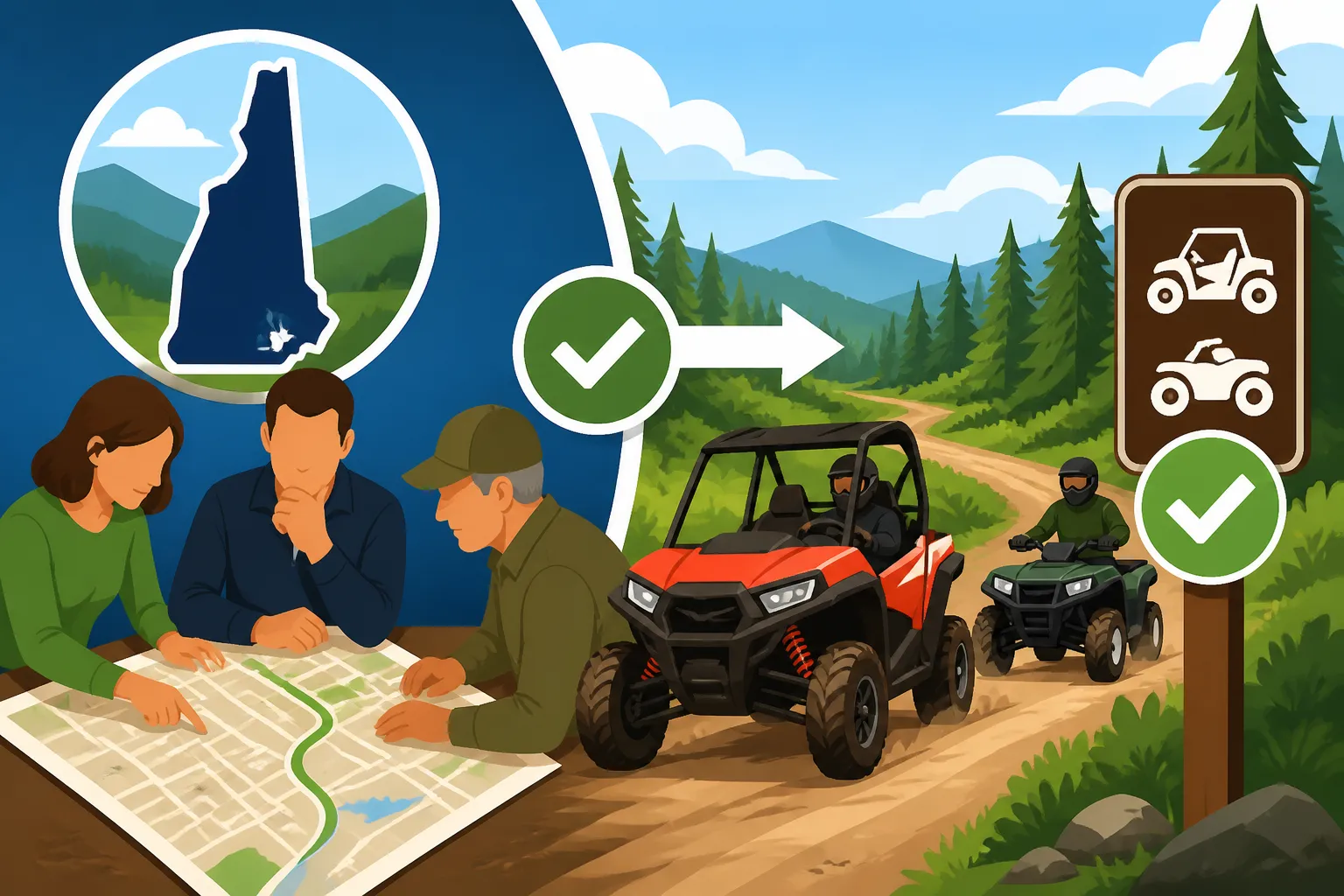
Once a Selectboard has given initial consideration to opening a road, the real work of community engagement begins. This is where the public hearing comes in, a critical step designed to gather input from everyone affected, especially the residents who live along the proposed OHRV route. You can read more about a specific step in the process at [A New Hampshire Selectboard Vote to Open a Street].
Here's how it generally unfolds:
- Notice is Paramount: Before any hearing can take place, the town is legally required to give proper notice. This means placing an announcement in a local newspaper and posting it in public places like the town hall at least [Fourteen Days' Notice Before a New Hampshire Hearing] before the scheduled hearing. This isn't just a formality; it ensures that anyone interested has ample time to learn about the proposal and prepare their comments or questions.
- Abutter Notification: Even more specific is the requirement to notify abutters. Abutters are property owners whose land directly borders the road segment being considered for OHRV access. The town must send notice via [Verified Mail to the Abutters]. This direct, certified notification ensures that those most directly impacted by potential OHRV traffic are aware of the proposal and have a chance to voice their opinions. Imagine living on a quiet dirt road that suddenly becomes a thoroughfare for OHRVs; you'd certainly want to know and have a say.
- The Hearing Itself: During the public hearing, the Selectboard will present the proposal, often explaining the reasoning behind it and any proposed rules (like speed limits or hours of operation). Then, it's the public's turn. Residents can speak, ask questions, and share their concerns or support. This is where discussions about noise, safety, and potential impacts on property values or quality of life often come up. OHRV club representatives might speak about the economic benefits and the responsible riding practices their members follow. This back-and-forth is essential for the Selectboard to make an informed decision that reflects the community's diverse perspectives. They might also discuss safety measures, such as requiring visible accessories from SuperATV that make OHRVs more noticeable on shared roads.
- Selectboard Deliberation and Vote: After hearing all the input, the Selectboard will deliberate. They weigh the various arguments, consider the legal requirements, and assess the overall impact on the town. Finally, they will hold a vote. If the vote passes, the road is officially designated for OHRV use, sometimes with specific conditions or restrictions.
This process ensures that opening a town road to OHRVs is a community decision, not just an administrative one.
Here's a simplified look at the steps:
| Step | Description | Responsible Party |
|---|---|---|
| 1. Initial Request | An individual, club, or business proposes opening a road segment for OHRV use. | Rider/Club/Business |
| 2. Selectboard Review | Selectboard considers feasibility, initial impact, and potential benefits/drawbacks. | Town Selectboard |
| 3. Public Notice | Announcement placed in local paper and public locations 14 days prior to hearing. | Town Clerk/Selectboard |
| 4. Abutter Notification | Certified mail sent to all property owners bordering the proposed road segment 14 days prior. | Town Clerk |
| 5. Public Hearing | Opportunity for public to voice opinions, ask questions, and provide input. | Town Selectboard & Public |
| 6. Selectboard Deliberation | Selectboard discusses public input, legal aspects, and community impact. | Town Selectboard |
| 7. Vote & Designation | Formal vote by Selectboard. If passed, road is officially designated, sometimes with conditions. | Town Selectboard |
| 8. Signage & Publication | Appropriate signs erected along the designated road, and decision often published. | Town Officials |
What Happens After a Road is Designated: Rider Rules and Ongoing Management
So, a New Hampshire town has successfully navigated the process, held its public hearing, and the Selectboard has voted to open a road. That's fantastic news for riders who can now connect trails, access services, or enjoy a short scenic ride on that specific segment. Towns like [Gorham's Open Streets] have embraced this, integrating OHRVs into their downtown experience, which has been a boon for local businesses.
But the designation isn't a free pass to ride however you want. It comes with crucial responsibilities for OHRV operators:
- Follow the Rules of the Road: When riding on a designated town road, OHRVs are treated much like other vehicles, with some key differences. You must [Why New Hampshire Riders Keep to the Extreme Right] of the road, always staying as far right as safely possible. This leaves ample room for cars, trucks, and other traffic. It's not a race, it's about shared access.
- Yield to Conventional Vehicles: This is non-negotiable. You must [Yielding to Every Conventional Vehicle] you encounter. If a car is approaching, pull over to the side and let them pass safely.
- Speed Limits and Safety: Designated roads will have posted speed limits, and OHRVs must adhere to them, just like any other vehicle. Often, towns will impose lower speed limits specifically for OHRVs on these designated routes, particularly in residential or congested areas. Safety is paramount, both for OHRV riders and other road users.
- Crossing Roads: Even on designated roads, you still need to be extra cautious when crossing other streets or intersections. Always come to a complete stop, look both ways, and proceed only when it's safe. For broader guidelines, you might want to review [New Hampshire Rules for Crossing a Highway].
- Equipment Requirements: While not a dedicated road vehicle, your OHRV needs to be properly equipped for road use. This typically includes working headlights, taillights, and at least one rear-view mirror. Many riders opt for aftermarket mirrors from companies like SuperATV that offer better visibility and durability for the rigors of trail and road riding.
- Annual Review: A common aspect of town road designation is that it's not always a permanent decision. Many towns conduct an annual review of their designated OHRV roads. This means that [Why a Town Must Renew Its OHRV Designation] regularly, allowing them to assess the impact of OHRV use over the past season. If there have been significant issues with noise, safety, or complaints from residents, the town could decide to modify the designation or even revoke it. This ongoing oversight keeps everyone accountable and ensures the system works for the community.
- Trail Connections: The primary purpose of many of these designated roads is to serve as connector routes, allowing riders to get from one section of trail to another, or to easily access services in a town. Understanding this purpose helps you use these roads responsibly, keeping your focus on reaching your next trail segment or destination. For instance, knowing how to utilize these roads to [Riding a Town Road to Reach a Club Trail] can really open up your riding possibilities in the region.
Ultimately, the process of a New Hampshire town designating a road for OHRV use is a testament to the state's balanced approach to OHRV recreation. It allows for the expansion of riding opportunities while still giving local communities the power to manage their roads and ensure the safety and well-being of all their residents. It’s a cooperative effort that, when done right, benefits everyone.
Disclaimer
This article is for general informational purposes only and does not constitute professional advice. Laws, prices and regulations vary by location and change over time. Consult a qualified professional for guidance on your specific situation.