Buying From a Seller Who Lost the Certificate
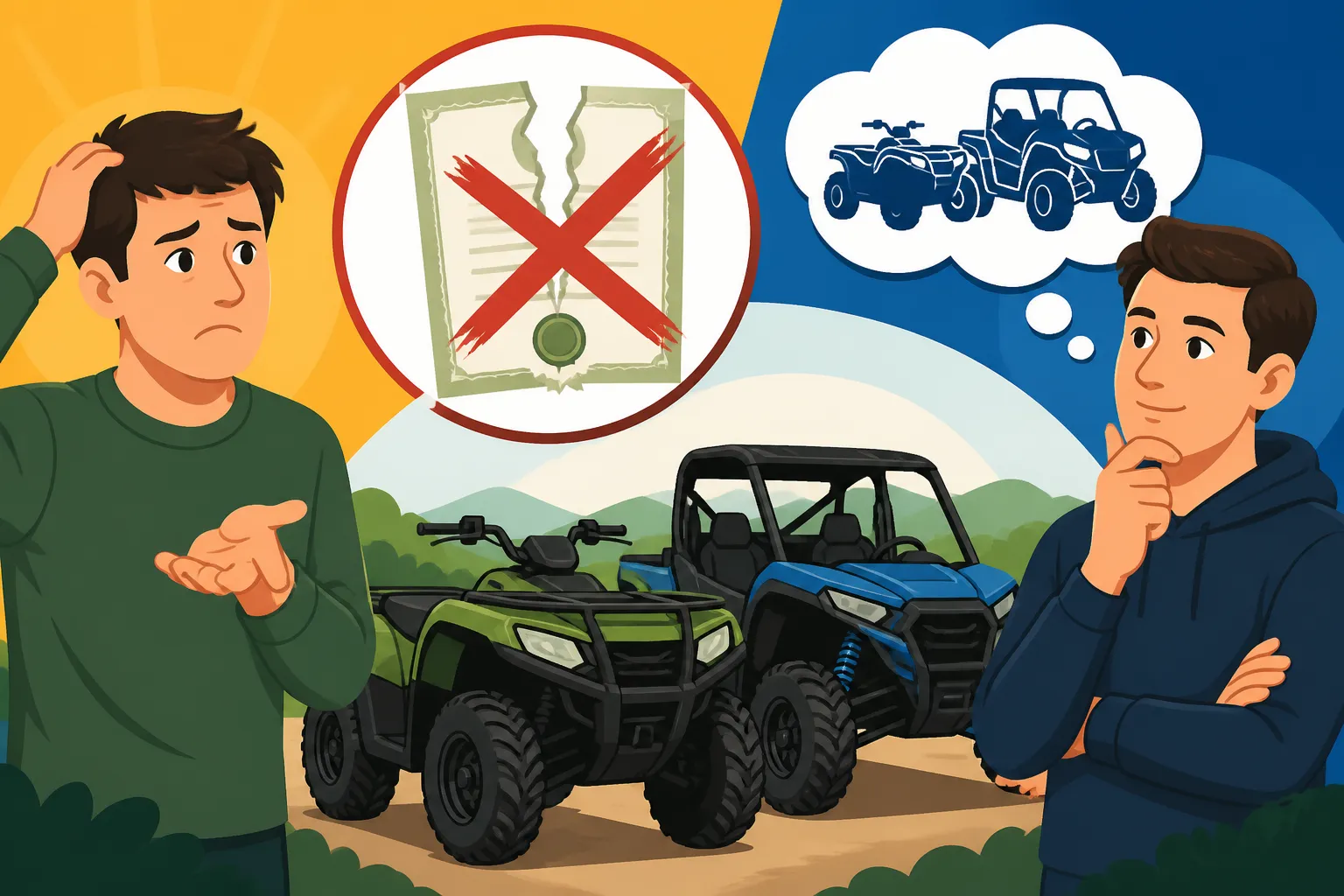
Finding that perfect used ATV or UTV can feel like hitting the jackpot – maybe you’ve scouted out a great deal in a classified ad, or a friend-of-a-friend is selling their well-loved machine. You've imagined yourself cruising the [Ride the Wilds] trails, but then you learn the seller can't find the registration certificate. This common hiccup can make you nervous, and rightfully so! But don't despair; this guide will walk you through the necessary steps and precautions to take when buying a used OHRV in New Hampshire from a seller who has lost their certificate, ensuring you can still get it legally registered and hit the trails.
The Importance of the Registration Certificate in New Hampshire
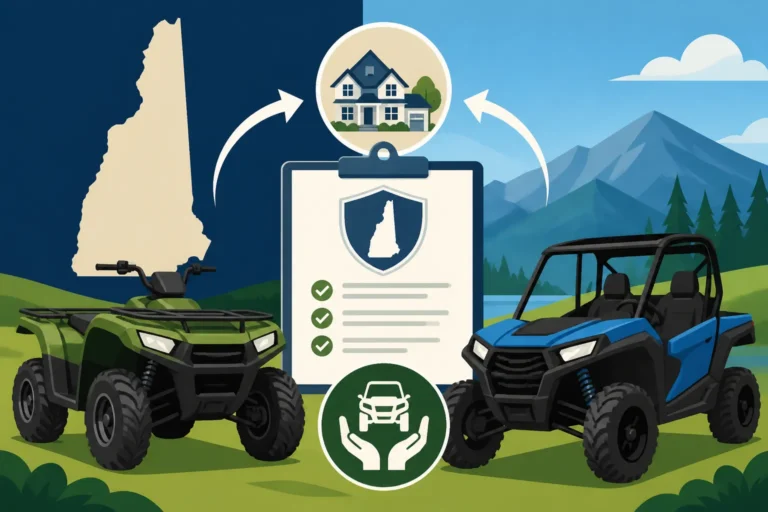
It might seem like a small piece of paper, but the OHRV registration certificate holds significant weight in New Hampshire. It's not just a receipt; it's the primary document proving who can legally register and operate the machine.
Why New Hampshire Doesn't Issue Titles for OHRVs
One of the biggest sources of confusion for OHRV buyers in New Hampshire is the absence of a formal title document. Unlike cars, trucks, or even snowmobiles in some other states, New Hampshire does not issue a specific "title" for ATVs and UTVs. This can be a real surprise, especially if you're used to the clear-cut title transfer process for other vehicles. Without a separate, official title, the registration certificate essentially takes its place as the primary evidence of ownership in the eyes of the state.
This unique aspect of New Hampshire law means that buyers need to be extra vigilant. You can't just rely on a title to verify the seller's right to sell. Instead, your focus shifts to the registration certificate and a solid bill of sale. It's a system that works, but it requires a bit more understanding and caution from the buyer. [Why New Hampshire Issues No OHRV Title]
What the Certificate Actually Proves
So, if there's no title, what exactly does the registration certificate confirm? This document is the state's official record linking a specific OHRV to its current registrant. It details the machine's make, model, year, and, most critically, its Vehicle Identification Number (VIN) or serial number. It also clearly lists the name and address of the person or entity currently registered as the owner.
When you go to register a newly acquired OHRV, the New Hampshire Fish and Game Department or its authorized agents will typically want to see the previous owner's registration certificate. This allows them to verify that the person selling you the machine was indeed the legal owner according to their records, and that they have the right to transfer that ownership to you. It creates a clear, unbroken chain of custody, which is essential for preventing the sale of stolen machines or machines with outstanding issues. It's your official paper trail for a motorized vehicle.
The Headache of Buying Without It
Let's be frank: buying an OHRV when the seller has "misplaced" the registration certificate can be a significant headache. When you arrive at a registration agent, such as a [Registering at a New Hampshire Town Clerk] or a powersports dealer, without that critical piece of paper, you'll likely face extra scrutiny. The agent will have to work harder to verify the ownership history of the machine, which can lead to delays, additional questions, and potentially, a refusal to register if the ownership cannot be clearly established.
Beyond the bureaucratic hurdles, there's a more serious concern. A missing registration certificate can sometimes be a red flag. While often it's just an honest mistake, it could also indicate that the machine is stolen, has an undisclosed lien, or that the seller isn't the true legal owner. Protecting yourself from these scenarios is paramount. You don't want to invest your money in a machine that you can't legally register or operate, or one that could become a legal liability down the road. This is why due diligence is so crucial when the certificate is missing.
Steps to Take When the Seller Lacks the Certificate
Even without the certificate, a sale can still proceed, but you'll need to be proactive and thorough. Here’s how to navigate this situation safely.
Verifying Ownership and Machine Details
Your first and most critical step is to verify as much information as possible about the machine and the seller. Start by getting the machine's full VIN or serial number. This is non-negotiable. With that VIN, you can call the New Hampshire Fish and Game Department's OHRV registration unit. While they typically can't release personal information, they might be able to confirm if that VIN is currently registered in their system and if there are any flags associated with it. This can help you confirm the seller's story.
Ask the seller for any other documentation they might have, no matter how old. This could include old insurance cards, repair receipts, past registration copies (even expired ones), or even photos of the machine from previous years. These documents often include the VIN and the seller's name, helping to establish their long-term connection to the OHRV. Always visually confirm that the VIN on the machine itself matches all other documentation provided. Don't hesitate to take your time and ask detailed questions; a legitimate seller will appreciate your caution. [Checking a Frame Number Before You Buy]
Requesting a Duplicate Certificate from the Seller
The cleanest and safest solution when the original certificate is missing is for the seller to obtain a duplicate. Since they are the last registered owner, they are the easiest and most direct party to request a replacement from the New Hampshire Fish and Game Department. There might be a small fee involved, but it's a minimal cost compared to the peace of mind it offers you.
You might consider making the purchase conditional on the seller obtaining this duplicate. This puts the burden on them to provide the proper documentation before you hand over any money. If they are unwilling or unable to get a duplicate after a reasonable effort, it should be a significant warning sign. While the process for replacing a lost registration certificate is often straightforward, a seller's reluctance to do so should make you question the legitimacy of the sale. Remember, you're trying to establish a clear paper trail, and an official duplicate from the state is the best way to do that. [Replacing Lost New Hampshire Decals] (While this link is for decals, the process for a certificate is similar – contacting Fish and Game for a replacement.)
Creating a Solid Bill of Sale
Regardless of whether the seller eventually produces a duplicate certificate, a comprehensive bill of sale is an absolute must-have for any private OHRV purchase in New Hampshire. When the certificate is missing, this document becomes even more critical, acting as your primary proof of purchase and a vital component for registration.
Your bill of sale needs to be incredibly detailed. It must include the full legal names, addresses, and contact information for both you (the buyer) and the seller. Crucially, it needs the date of sale, the agreed-upon purchase price, and a thorough description of the OHRV, including its make, model, year, and the complete VIN or serial number. To address the missing certificate issue head-on, the bill of sale should explicitly state that the original registration certificate was lost or unavailable at the time of sale. Both the buyer and seller should sign and date the document, and seriously consider having it notarized for an extra layer of legal enforceability. Online services like LawDepot offer excellent templates that you can customize to ensure you've included all the necessary details to protect yourself. [New Hampshire ATV Bill of Sale Requirements]
Your Options for Registering the Machine
Once you have a thorough bill of sale and have done your due diligence, here's how you might proceed with registering your "new" machine.
Registering with a Bill of Sale and No Certificate
This is where your meticulous work on the bill of sale truly pays off. When you go to [Where to Register an OHRV in New Hampshire] without the previous owner's certificate, the registration agent will rely heavily on your bill of sale. They'll examine it to ensure all the critical details, especially the VIN, match the machine you're trying to register. They will also cross-reference the VIN with the state's database to confirm the machine isn't stolen and to identify the last legally registered owner.
If the bill of sale clearly shows the transfer of ownership from the last registered owner (as identified in Fish and Game's system) to you, the agent can typically proceed with your registration. Be prepared for a bit more processing time, as they'll likely need to verify information more carefully. Having any other supporting documents you gathered, such as old photos, repair receipts, or even copies of previous (expired) registrations, can strengthen your case and demonstrate a clear chain of custody. The key is to provide a comprehensive and believable story through your paperwork. [New Hampshire OHRV Registration Paperwork]
What to Do If the Original Owner is Unreachable
This is the nightmare scenario, and it significantly complicates matters. If the person who sold you the machine was not the last registered owner in the state's system, or if they're now completely unreachable and you can't obtain a duplicate certificate, you're facing a substantial challenge. New Hampshire Fish and Game requires a clear and direct link to the last registered owner to complete a new registration.
Without that clear connection, you may find yourself in a very difficult position where registration is not immediately possible. In such cases, you might need to present a series of bills of sale to establish a continuous, albeit undocumented, chain of ownership. If that's not feasible, you might need to contact the New Hampshire Fish and Game Department's OHRV registration unit directly to explain your unique situation. They are the ultimate authority and can advise on any alternative, albeit often more complex, pathways to registration. In extreme cases, and depending on the value of the machine, you might even need to seek legal counsel to explore your options. This underscores why verifying ownership before purchase is paramount.
Potential Pitfalls and How to Avoid Them
The biggest pitfall when buying an OHRV without a certificate is unknowingly purchasing a stolen machine. Always be suspicious of deals that seem "too good to be true," especially if the seller is vague about the machine's history or paperwork. Confirm the VIN with Fish and Game if you can, and perform a thorough inspection of the machine for signs of tampering or altered VINs.
Another potential issue is buying a machine with an undisclosed lien. While New Hampshire doesn't issue titles for OHRVs, a bank or lender could still have a security interest if the machine was financed. This is harder to check without a title, so direct questioning of the seller is crucial. A reputable seller should always disclose any such information. To further protect yourself, consider using a secure payment method that offers some buyer protection, and always finalize the sale in a public place. Don't let your excitement about a new ride cloud your judgment. Walking away from a questionable deal is always better than dealing with the severe consequences of a fraudulent purchase. [Buying a Used ATV in New Hampshire]
Preventing Future Hassles with Your Own Documents
Once you’ve successfully navigated the purchase and registration of your OHRV, the next step is to make sure you don't face the same headaches down the road.
Safekeeping Your New Hampshire OHRV Documents
Congratulations, you're now the proud, registered owner of a New Hampshire OHRV! Now, your mission is to keep that precious registration certificate safe and sound. The original certificate should always be stored in a secure location at home – think a fireproof safe, a locked filing cabinet, or another safe place where it won't get lost, damaged, or stolen. This is your definitive proof of registration and should not be casually carried around. [New Hampshire's Printed Certificate and Two Decals]
Instead of the original, make several clear, legible photocopies of your registration certificate. It's a great idea to laminate one or two of these copies to keep on your person or in a secure compartment on your OHRV whenever you ride. This way, if a conservation officer or trail marshal asks to see your registration, you can easily provide proof without risking your original document. You can also take a clear photo of your certificate with your smartphone, offering an additional digital backup. Being prepared will make your rides smoother and stress-free.
When to Transfer a Registration
It's important to understand the specific rules around transferring OHRV registrations in New Hampshire. A registration "transfer" isn't what happens when you buy a used machine from someone else. When you purchase a used OHRV, you apply for a new registration in your name. A transfer, in New Hampshire OHRV terms, refers to moving an existing, active registration that you already hold for one machine to a different, newly acquired machine within the same registration year.
For example, if you sell your old ATV and buy a new one, you might be able to transfer the remaining portion of your old machine's registration to your new machine, paying only a transfer fee. This saves you from paying the full registration fee again for the same season. So, while you're likely applying for a brand-new registration when you buy from a seller who lost their certificate, it's good to know how transfers work for your future OHRV adventures. Understanding this distinction can save you both time and money. [New Hampshire's $25.50 OHRV Transfer Fee]
Disclaimer
This article is for general informational purposes only and does not constitute professional advice. Laws, prices and regulations vary by location and change over time. Consult a qualified professional for guidance on your specific situation.